
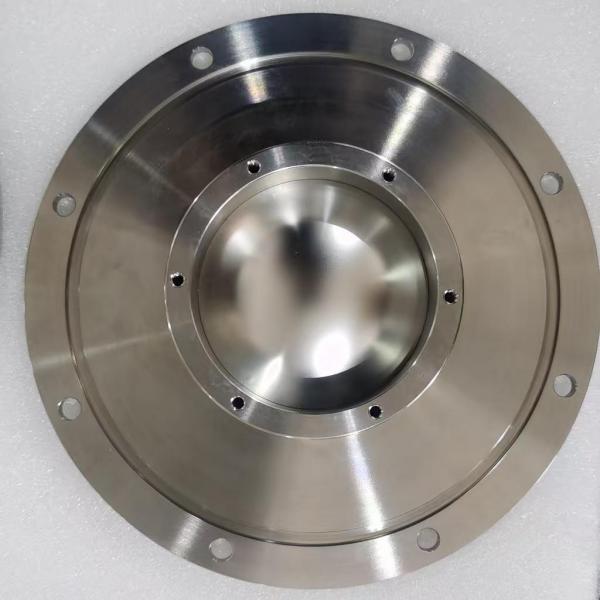
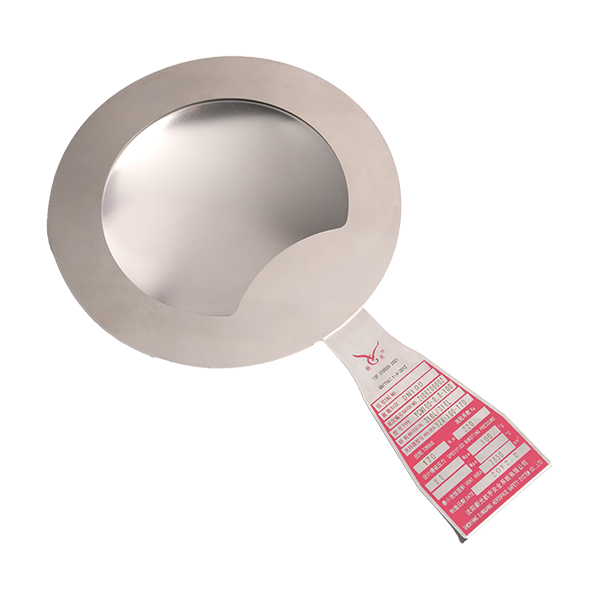
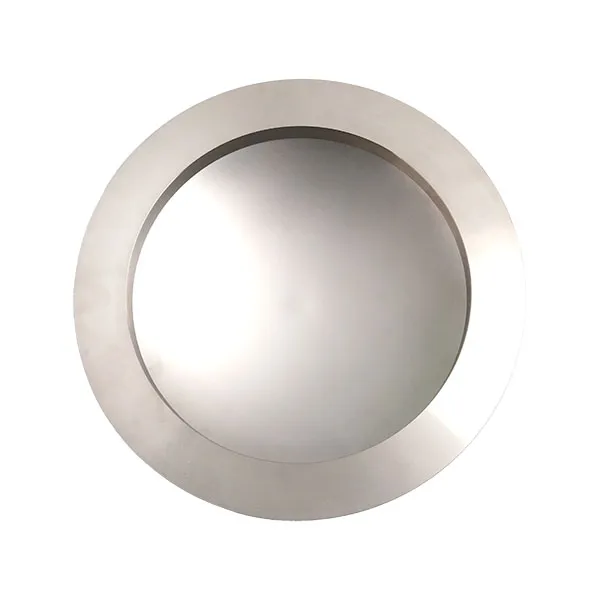
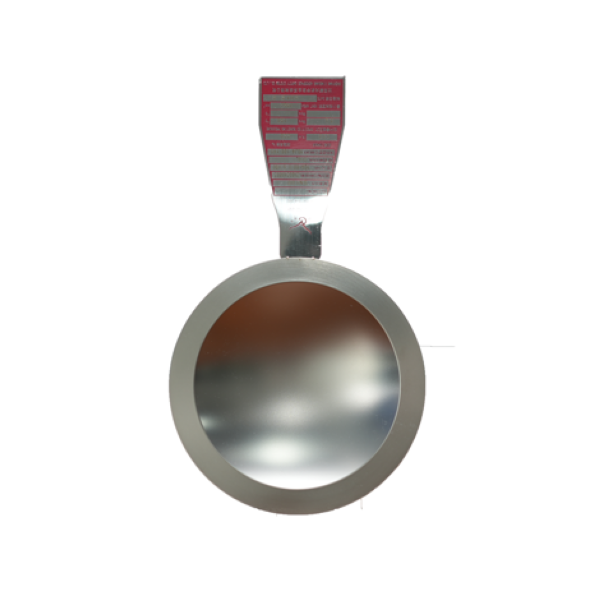
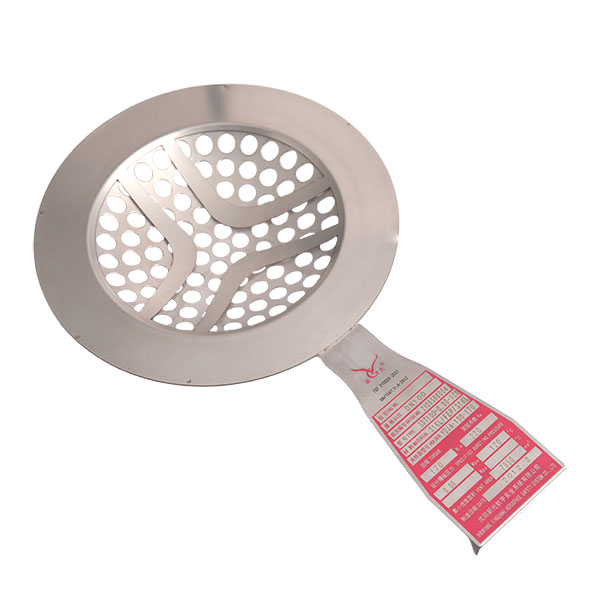
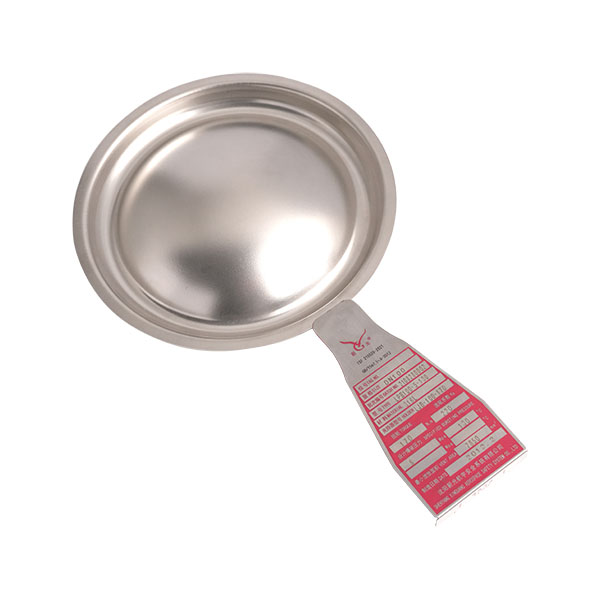
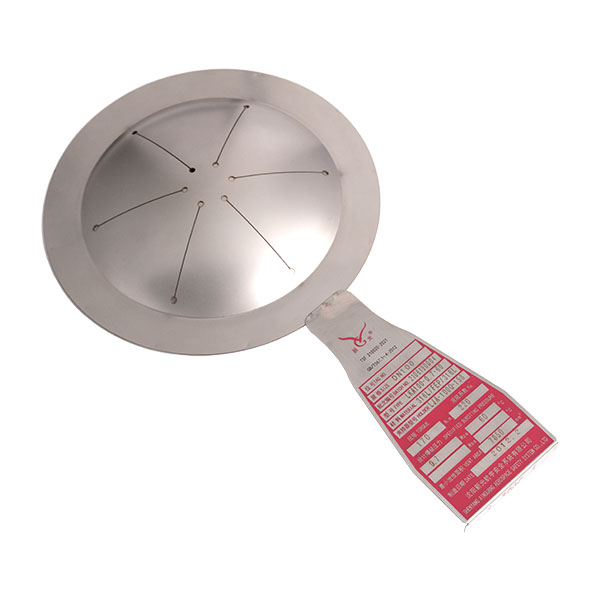
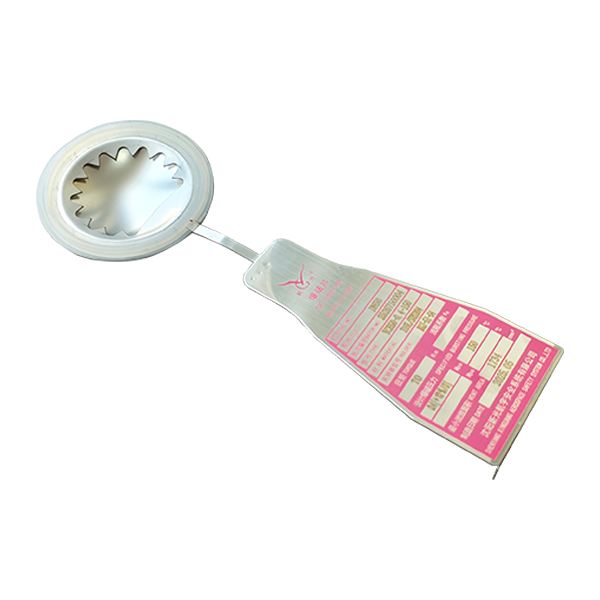
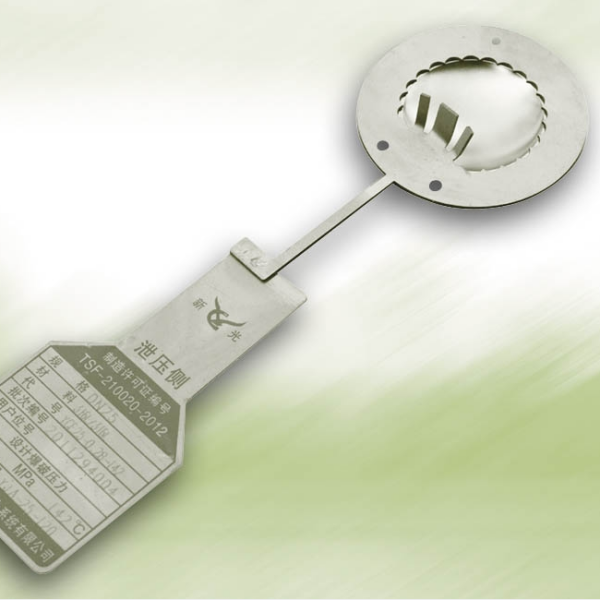
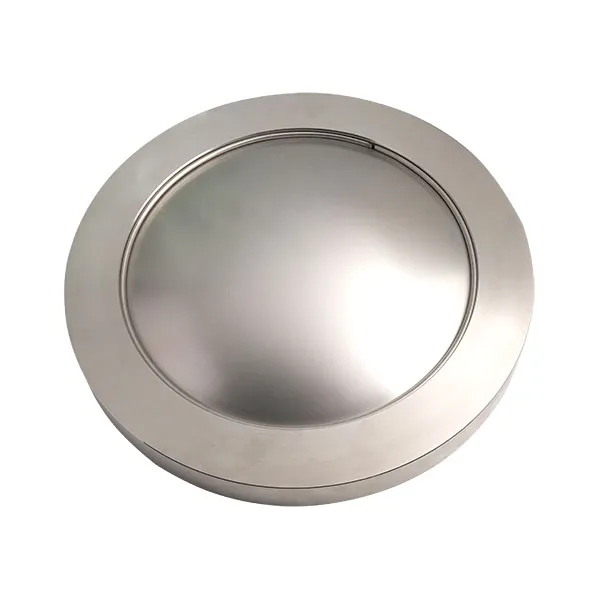
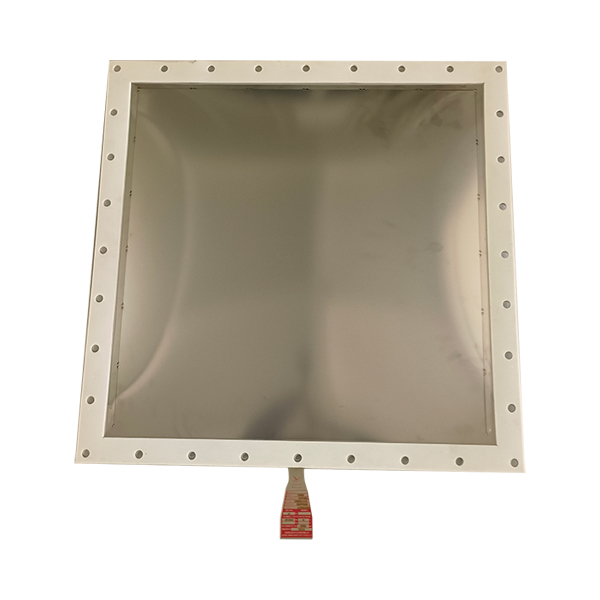
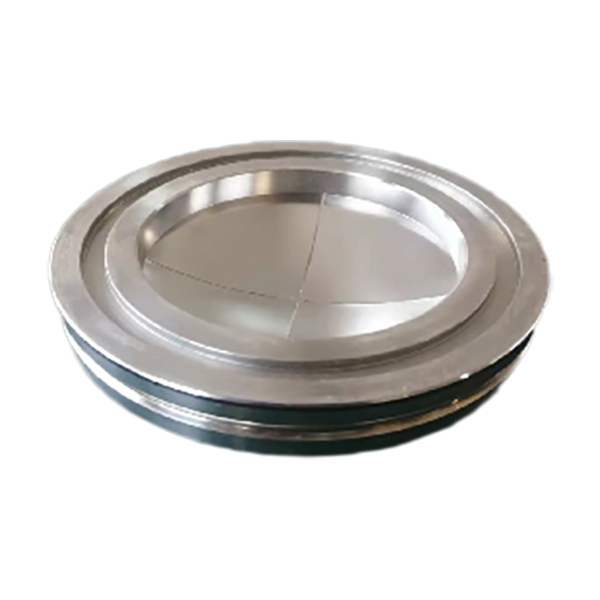
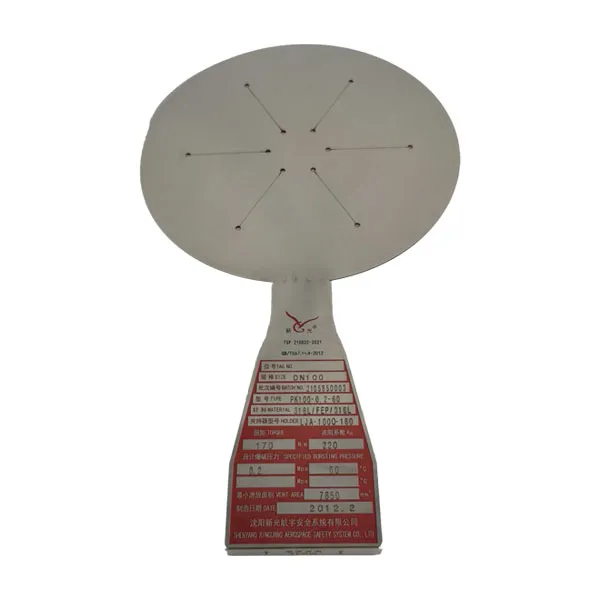
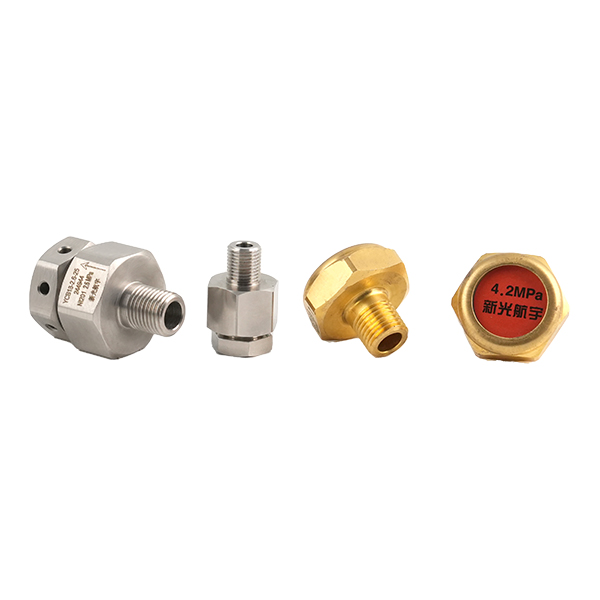
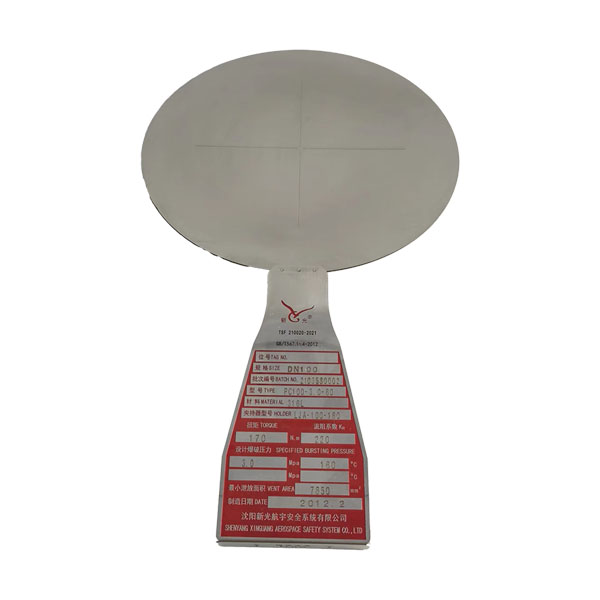
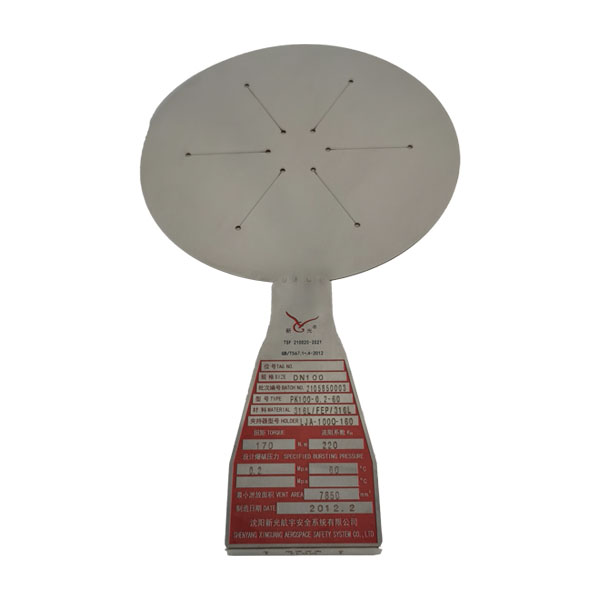
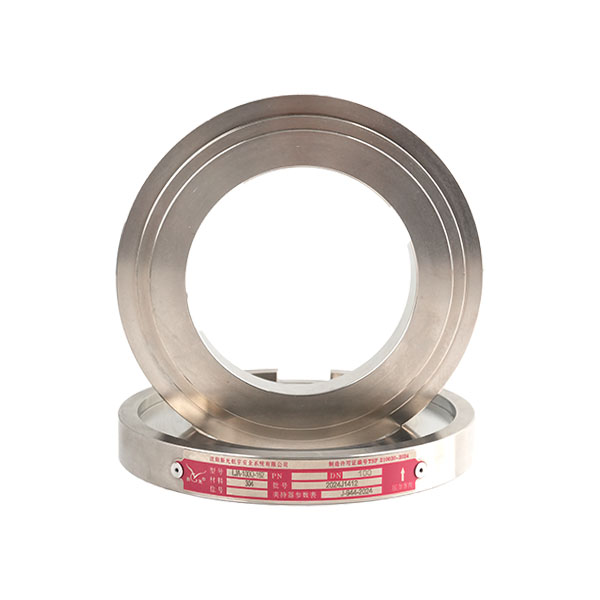
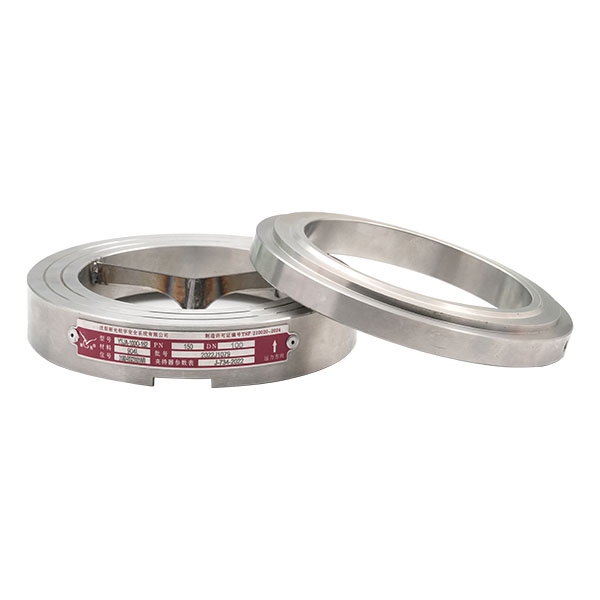
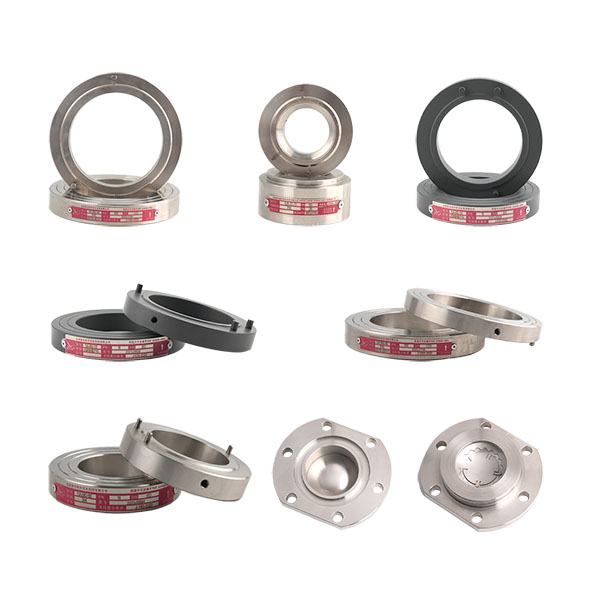
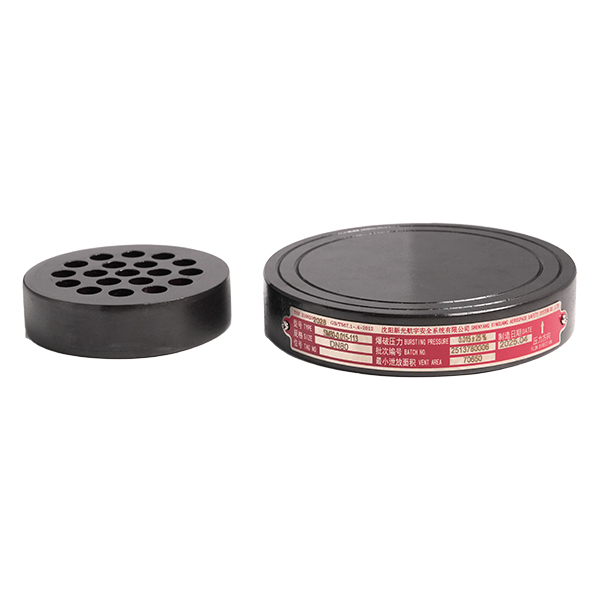
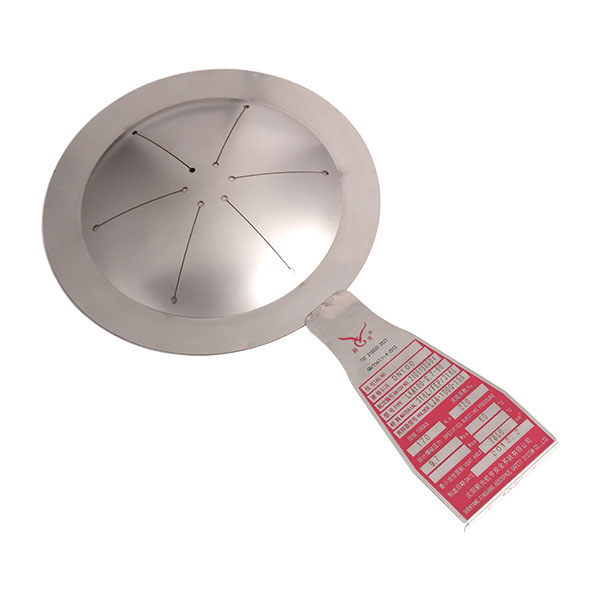
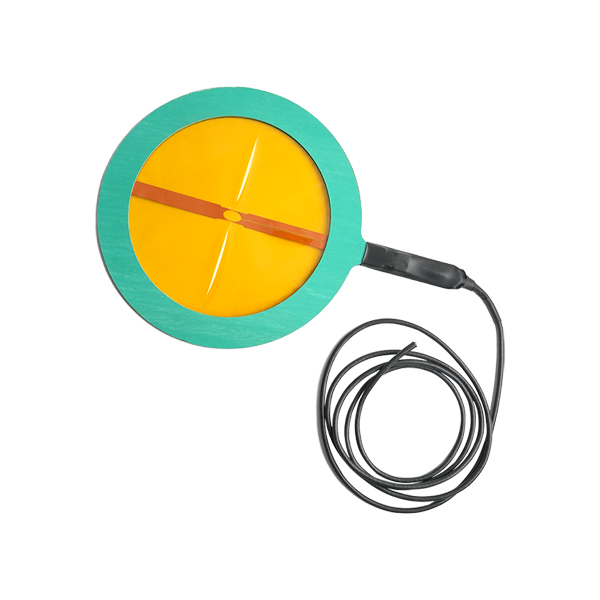
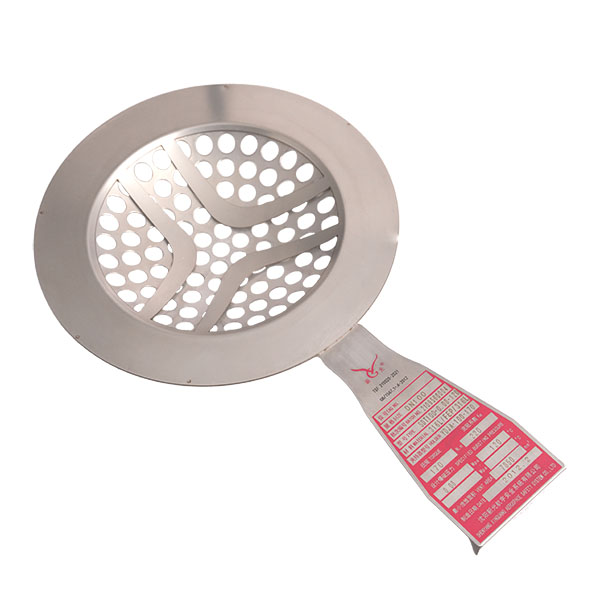
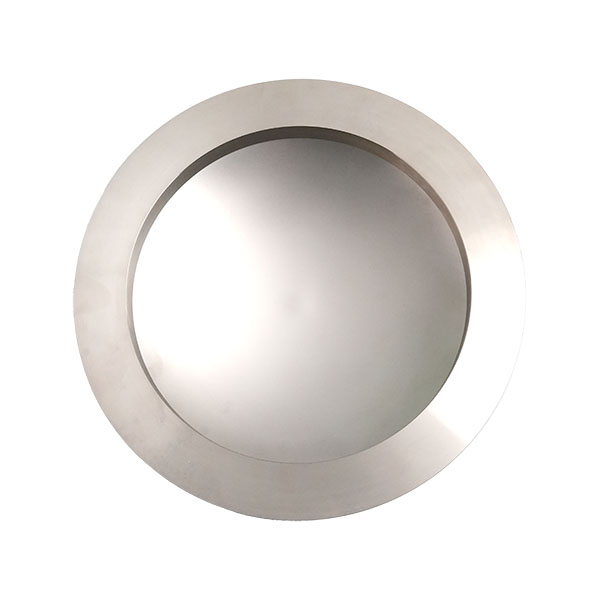
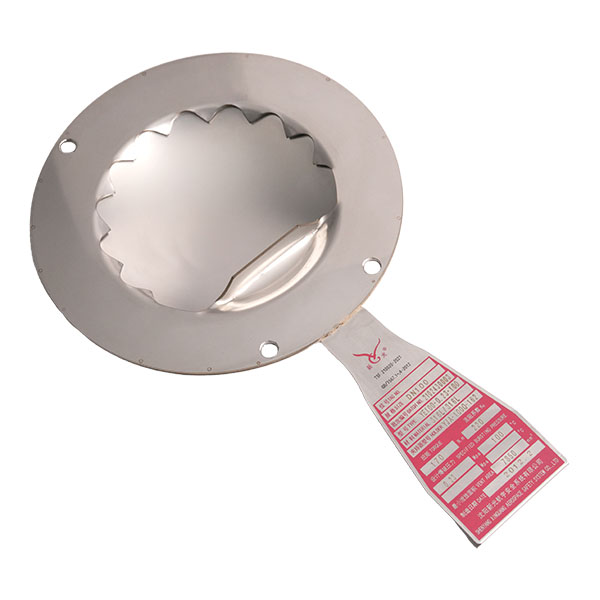
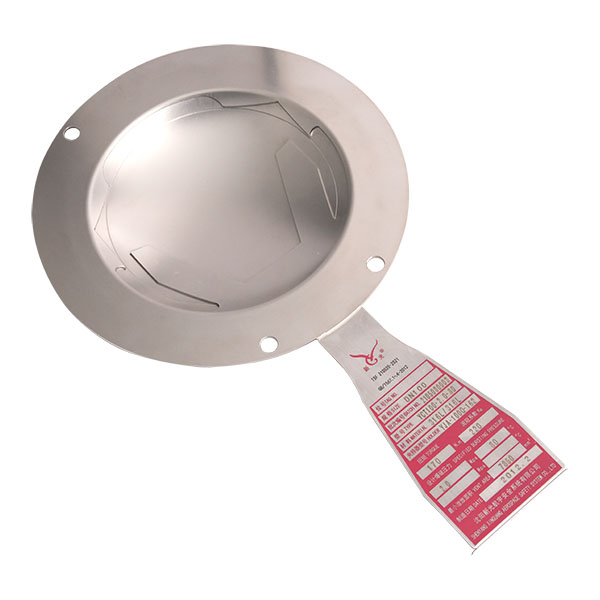
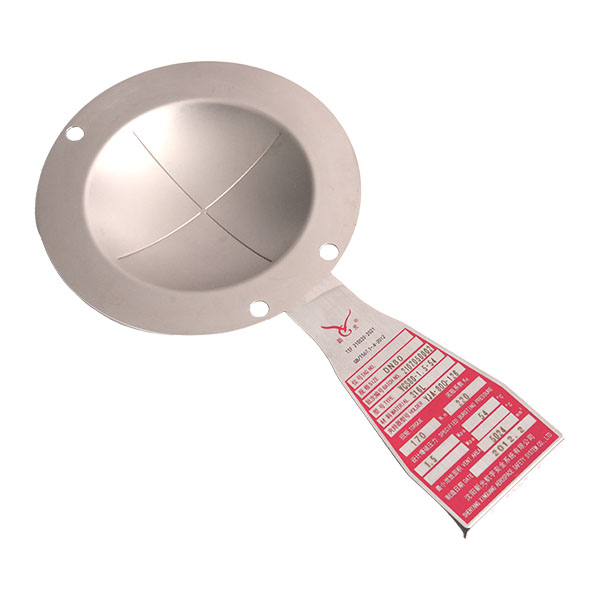
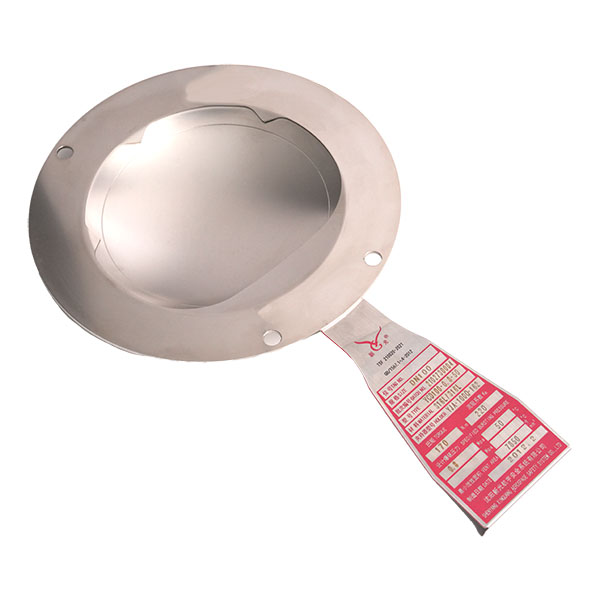
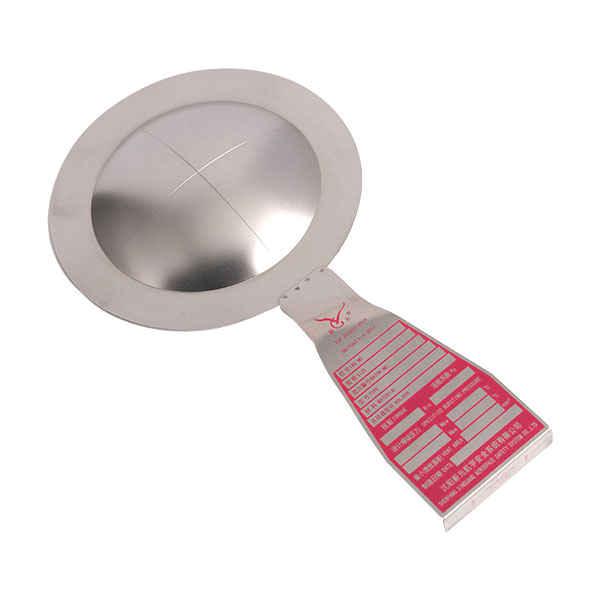
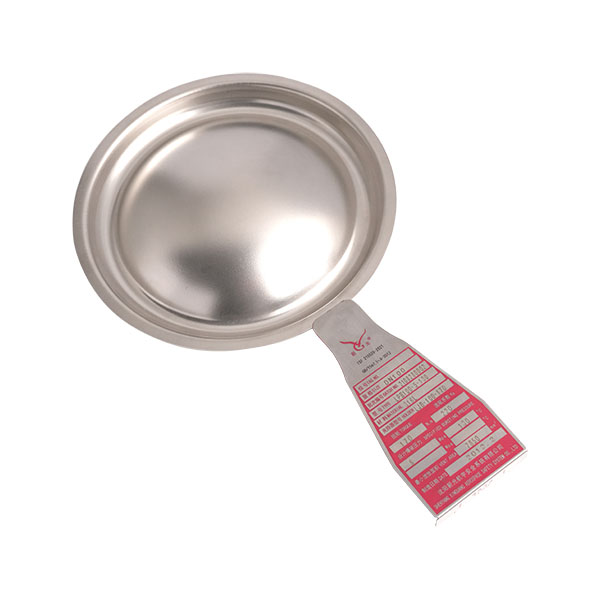
In high-pressure industrial environments, safety is not an area where you can afford to compromise. Pressure rupture disks (also known as bursting discs) serve as the critical last line of defense against catastrophic overpressure events.
Whether you operate in petrochemicals, pharmaceuticals, cryogenics, or aerospace, selecting the right rupture disk manufacturers is vital to ensuring the safety of your personnel, equipment, and environment.
With numerous suppliers in the global market, how do you identify a reliable partner? In this guide, we will break down the essential factors to consider when evaluating rupture disc manufacturers and highlight why technical expertise and international certifications make all the difference.
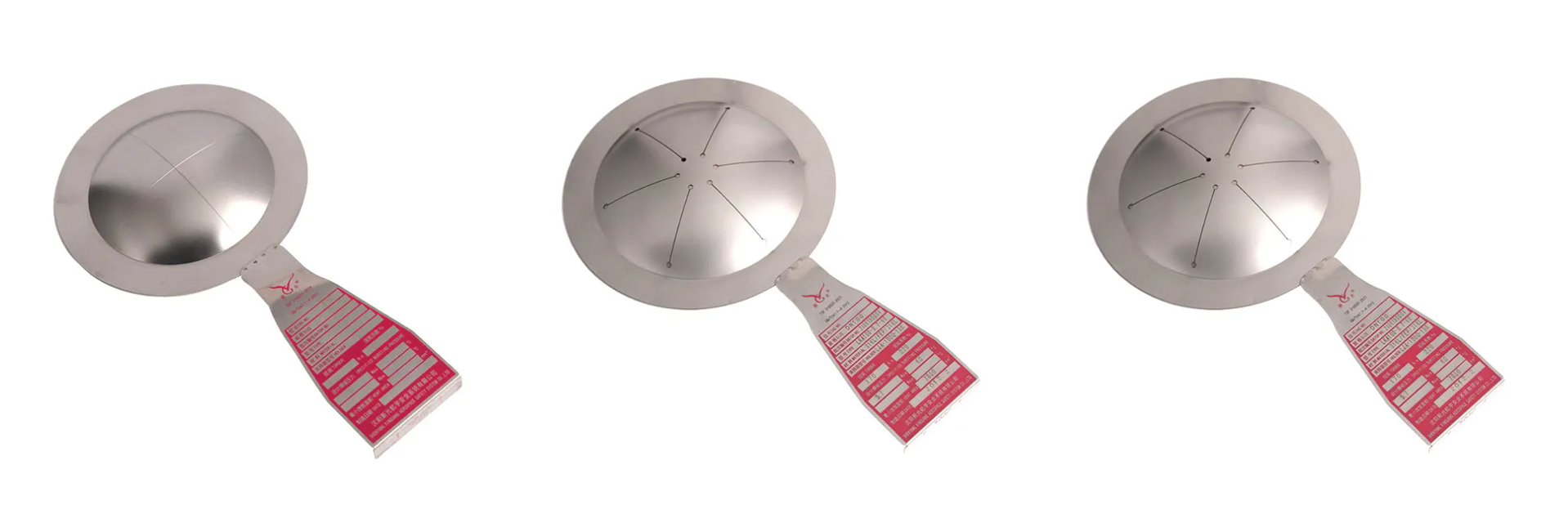
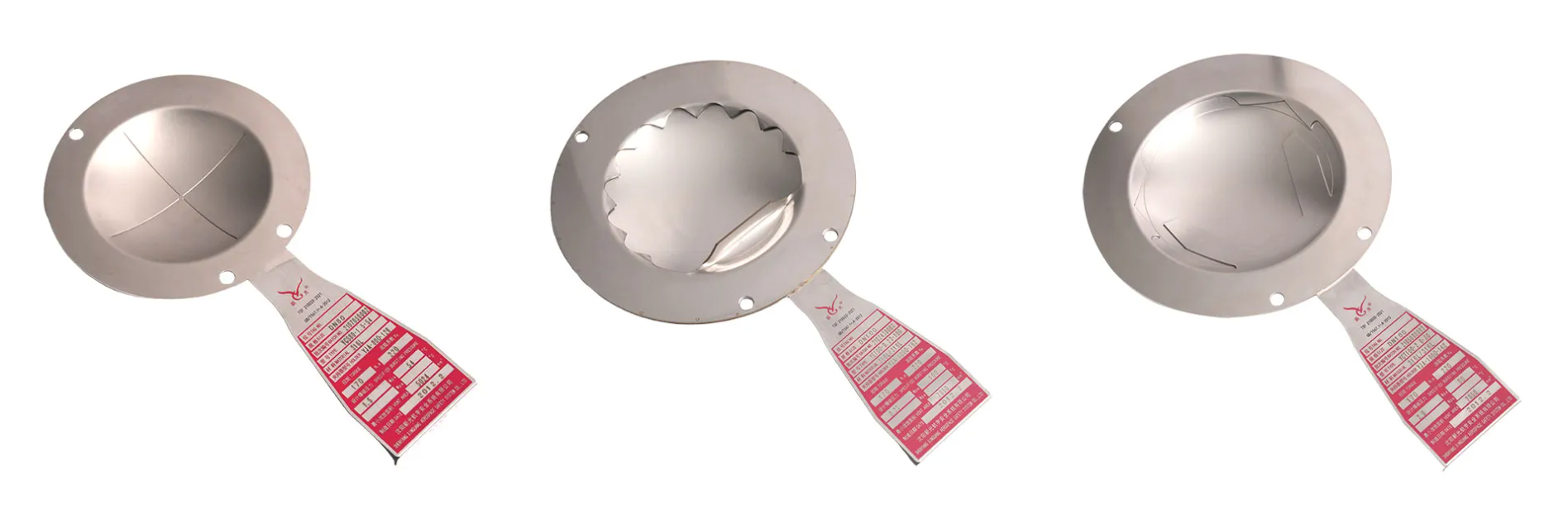
Key Factors to Consider When Evaluating Pressure Rupture Disk Manufacturers
To ensure your facility remains compliant and safe, you should assess potential manufacturers based on several strict criteria:
1. International Certifications and Standards Compliance
The global safety device market is heavily regulated.
A reputable rupture disk manufacturer must hold recognized international quality and safety certifications. When vetting suppliers, always look for:
ASME UD Certification:
Essential for compliance with the American Society of Mechanical Engineers (ASME) Boiler and Pressure Vessel Code, widely recognized in North America and globally.
CE Marking (PED):
Required for pressure equipment sold or operated within the European Economic Area (EEA).
ISO 9001:
Demonstrates a consistent quality management system.
Without these certifications, there is no verified guarantee that the bursting discs will perform accurately at their designated burst pressure.
2. Industry Experience and Engineering Heritage
Manufacturing pressure relief devices requires highly precise engineering. Companies with deep-rooted technical heritage—especially those born out of demanding sectors like aerospace or military defense—often possess superior material science expertise and stricter quality control protocols than standard commercial manufacturers.
3. Material Selection and Customization Capabilities
No two industrial processes are identical. Factors such as corrosive media, extreme temperatures, vacuum conditions, and pulsating pressures dictate the choice of materials (e.g., stainless steel, Inconel, Monel, Hastelloy, or graphite). A leading manufacturer should offer tailor-made engineering services, assisting you in selecting the exact specifications, holder designs, and burst indicators required for your unique application.
4. Broad Industry Application Experience
A manufacturer that understands your specific sector can offer pre-engineered solutions and valuable technical insights. Look for suppliers who regularly serve diverse fields, including:
Petrochemical & Chemical Refining
Pharmaceutical & Sanitary Processes
Cryogenics & LNG Transportation
Power Generation (including nuclear and thermal)
Gas Cylinder & Long Tube Trailers