
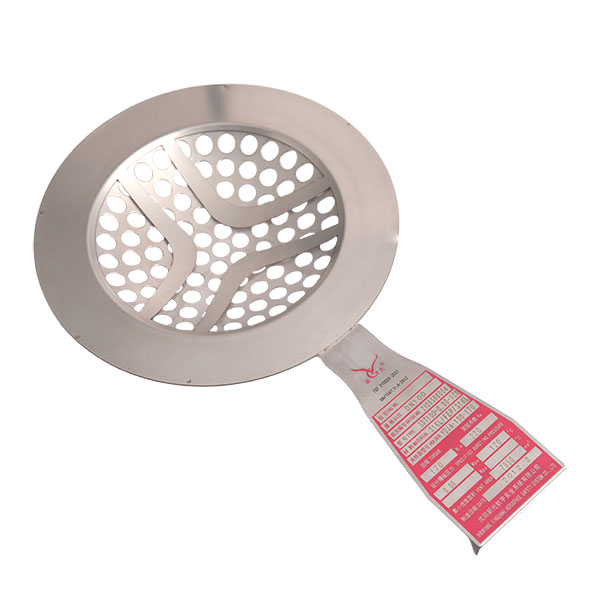
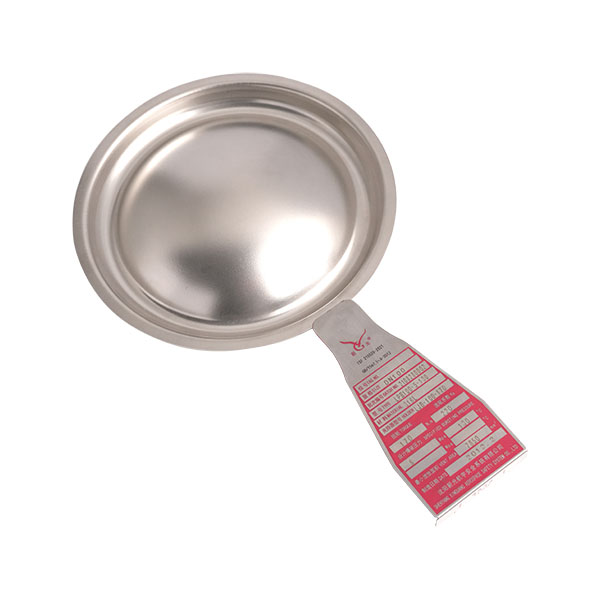
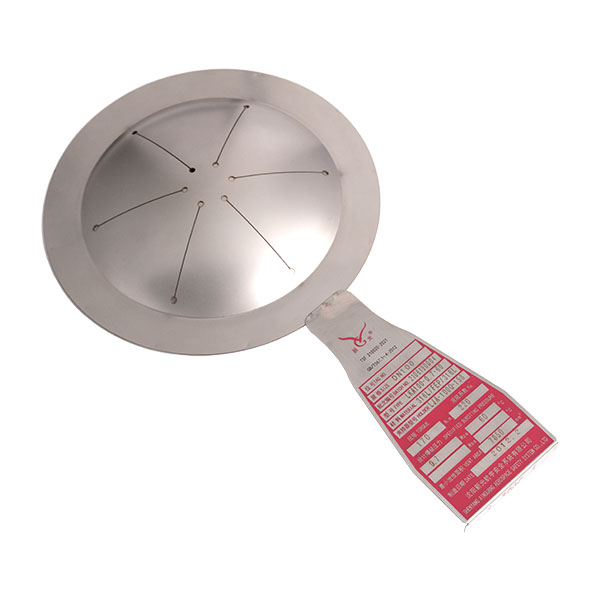
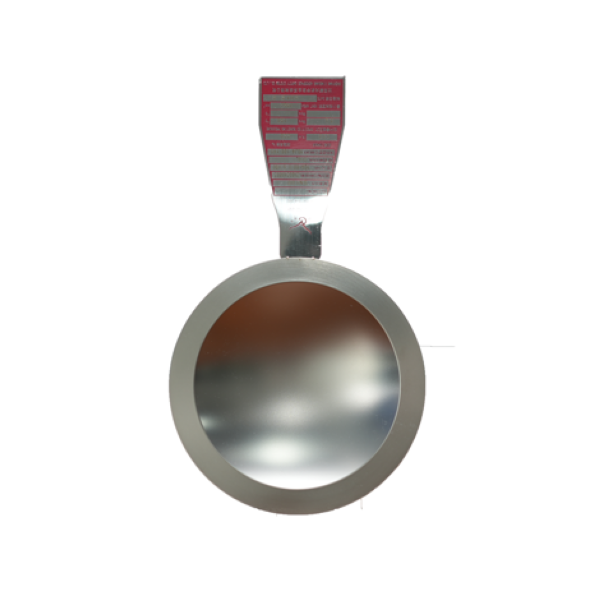
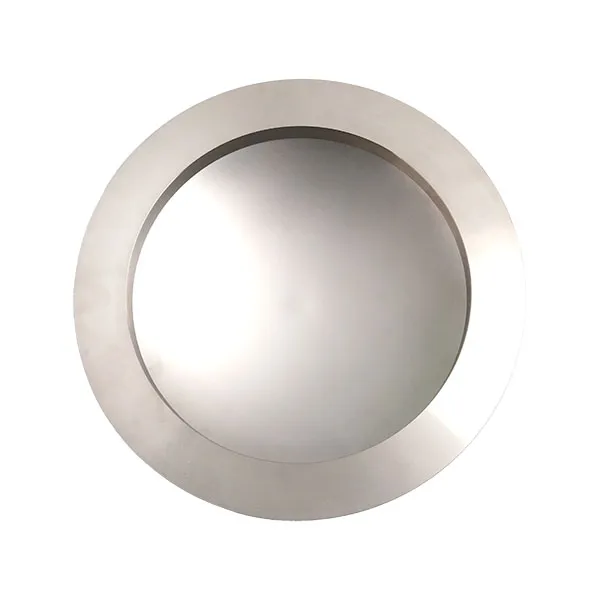
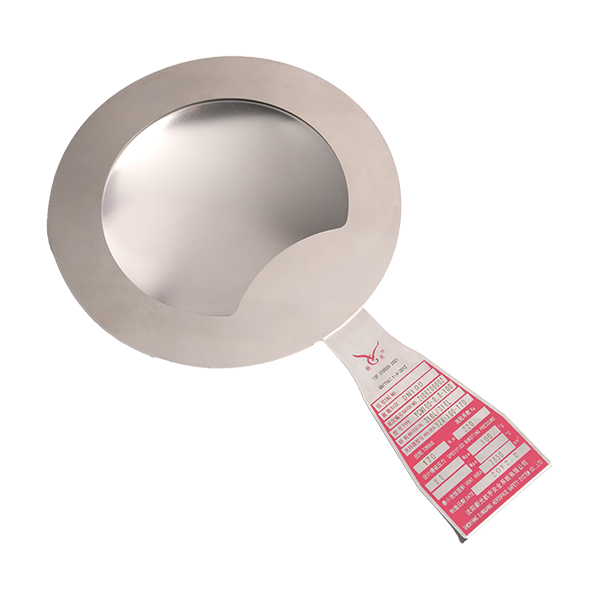
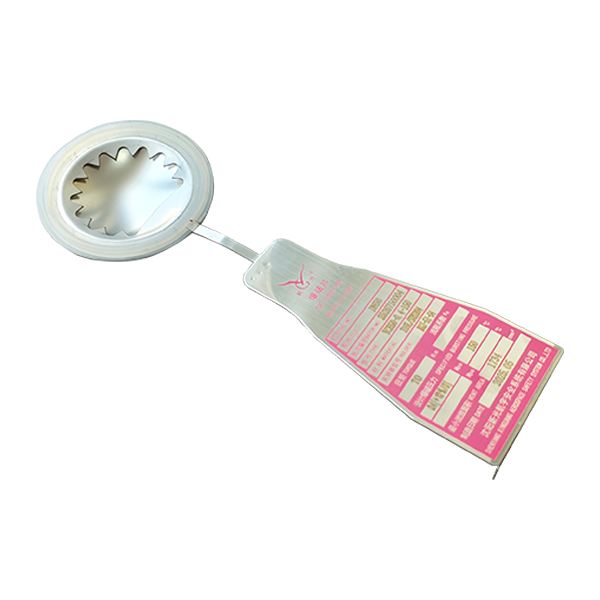
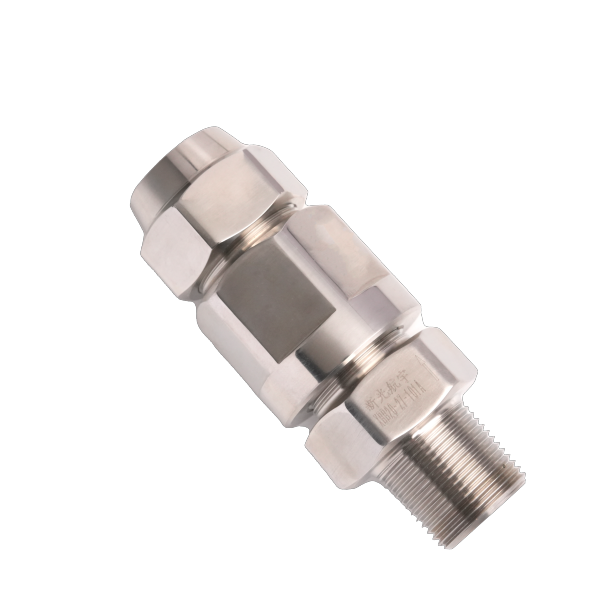
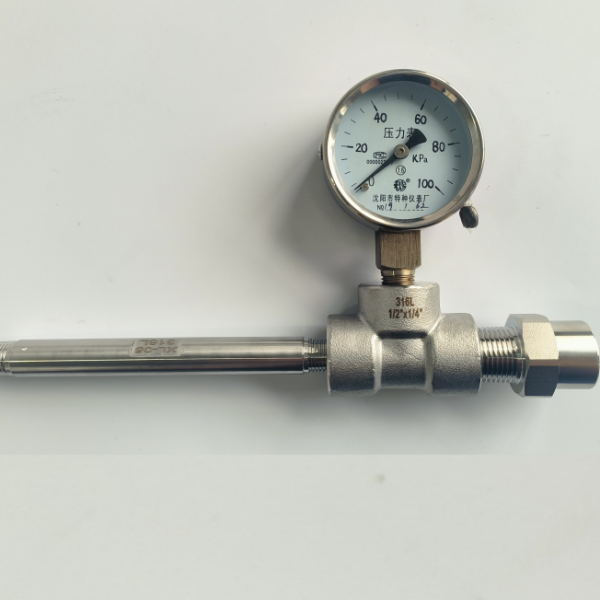
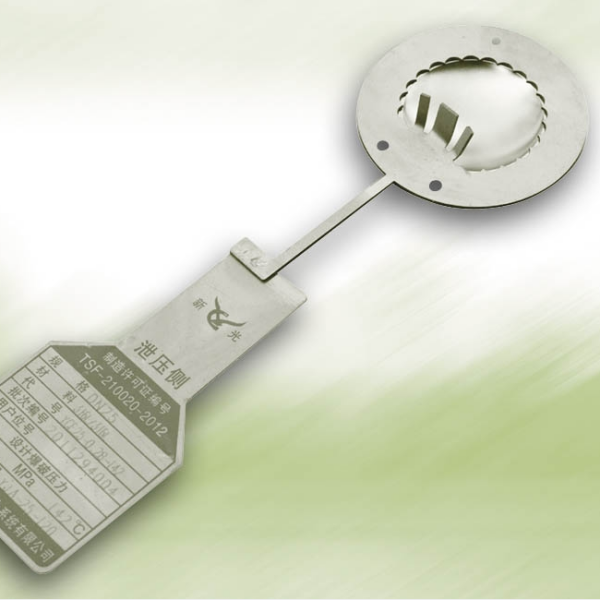
High-pressure rupture discs—also known as rupture discs or explosion-proof discs—are non-reclosing safety relief devices designed to protect pressure vessels, pipelines, and systems from overpressure damage. When system pressure exceeds a preset limit, the disc ruptures instantly to release pressure. These devices are widely used in industries such as petrochemical, pharmaceutical, metallurgy, power generation.
Because a pressure burst disc plays a direct role in system safety and operational reliability, selecting the right product is critical. All key parameters must match the actual operating conditions. Improper selection can lead to premature rupture, insufficient pressure relief, or fatigue failure.
Burst Pressure:
Burst pressure is the core parameter of a rupture disc. It refers to the pressure at which the disc will rupture at a specified temperature. When purchasing, the marked burst pressure, manufacturing range, and allowable tolerance should be clearly defined.
It is also important to consider the ratio between the system’s maximum operating pressure and the disc’s minimum burst pressure. A higher ratio generally indicates better fatigue resistance and longer service life.
Note: If the burst pressure is set too high, the equipment may not be adequately protected. If it is too low, frequent ruptures can disrupt continuous operation.
Temperature Range:
Material strength changes with temperature, and higher temperatures usually reduce the actual burst pressure. The disc’s performance should be evaluated under normal operating temperature, maximum and minimum temperatures, and possible temperature fluctuations.
For systems with thermal cycling, temperature effects are especially important for a pressure burst disc, as mismatch can reduce accuracy and reliability.
Note: Incompatible temperature ratings can significantly affect burst performance.
Material Selection:
Rupture disc materials must resist corrosion, withstand fatigue, and maintain stable burst characteristics. Common materials include stainless steel, nickel-based alloys, and titanium alloys. Composite materials may be used for special conditions.
For corrosive, toxic, or flammable media, material compatibility must be carefully verified.
Note: Material incompatibility with the process medium is one of the most common causes of premature failure.
Size and Relief Area:
The disc diameter must match the vessel or pipeline connection. More importantly, the effective relief area must meet the system’s required discharge capacity to ensure rapid and sufficient pressure release during an overpressure event.
Note: Insufficient size or relief area can seriously compromise protection performance.
Disc Type and Installation:
Common rupture disc designs include forward-acting (positive), reverse-acting, and flat types. Each design suits different pressure ranges and operating conditions.
Installation options include holder-type assemblies or flange-mounted designs. Additional considerations include vacuum support, back pressure resistance, reverse buckling protection, and whether a non-fragmenting design is required—especially critical for toxic or flammable services.
Note: Disc design and installation must match the existing system to avoid unnecessary modifications and added costs.
Purchasing Recommendations:
Before purchasing, prepare a complete set of operating parameters and communicate them clearly with a qualified manufacturer. Working with an experienced supplier that holds recognized certifications and participates in relevant standards development helps ensure product quality, compliance, and long-term reliability.
Shenyang Xinguang Aerospace Safety Systems Co., Ltd. is a specialized manufacturer of rupture disc safety devices, covering design, manufacturing, sales, and technical service. With more than 60 years of industry experience, we are certified to both CE and ASME UD standards.
We supply a full range of pressure burst disc, including forward-acting, reverse-acting, and flat types, with a wide selection of materials to meet different operating conditions. Our products are widely used in petrochemical, pharmaceutical, and other demanding industries.
We are committed to providing reliable safety solutions and professional technical support. We welcome procurement professionals to contact us for technical discussions and cooperation, helping ensure safe and efficient operation of your systems.
