
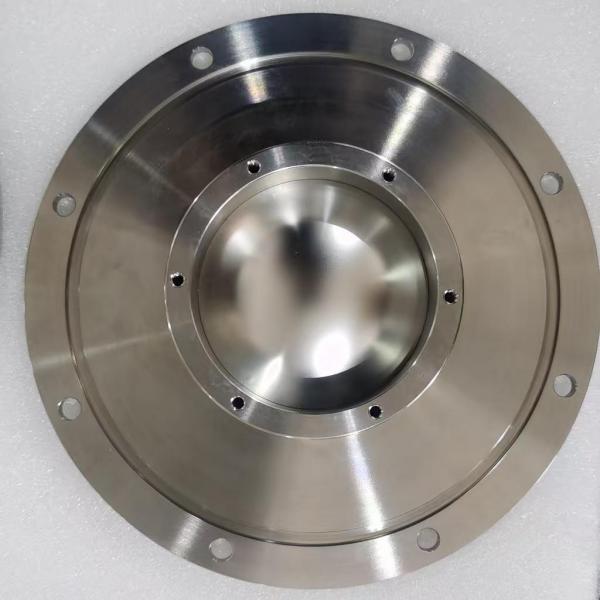
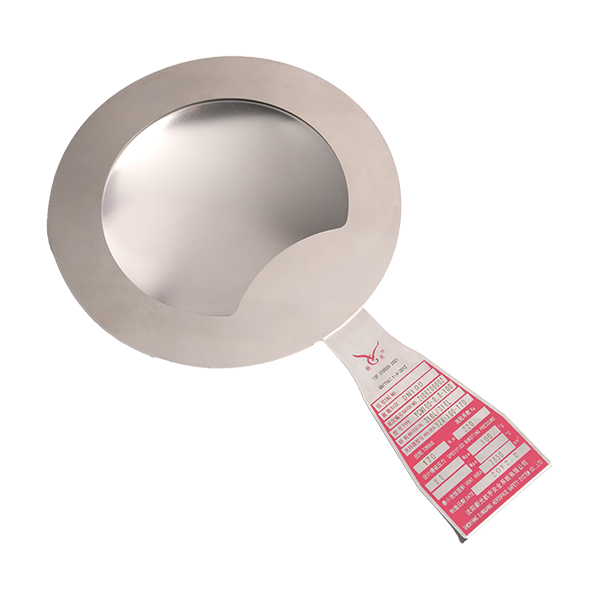
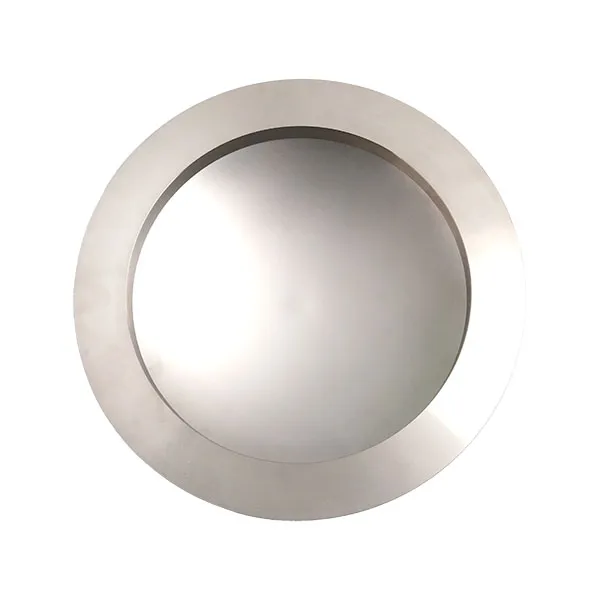
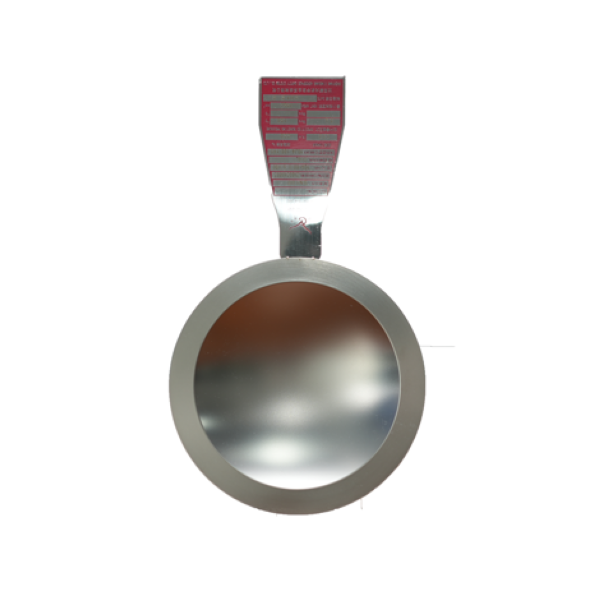
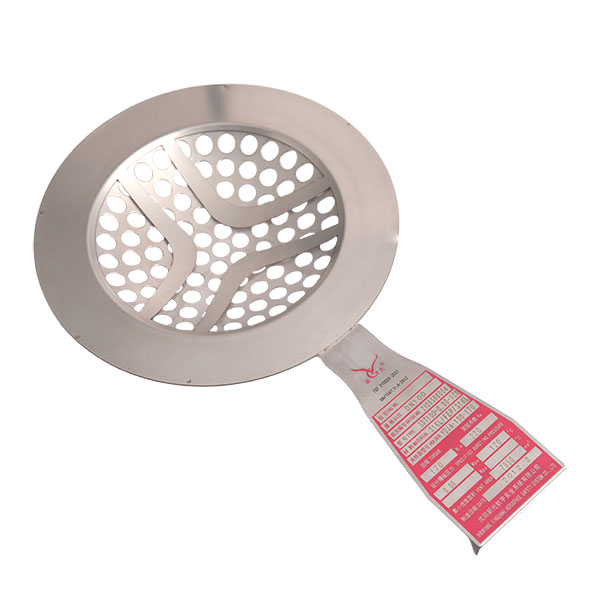
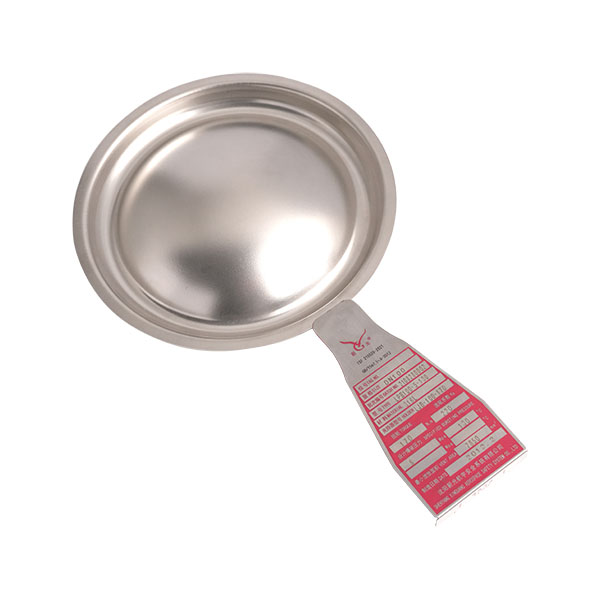
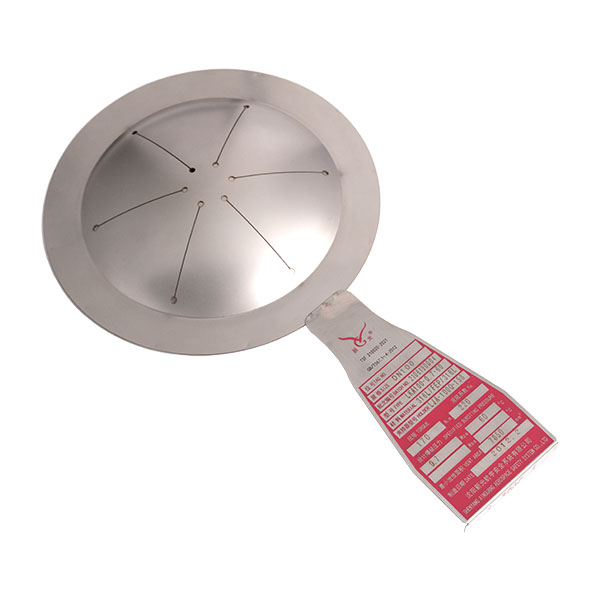
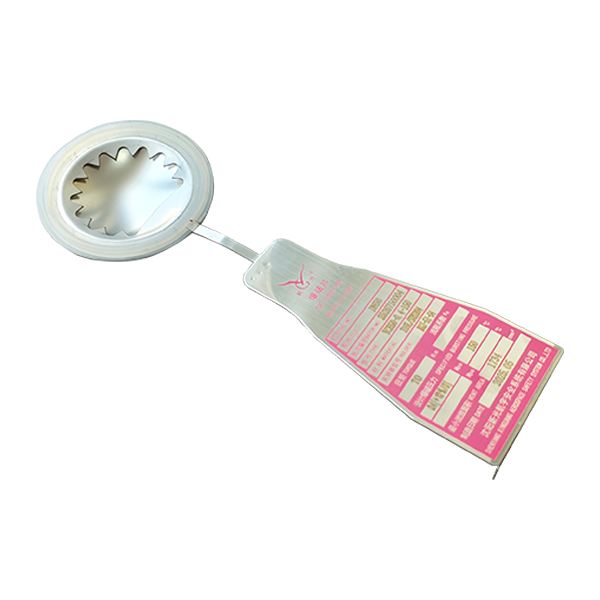
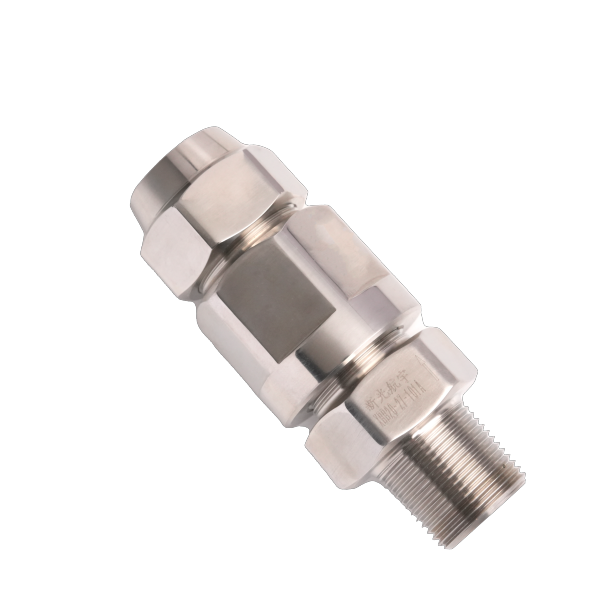
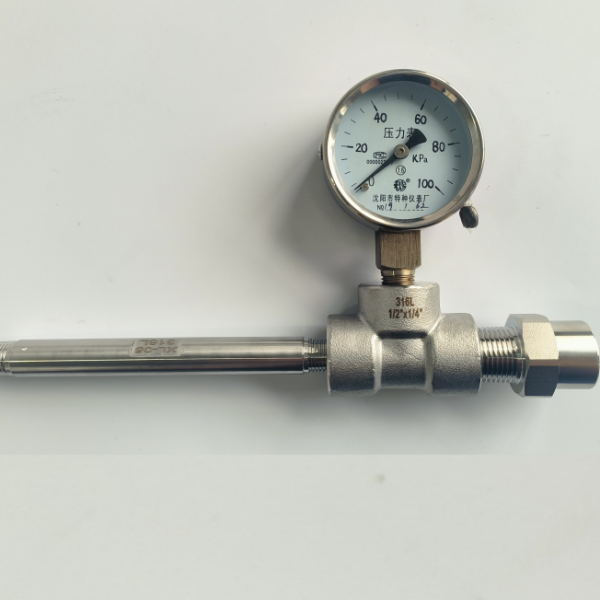
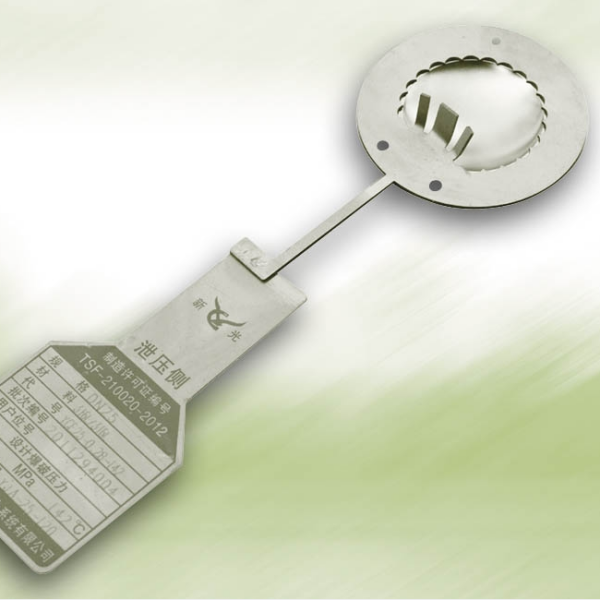
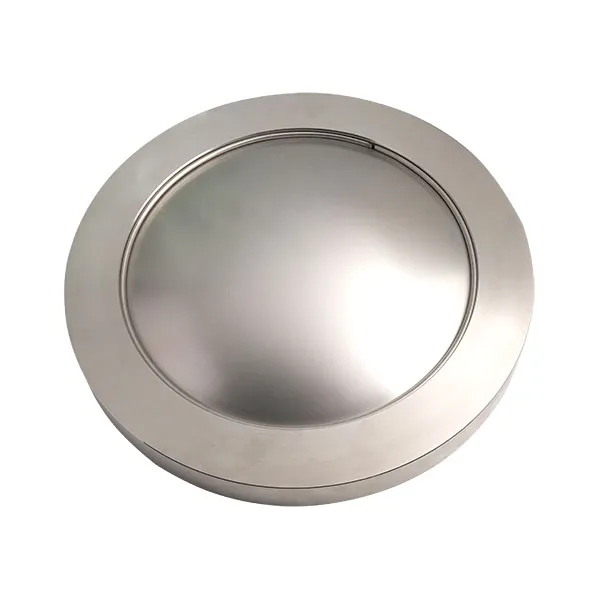
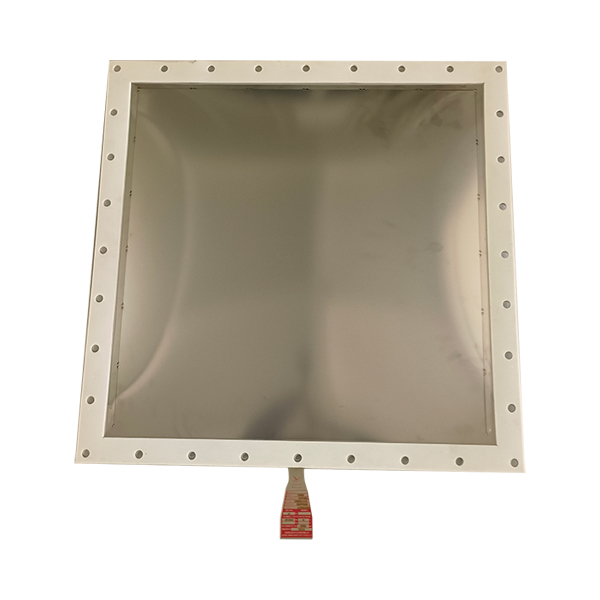
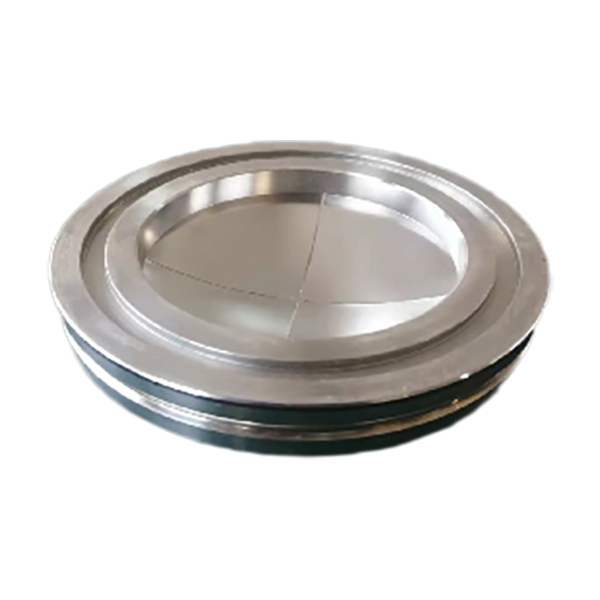
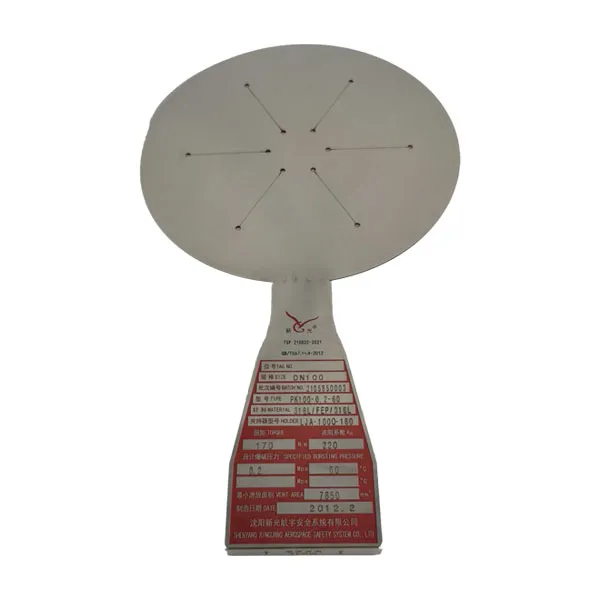
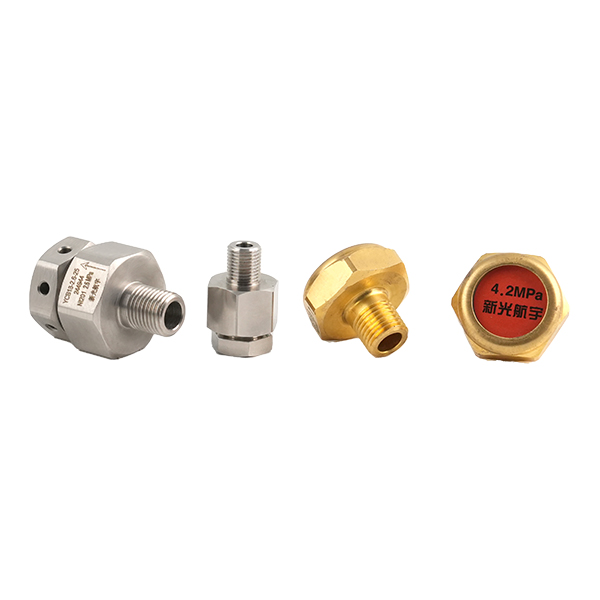
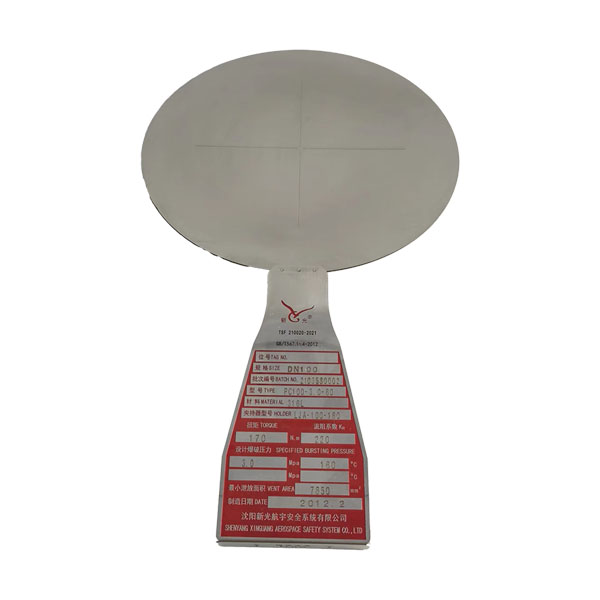
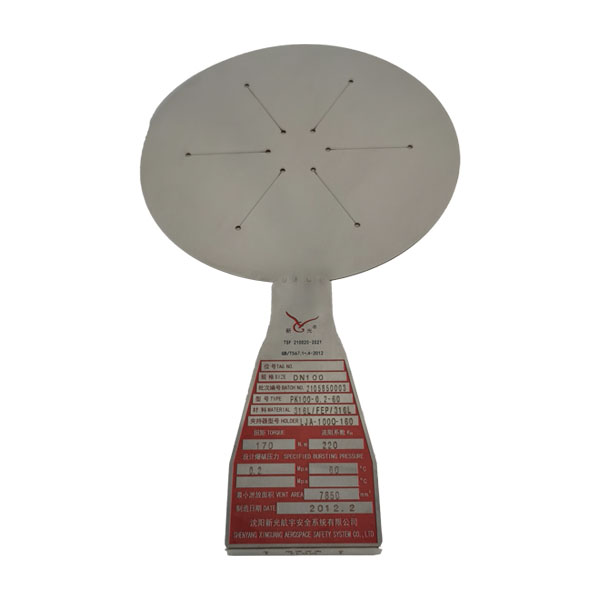
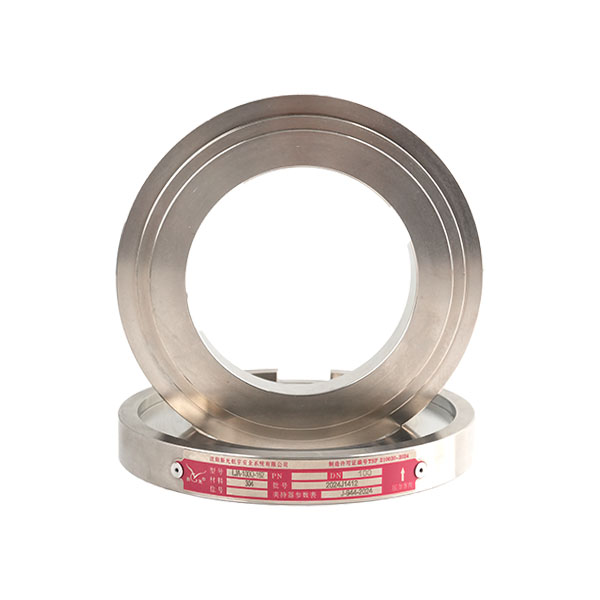
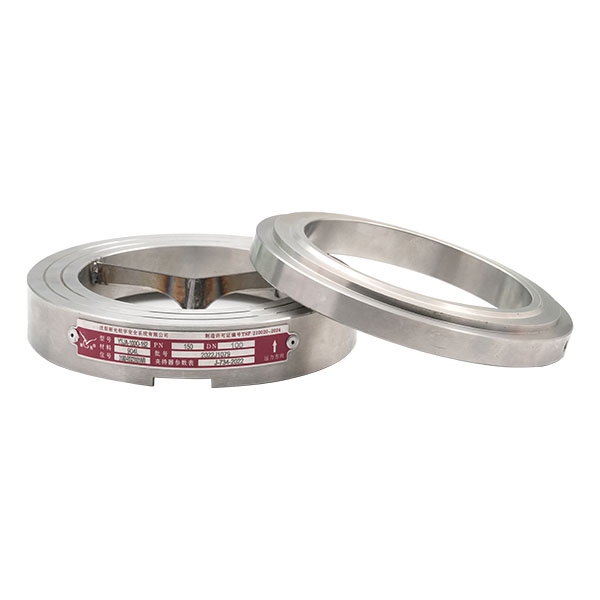
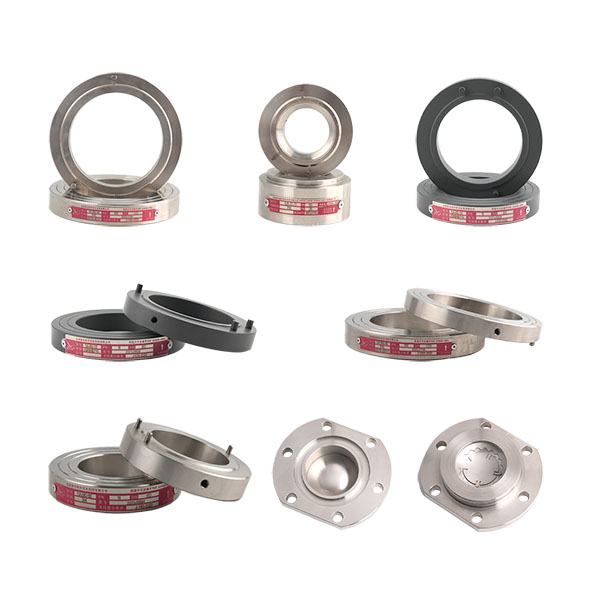
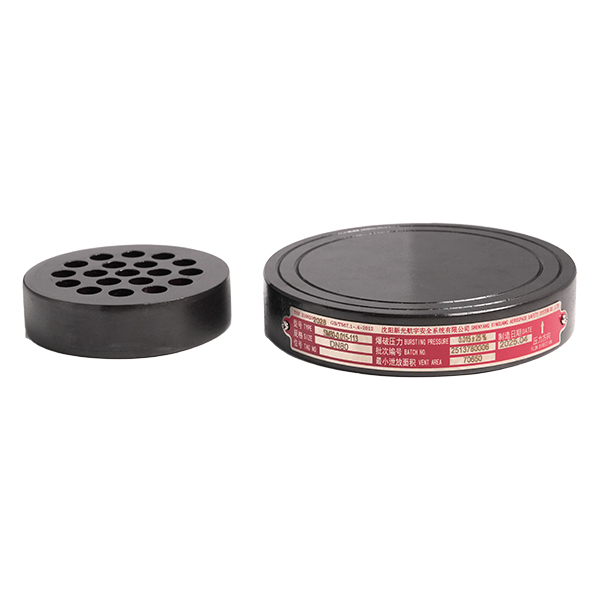
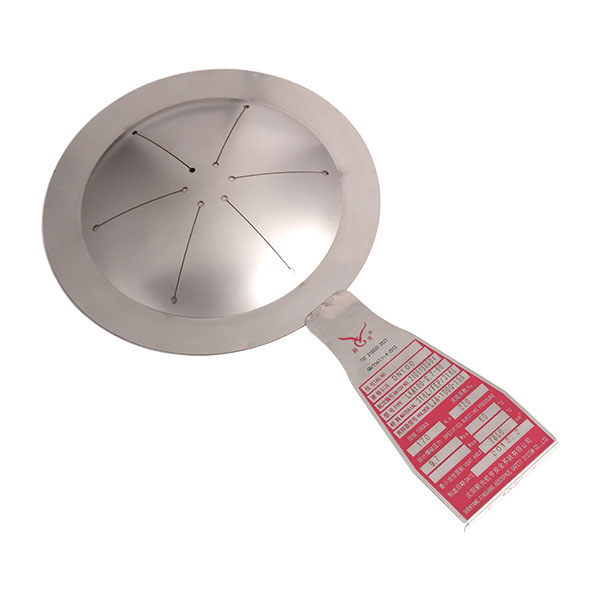
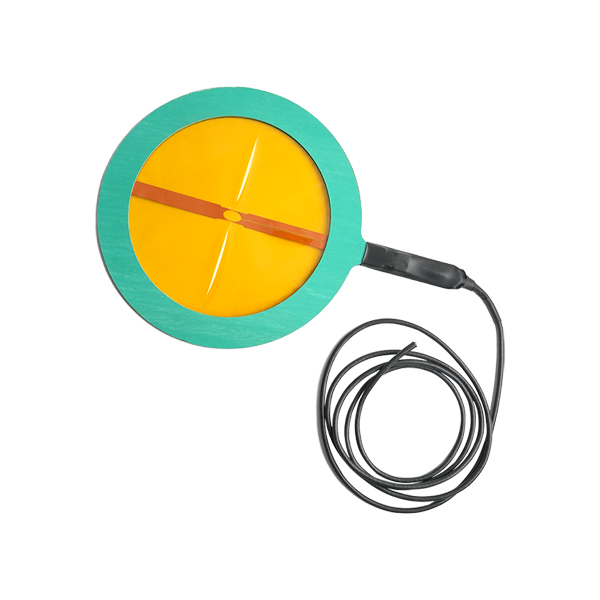
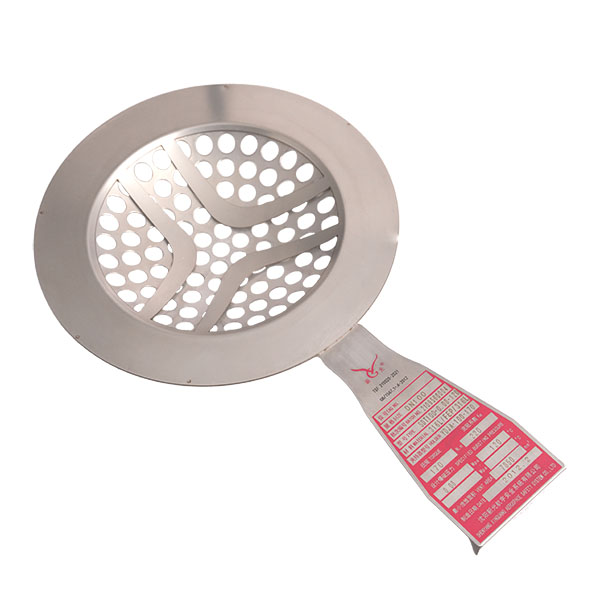
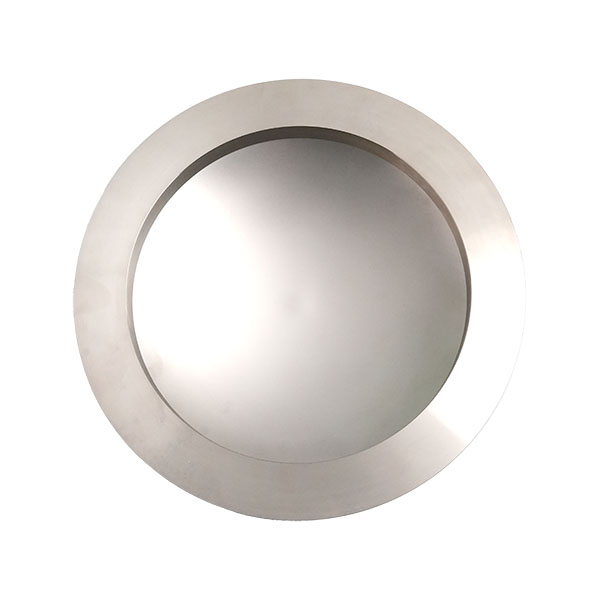
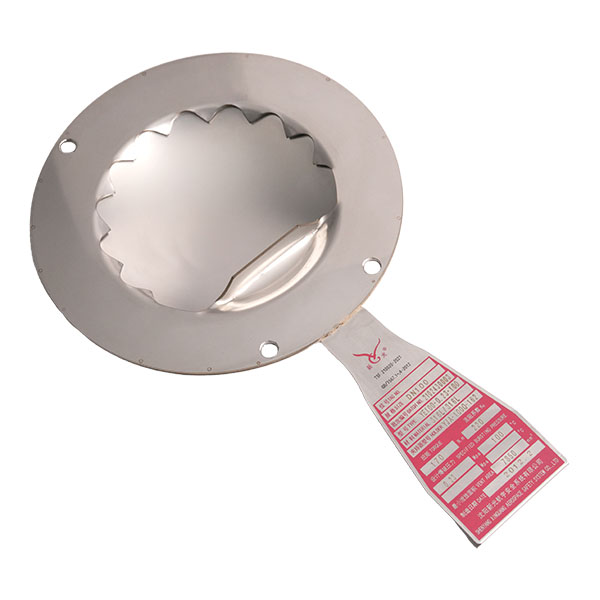
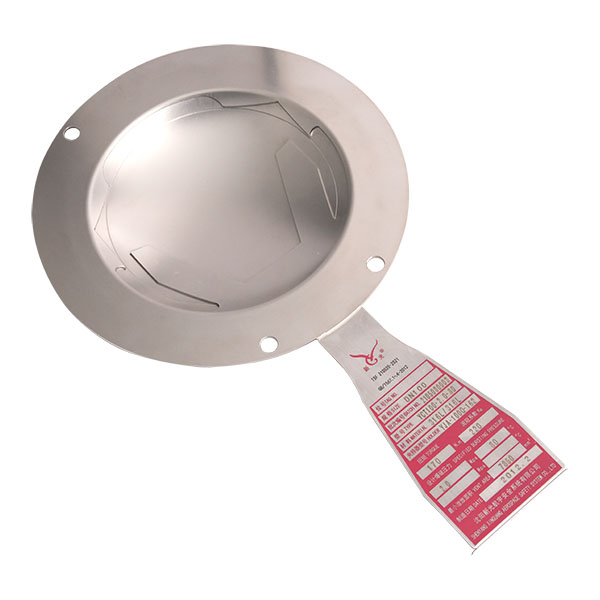
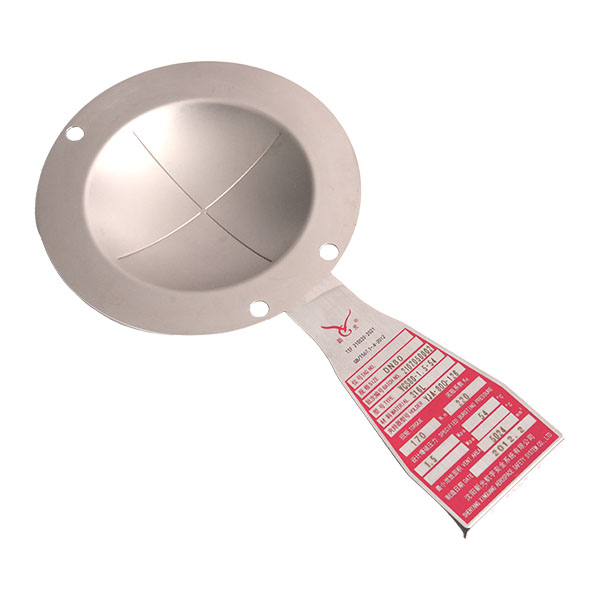
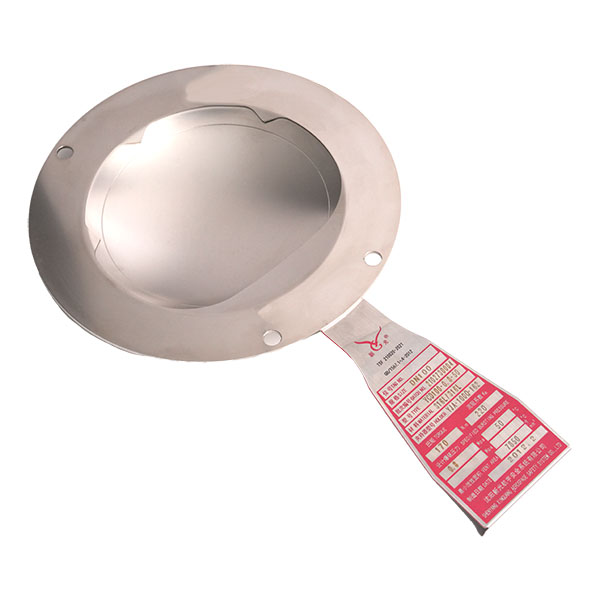
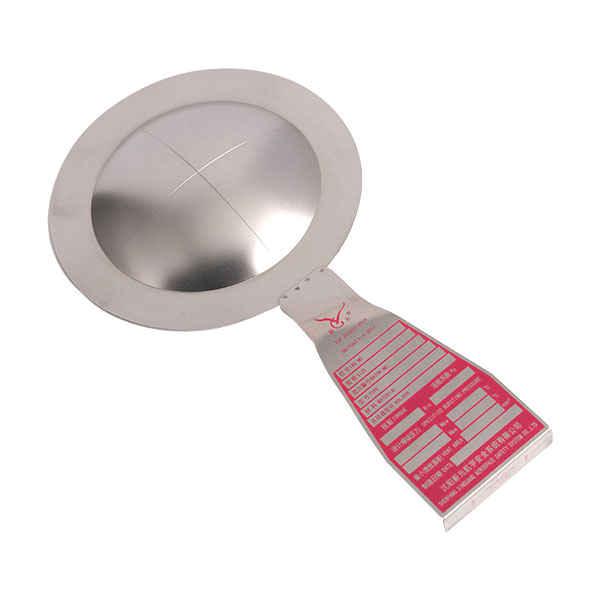
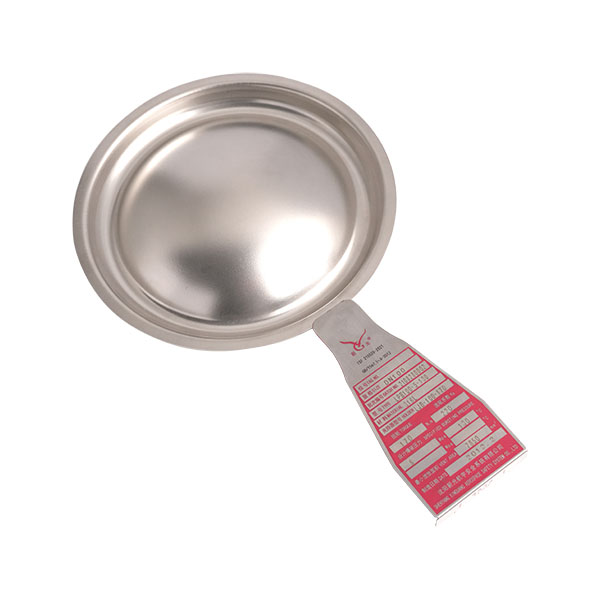
Rupture discs and safety valves are both process safety protection devices used in pressure vessels or pipelines. A safety valve is like a 'city gate'; it opens to release pressure when the pressure is too high and automatically closes once the pressure returns to normal. A rupture disc, on the other hand, is like a 'city wall'; once the pressure exceeds the limit, it ruptures to relieve pressure and cannot automatically reset. Their characteristics and application scenarios are significantly different, and the following will help you understand them.
Comparison between safety valves and burst discs.
Below is an analysis of their differences through a detailed comparison table:
Safety valve | Rupture disc | |
Working Principle | The valve disc is pressed closed by loads such as spring force. When the medium pressure exceeds the spring force, the valve disc opens to release pressure; after the pressure returns to normal, the spring force automatically closes it. | The weak component, precisely calculated, deforms plastically or shears and ruptures under the rated pressure, opening the release channel. |
Service life | Can be switched repeatedly, but performance will degrade after multiple times. | For single use; must be replaced after rupture. |
Sealing performance | Relatively sealed. There is a sealing surface between the valve disc and the valve seat, and there may be a slight leakage when closed. | Absolutely sealed. The metal diaphragm can provide excellent sealing performance, with no leakage. |
response speed and emission capacity | The response is relatively slow (there are opening height and process), and the emission capacity is limited by the structure and opening height. | Fast action, large discharge area, high discharge capacity. |
Media adaptability | Weak. Easily blocked, stuck, or corroded by viscous, corrosive, or particulate media, leading to valve failure. | Strong. Special materials (such as Hastelloy, graphite, etc.) can be selected to handle media that are high in viscosity, prone to crystallization, highly corrosive, or contain particulates. |
Structural complexity | The structure is complex, consisting of multiple precise components such as the valve body, valve plate, spring, and adjustment mechanism. | Simple structure, no moving parts. |
Cost | Initial costs and maintenance costs are high, but it is reusable, and long-term operating costs may be lower. | The initial cost is low, but there is a replacement cost after each action. |
After the above comparison, you will find that once the safety valve is installed in place, the installation of the rupture disc should not be ignored either. If the rupture disc is installed incorrectly, improperly selected, or the spacing between it and the safety valve is wrong, it may not rupture to relieve pressure in a timely and accurate manner once the system overpressurizes, potentially causing even greater safety hazards.
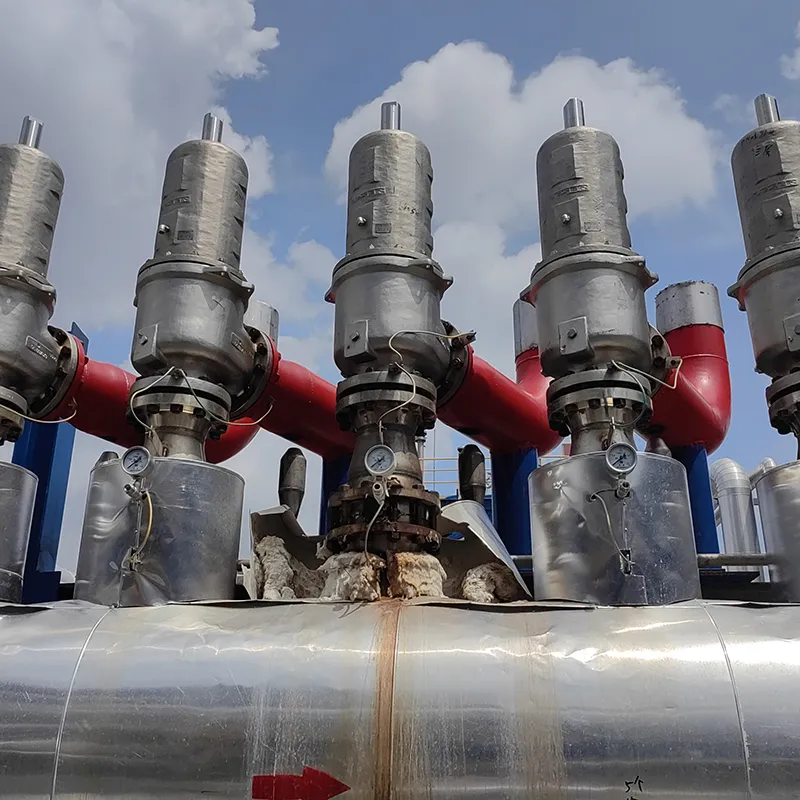
Why can't we rely on the safety valve alone?
According to GB150 'Pressure Vessels', all pressure vessels that may experience overpressure during operation must be equipped with overpressure relief devices. Therefore, installing rupture discs is of utmost importance in chemical, metallurgical, nuclear power, firefighting, aviation, and other fields. Correctly installing rupture discs and ensuring they function properly to provide 'active pressure relief' is the only way to allow safety valves and rupture discs to truly form a 'double insurance' system.
1. Provides the final physical defense.
Safety valves may fail due to jamming, leakage, spring corrosion, and other reasons. A rupture disk has no moving parts and relies on the thickness and material of its diaphragm to precisely control the burst pressure. When the pressure instantaneously exceeds the limit, it will actively rupture 100% to relieve pressure, serving as the system’s final and reliable safeguard in the physical sense.
2. Protects the safety valve and extends its lifespan.
In corrosive, crystallizing, particulate-laden, or high-viscosity media, direct contact with the media can easily damage, clog, or cause failure of the safety valve. Installing a rupture disk can isolate the hazardous medium, allowing the safety valve to only contact clean pressure signals, significantly reducing maintenance and replacement frequency, and saving equipment costs.
3. Achieves sealing and reduces emissions.
No matter how precisely the valve core and seat of a safety valve are machined, there is theoretically always some minor leakage (especially for gases). A rupture disk, being a single dense metal or composite diaphragm, can achieve absolute sealing. For highly toxic, strongly corrosive, expensive, or strictly environmentally regulated media, long-term zero-leak operation can only be achieved with a rupture disk.
4. Extremely fast response.
A safety valve requires pressure to overcome spring force to open, resulting in a delay from milliseconds to seconds. Once a rupture disk reaches its set pressure, the diaphragm almost instantaneously (in microseconds) fully opens, providing the maximum release area. For rapidly rising pressures due to explosions, runaway chemical reactions, or similar conditions, a safety valve is simply too slow, and only a rupture disk can protect equipment and personnel.
5. Strong adaptability, compensates for safety valve shortcomings.
In environments such as high temperature (above 500℃), low temperature (cryogenic), high vacuum, high viscosity, or prone to polymerization, the springs, seals, and operating mechanisms of safety valves may fail. The simple structure and selectable materials (e.g., graphite, tantalum, Hastelloy, etc.) of a rupture disk allow it to reliably operate under conditions where safety valves cannot.
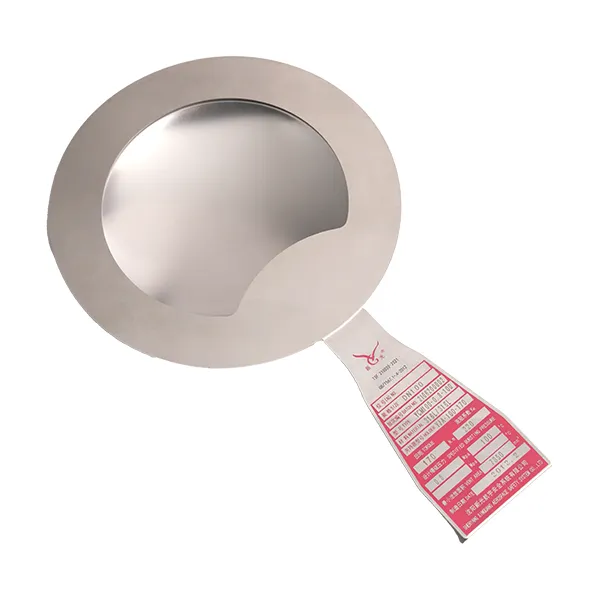
Safety valves and rupture discs differ in principle, performance, response speed, and applicable media; they are not mutually interchangeable but functionally complementary. Correct installation of rupture discs effectively compensates for the shortcomings of safety valves, creating the dual pressure relief protection mechanism required by GB/T 567 and TSG 21. If you need to know about the selection and installation of rupture discs, you are welcome to consult us.
