
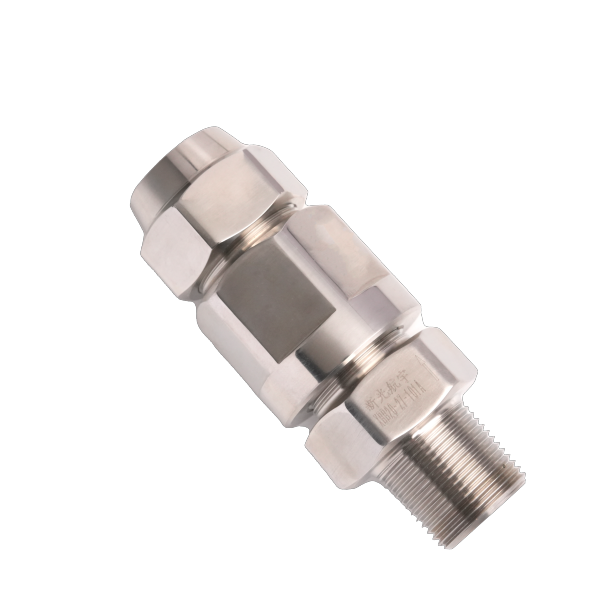
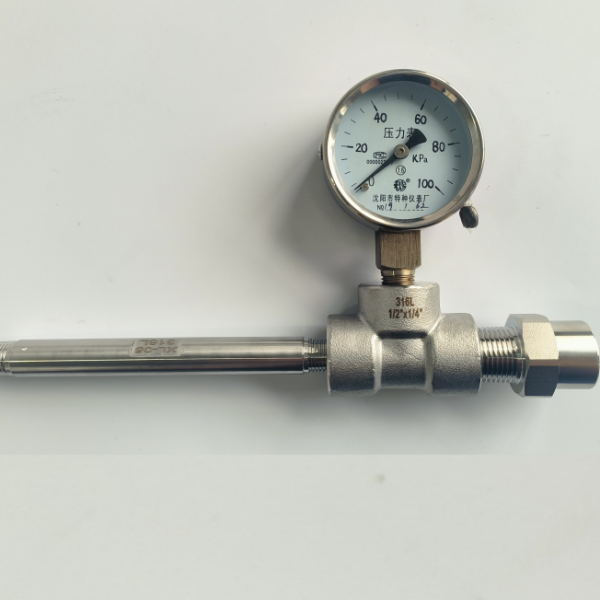
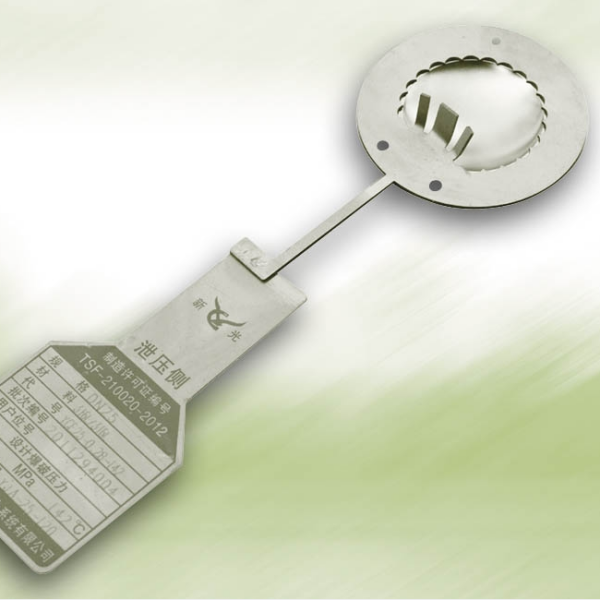
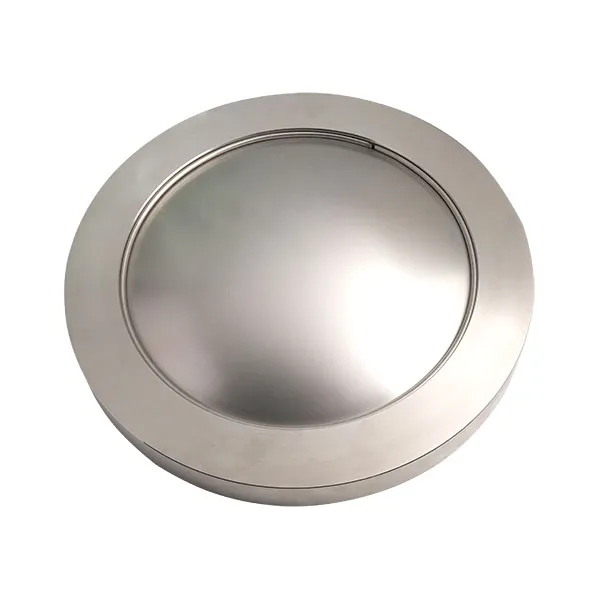
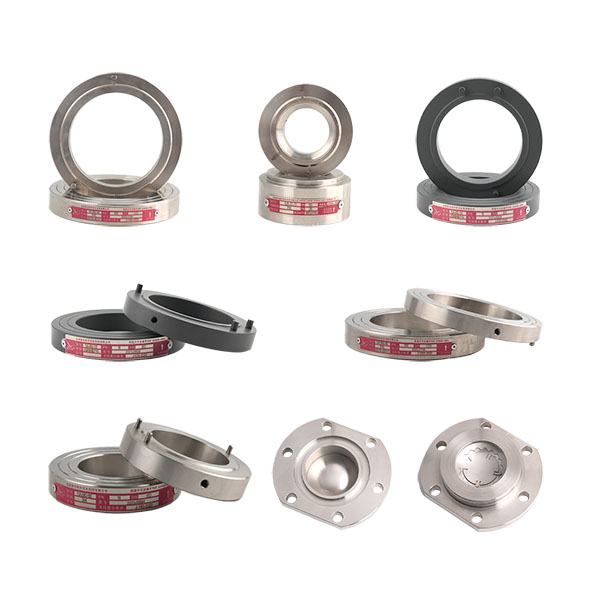
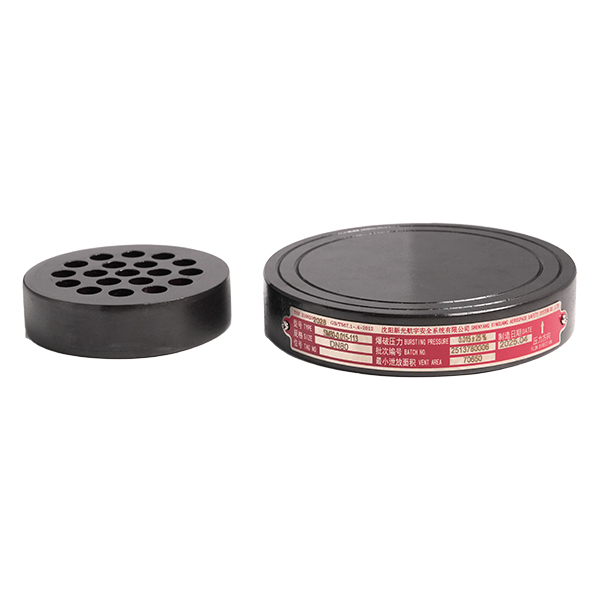
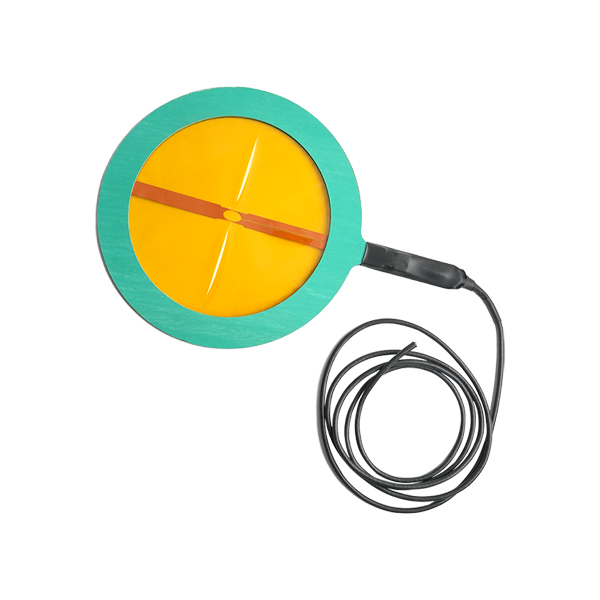
In the world of industrial safety, precision is paramount. When dealing with systems that operate at minimal pressures, standard relief devices often lack the sensitivity required to prevent catastrophic failures. This is where low pressure rupture discs (also known as bursting discs) become indispensable.
Designed to provide instantaneous pressure relief at extremely low settings—often in the millibar (mbar) or low PSI range—these devices protect everything from massive storage tanks to delicate pharmaceutical vessels. This guide explores the technology, applications, and strategic benefits of implementing low pressure rupture discs in your infrastructure.
What is a Low Pressure Rupture Disc?
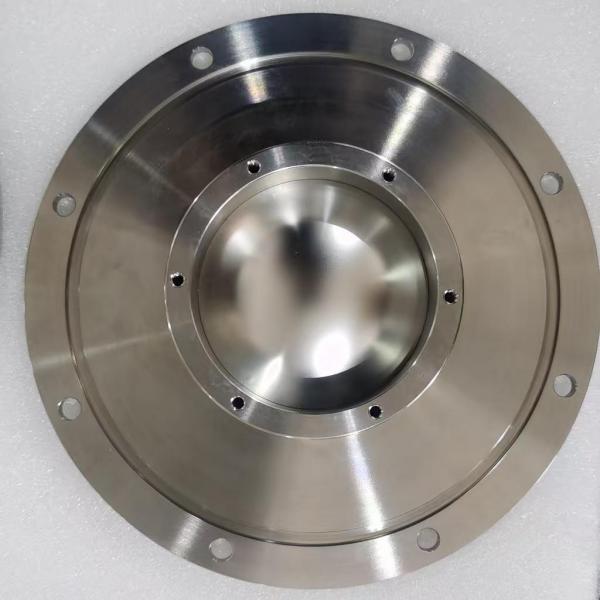
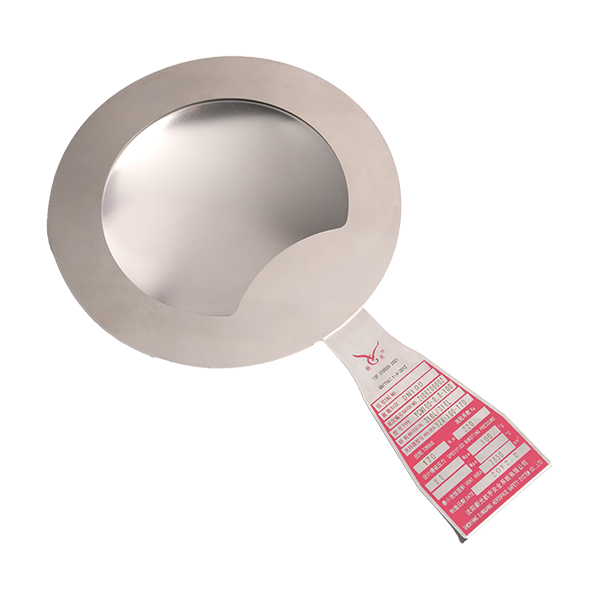
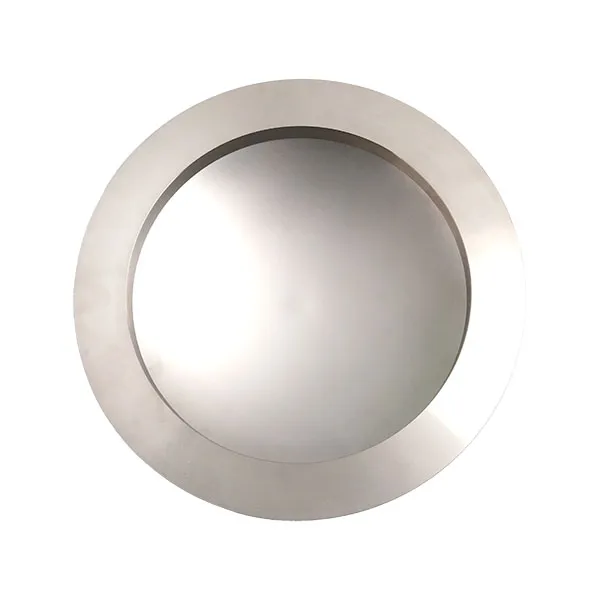
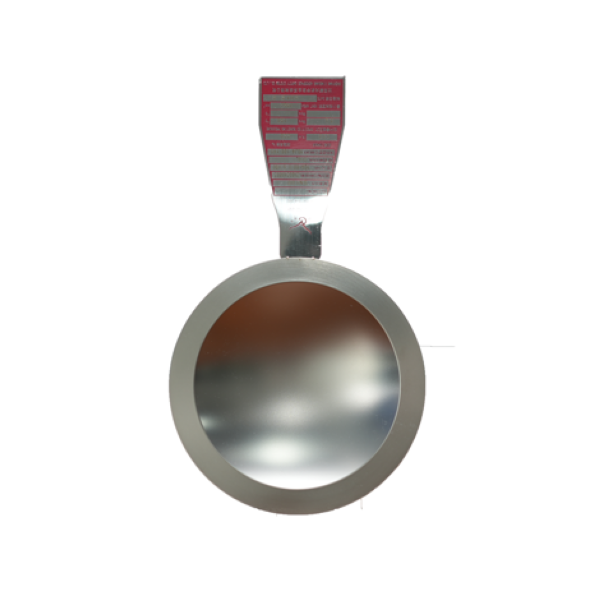
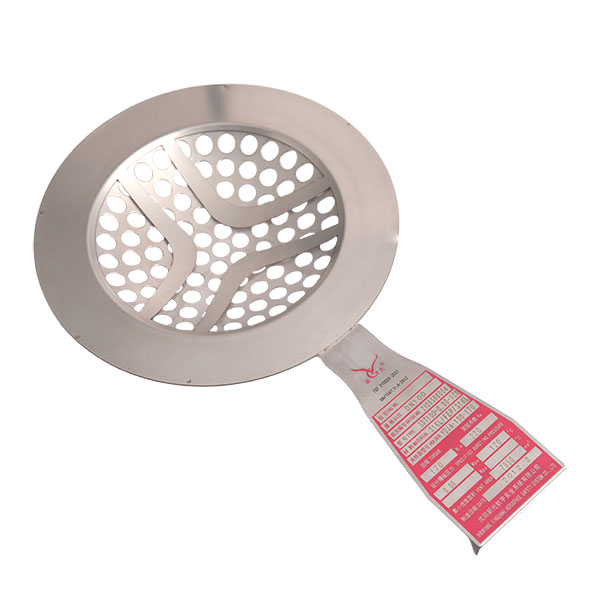
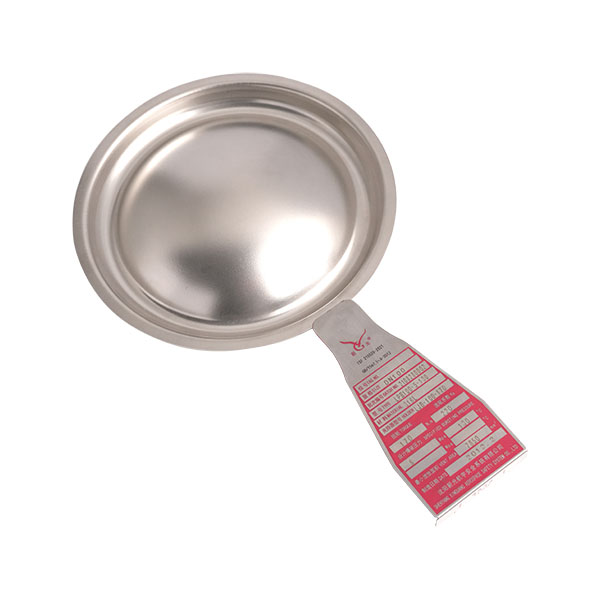
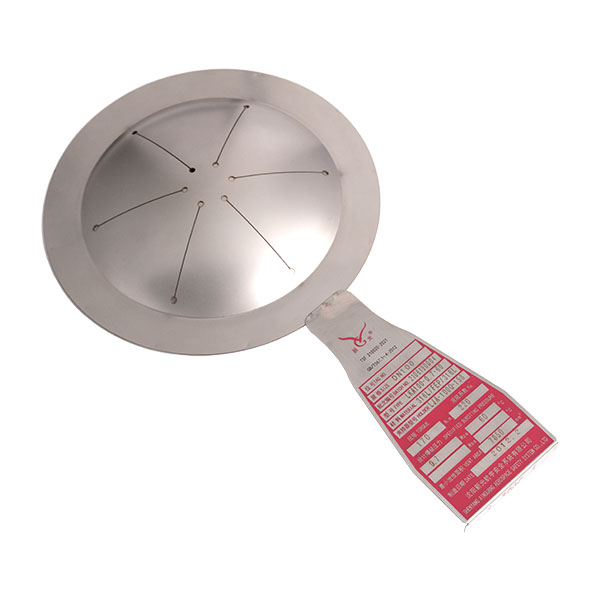
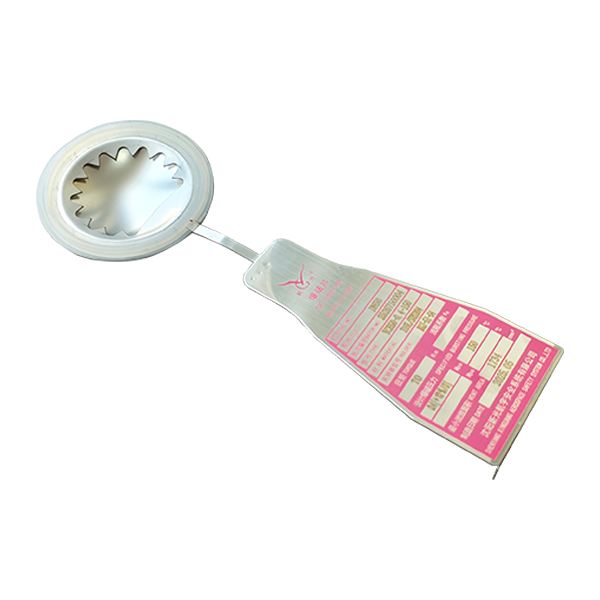
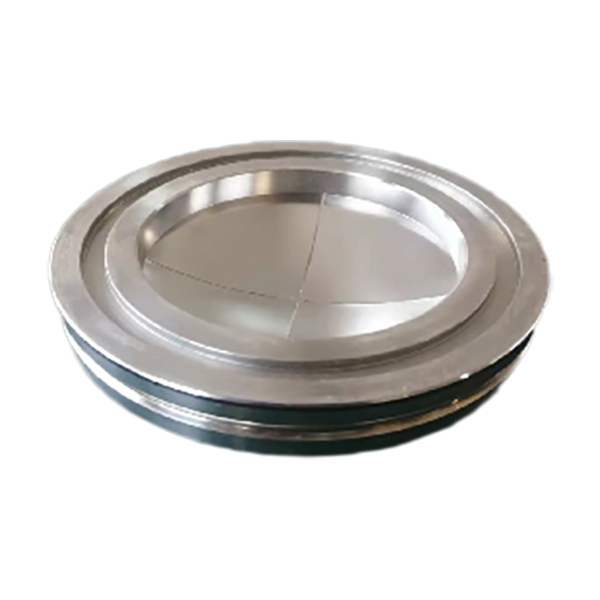
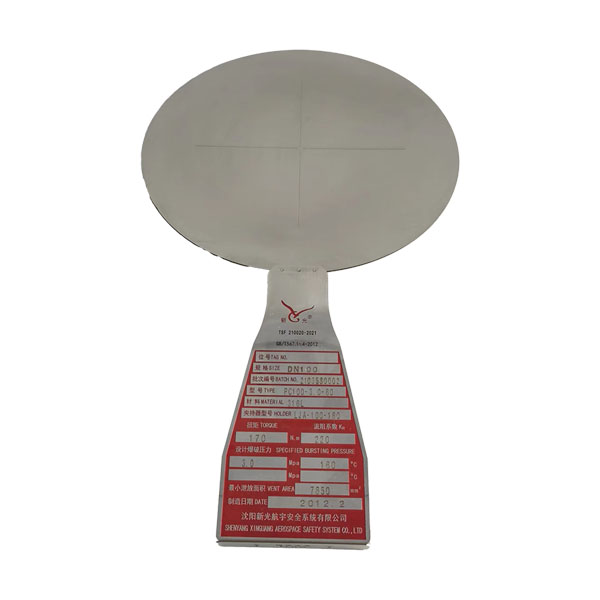
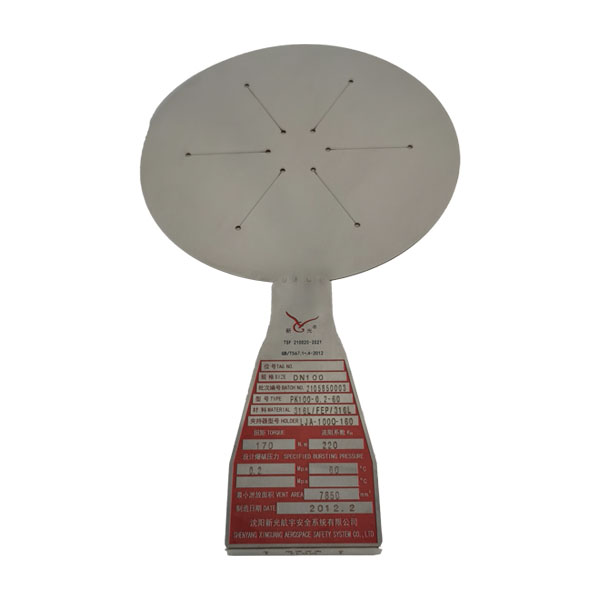
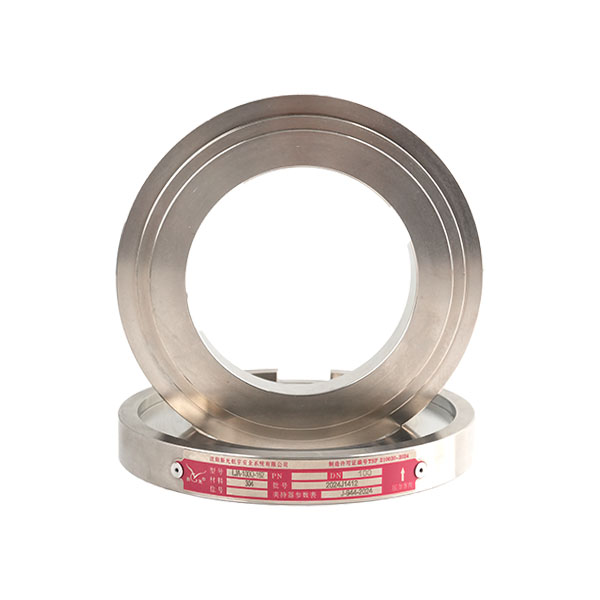
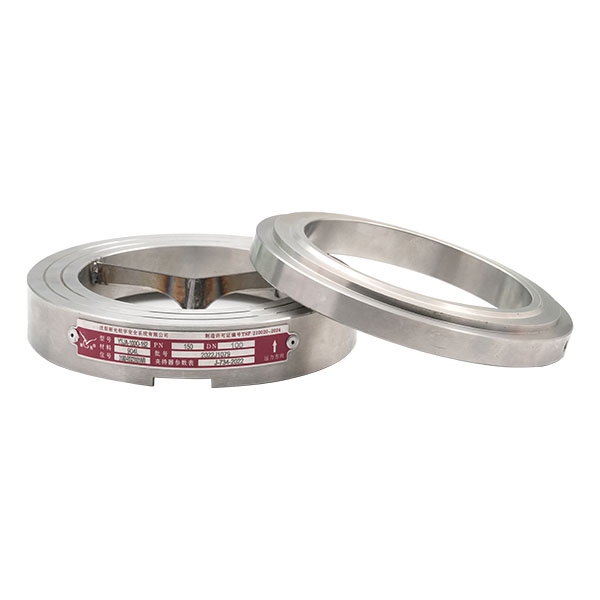
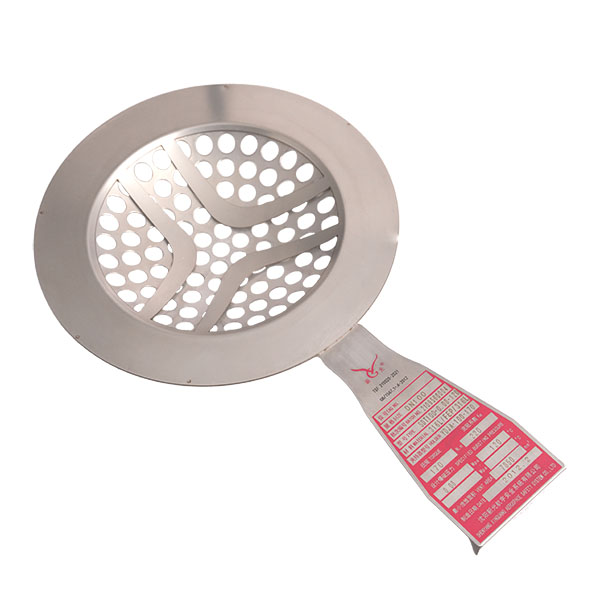
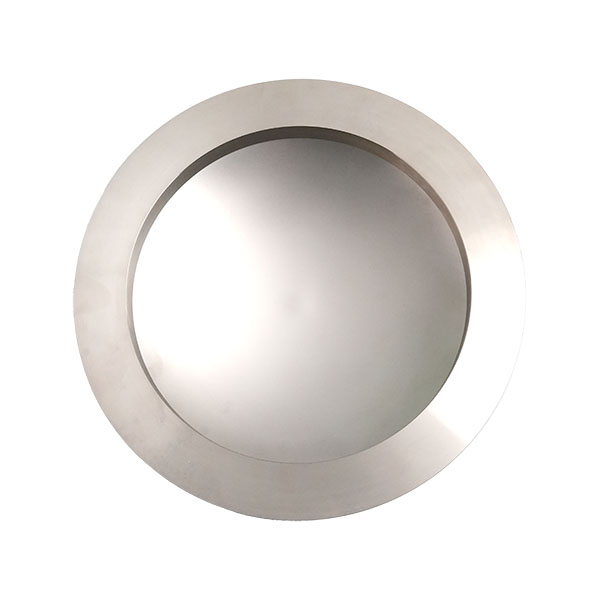
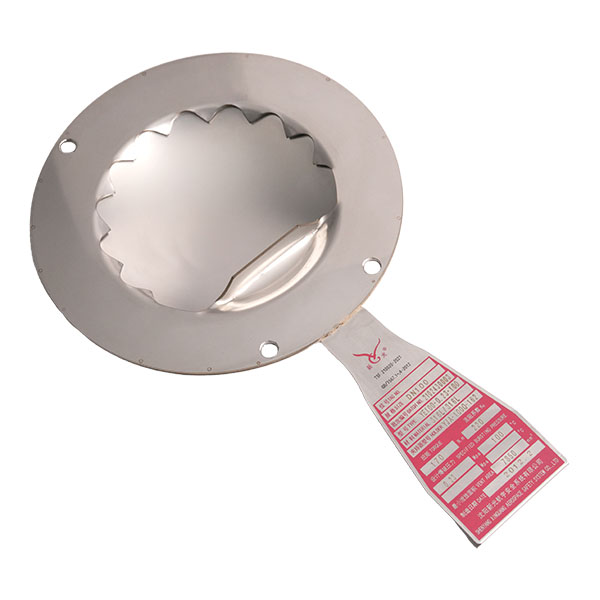
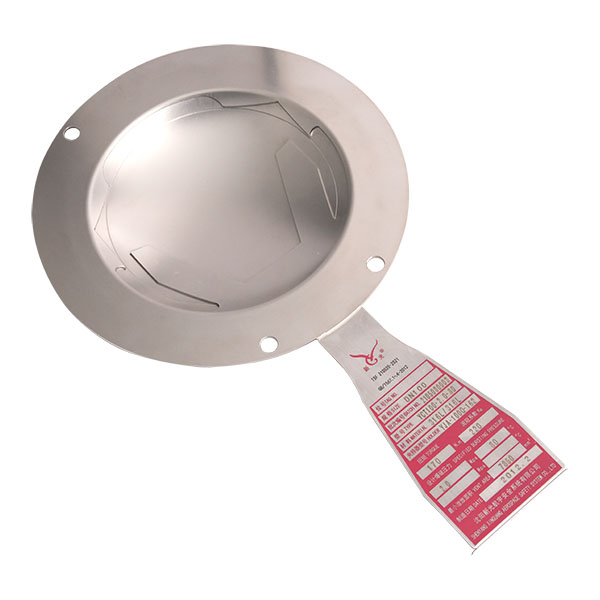
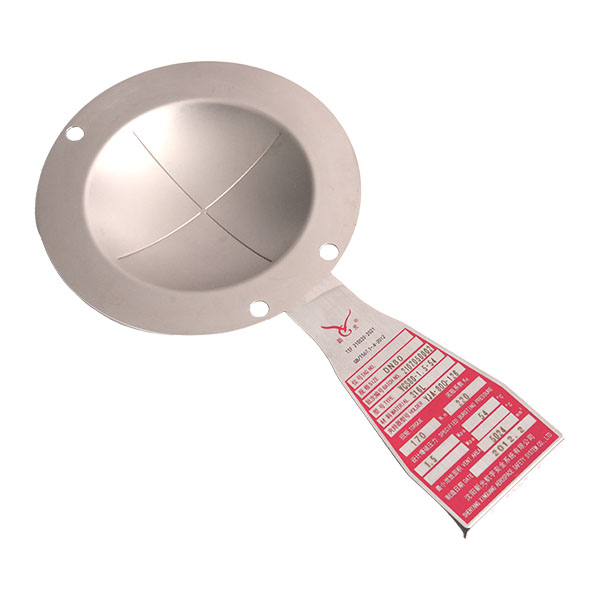
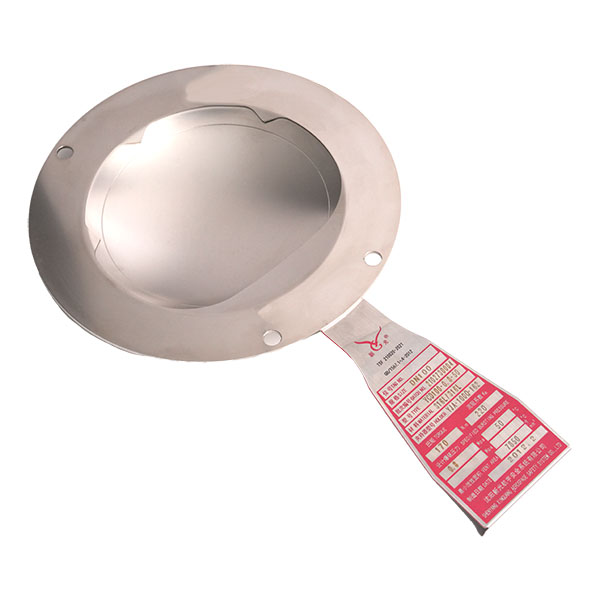
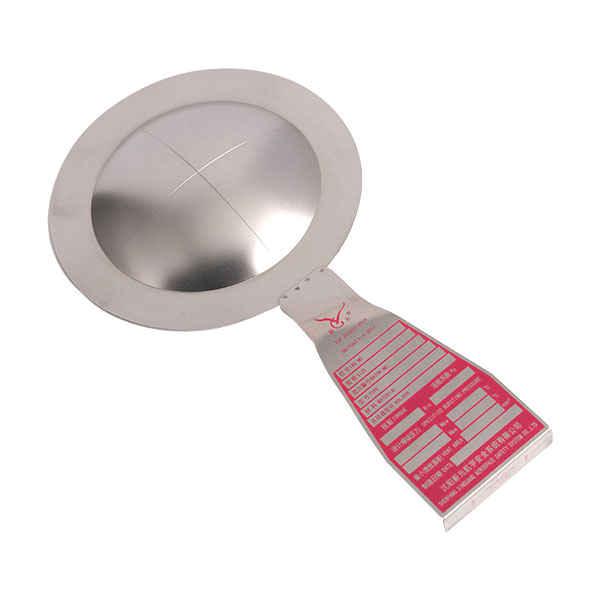
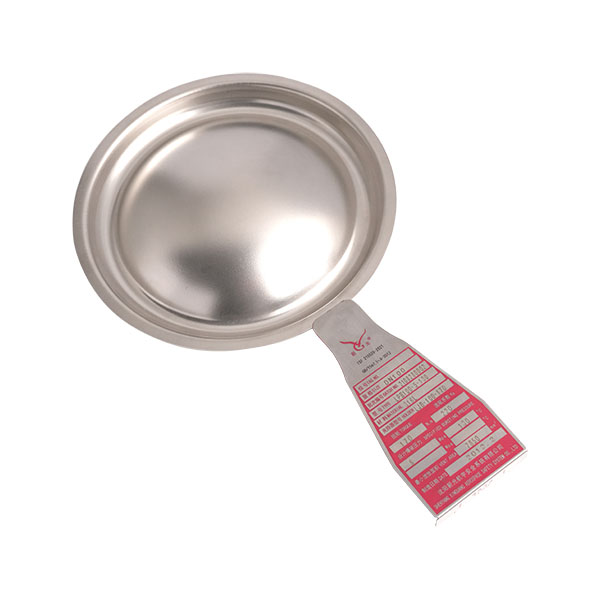
A low pressure rupture disc is a non-reclosing, one-time-use safety device designed to burst at a predetermined differential pressure. Unlike high-pressure discs that rely on the tensile strength of thick metals, low pressure versions are engineered with sophisticated designs—such as composite layers or specialized "buckling" mechanisms—to ensure accuracy even when the "push" is minimal.
How It Works:
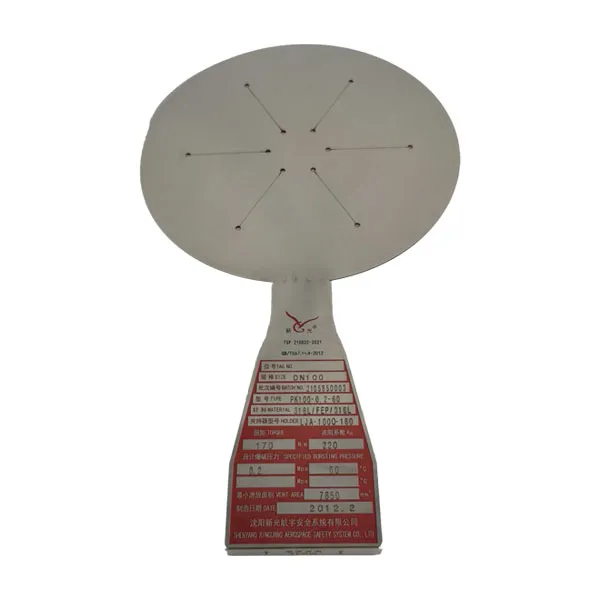
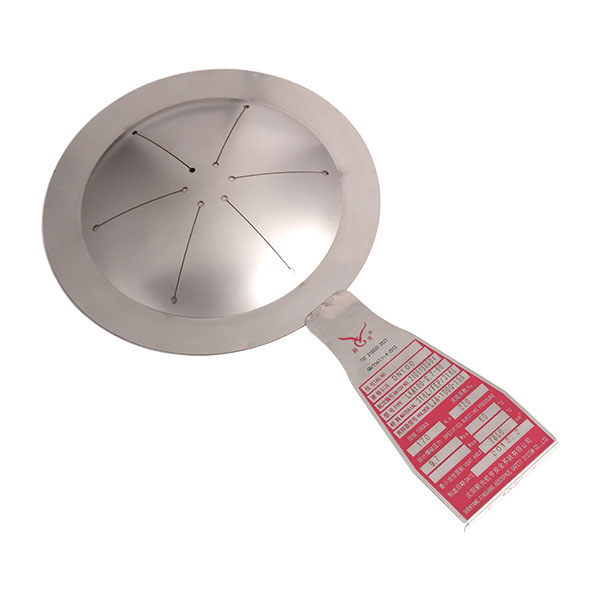
Most modern low-pressure discs utilize a Reverse Buckling or Composite design. In a reverse buckling setup, the disc is domed toward the pressure source. When the pressure reaches the set limit, the dome collapses (buckles) and is driven against a cutting structure or a pre-scored line, opening fully in milliseconds. This design is highly resistant to fatigue and can handle operating pressures up to 90-95% of its burst pressure.
Key Technical Features.
Burst Pressure Range: Typically from as low as 0.1 PSI (7 mbar) up to 15 PSI (1 bar).
Material Diversity: Options include 316 Stainless Steel, Hastelloy, Monel, and fluoropolymer (PTFE) liners for extreme corrosion resistance.
Precision Tolerances: Specialized manufacturing allows for burst tolerances as tight as +/- 5%.
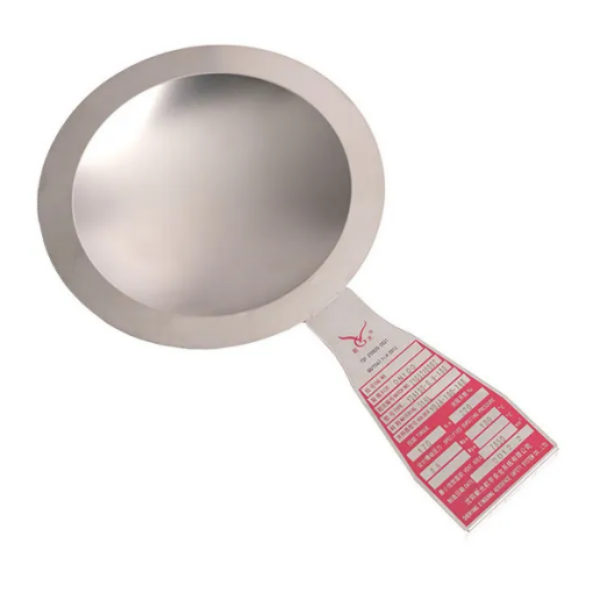
Critical Applications for Low Pressure Rupture Discs:
Low pressure environments are more common than many realize, particularly in industries where "atmospheric" storage is standard.
1. Storage Tank Protection (Vacuum & Overpressure):
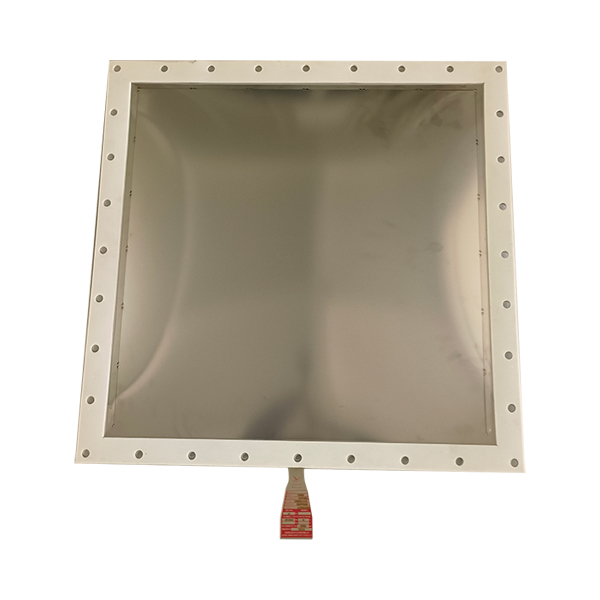
Large storage tanks are surprisingly fragile. A slight overpressure can cause a tank to rupture, while a small vacuum (created during liquid pump-out or sudden cooling) can cause it to implode. Low pressure rupture discs provide "two-way" protection in bi-directional models, safeguarding against both scenarios with a single device.
2. Chemical and Pharmaceutical Processing:
In reactors where volatile chemicals or sensitive biological agents are handled, maintaining a narrow pressure window is critical. Low pressure discs ensure that if a reaction runs away or a vent blocks, the system is relieved before the vessel’s structural integrity is compromised.
3. Waste Treatment and Biogas:
Biogas digesters operate at very low pressures. The accumulation of methane and CO2 must be carefully managed. Rupture discs in these systems act as a final "fail-safe" if the primary pressure control valves fail.
Benefits of Choosing Low Pressure Rupture Discs:
Why choose a rupture disc over a traditional Safety Relief Valve (SRV) for low-pressure applications?
Quick Comparison: Rupture Discs vs. Safety Relief Valves (SRV).
Feature | Rupture Disc | Safety Relief Valve (SRV) |
Initial Cost | Low to Moderate | High |
Maintenance | Minimal (Replace after burst) | High (Periodic testing & lapping) |
Leak-Tightness | Excellent (Bubble-tight seal) | Prone to "simmering" or leakage |
Response Time | Instantaneous (<2-5 milliseconds) | Slower (Mechanical inertia) |
Re-usability | Non-reclosing (One-time use) | Re-closing (Automatic reseating) |
Corrosion Resistance | Excellent (Easy to use exotic alloys) | Expensive (Internal parts need protection) |
Solids/Slurries | Handles well (No clogging parts) | Prone to sticking or blockage |
Solids/Slurries | Compact and lightweight | Bulky and heavy |
Precision and Reliability:
With no moving parts to stick or corrode, a rupture disc provides a "leak-tight" seal until the moment it bursts. This is critical for preventing the "simmering" or "leakage" often found in low-pressure spring-loaded valves.
Cost-Effectiveness:
Rupture discs generally have a lower initial purchase price and lower maintenance costs than SRVs. They do not require the same frequent testing and "lapping" of valve seats.
Corrosion Resistance and Material Longevity:
Because they can be made from or lined with exotic alloys and polymers, rupture discs are often the only viable solution for handling highly corrosive media at low pressures where a metal valve might fail or seize.
How to Select the Right Low Pressure Rupture Disc:
Selecting the correct disc requires more than just knowing the burst pressure. To ensure Google-friendly technical depth and operational safety, consider these factors:
Defining Burst Pressure and Tolerance:
You must specify the Set Burst Pressure at a Coincident Temperature. Metal properties change with heat; a disc that bursts at 5 PSI at 70°F may burst at 4.2 PSI at 300°F.
Environmental Factors: Media & Temperature:
Is the media liquid, gas, or a multi-phase flow? Is there potential for polymerization or "plugging" of the disc? For low-pressure systems, the flow resistance factor (Kr) is essential to ensure that once the disc bursts, the relief area is large enough to vent the volume quickly enough.
Conclusion: Partnering for Industrial Safety:
Low pressure rupture discs are a small but critical component in the safety "stack" of any modern industrial facility. By providing a leak-tight, precision-engineered fail-safe, they protect billion-dollar assets and, more importantly, human lives.
Are you looking to optimize your pressure safety systems?
Our team of engineers specializes in customizing low pressure solutions tailored to your specific industry requirements. Contact us today for a technical consultation or a custom quote.
