
In the realm of industrial process safety, defending piping systems and pressure vessels from catastrophic overpressure is paramount. To achieve this, process engineers rely on Pressure Relief Devices (PRDs). The two undeniable heavyweights in this category are the Pressure Relief Valve (PRV / PSV) and the Rupture Disk (Bursting Disc).
While both serve the exact same ultimate purpose—saving your plant from an explosion—they operate on fundamentally different mechanical principles. Choosing the wrong device can lead to severe fugitive emissions, massive equipment costs, or compromised safety.
In this ultimate selection guide, we pit the Rupture Disk against the PRV, analyzing their advantages, disadvantages, and ideal application scenarios.
The Pressure Relief Valve (PRV): The Reclosing Guardian.
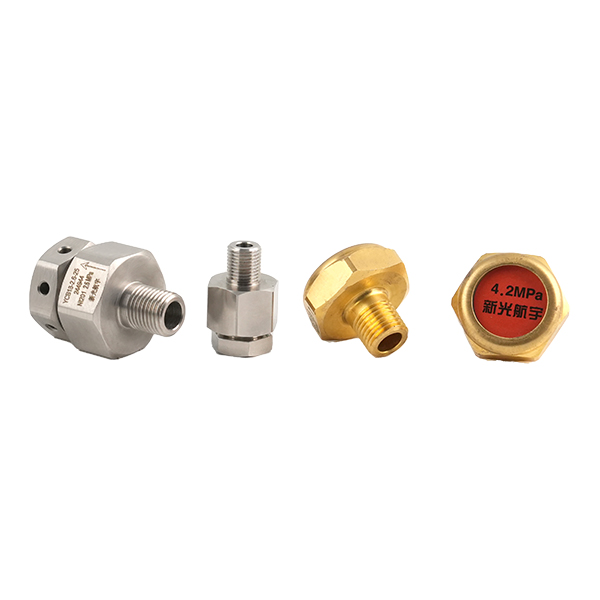
A Pressure Relief Valve is a mechanical device, typically utilizing a heavy spring or pilot mechanism to hold a disc against a nozzle seat. When system pressure overcomes the spring force, the valve opens to vent the gas or liquid.
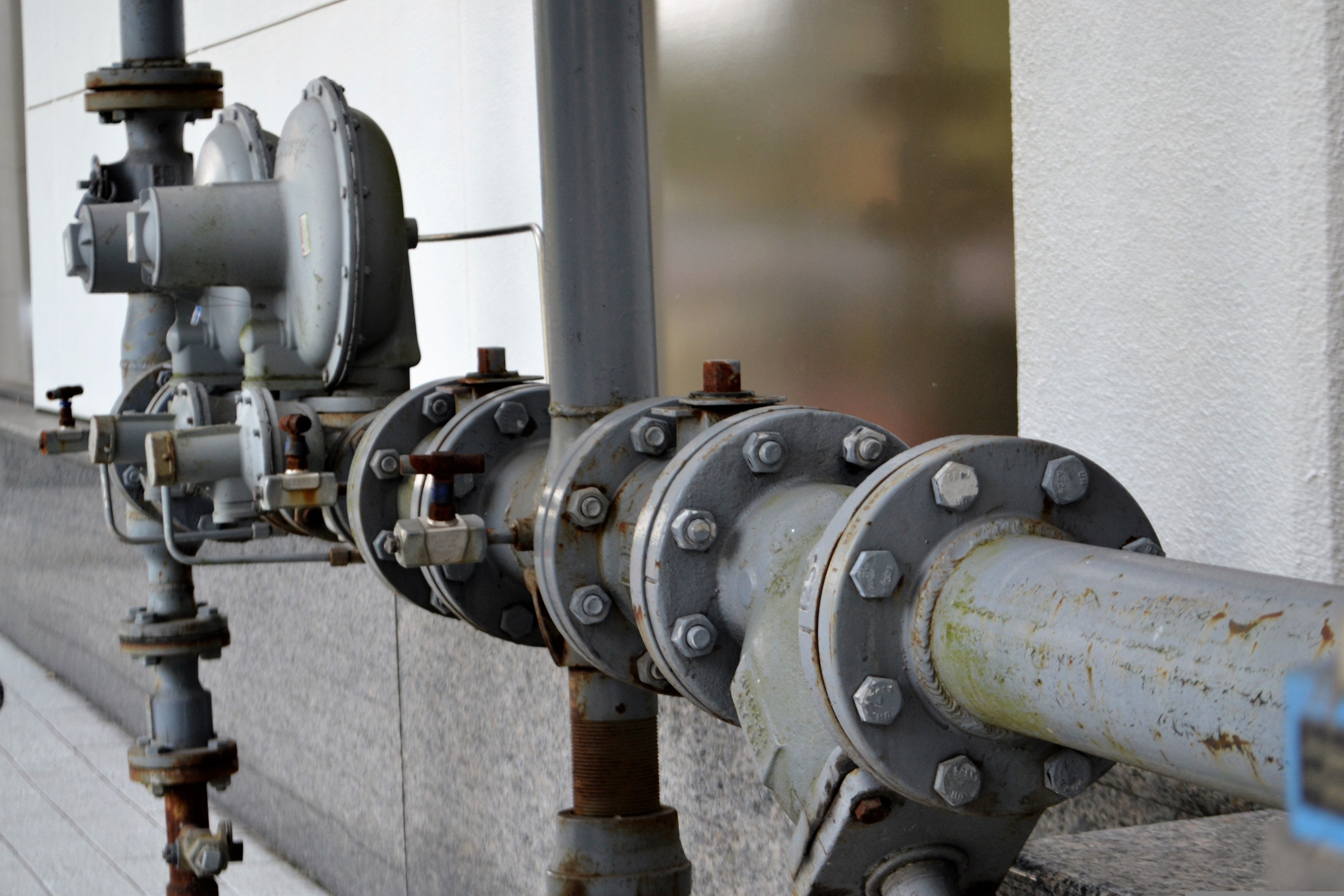
Advantages of a PRV:
Reclosing Capability: This is the PRV's greatest asset. Once the overpressure event has passed and system pressure drops below the blowdown point, the spring forces the valve shut. This prevents the total loss of process media and allows the plant to continue operating without a full shutdown.
In-line Testing: PRVs can often be tested and calibrated in place without needing to break the process seal.
Disadvantages of a PRV:
Inherent Leakage: According to API standards, PRVs have an allowable leakage rate. Because they rely on moving metal parts and springs, they are rarely 100% bubble-tight. Over time, "simmering" near the set pressure causes fugitive emissions.
High Capital Cost: PRVs are complex, heavy mechanical assemblies. If your process requires exotic materials (like Hastelloy or Titanium) to resist corrosion, the cost of a solid exotic-metal PRV can be astronomical.
Susceptible to Plugging: The internal moving parts and nozzles can easily be jammed by viscous fluids, polymers, or crystallizing media.
The Rupture Disk: The Sacrificial Barrier.
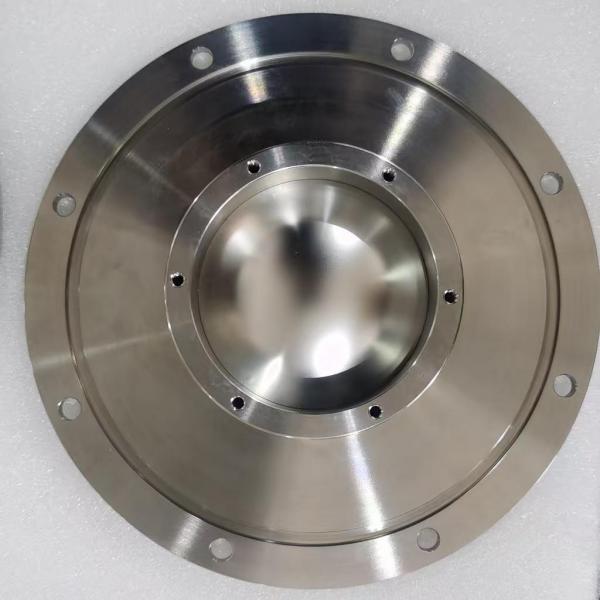
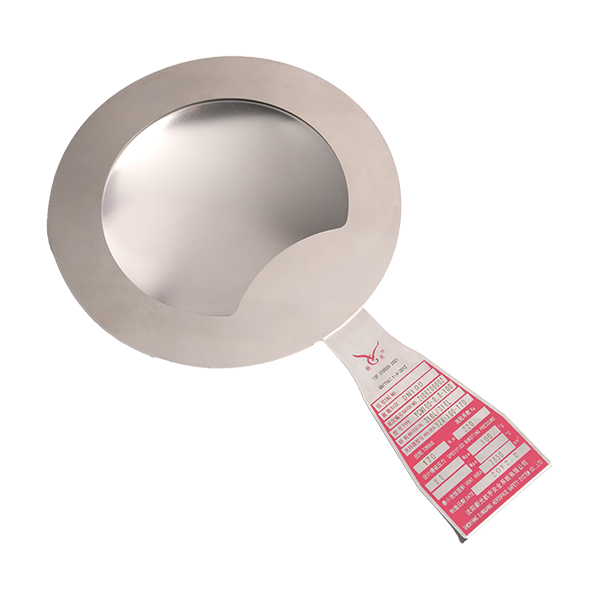
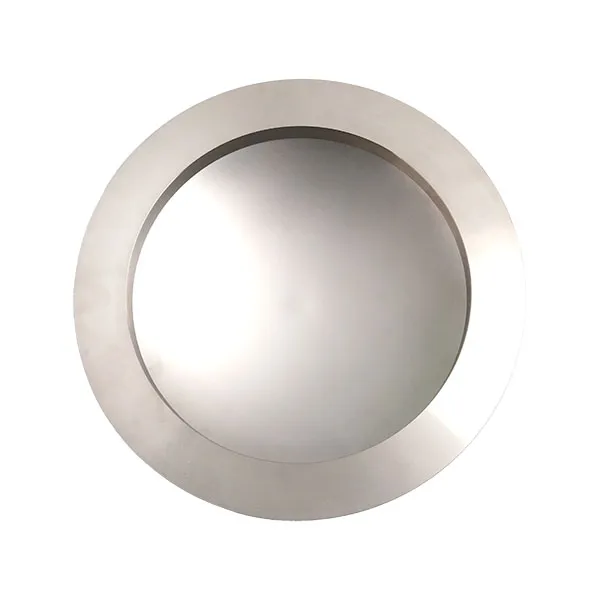
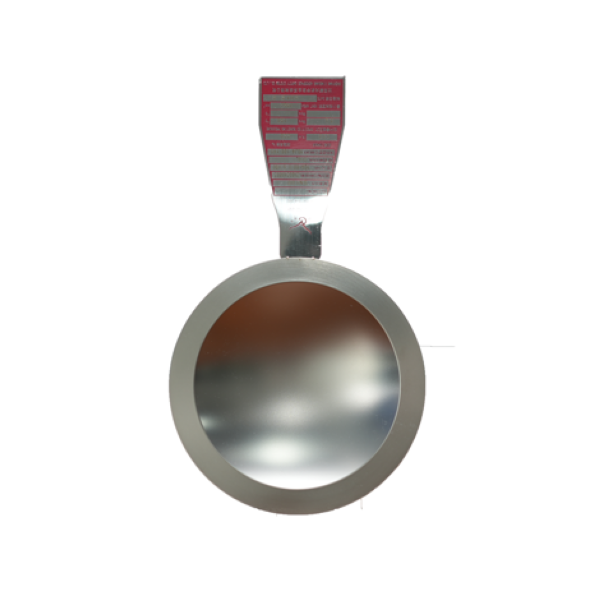
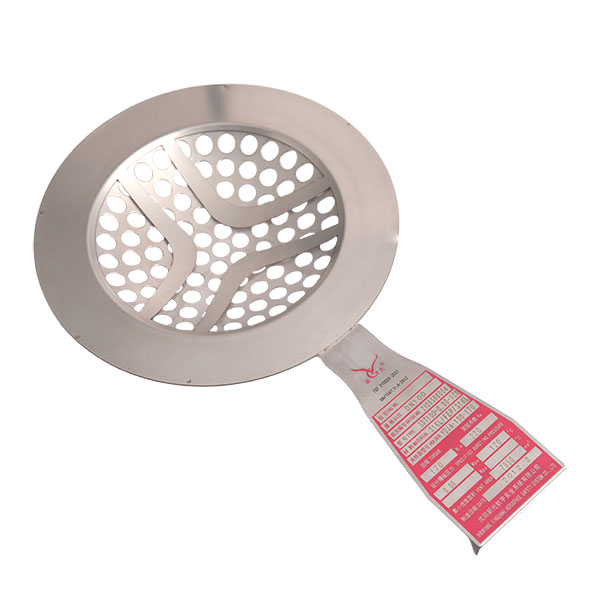
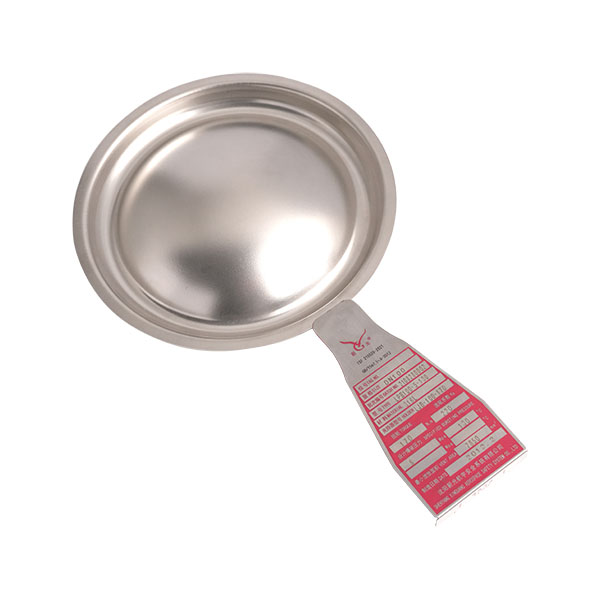
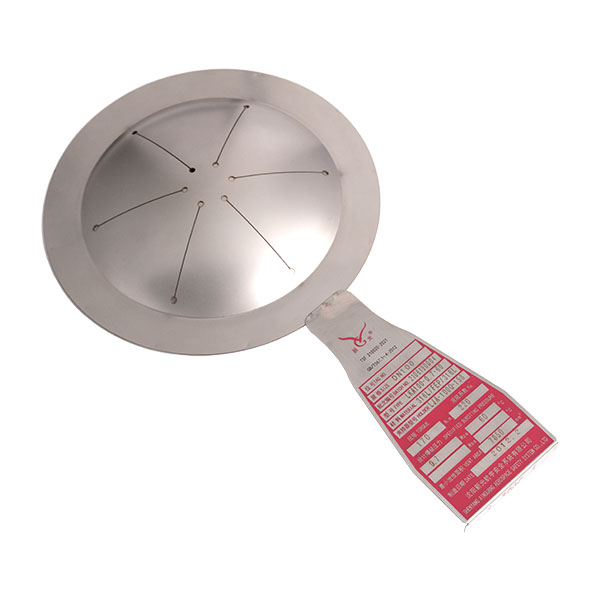
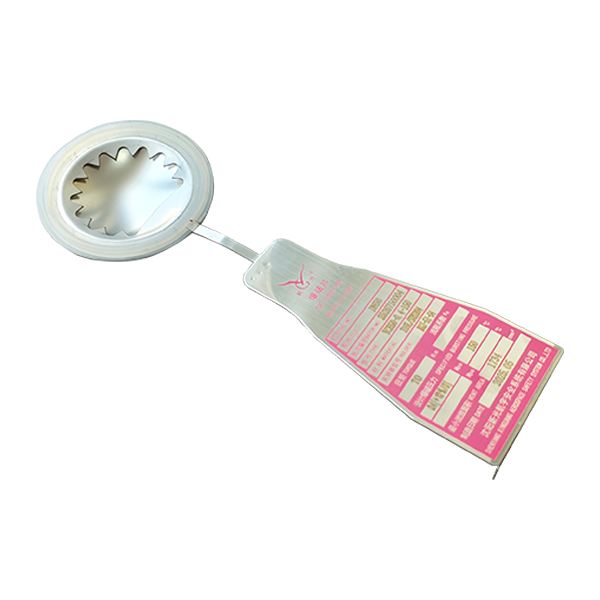
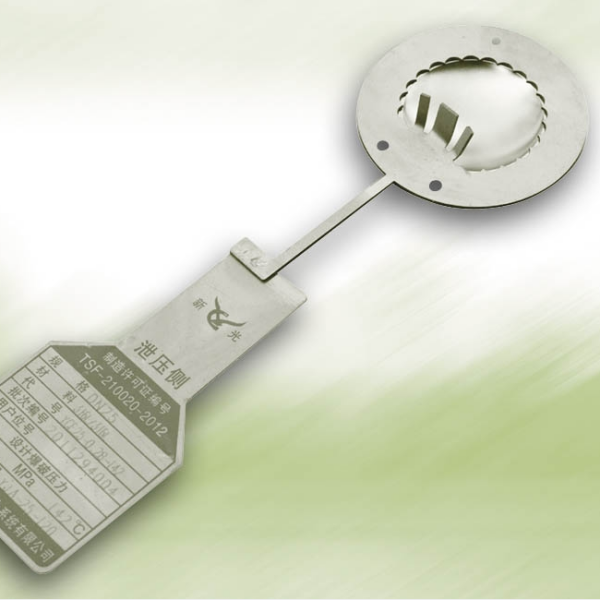
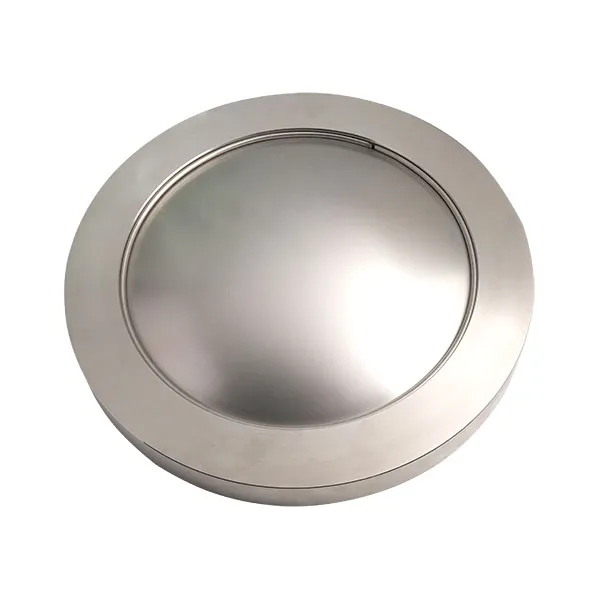
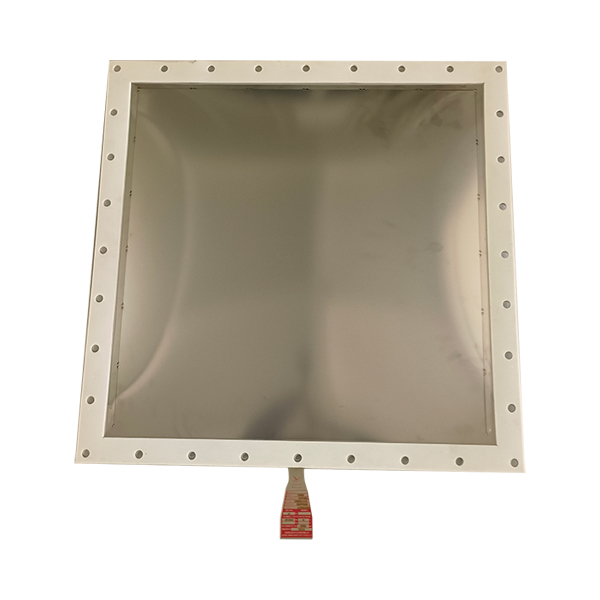
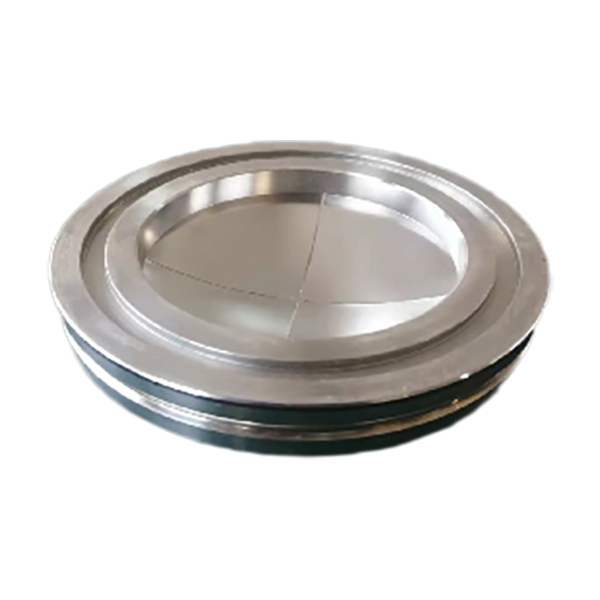
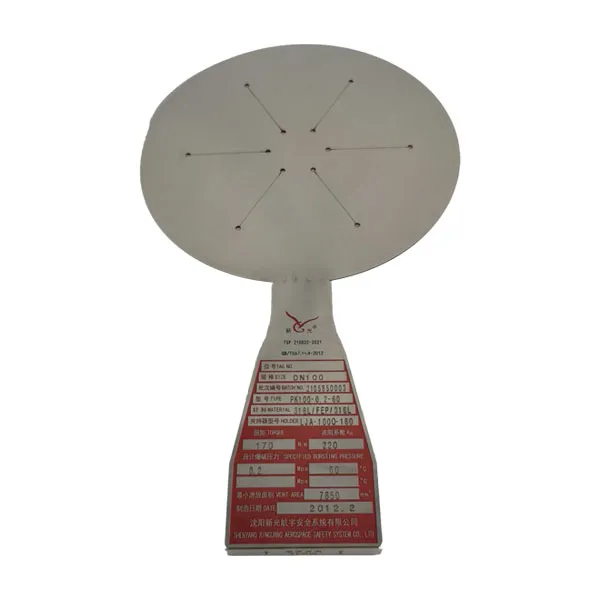
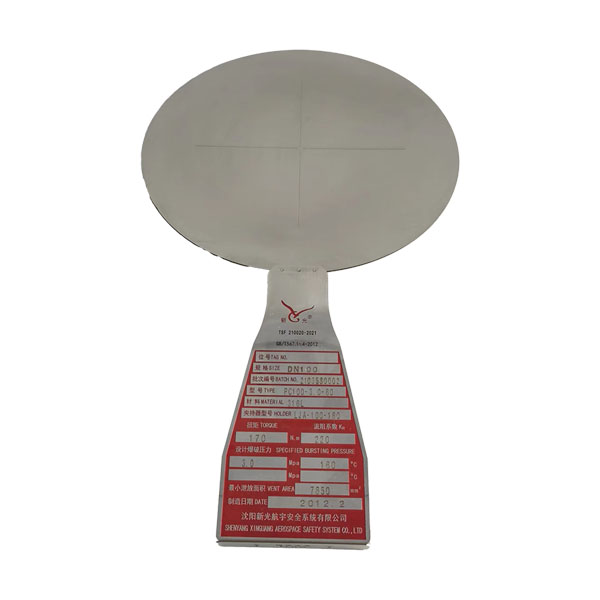
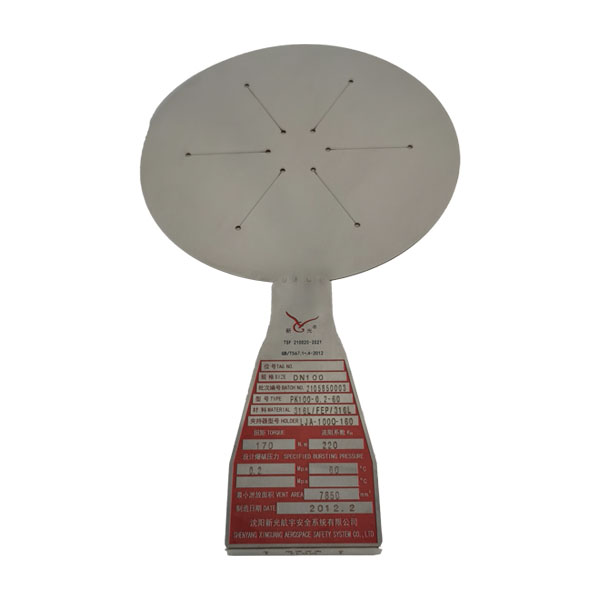
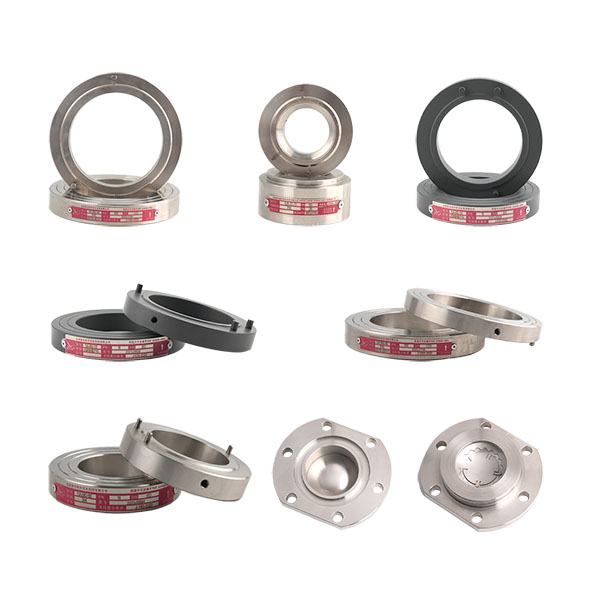
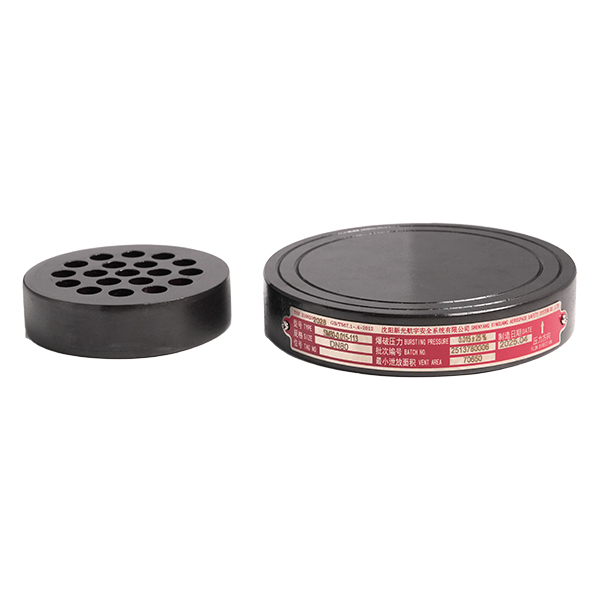
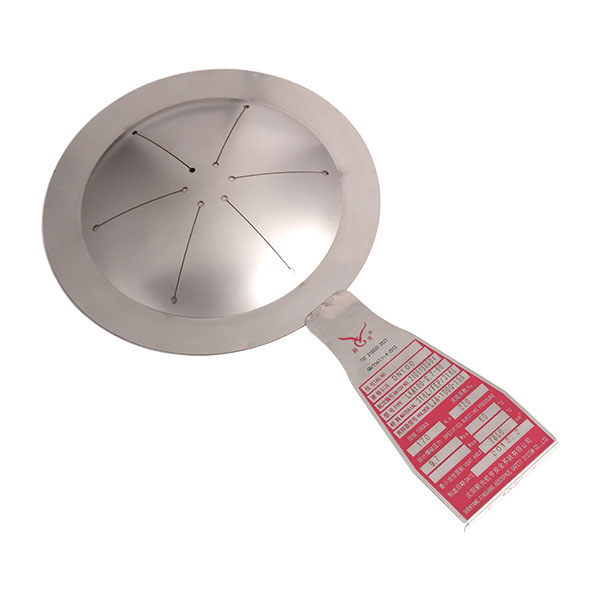
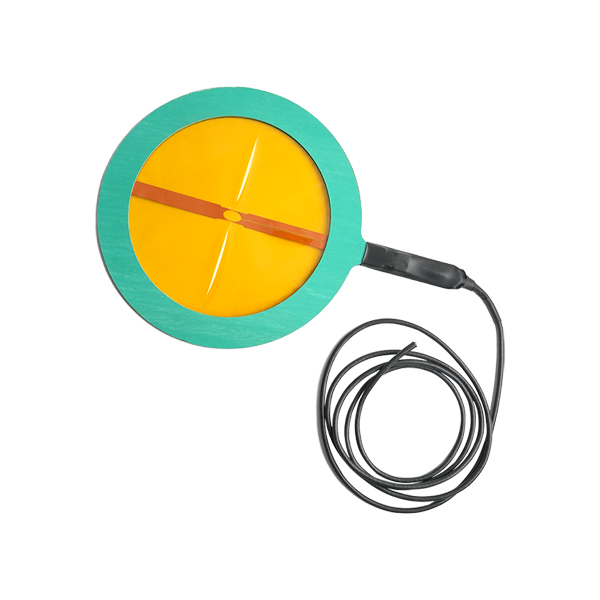
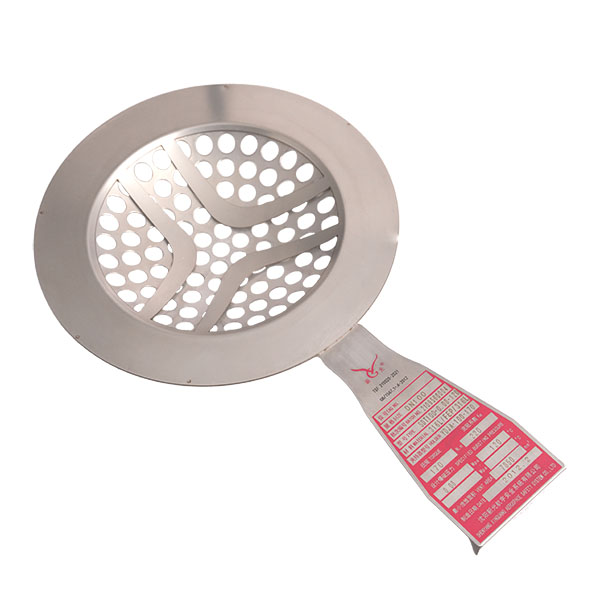
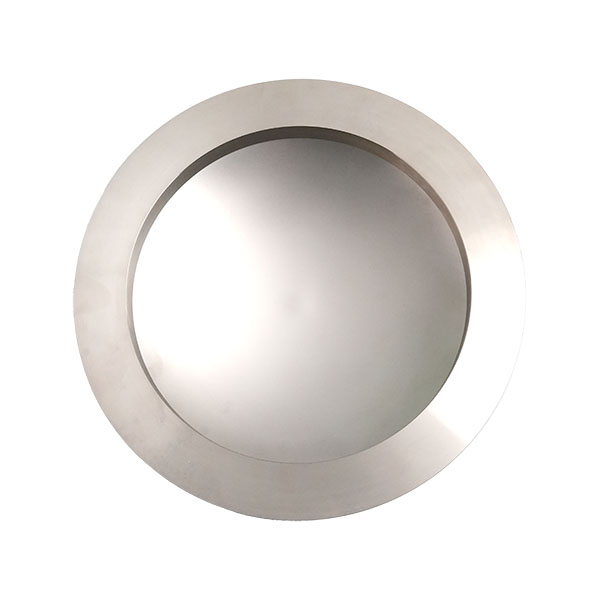
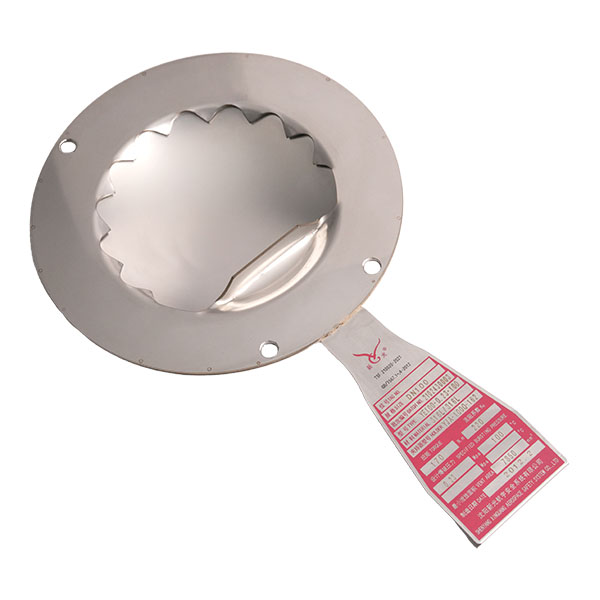
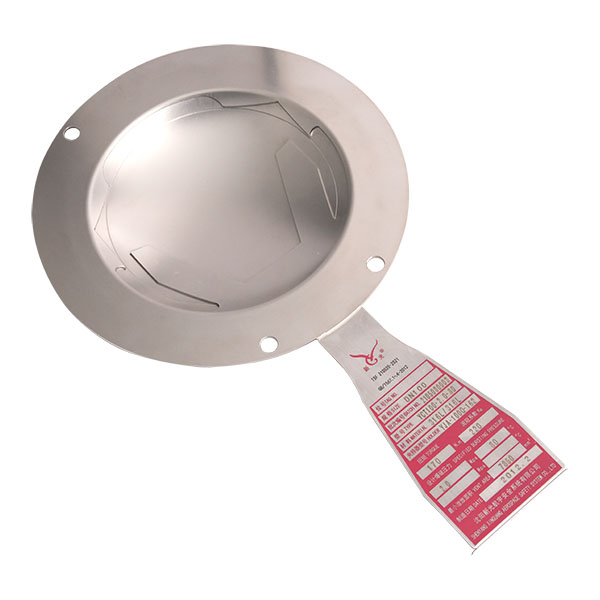
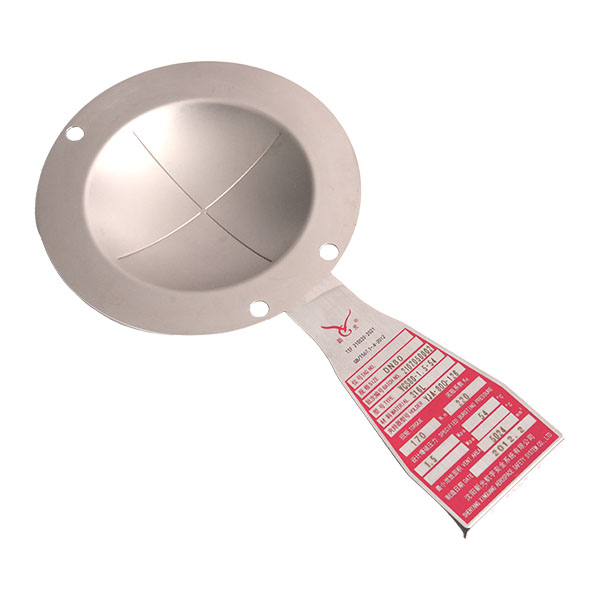
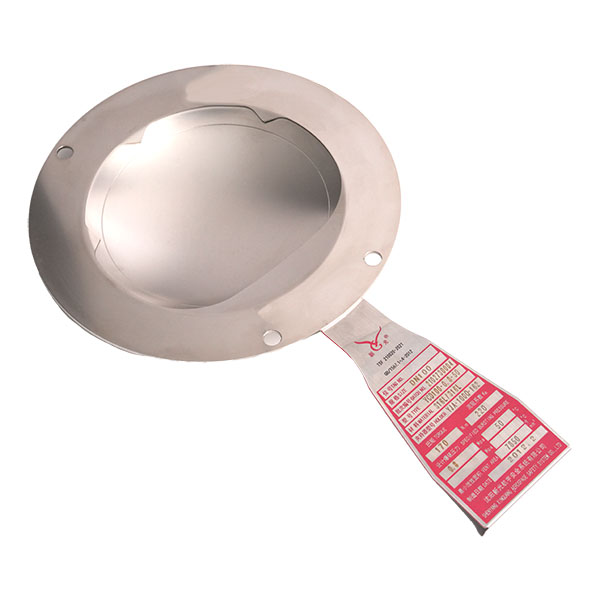
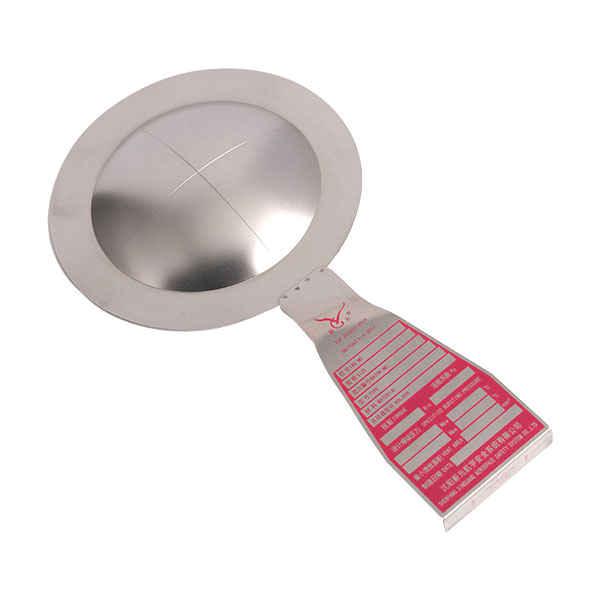
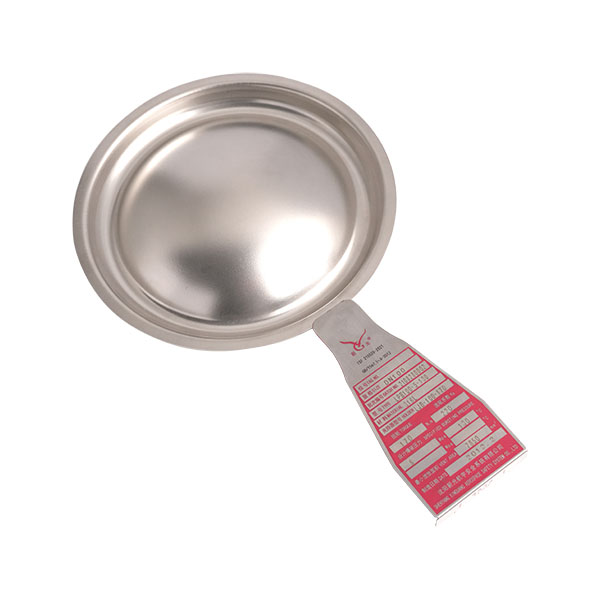
A rupture disk is a solid, precision-engineered piece of metal or graphite designed to fail (burst) instantaneously at a predetermined pressure and temperature. It is a non-reclosing device.
Advantages of a Rupture Disk:
Zero Leakage: Because a rupture disk is a solid piece of material with no moving parts, it provides a 100% bubble-tight seal. This is absolutely critical when dealing with highly toxic, lethal, or exceptionally expensive gases (like hydrogen or helium).
Instantaneous Response Time: A rupture disk opens in milliseconds. It is vastly superior to a PRV when protecting against rapid pressure spikes, deflagrations, or runaway exothermic reactions.
Cost-Effective in Exotic Materials: A rupture disk only requires a thin foil of metal. Therefore, specifying a Tantalum or Inconel rupture disk is a fraction of the cost of a similarly sized exotic PRV.
Smooth Process Surface: Disks have no internal crevices. They are highly resistant to polymer buildup and are easily cleaned, making them ideal for hygienic pharmaceutical applications.
Disadvantages of a Rupture Disk:
Non-Reclosing: Once a disk bursts, it is destroyed. The entire system must be shut down, depressurized, and opened up to replace the disk before operations can resume. This downtime can be costly.
Fatigue Susceptibility: Depending on the design (forward-acting), disks can be sensitive to heavy pressure cycling and fatigue over time.
The Ultimate Compromise: Operating in Series.
What if you need the zero-leakage and chemical resistance of a rupture disk, but you also need the reclosing, media-saving capability of a PRV? ASME Section VIII allows you to use them together.
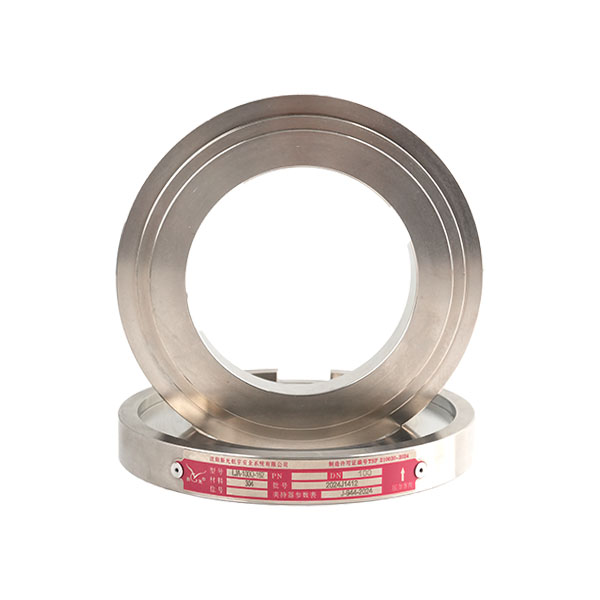
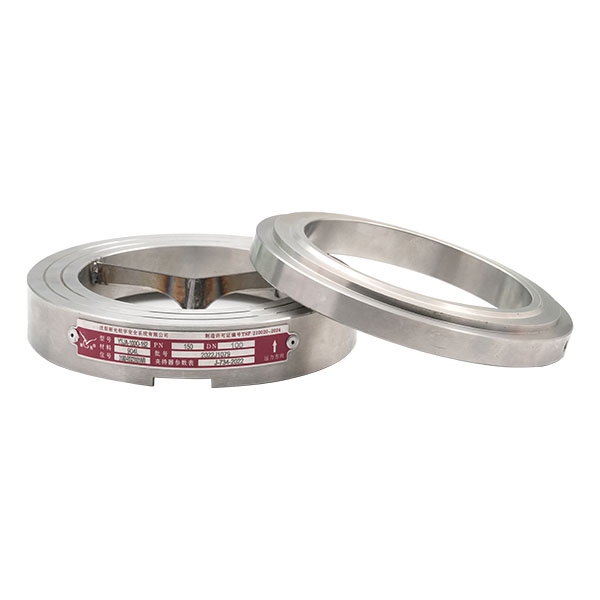
Installing a Rupture Disk upstream of a PRV is considered the gold standard in process safety. The rupture disk acts as a bubble-tight barrier, protecting the expensive internals of the PRV from corrosive or viscous process fluids. When an overpressure event occurs, the disk bursts, allowing the PRV to handle the relief and then snap back shut, saving the rest of your batch.
Struggling to decide between a PRV and a rupture disk for your next P&ID? Don't make the decision alone. Contact our engineering consultants today to discuss your specific process media, temperature, and pressure profiles for an optimized, code-compliant recommendation.
