
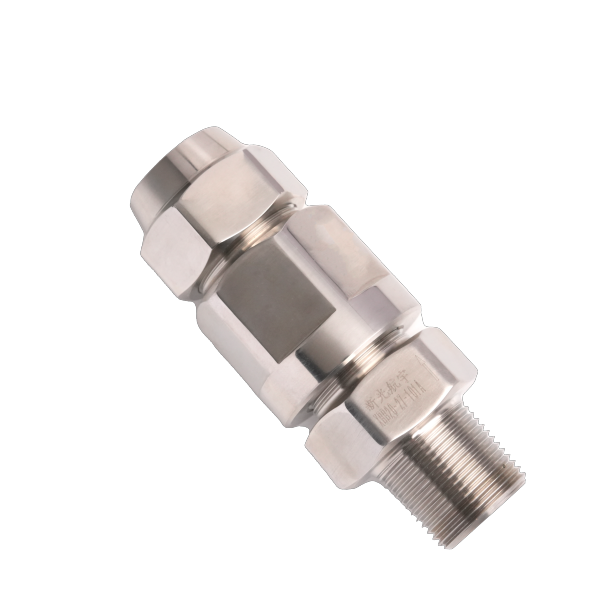
In industrial process safety, engineers are constantly balancing two conflicting goals: achieving a 100% leak-free seal to protect the environment, while maintaining the ability to reclose the system after an overpressure event to prevent massive product loss.
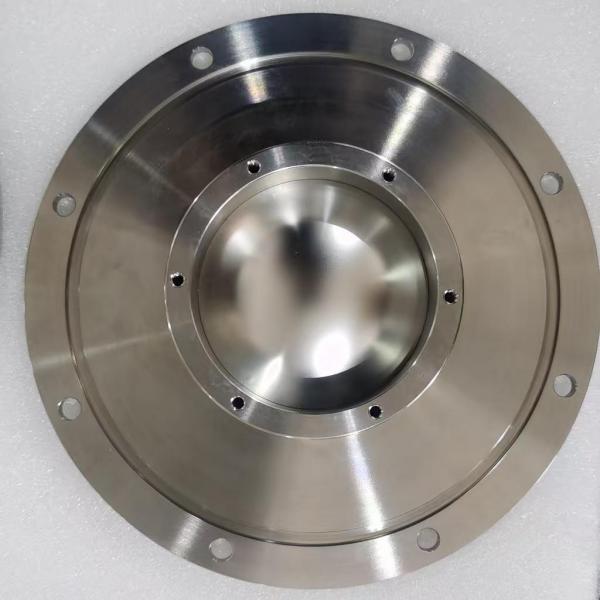
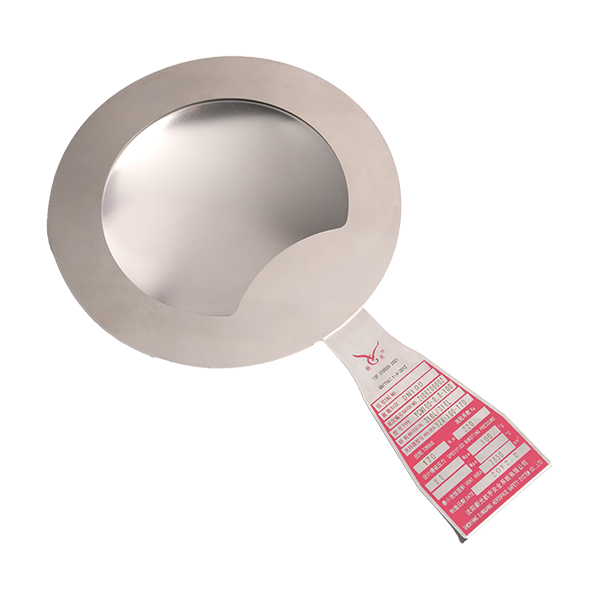
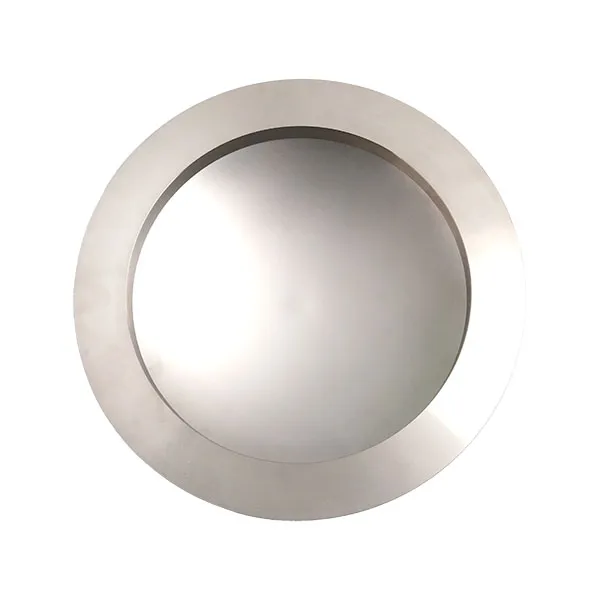
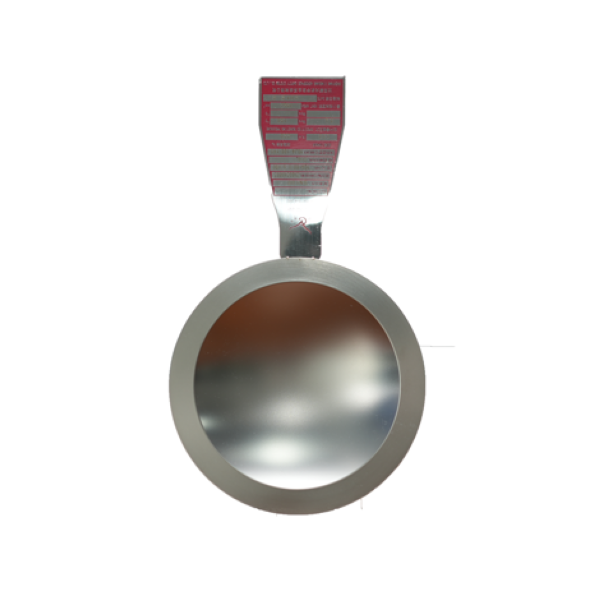
A Rupture Disk offers the zero-leakage seal but destroys itself upon opening. A Pressure Relief Valve (PRV) can reclose, but is prone to micro-leaking and chemical corrosion. The ultimate engineering solution—widely recognized and regulated by ASME Section VIII—is to use the "belt and suspenders" approach: Installing a rupture disk directly upstream of a safety valve in series.
In this technical guide, we explore why this hybrid setup is the gold standard for chemical plants and the critical installation codes you must follow.
The 3 Major Benefits of Series Installation
1. Isolating the Valve from Corrosive Media
Safety valves are expensive mechanical devices. If your process involves aggressive acids (like hydrochloric or sulfuric acid), a standard stainless steel PRV will corrode rapidly. Buying a solid Tantalum or Hastelloy valve could cost tens of thousands of dollars.
By placing an exotic-alloy rupture disk upstream of a standard carbon steel PRV, the disk acts as a sacrificial barrier. The valve's delicate internals remain perfectly dry and clean. The PRV is only exposed to the corrosive fluid for a few seconds during an actual overpressure emergency before it closes again.
2. Achieving Zero Fugitive Emissions
The EPA and global environmental agencies impose strict fines for fugitive emissions of Volatile Organic Compounds (VOCs) and toxic gases. Because PRVs rely on metal-to-metal seating, they inherently "simmer" and leak small amounts of gas into the atmosphere. A rupture disk is a solid, impermeable barrier. Installing it upstream guarantees a 100% bubble-tight seal, ensuring total environmental compliance during normal operations.
3. Preventing Polymerization and Valve Plugging
If your fluid is highly viscous or prone to crystallization (such as polymers, resins, or syrups), it will easily jam the moving parts of a PRV. The solid membrane of a rupture disk prevents these sticky substances from entering the valve nozzle, guaranteeing that the valve will function perfectly when called upon.
The Golden Rule of ASME Code: Venting the Cavity
While installing them in series is highly effective, it introduces a dangerous new variable. According to ASME Boiler and Pressure Vessel Code (BPVC) Section VIII, Division 1, you cannot simply bolt a disk and a valve together and walk away. You must address the space between them.
The Danger of Backpressure in the Cavity
Imagine a tiny pinhole leak develops in your rupture disk due to corrosion. The process gas will slowly leak into the small cavity between the disk and the closed PRV. Over time, the pressure in this cavity will equalize with the system pressure.
Remember, a rupture disk only bursts based on differential pressure. If your vessel is at 100 PSI, and the cavity between the disk and valve is now also at 100 PSI, the differential is zero. The rupture disk will never burst, and your vessel will explode.
The Tell-Tale Assembly Solution
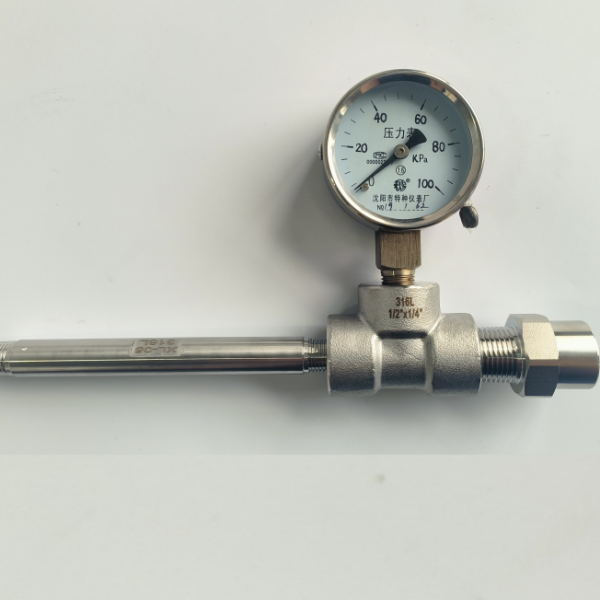
To comply with ASME code, the cavity between the disk and the PRV must be vented. This is typically achieved using a Tell-Tale Assembly (also known as a bleed valve, pressure gauge, or excess flow valve).
This small port constantly monitors the space between the two devices. If the disk develops a micro-leak, the tell-tale assembly will either safely bleed the pressure to a safe location or trigger an alarm via a pressure switch. This ensures the cavity remains at atmospheric pressure, guaranteeing the rupture disk will burst exactly at its rated set point.
Choosing the Right Disk for the Job
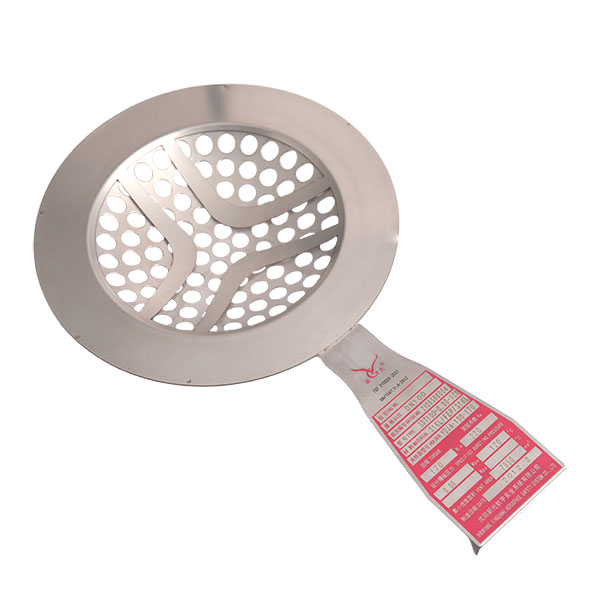
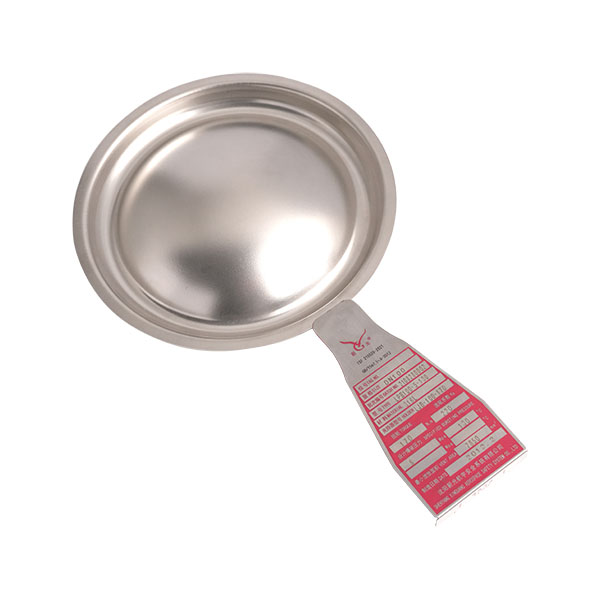
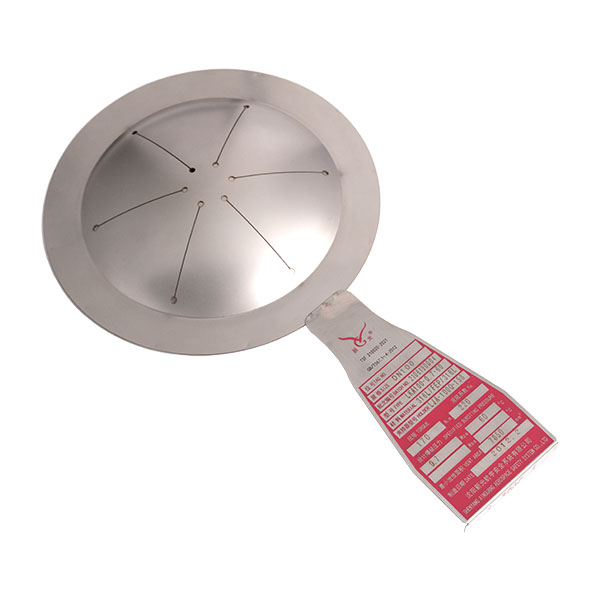
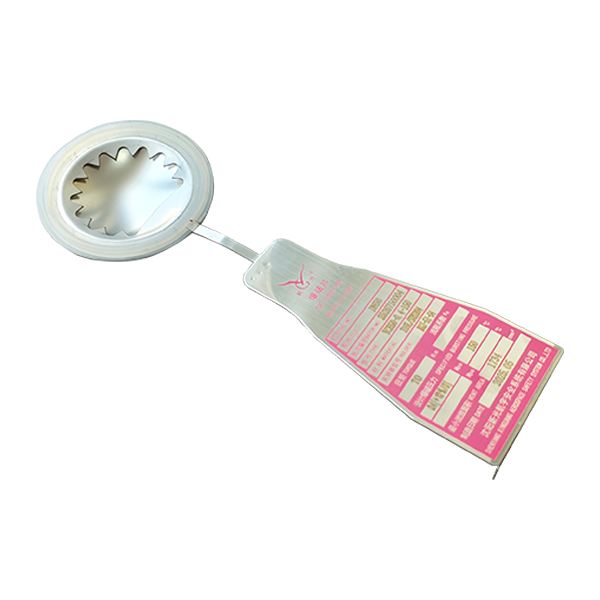
When placing a disk upstream of a valve, you must use a Non-Fragmenting Rupture Disk. Standard forward-acting scored disks or reverse-acting disks are mandatory. If you use a disk that shatters (like graphite), the flying debris will destroy the PRV's internal seating, preventing it from closing after the burst.
Are you planning to isolate your safety relief valves to save on maintenance and prevent emissions? Our engineering team provides fully assembled, ASME-compliant Rupture Disk and Tell-Tale combinations ready for PRV integration. Contact us today for a sizing consultation and quote.
