
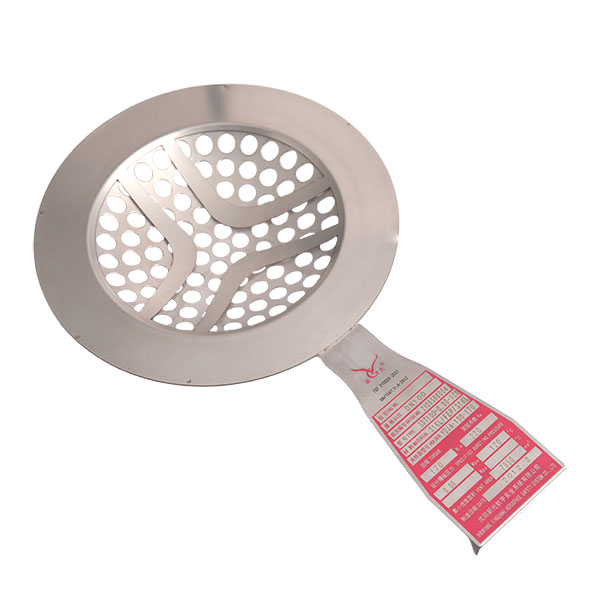
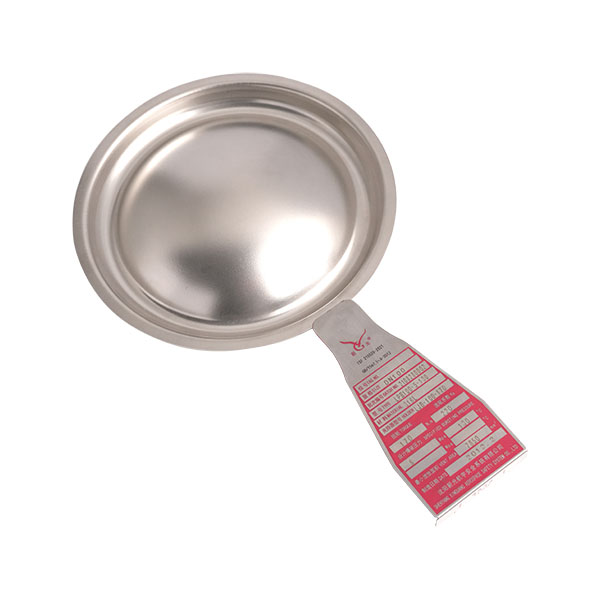
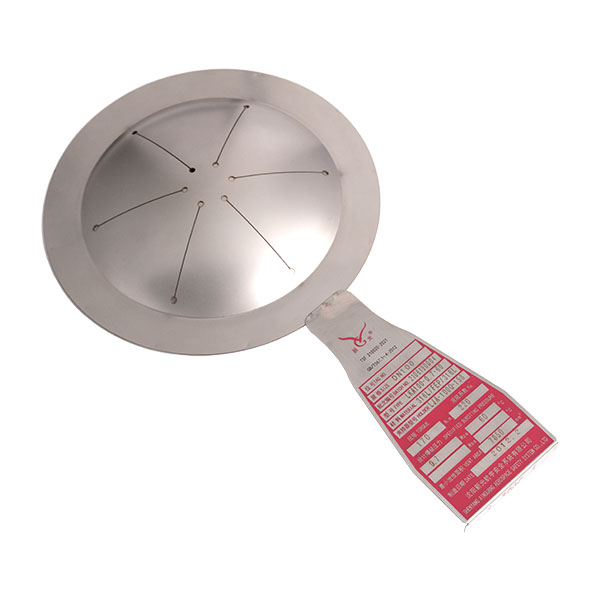
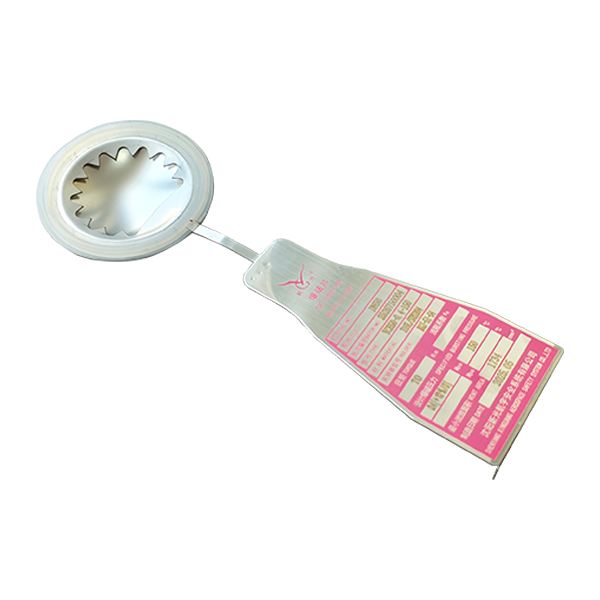
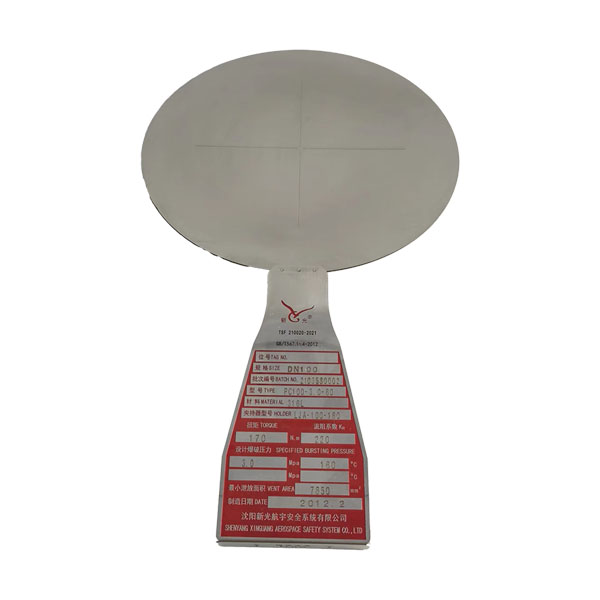
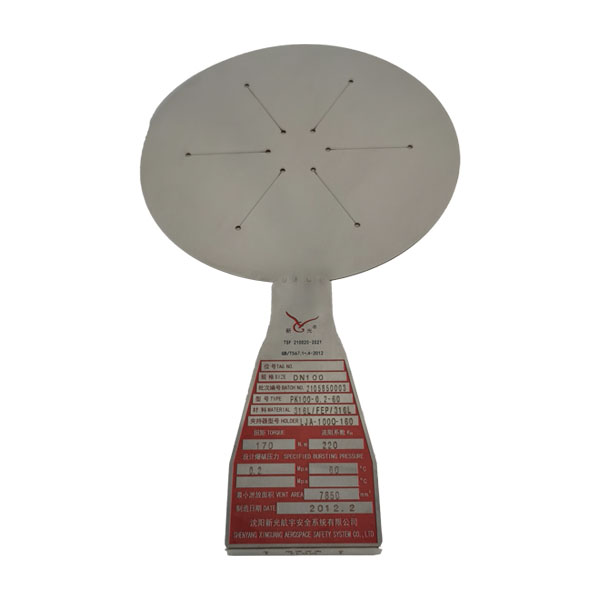
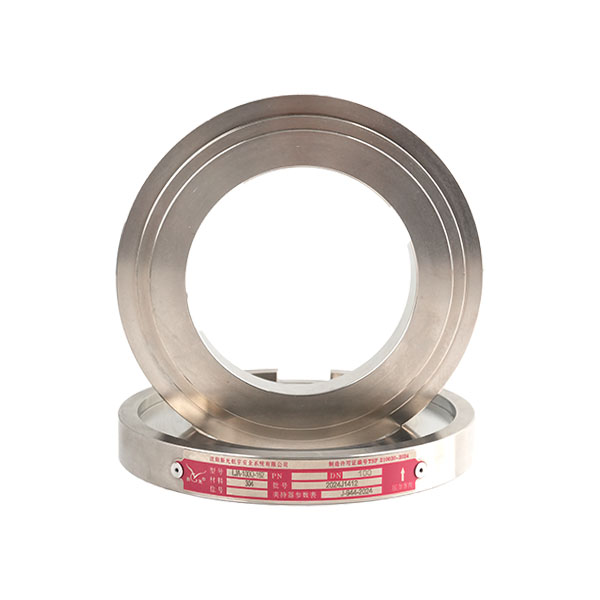
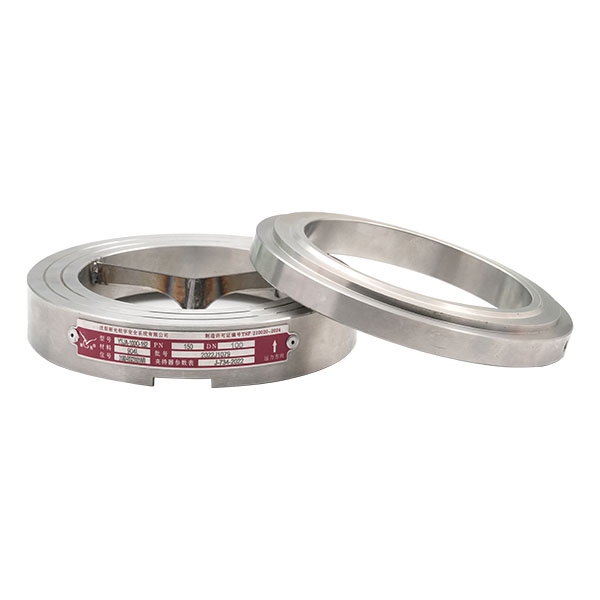
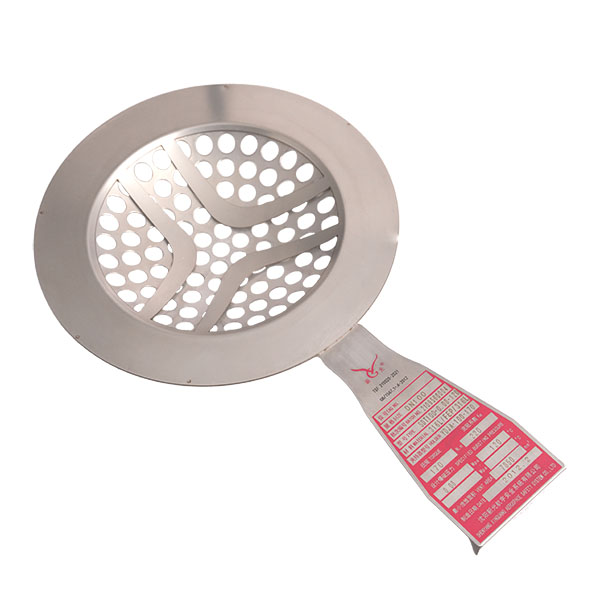
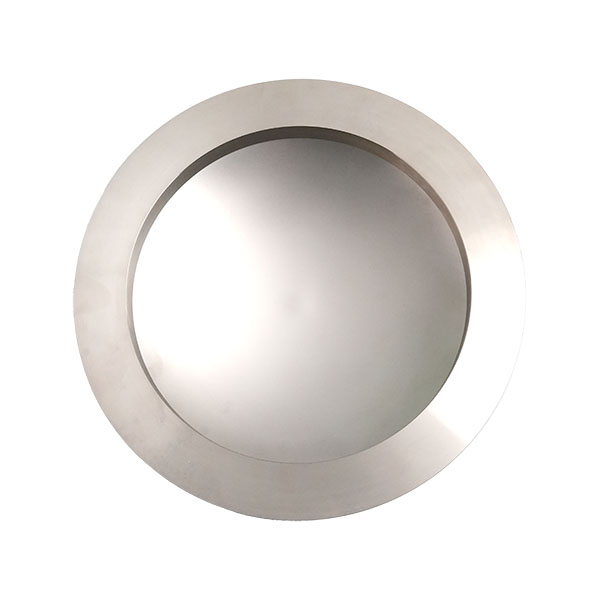
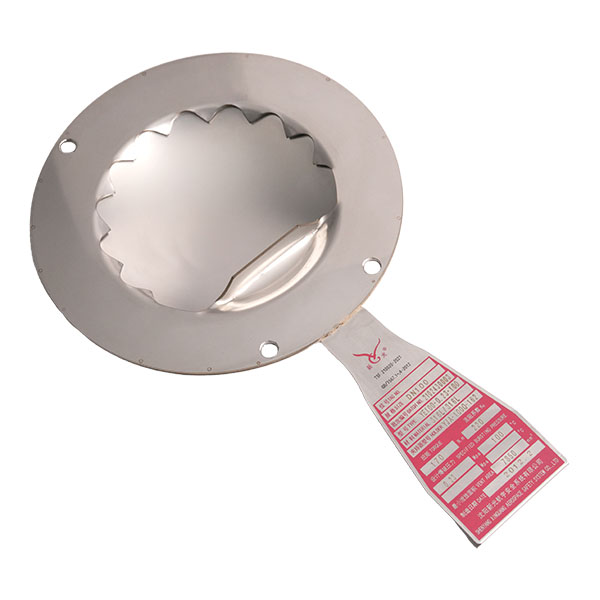
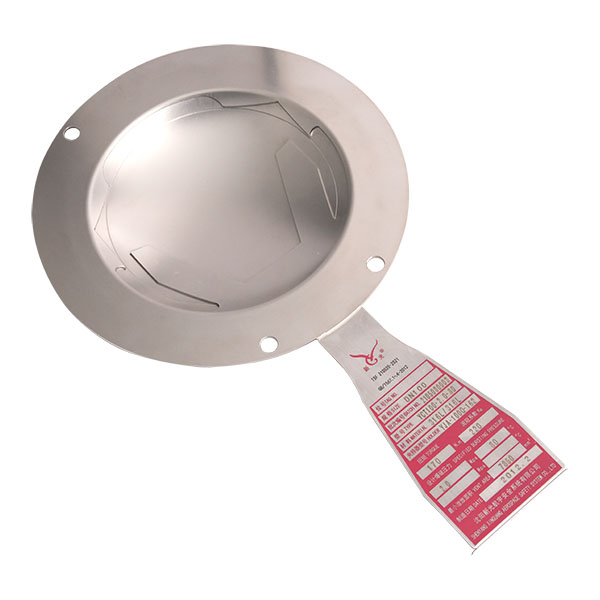
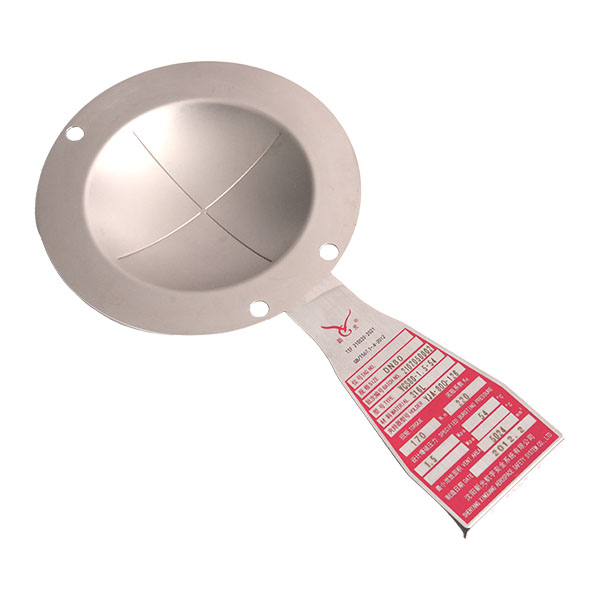
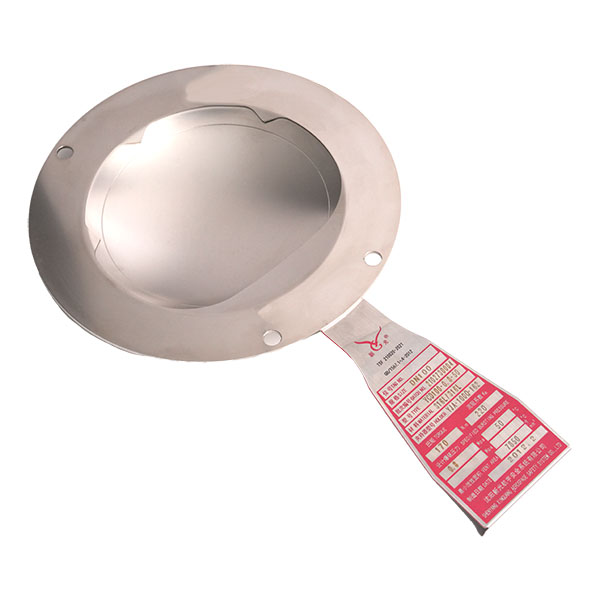
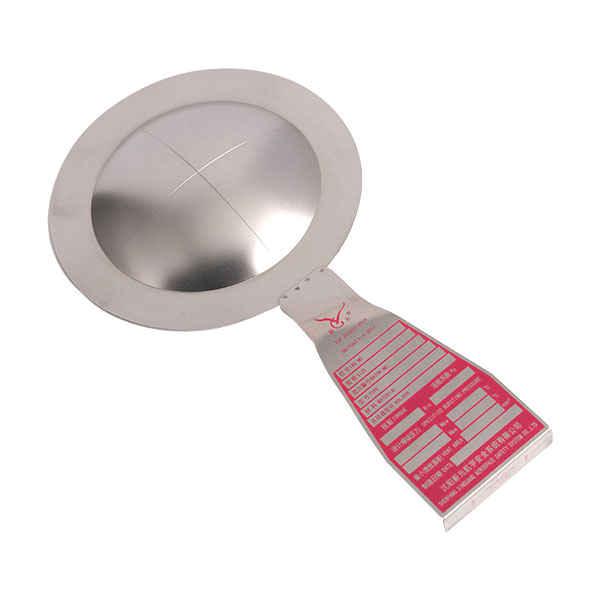
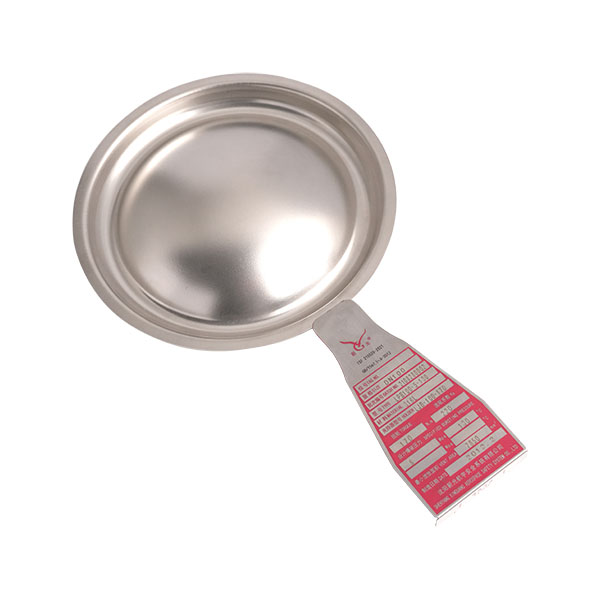
When selecting a rupture disk for a high-stakes industrial process, process engineers are often faced with a fundamental architectural choice: Should the system utilize a Forward-Acting (Tension-Loaded) disk or a Reverse-Acting (Compression-Loaded) disk?
While both designs are engineered to burst at a precise set pressure and protect your pressure vessels, their internal mechanics dictate vastly different performance characteristics—especially when it comes to longevity in cyclic pressure environments.
If your facility is plagued by disks bursting prematurely due to pressure pulsations, the answer lies in understanding metal fatigue. In this technical breakdown, we analyze why the Reverse-Acting disk is the undisputed champion of fatigue life.
The Mechanics of Forward-Acting Rupture Disks.
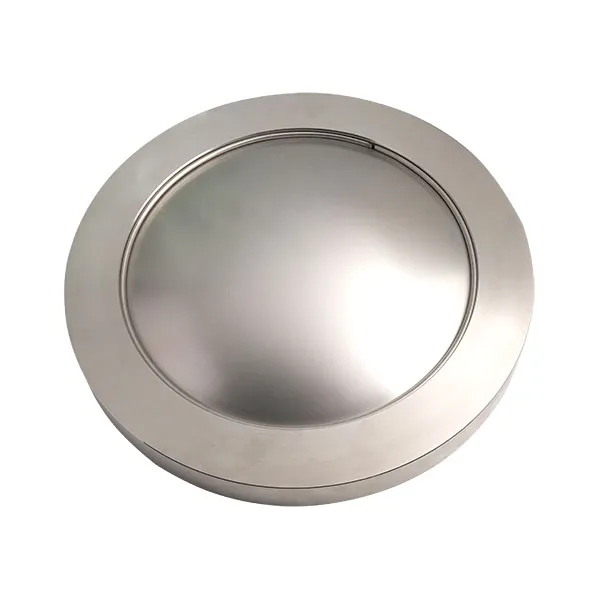
A Forward-Acting rupture disk is the traditional, classic design. In this configuration, the process pressure is applied to the concave side (the cupped inside) of the disk dome.
As the system pressure rises, the metal dome is physically stretched outward. The material is placed under severe tensile stress. When the pressure reaches the engineered limit, the metal's tensile strength is overcome, and the disk tears open—often along pre-scored lines or simply by exceeding the material's yield point.
The Fatigue Problem with Tension.
Because the metal is constantly being stretched by the process pressure, forward-acting disks are highly susceptible to metal fatigue. If your process involves positive displacement pumps, rapid valve closures, or frequent pressurization/depressurization cycles, the disk dome acts like a balloon being repeatedly inflated and deflated.
This micro-stretching weakens the grain structure of the metal alloy over time. To prevent this premature fatigue, forward-acting disks are restricted to a lower Operating Ratio—typically 70% to 80%. This means if your disk is rated to burst at 100 PSI, your normal daily operating pressure should never exceed 70 to 80 PSI. Pushing past this ratio guarantees a drastically shortened lifespan.
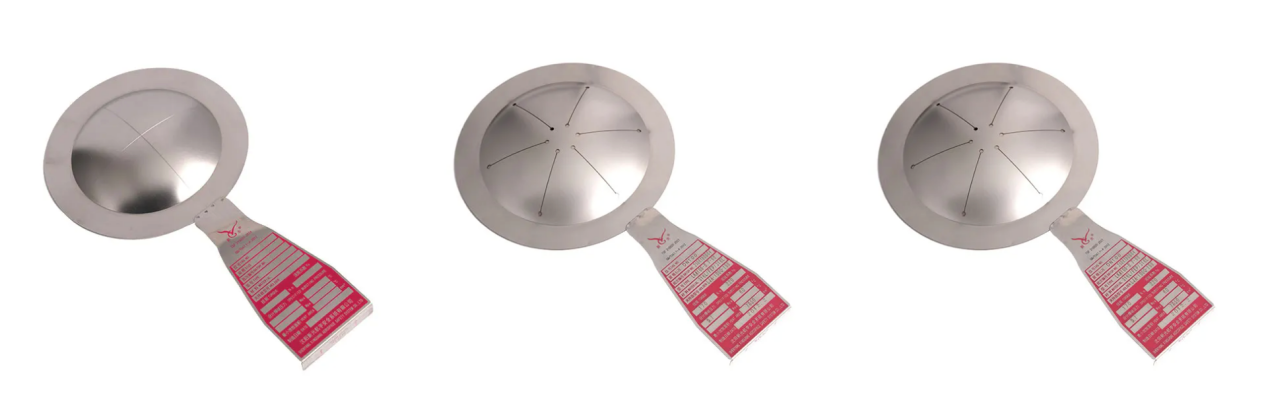
The Superior Mechanics of Reverse-Acting Rupture Disks:
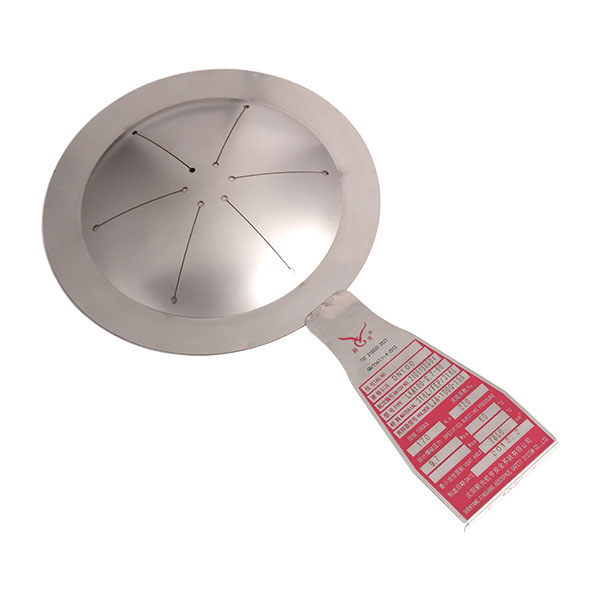
The Reverse-Acting rupture disk represents a massive leap forward in process safety engineering. In this design, the disk is installed "backward" compared to a traditional disk. The process pressure is applied to the convex side (the bulging outside) of the dome.
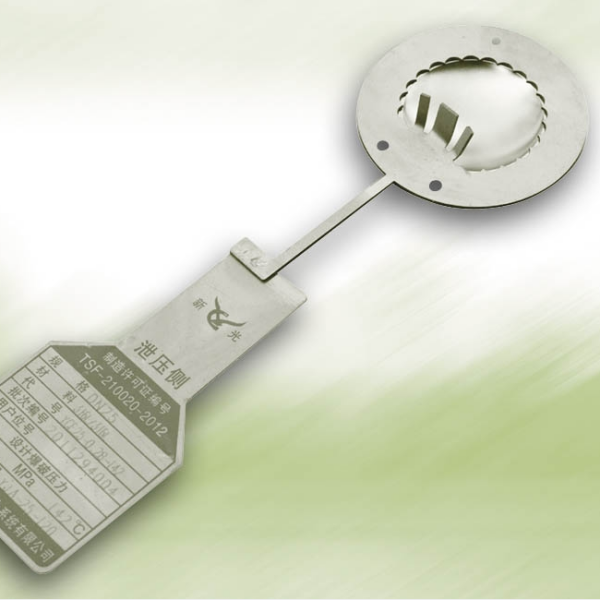
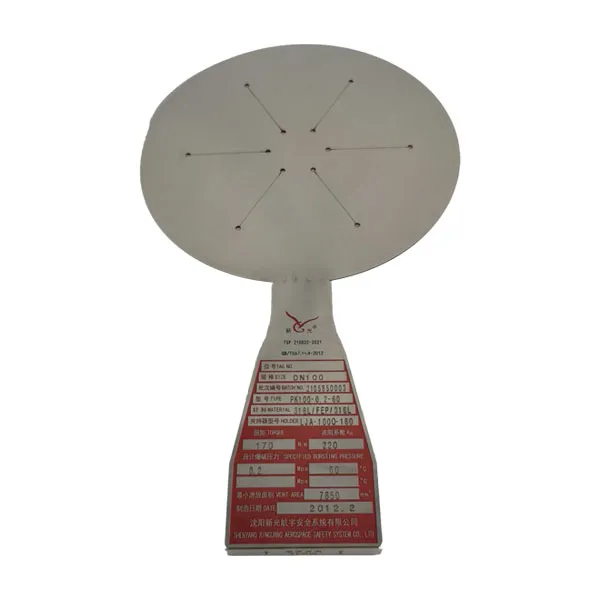
Instead of stretching the metal, the system pressure compresses it. The disk is placed under compressive load. When the burst pressure is reached, the dome mechanically buckles and snaps through (reverses), at which point it is cut by knife blades or tears cleanly along laser-scored lines.
Why Reverse-Acting Dominates in Fatigue Life?
Metals are inherently much stronger and more resilient under compression than they are under tension. Because the dome of a reverse-acting disk is not being stretched during normal operation, it does not suffer from the same molecular fatigue as a forward-acting disk during pressure pulsations.
This structural resilience yields two massive operational advantages:
Ultra-High Operating Ratios: Reverse-acting disks can comfortably operate at 90% to 95% of their rated burst pressure. You can run your process much closer to the Maximum Allowable Working Pressure (MAWP) of your vessel without fear of premature disk failure.
Near-Infinite Fatigue Life: In highly cyclic applications, a high-quality scored reverse-acting disk can withstand hundreds of thousands of pressure cycles without degrading its burst accuracy. It will outlast a forward-acting disk by an incredible margin.
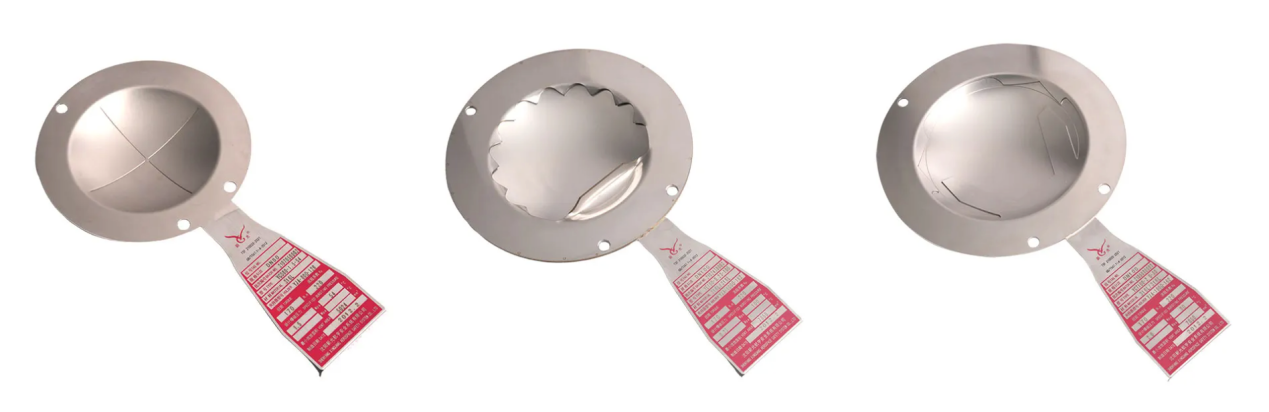
Additional Advantages of Reverse-Acting Disks.
Beyond fatigue life, reverse-acting disks offer other critical benefits that make them the modern standard for chemical and petrochemical plants:
Full Vacuum Resistance: Because the dome already points against the atmosphere, most reverse-acting disks can withstand a full system vacuum without requiring additional mechanical vacuum supports.
Non-Fragmenting Design: When a reverse-acting disk buckles and tears along its score lines, it opens cleanly in a "petal" formation. This makes them ideal for isolating downstream safety relief valves (SRVs), as no metal fragments will be blown into the valve internals.
Making the Right Choice.
While forward-acting disks are still useful (and cost-effective) for static pressure applications or low-pressure environments, the Reverse-Acting Rupture Disk is the undisputed choice for dynamic, pulsating, and high-efficiency systems.
Are you tired of shutting shutting down your plant to replace fatigued rupture disks? It is time to upgrade your safety infrastructure. Contact our engineering team today. We will help you transition from forward-acting to high-cycle reverse-acting technology, maximizing your uptime and profitability.
