
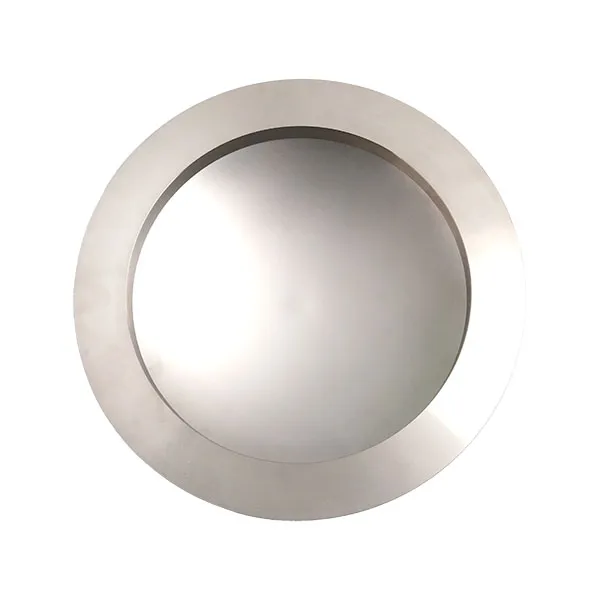
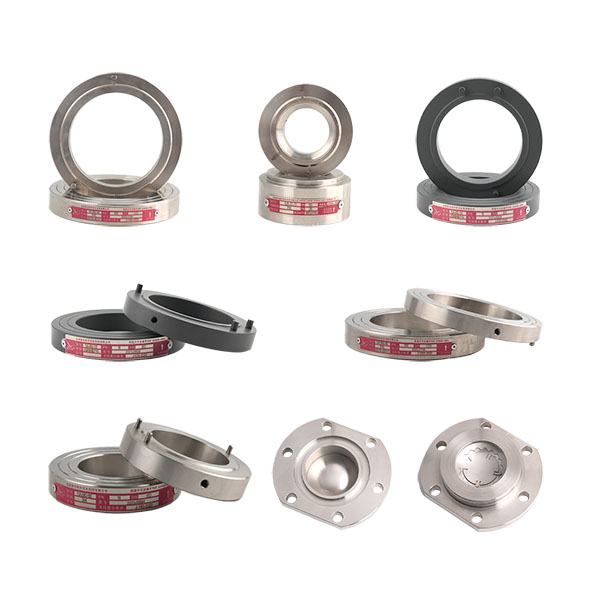
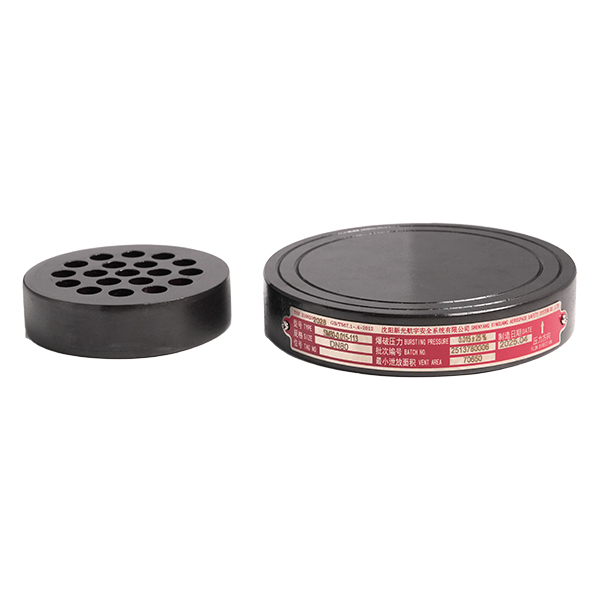
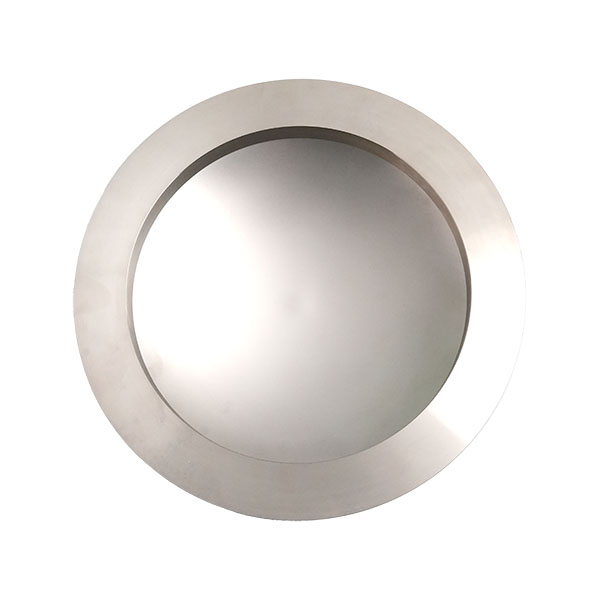
Graphite rupture disks have been a staple in the chemical processing industry for decades. Manufactured from high-purity, resin-impregnated graphite, they offer unparalleled resistance to highly corrosive environments—such as hydrochloric acid, sulfuric acid, and harsh chlorides—where traditional stainless steel would dissolve in days.
However, graphite disks possess one massive, inherent engineering flaw: They are highly brittle, and upon bursting, they shatter into hundreds of pieces.
In many modern industrial setups, this fragmentation is completely unacceptable. In this article, we explore the dangers of graphite fragmentation and the modern engineering solutions available to keep your downstream piping completely clear of debris.
The Danger of a Fragmenting Burst:
Unlike metal rupture disks, which are designed to tear open and remain attached to their outer flange, a graphite disk relieves pressure by completely shattering the central membrane. These carbon fragments—ranging from fine dust to large, jagged chunks—are instantly blown down the relief piping at extreme velocities.
This causes three severe operational hazards:
1. Catastrophic Damage to Downstream Equipment:
If the rupture disk is installed upstream of an expensive safety relief valve (SRV), the graphite chunks will be driven violently into the valve internals. The debris will destroy the delicate valve nozzle, bend the stem, and lodge in the seating area. Once the overpressure event is over, the safety valve will be unable to close properly, resulting in continuous, massive leakage of process media.
2. Plugging of the Vent Header:
In many chemical plants, multiple relief devices exhaust into a common, long vent header that leads to a flare stack or a scrubber. Large chunks of shattered graphite can easily accumulate at elbows, T-junctions, or reducers in the piping. Over time, or during a massive burst, these fragments can plug the relief line. A plugged relief line means the next time a system overpressurizes, the gas has nowhere to go, leading to a catastrophic vessel explosion.
3. Product Contamination:
If the rupture disk is used to separate two different process streams, or if the relief system is designed to recover and recycle process fluids, graphite dust will severely contaminate the batch, rendering thousands of dollars of chemical product useless.
How to Solve the Fragmentation Problem:
If your process requires high corrosion resistance but you cannot tolerate flying debris, you must transition away from standard graphite. Process engineers have two primary solutions:
Solution 1: Use Debris Catchers (Baffle Plates):
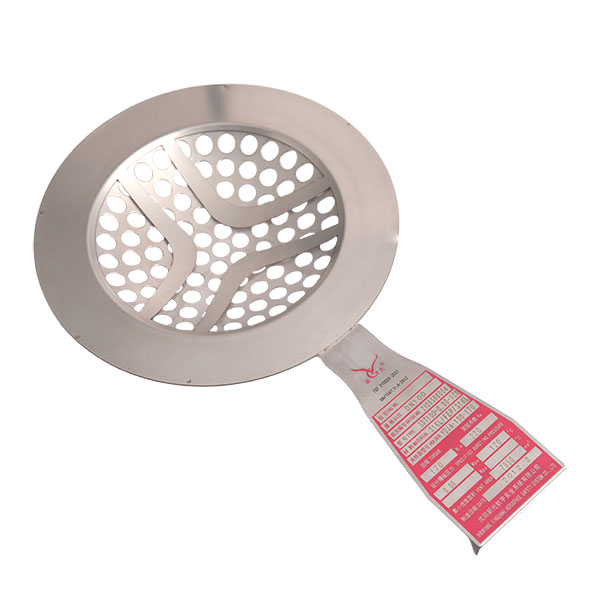
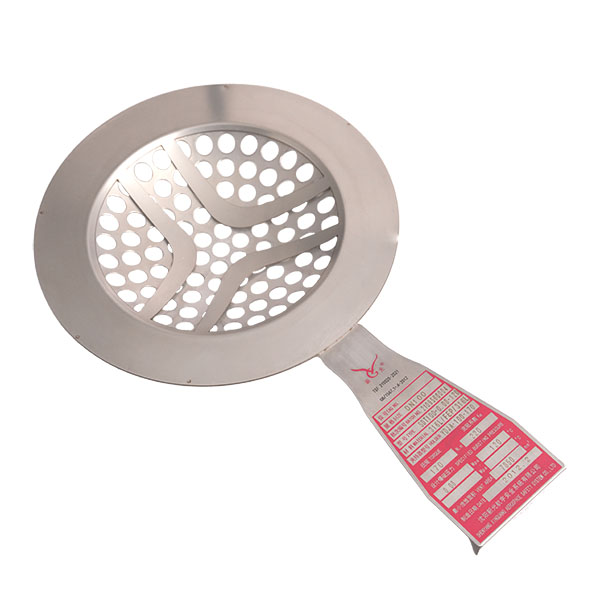
Some facilities attempt to solve the problem by installing a mechanical "catch" system downstream of the graphite disk, such as a baffle plate or a heavy-duty strainer screen.
The Problem: While this stops large chunks from hitting a downstream valve, it introduces severe flow restriction (reducing the Kr value). Furthermore, the screen itself can quickly become plugged by the graphite fragments, effectively blocking the pressure relief path. This is generally considered an outdated and risky workaround.
Solution 2: Upgrade to Non-Fragmenting Exotic Metal Disks.
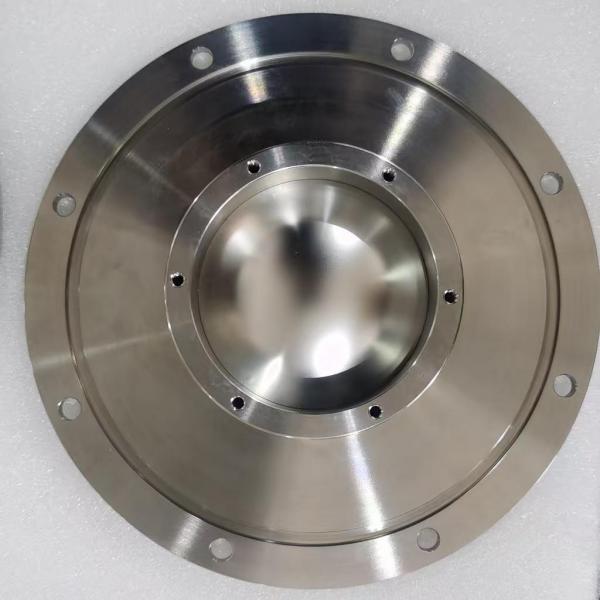
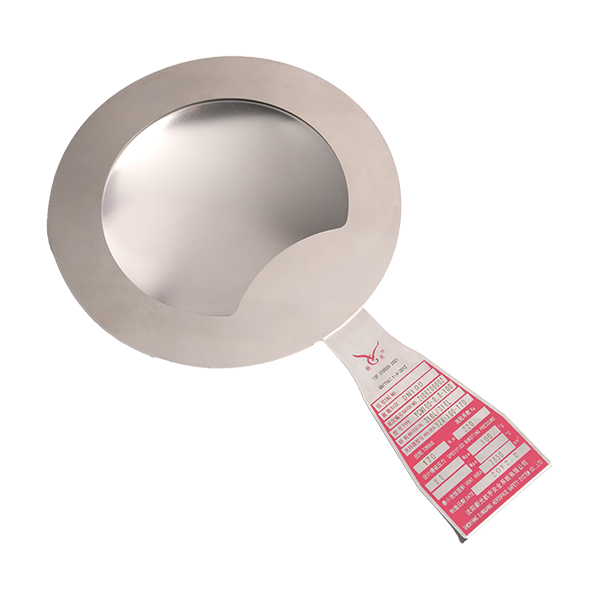
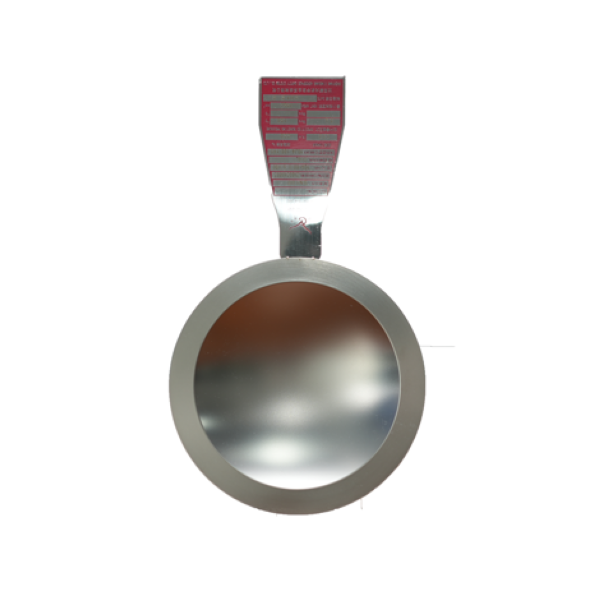
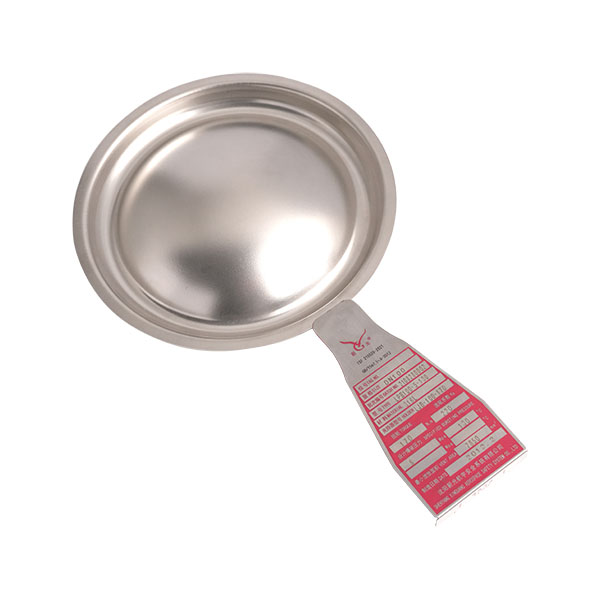
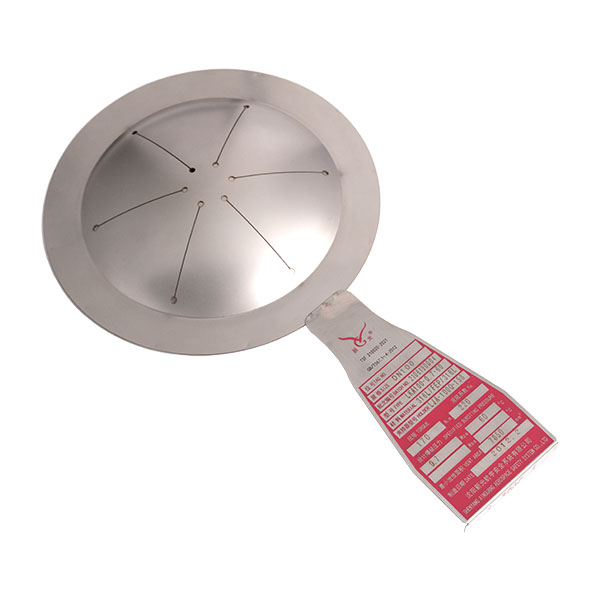
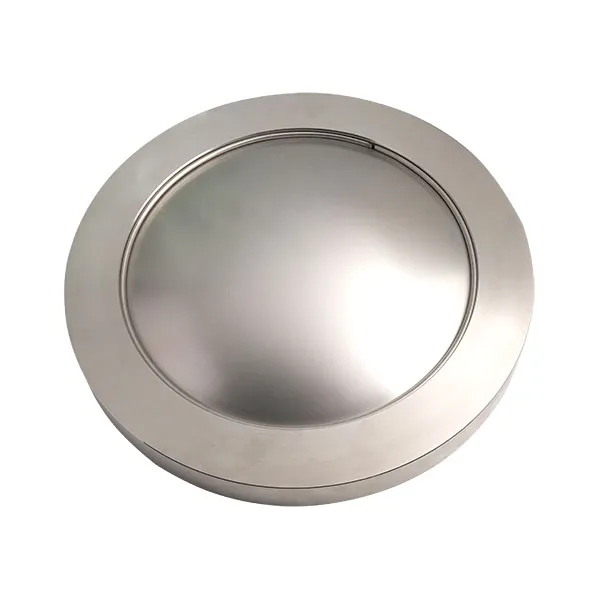
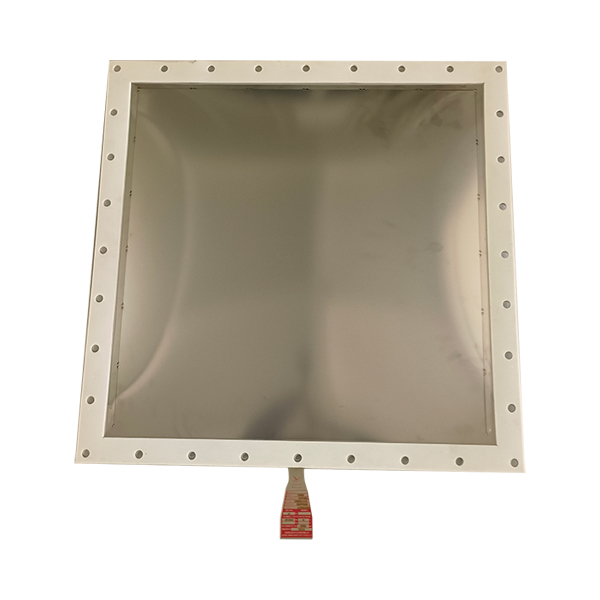
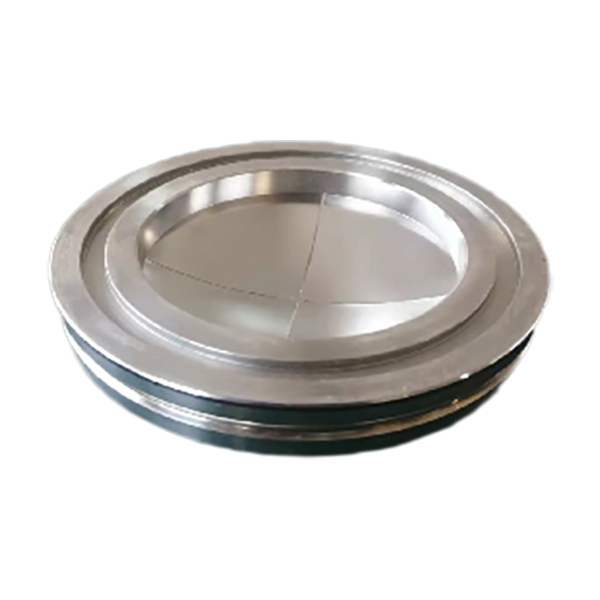
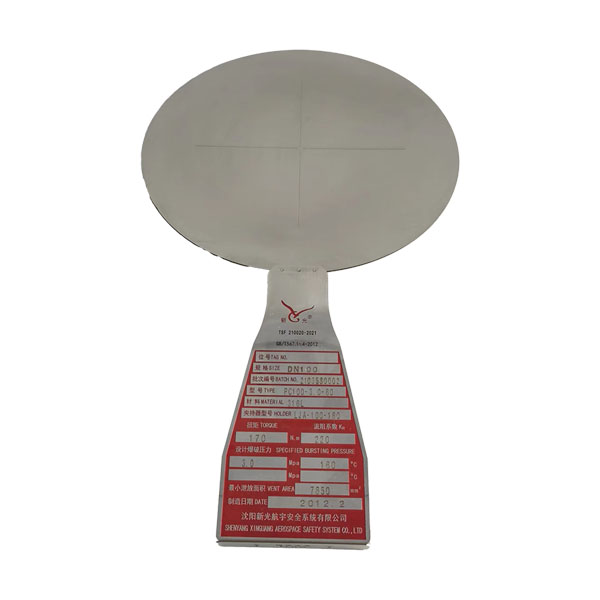
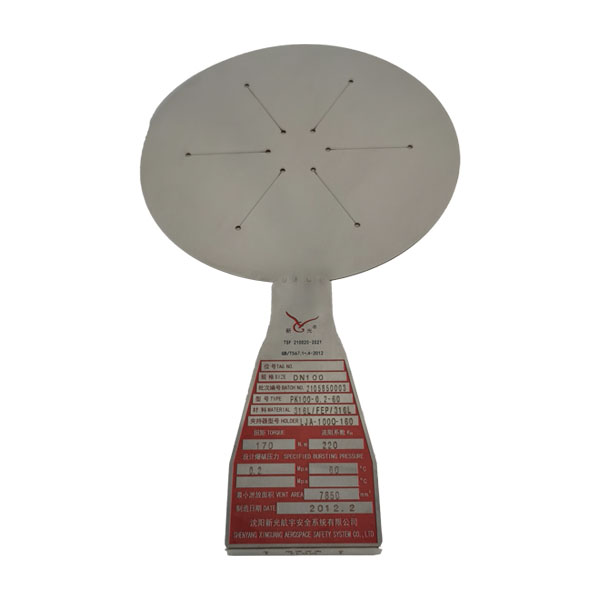
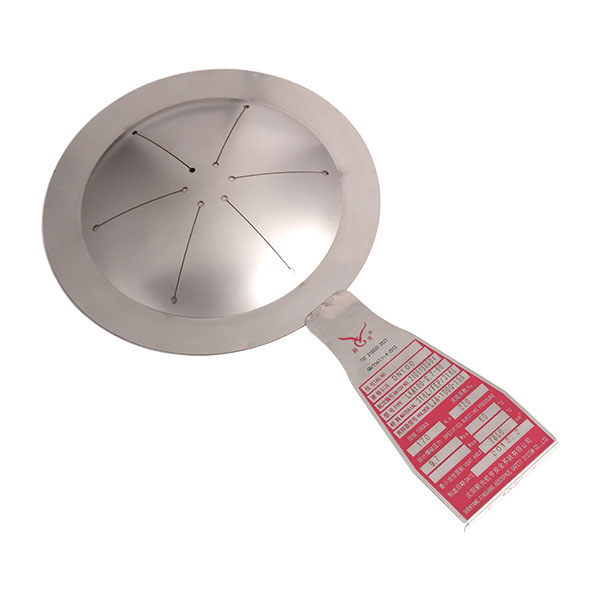
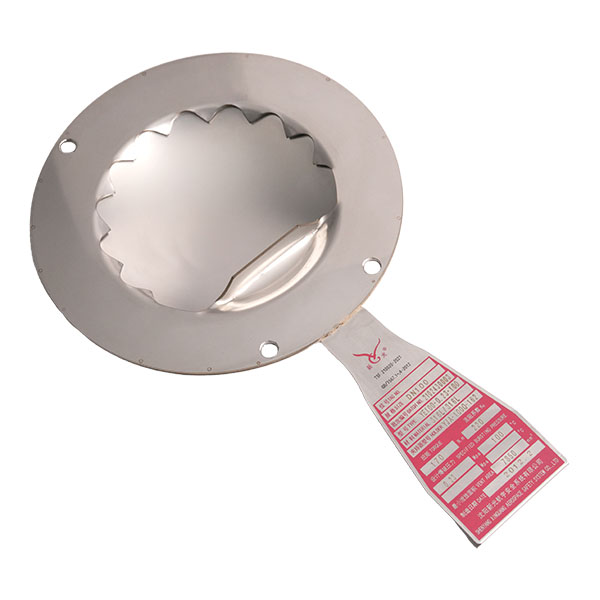
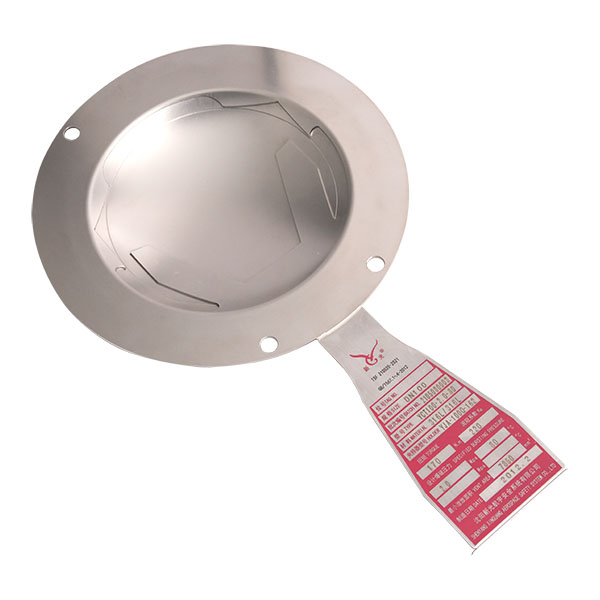
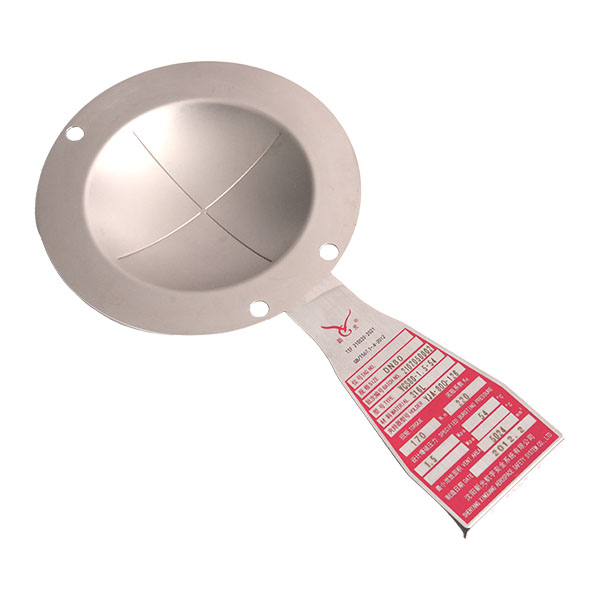
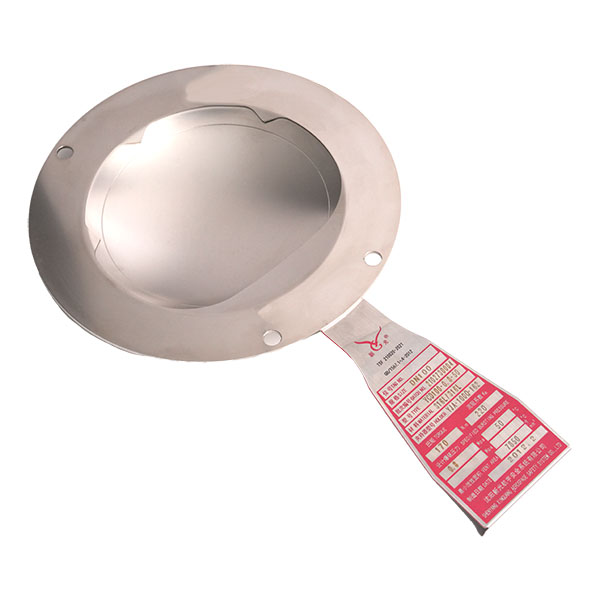
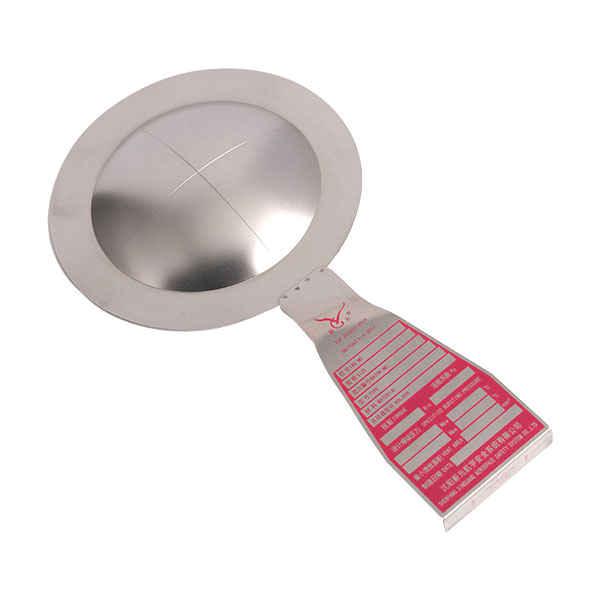
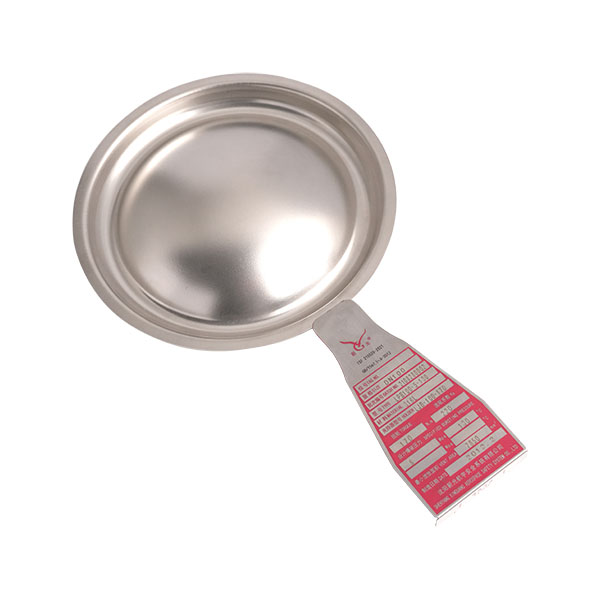
The ultimate, fail-safe solution is to replace the graphite disk with a Non-Fragmenting Reverse-Acting Metal Rupture Disk manufactured from highly corrosion-resistant exotic alloys.
Modern Materials: Modern engineering allows us to manufacture scored metal disks using materials like Tantalum, Hastelloy C276, Inconel, or Monel.
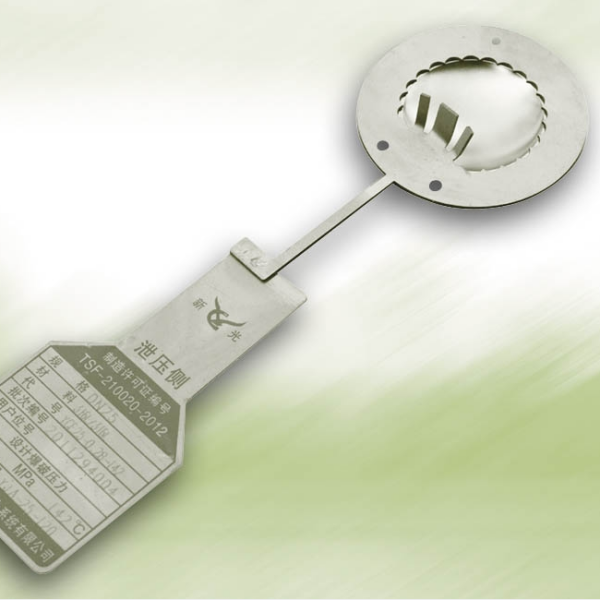
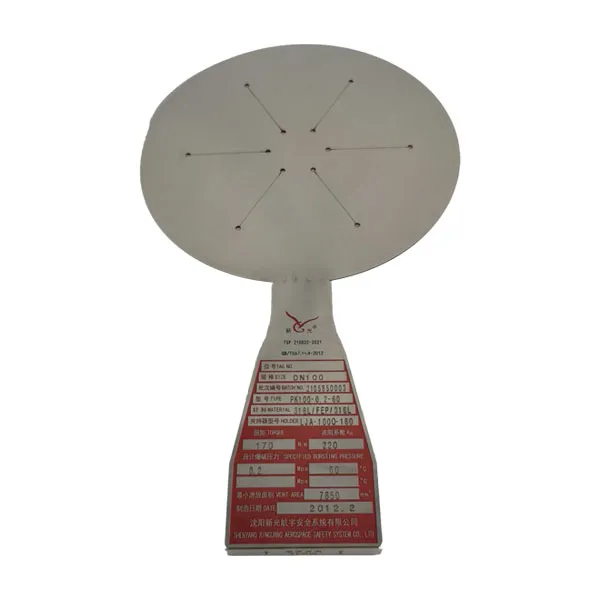
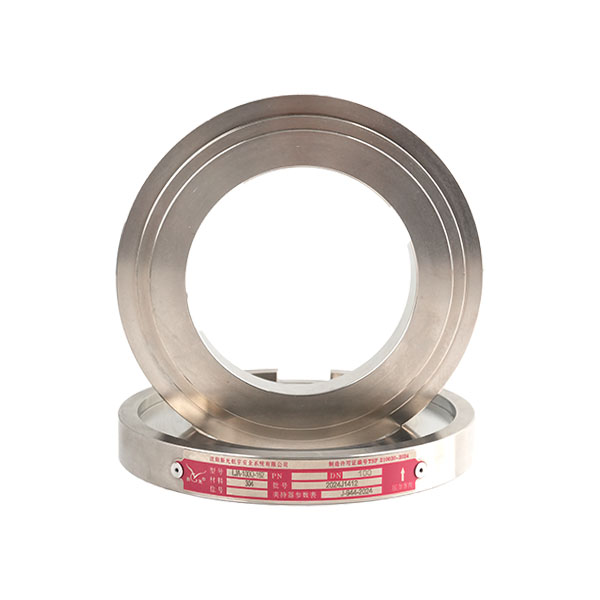
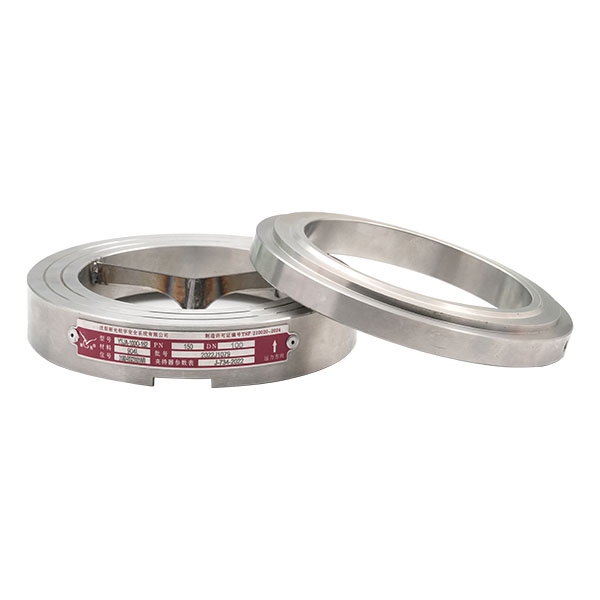
How it works: When a reverse-acting metal disk reaches its burst pressure, it buckles and tears precisely along pre-machined laser score lines. The metal "petals" fold back flat against the holder, providing a full, unobstructed flow area. Zero fragments are released.
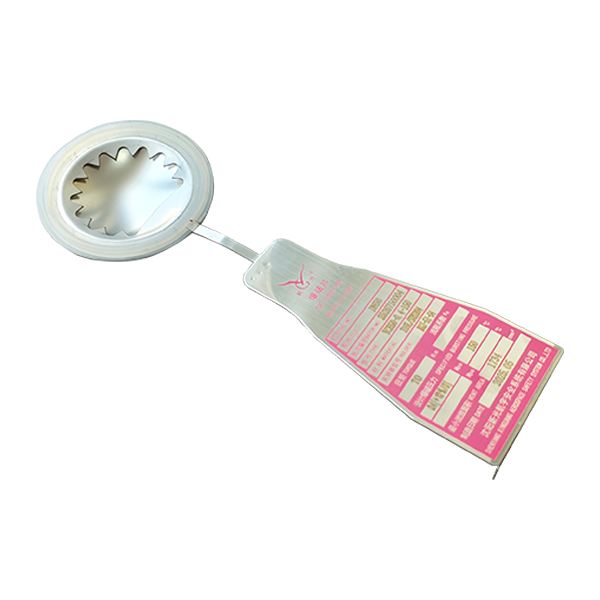
Fluoropolymer Liners: To achieve graphite-like corrosion resistance at a lower cost, process engineers can utilize standard stainless steel disks equipped with a FEP, PTFE, or PFA liner on the process side. The fluoropolymer barrier handles the aggressive chemicals, while the metal disk handles the precise, non-fragmenting burst mechanics.
Stop Sweeping Debris Out of Your Pipes.
While graphite disks are cheap and effective for simple atmospheric vents, they are a liability in complex, closed-loop piping systems or when placed in series with safety valves.
Are graphite fragments destroying your downstream valves or plugging your relief lines? It is time to upgrade your safety infrastructure.
Contact our technical sizing team today. We specialize in translating graphite disk specifications into highly durable, non-fragmenting exotic metal solutions designed for the harshest chemical environments.
