
In the complex world of industrial pressure relief, the "one-size-fits-all" approach is a dangerous misconception. While forward-acting and reverse-buckling domed rupture disks are the workhorses of high-pressure environments, they often struggle to perform reliably when the operating pressure drops into the "ultra-low" zone—typically below 15 psig, or even down to a few inches of water column.
This is where the Flat Rupture Disk (FRD), particularly the composite flat design, becomes the essential safety component. In this comprehensive guide, we will analyze the technical mechanics of flat rupture disks and identify the specific low-pressure scenarios where they are not just an option, but the only safe and reliable choice for protecting your equipment, personnel, and process integrity.
What is a Flat Rupture Disk? Understanding the Composite Design
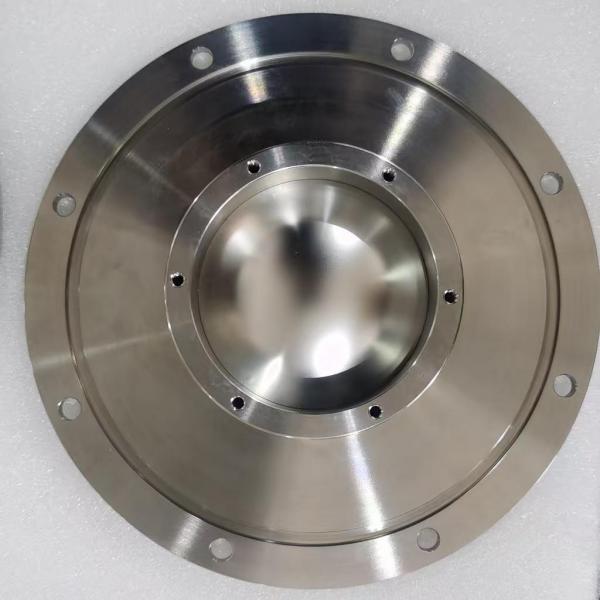
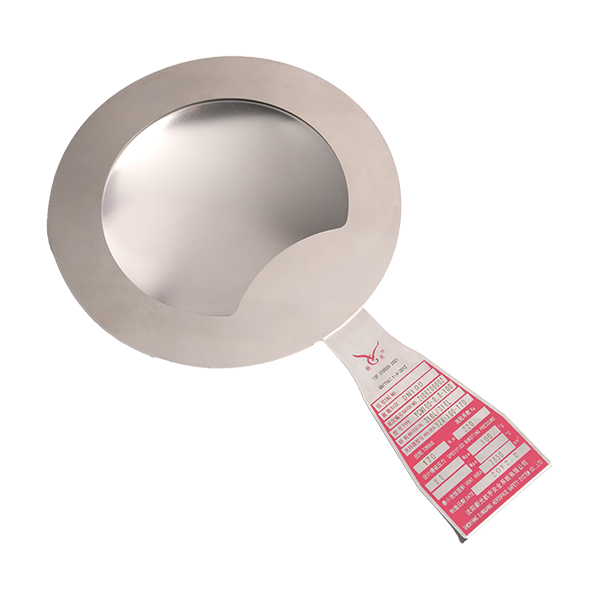
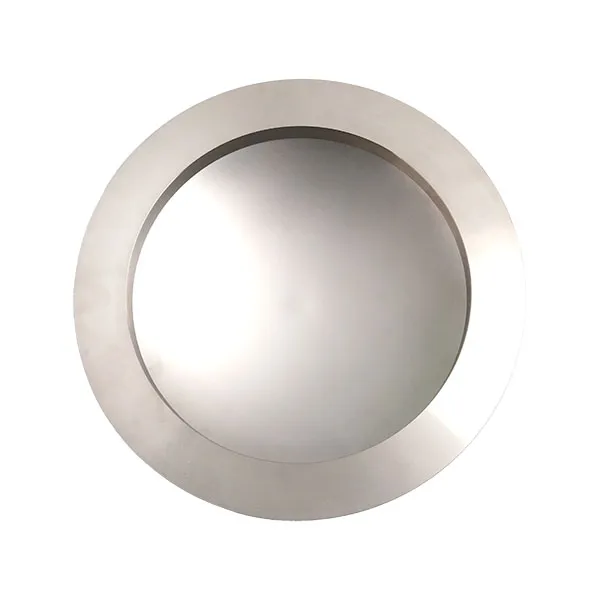
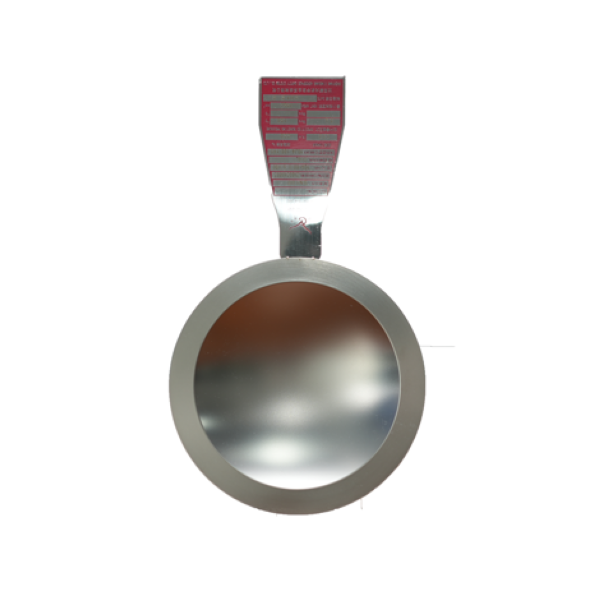
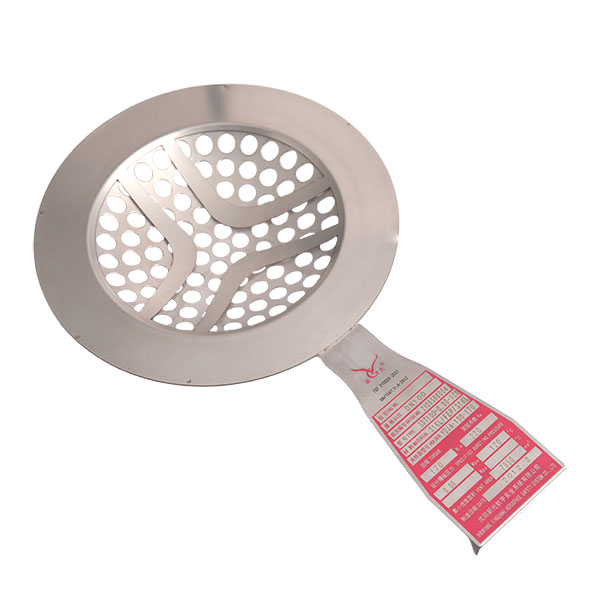
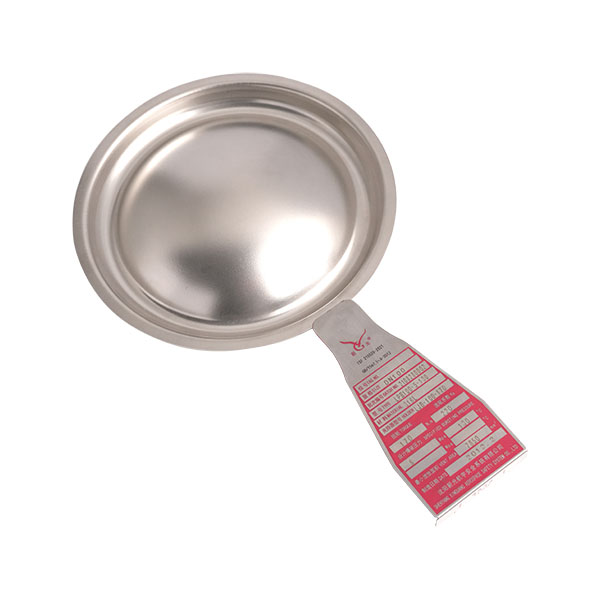
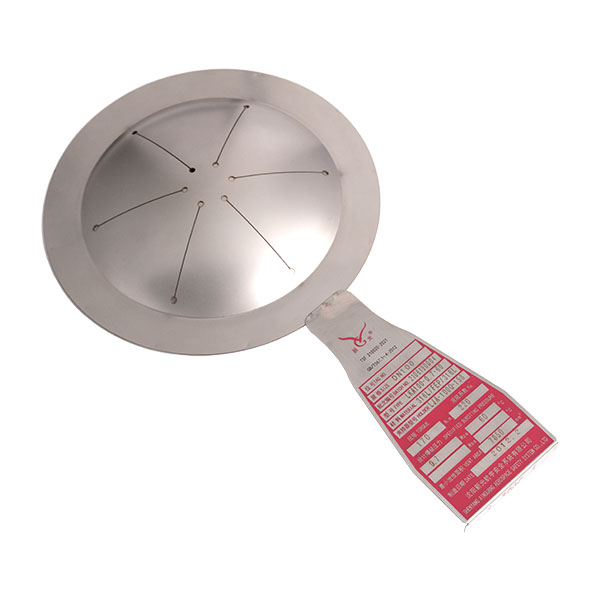
Unlike traditional metal disks that are pre-bulged or "domed" to increase structural rigidity, a flat rupture disk is designed with a flat profile. In low-pressure applications, a single solid piece of metal would either be too thick to burst at the required low pressure or too thin to be handled safely during installation.
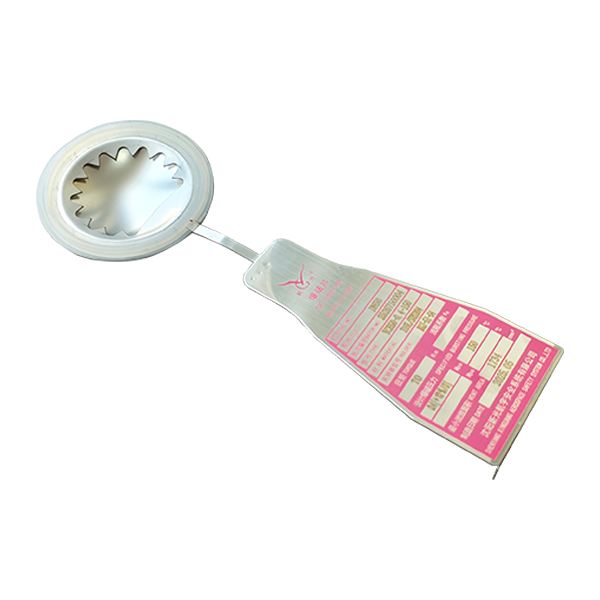
To solve this, modern flat disks utilize a composite construction. This usually involves a "sandwich" of three or more layers:
·The Slotted Top Section: A precision-engineered metal layer (often Stainless Steel, Hastelloy, or Monel) with laser-cut slots that determine the burst pressure.
·The Seal Member: A thin membrane, typically made of Teflon (PTFE), FEP, or PFA, which provides a leak-tight seal and superior chemical resistance.
·The Vacuum Support/Bottom Section: An additional layer designed to prevent the disk from collapsing or "flexing" in the opposite direction under vacuum or backpressure conditions.
Top 5 Scenarios for Implementing Flat Rupture Disks
1. Atmospheric and Low-Pressure Storage Tanks (API 650/620)
Bulk storage tanks for chemicals, food products, and fuels are often designed with thin walls to minimize material costs. These tanks are highly susceptible to "tank suck-in" (vacuum collapse) during pump-out operations or "over-pressurization" due to thermal expansion.
Standard domed disks require a certain "snap" energy to open, which may not be present at pressures as low as 1-2 psig. A flat composite rupture disk is the ideal solution here, as it can be calibrated to burst at extremely low thresholds, ensuring the safety device activates before the tank shell suffers permanent deformation.
2. Protection for FRP and Plastic Vessels
Fiber-reinforced plastic (FRP) and thermoplastic tanks (like PE or PP) are favored for their corrosion resistance but are notoriously brittle compared to steel. They cannot withstand high pressure spikes or the wide burst tolerances common in heavy-duty metal disks.
Flat rupture disks provide a "gentle" and precise relief. Because they are tension-loaded and utilize laser-slotted technology, they offer a tighter burst tolerance (often +/- 5%), which is critical for staying within the narrow safety margins of non-metallic vessels.
3. Sanitary Silos and Dust Collection Systems
In the pharmaceutical and food processing industries, hygiene is paramount. Traditional domed disks can create a "pocket" where product accumulates, leading to bacterial growth or cross-contamination.
The flat profile of an FRD minimizes "dead space." When installed flush with the vessel wall, it prevents product buildup. Furthermore, for systems handling combustible dusts (like flour, sugar, or pharmaceutical powders), flat disks serve as reliable, low-inertia explosion vents that react instantly to a pressure front.
4. Isolation of Safety Relief Valves (SRV) in Tight Spaces
Engineers often install a rupture disk in series with a safety valve to protect the valve from corrosive media or to prevent fugitive emissions. However, in many low-pressure piping systems, there is limited space between flanges.
A flat rupture disk is significantly lower in profile than a domed disk. It typically fits within standard ANSI or DIN flange bolt circles without requiring a bulky, specialized holder or a "spool piece," making it an excellent choice for retrofitting safety systems in compact chemical plants.
5. Laboratory Reactors and Pilot Plants
Research environments often involve specialized glassware or small-scale reactors with very low pressure ratings. A flat, miniature rupture disk made of fluoropolymer or thin-gauge alloy can provide the high-precision, low-impact protection needed to prevent expensive laboratory equipment from shattering during an unexpected exothermic reaction.
Technical Advantages of the Flat Design
Non-Fragmenting Design
Safety is not just about relieving pressure; it’s about doing so without creating new hazards. Most flat composite disks are designed to be non-fragmenting. Upon activation, the "petals" of the disk remain attached to the frame. This is crucial in low-pressure systems where metal fragments could easily travel downstream and damage low-pressure blowers, sensors, or contaminate the final product.
Superior Chemical Resistance
Because flat disks do not require the intense mechanical forming (bulging) used for domed disks, manufacturers can use a wider variety of lining materials. Thick PTFE liners can be integrated without the risk of cracking during the manufacturing process, providing a virtually "bulletproof" barrier against aggressive acids, bases, and organic solvents.
Bi-Directional Capability
In many low-pressure applications, the risk is not just over-pressure, but also vacuum. A flat disk can be engineered with a specialized vacuum support that allows it to withstand full vacuum in one direction while still maintaining a burst setting as low as 5 psig in the positive direction. This bi-directional reliability is a hallmark of high-quality flat disk engineering.
Critical Engineering Tip: Never Ignore Vacuum Support
The most frequent cause of premature rupture disk failure in low-pressure systems is fatigue due to vacuum cycling. Because flat disks are thin by nature, even a slight vacuum (caused by fluid cooling or a pump-out) can cause the disk to "flex" back and forth. Over time, this mechanical stress leads to metal fatigue.
When specifying a flat rupture disk, always provide your supplier with the vacuum conditions of your process. A properly designed vacuum support is the difference between a safety device that lasts for years and one that fails unexpectedly after three months.
Selecting the Right Tool for the Job
Flat rupture disks are the precision instruments of the pressure relief world. While they aren't intended for high-pressure steam lines or high-stress hydraulic systems, they are irreplaceable for atmospheric tanks, FRP vessels, and sanitary environments.
If your system operates at pressures where a standard disk simply cannot be calibrated accurately, it is time to look at the flat composite design. By choosing a flat rupture disk, you ensure higher accuracy, better chemical resistance, and a safer operating environment for your low-pressure assets.
Need a sizing calculation for your low-pressure vessel? Our engineering team specializes in ASME Section VIII and API 2000 compliant solutions. Contact us today for a technical consultation and ensure your plant is protected by the right technology.
