
In the brutal environments of chemical processing, pharmaceutical manufacturing, and petrochemical refining, process engineers wage a daily war against corrosion. When dealing with aggressive media like wet chlorine, hydrochloric acid, and sulfuric acid, standard steel components dissolve rapidly.
When selecting a rupture disk to protect vessels in these highly corrosive environments, engineers generally face a crossroads: Should they rely on the old industry workhorse, the Graphite Rupture Disk, or upgrade to an Exotic Metal Rupture Disk?
Choosing the wrong material can lead to frequent replacements, process contamination, or dangerous fragmentation. In this selection guide, we compare the strengths and critical flaws of both technologies.
The Graphite Rupture Disk: The Corrosive Specialist
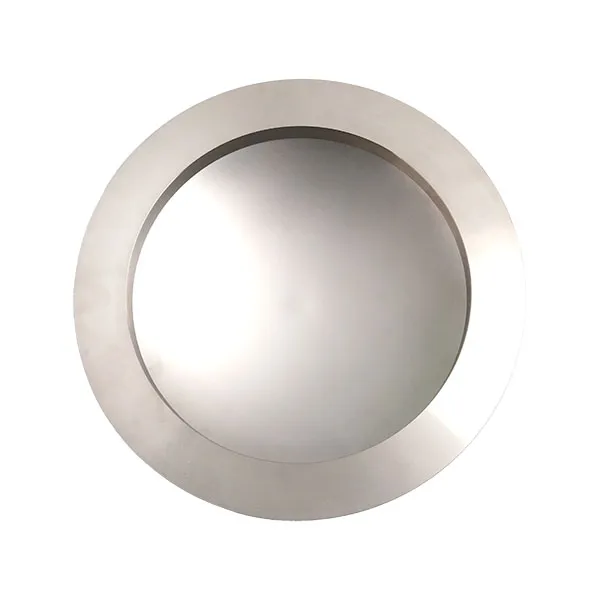
Graphite disks are machined from high-purity carbon (graphite) that has been impregnated with specialized resins to make it impermeable to gases. They are essentially flat plates with calibrated thicknesses.
Advantages of Graphite:
Exceptional Corrosion Resistance: This is graphite's primary selling point. It is chemically inert to almost all acids, alkalis, and organic solvents. It can survive in highly aggressive environments where even 316 Stainless Steel would fail in hours.
Low Initial Cost: Compared to solid sheets of rare exotic metals, graphite is relatively inexpensive to manufacture and machine, making it a budget-friendly option for low-pressure atmospheric vents.
Self-Supporting in Vacuum: Due to their thick, flat design, many graphite disks can withstand full vacuum without the need for additional metallic vacuum supports.
Disadvantages of Graphite:
Catastrophic Fragmentation: This is the fatal flaw of graphite. Upon bursting, it shatters completely. Hundreds of jagged carbon fragments will be blown down your relief piping. This makes them strictly forbidden for use upstream of a safety relief valve (PRV), as the debris will destroy the valve internals.
Low Operating Ratios: Graphite disks are brittle and cannot handle pressure pulsations well. They typically require a low operating ratio, meaning your process pressure must stay well below the disk's burst rating.
Extreme Sensitivity to Torque: If a maintenance technician tightens the flange bolts unevenly, the brittle graphite will crack during installation, destroying the disk before it even sees process pressure.
The Metal Rupture Disk (Exotic Alloys): The Precision Standard
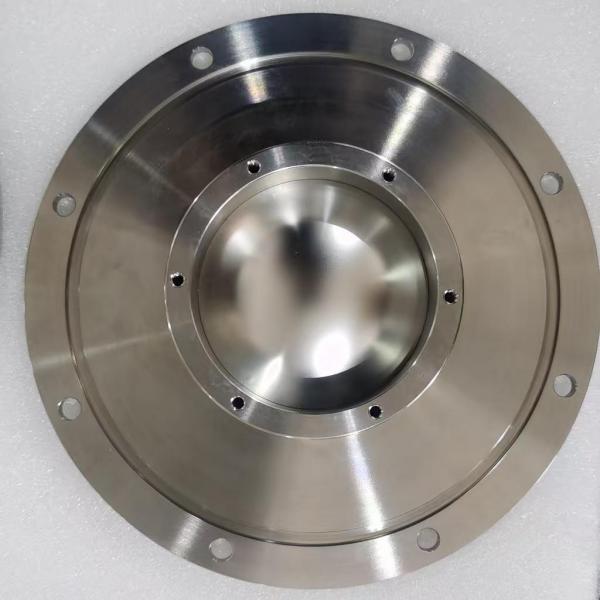
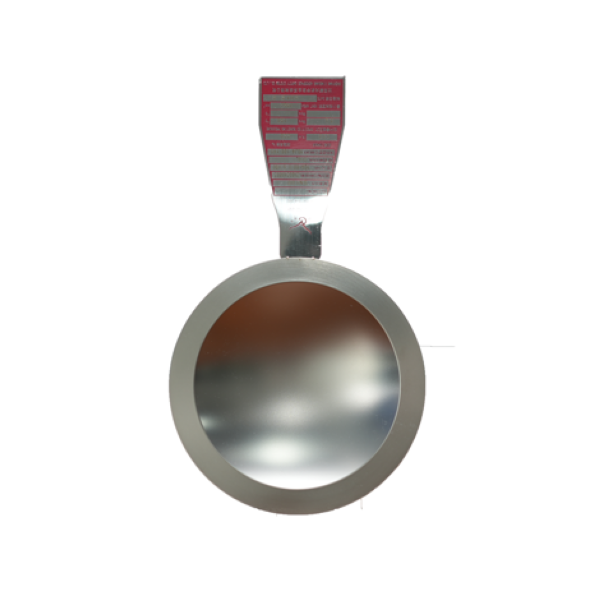
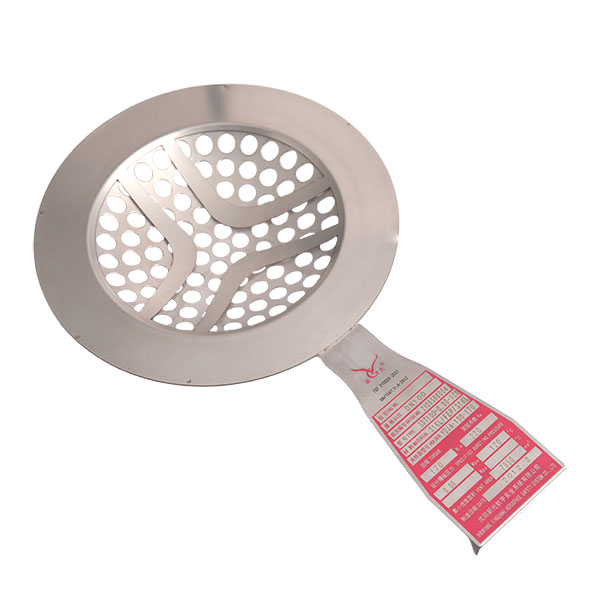
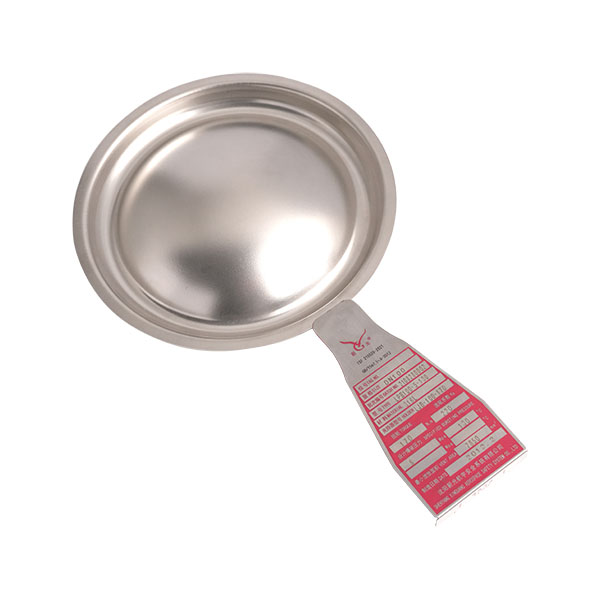
Modern metal rupture disks are engineered from thin foils of highly corrosion-resistant exotic alloys, such as Hastelloy® C276, Tantalum, Inconel®, Monel®, and Titanium.
Advantages of Metal Disks:
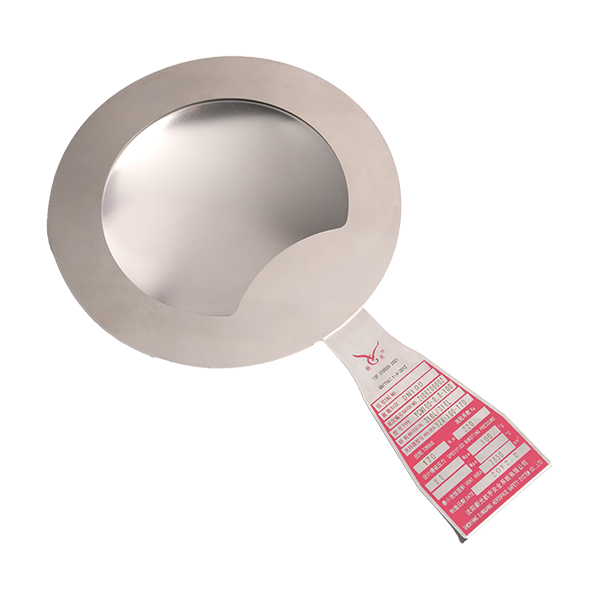
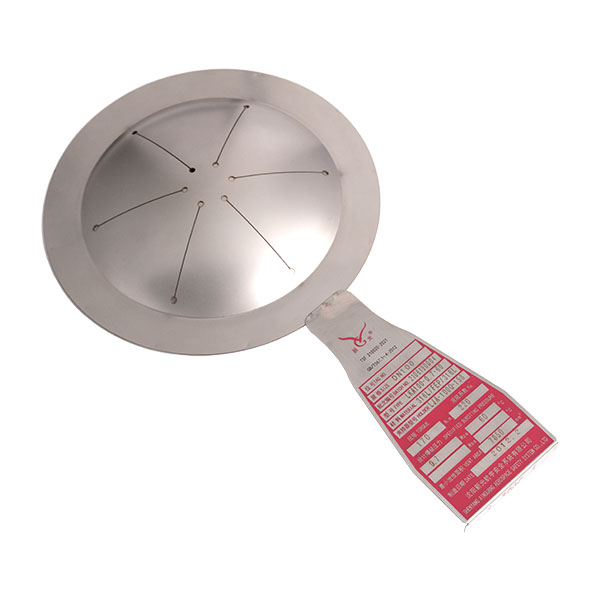
Non-Fragmenting by Design: High-quality scored metal disks (especially reverse-acting models) tear cleanly along laser-machined lines. They open in a petal formation, releasing zero debris. They are perfectly safe to use upstream of PRVs or in closed-loop systems.
Superior Fatigue Life & High Operating Ratios: Reverse-acting metal disks can operate up to 95% of their burst pressure and withstand hundreds of thousands of pressure cycles without fatigue.
Extreme High Pressure and Temperature: Metal disks can be engineered to burst at incredibly high pressures (thousands of PSI) and withstand extreme thermal environments that would melt the resins holding a graphite disk together.
Disadvantages of Metal Disks:
Material Cost: Purchasing a solid Tantalum or Hastelloy rupture disk is significantly more expensive upfront than buying a standard graphite disk.
The Hybrid Solution: Fluoropolymer-Lined Metal Disks
What if you want the zero-fragmentation and high fatigue life of a metal disk, but your budget cannot justify solid Tantalum to fight the acid?
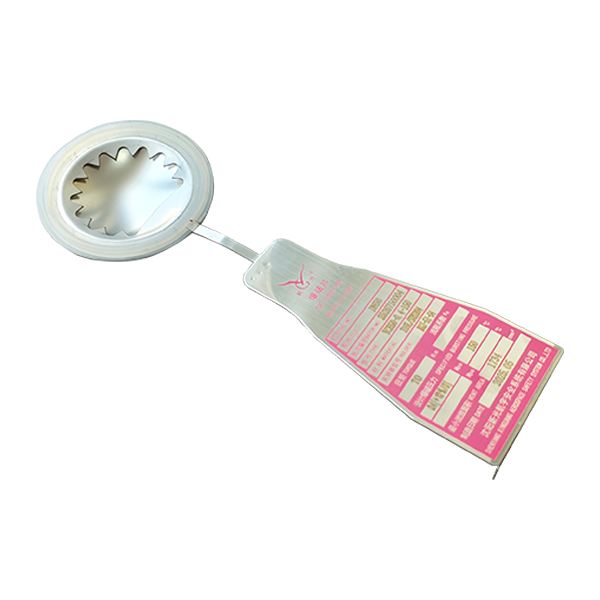
Process engineers can specify the "Hybrid Solution": A standard 316L Stainless Steel rupture disk equipped with a Fluoropolymer liner (such as PTFE, FEP, or PFA) on the process side.
The PTFE liner acts as an impenetrable shield, protecting the affordable stainless steel from the highly corrosive acid. Meanwhile, the stainless steel dome handles the precise mechanical burst physics. This provides the ultimate combination of supreme corrosion resistance, zero fragmentation, and exceptional cost-effectiveness.
While graphite rupture disks remain a viable, low-cost option for simple atmospheric relief lines, modern chemical facilities are increasingly migrating to exotic metal and PTFE-lined disks to eliminate fragmentation risks and increase system uptime.
Are you tired of graphite fragments plugging your vent headers? Need a highly precise, corrosion-resistant solution for your reactor vessels? Contact our material engineers today. We will help you select the perfect metal alloy or fluoropolymer-lined disk to outlast your toughest chemical environments.
