
I. Fatigue Failure Due to Pressure Fluctuations
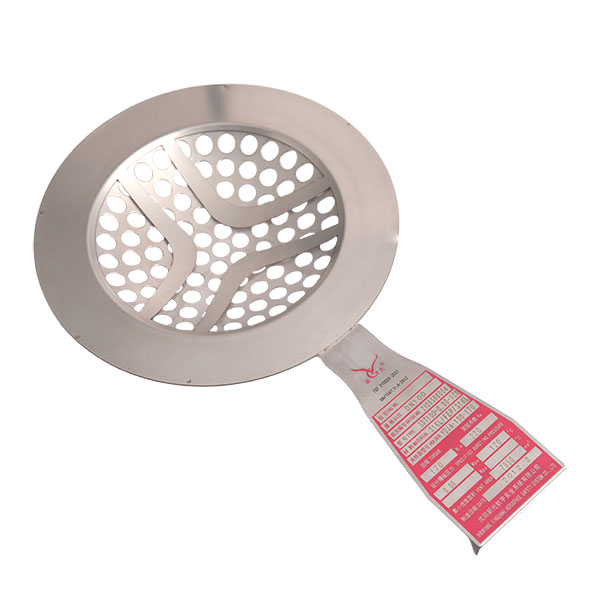
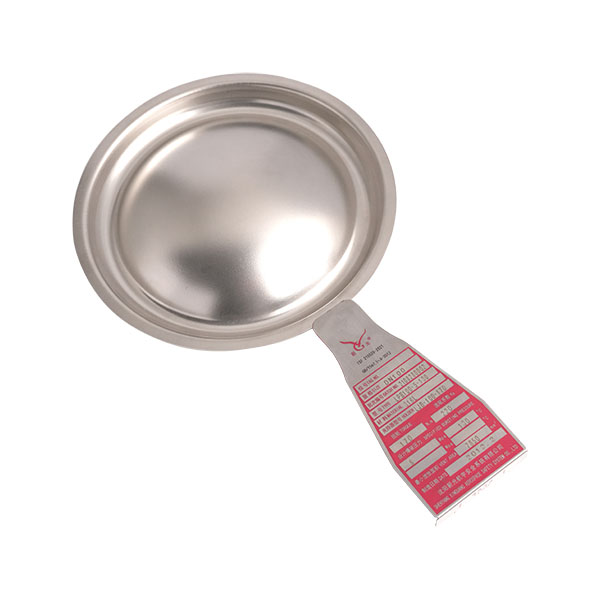
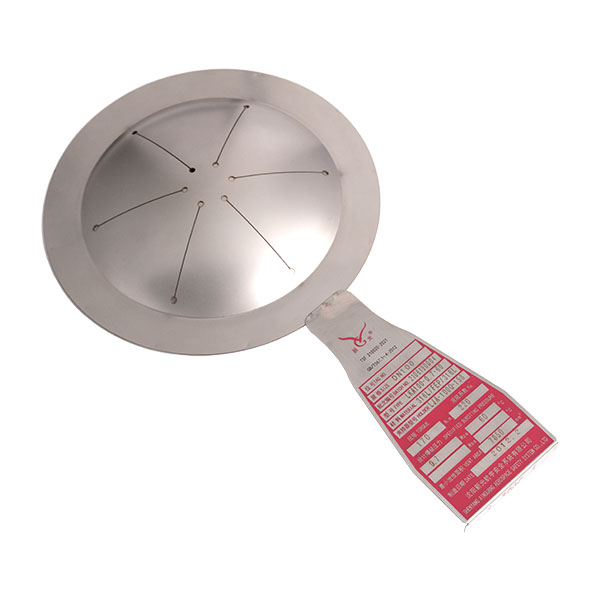
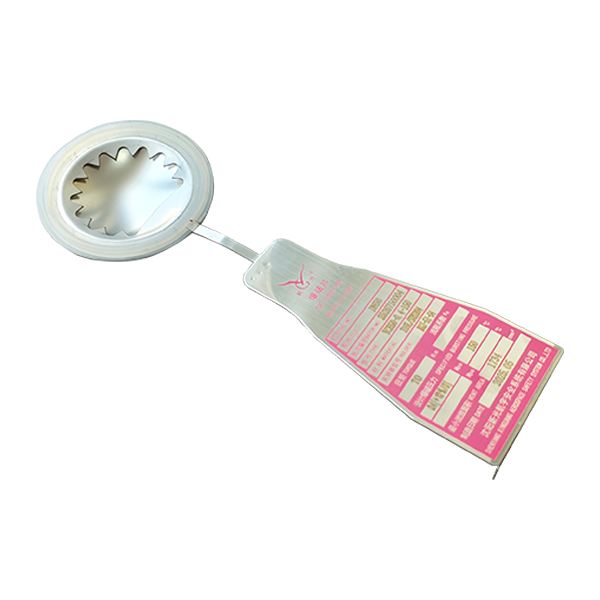
In many industrial systems, equipment operation generates frequent pressure fluctuations. For example, in compressor systems, pumping systems, and some chemical reaction equipment, the pressure is not always stable but constantly changing. Long-term pressure fluctuations can cause fatigue in the rupture discs. When fatigue accumulates to a certain level, the Bursting Discs may rupture prematurely even if the system pressure has not reached the set burst pressure. This situation is commonly referred to as fatigue failure. To reduce this problem, it is generally recommended to use Bursting Disc types with stronger fatigue resistance, such as anti-cavitation rupture discs, in systems with large pressure fluctuations.
II. Material Damage Caused by Corrosion
In the chemical industry, many media are highly corrosive, such as acids, alkalis, and various chemical solvents. If the Bursting Disc material is not suitable for the current media environment, corrosion problems may occur, thus affecting the accuracy of the burst pressure. In severe cases, bursting discs may even rupture at pressures far below their design pressure. To avoid this, it is necessary to select appropriate materials based on the characteristics of the medium. For example, in highly corrosive environments, graphite rupture discs can be chosen.
III. Improper Installation
During the installation of bursting discs, improper handling or non-compliance with procedures can compromise their performance. For instance:
Incorrect orientation of the bursting disc;
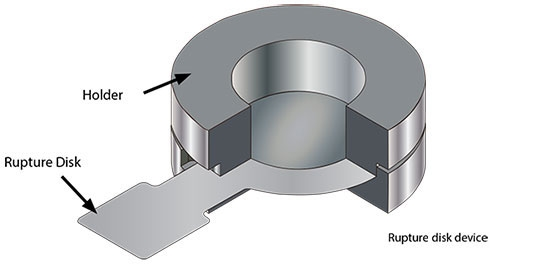
Uneven seating of the holder assembly;
Inconsistent bolt tightening torque;
Mechanical damage sustained during installation.
These issues alter the stress distribution within the bursting disc, thereby interfering with its proper operation. In severe cases, this may even lead to the disc leaking or rupturing prematurely under normal operating pressure. When installing bursting discs, it is imperative to adhere strictly to technical specifications, ensure a clean installation environment, and take precautions to avoid damaging the surface of the disc.
IV. Impact of Temperature Factors
Temperature fluctuations can also significantly affect the performance of bursting discs. The rupture pressure of a bursting disc is typically calibrated under specific temperature conditions; if the actual operating temperature deviates significantly from the design temperature, the actual rupture pressure may change. In high-temperature environments, material strength may diminish, resulting in a lower rupture pressure; conversely, in low-temperature environments, certain materials may become more brittle, potentially compromising the stability of the bursting disc. When selecting bursting discs, it is essential to thoroughly consider the system's operating temperature range and choose materials and structural designs that are suitable for those specific thermal conditions.
Bursting discs play a critical role in industrial pressure protection systems; however, in practical applications, improper selection, faulty installation, or complex operating environments can all lead to bursting disc failure. By appropriately selecting the type of bursting disc, ensuring correct installation, and conducting regular inspections and maintenance, the risk of failure can be effectively mitigated, thereby enhancing the overall safety and stability of industrial systems.
