
ASME-Certified Pressure Vessels: Selection Guide and Specifications for Reverse Buckling Rupture Discs:
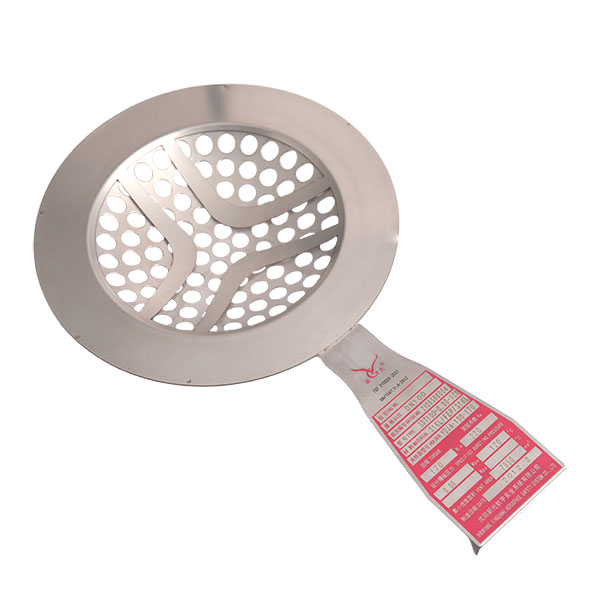
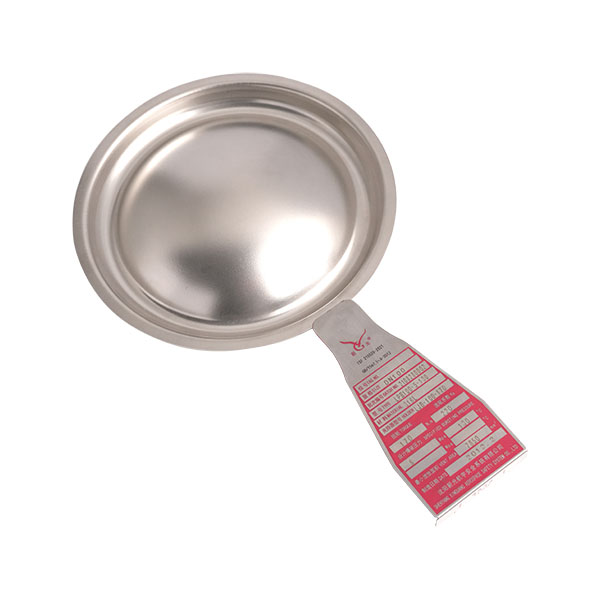
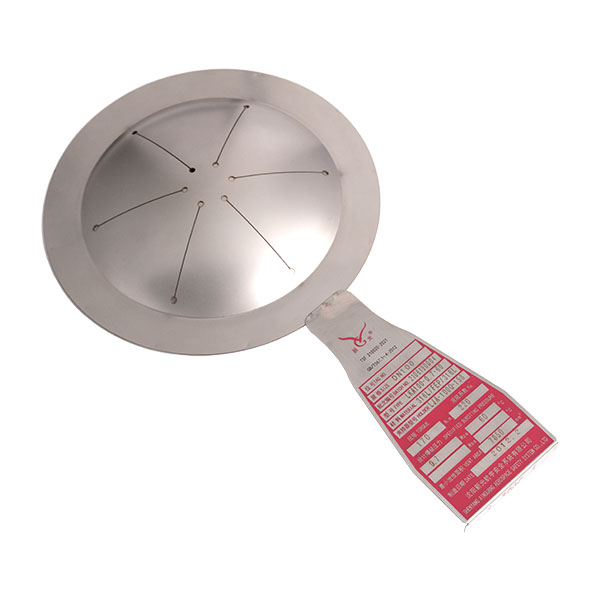
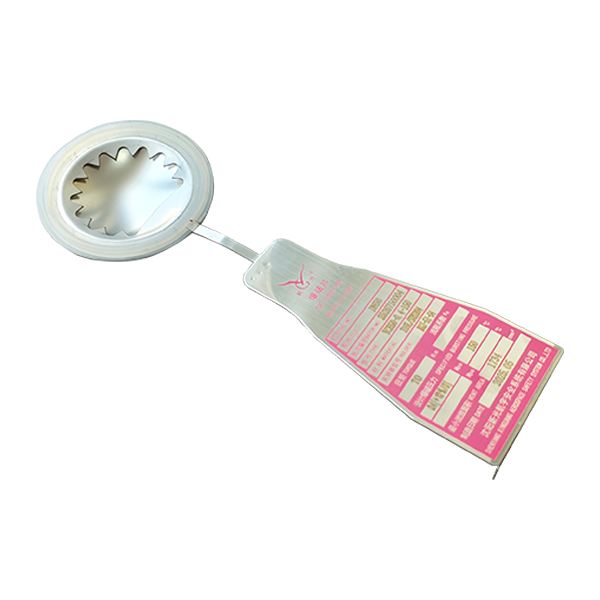
Among the many types of rupture discs available, the Reverse Buckling Rupture Disc stands as the standard choice for high-end pressure vessels.
Why are Reverse Buckling Rupture Discs the Preferred Choice for Export Pressure Vessels?
Compared to traditional forward-acting rupture discs, Reverse Buckling Rupture Discs offer overwhelming technical advantages in demanding operating conditions:
1. Extremely High Operating Ratio:
Conventional forward-acting rupture discs can typically only withstand a daily operating pressure of up to 70% of their rated burst pressure; conversely, Reverse Buckling Rupture Discs boast an operating ratio as high as 90% to 95%. This means your pressure vessel can operate efficiently at pressures much closer to its design limit without causing premature fatigue of the rupture disc.
2. Superior Resistance to Pulsation Fatigue:
In systems characterized by frequent pressure fluctuations—such as the outlets of air compressors or reciprocating pumps—the reverse-acting structure can withstand tens of thousands of pressure pulses without failure.
3. Non-Fragmenting Rupture:
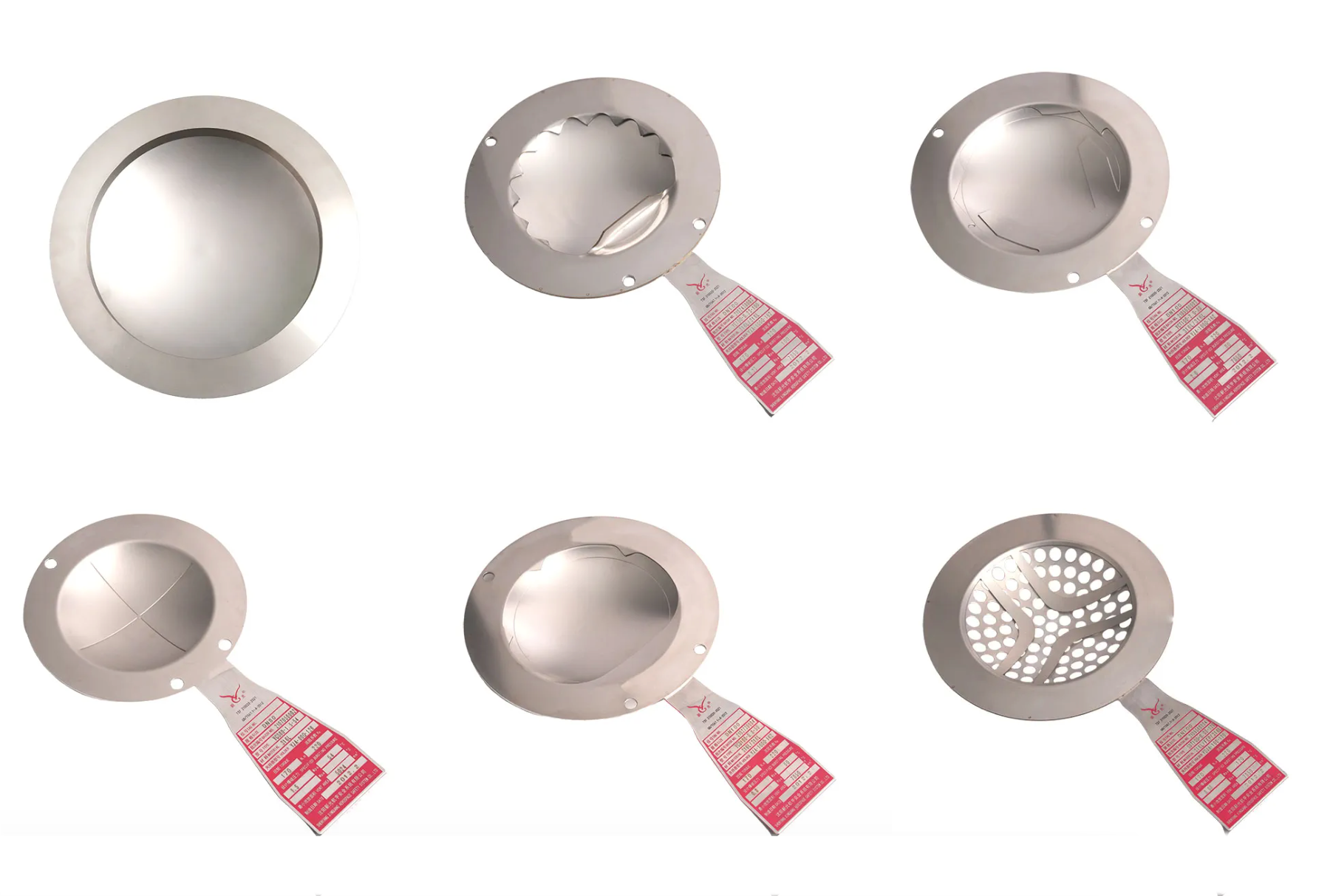
When a Reverse Buckling Rupture Disc bursts, it tears open along pre-scored lines (either cross-scored or circumferentially scored patterns) without generating metal fragments. This is a prerequisite for its use in series combination with a safety relief valve, as it effectively prevents fragments from jamming the safety valve seat.
Key Selection Parameters Under ASME Standards (A Must-Read for Engineers):
Selecting the right rupture disc involves more than simply confirming pressure and temperature requirements; it requires a thorough understanding of the underlying parameter logic mandated by ASME standards:
1. Look for the ASME "UD" Stamp and NB Registration.
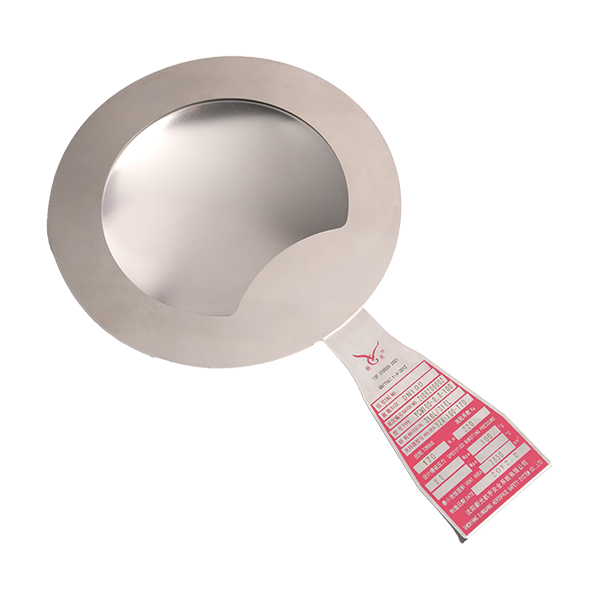
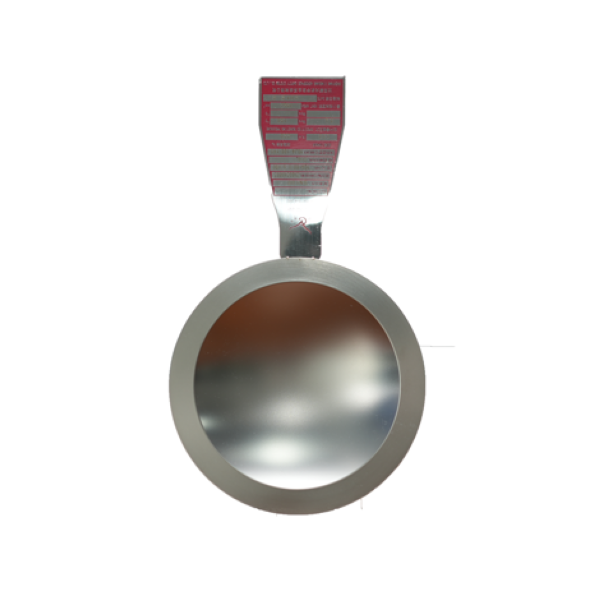
Merely claiming "compliance with ASME standards" is insufficient. A truly compliant rupture disc must undergo capacity certification by the National Board of Boiler and Pressure Vessel Inspectors and bear the ASME "UD" stamp on its metal nameplate. When making a selection, always require the supplier to provide proof of NB registration along with the corresponding coefficient of discharge (Kd value).
2. Precisely Define the MDR (Manufacturing Design Range) and Burst Tolerance.
· Burst Tolerance: ASME stipulates that when the specified burst pressure exceeds 40 psig (2.76 bar), the standard burst tolerance is ±5%.
· MDR (Manufacturing Design Range): This refers to the tolerance range within which the manufacturer produces the rupture disc. To maximize the utilization of a vessel's design pressure, high-end manufacturers typically offer "Zero Range" (Zero MDR) reverse-buckling rupture discs. This means that if you specify a calibrated burst pressure of 100 bar, the manufacturer will produce the disc based on that exact 100-bar baseline, without applying any downward offset from the design pressure.
Typical Configuration: ASME Code for Rupture Discs in Series with Safety Valves:
For vessels containing highly toxic or corrosive substances, or those requiring "zero leakage" (such as hydrogen systems), engineers typically install a reverse-buckling rupture disc on the inlet side of the safety valve.
Upon rupturing, the disc must not obstruct the safety valve's normal discharge capacity (therefore, a non-fragmenting reverse-buckling type must be selected).
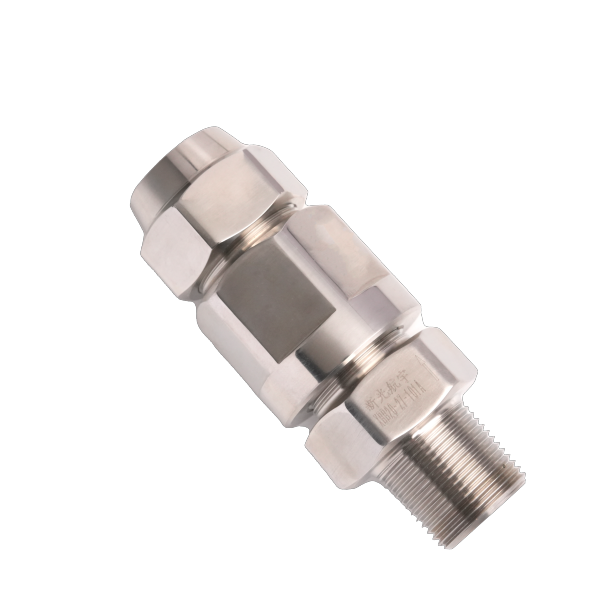
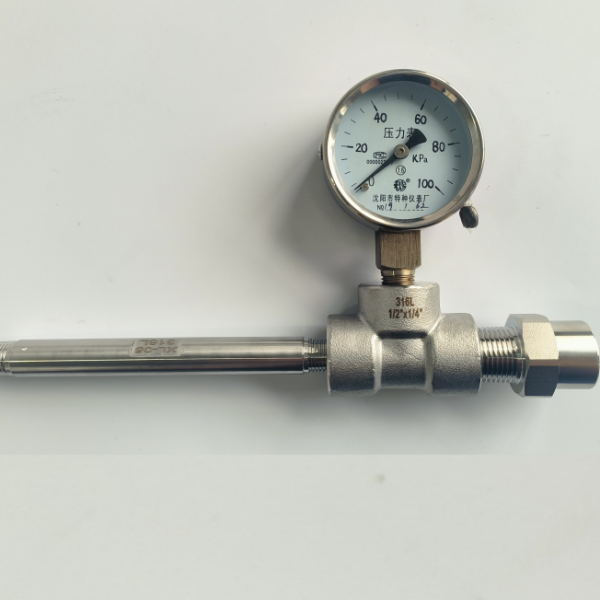
Intermediate Chamber Venting Requirements: The enclosed space situated between the two devices must be equipped with a drain line, a vent valve, and a pressure gauge or alarm. If the rupture disc develops a minor leak, the resulting back pressure within the chamber will prevent the disc from bursting at its designated set pressure.
"Three Parts Product, Seven Parts Installation": Rupture Disc Holder Specifications:
Never mix and match holders indiscriminately! Reverse-buckling rupture discs are extremely sensitive to installation conditions:
Torque Control: The burst accuracy of a reverse-buckling disc is determined by the height of its dome. If the flange bolts are overtightened (excessive torque), the dome will deform, causing a drastic drop in the actual burst pressure.
Incorrect Orientation: If a reverse-buckling disc is installed backward—with its concave side facing the process medium—its actual burst pressure will skyrocket to 1.5 times the original set pressure or even higher; this constitutes an extremely hazardous situation!
