
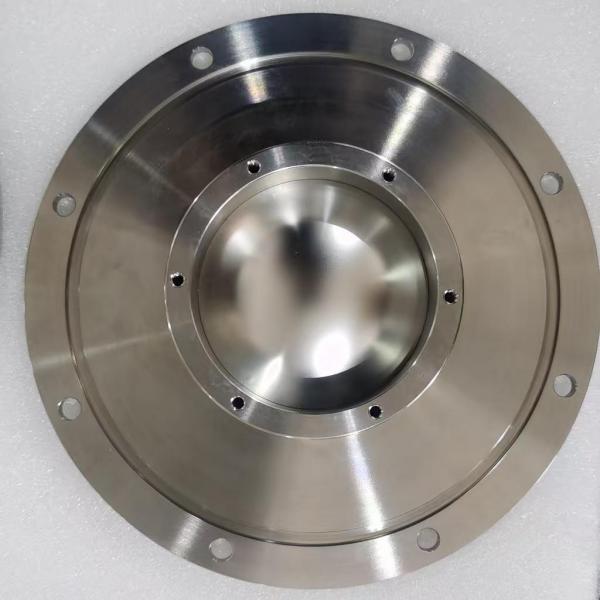
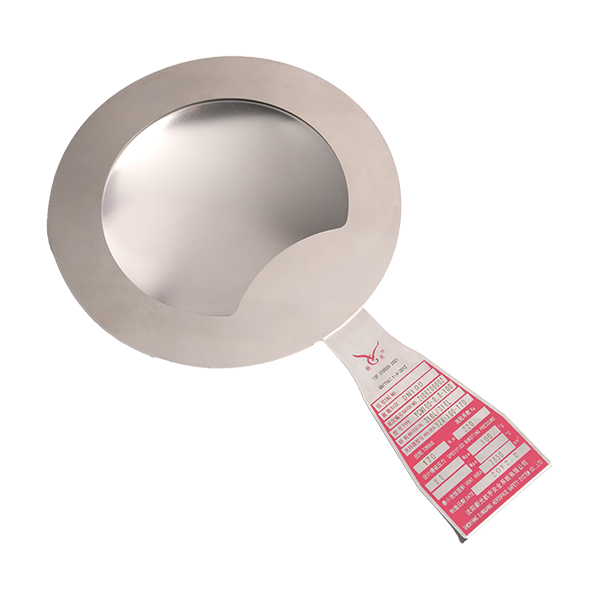
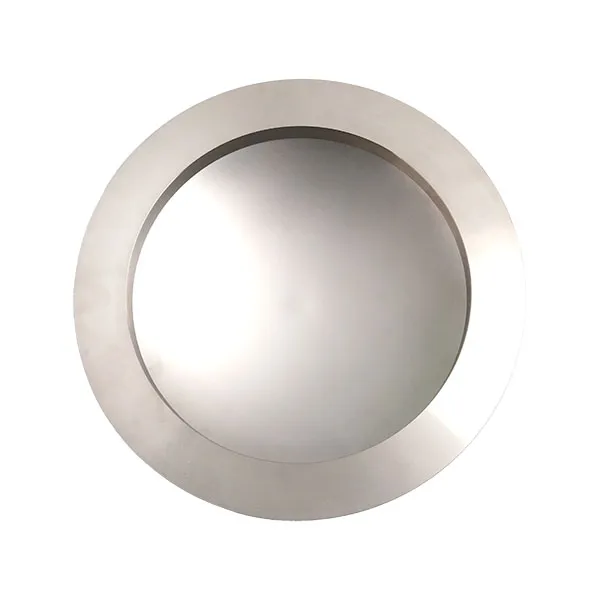
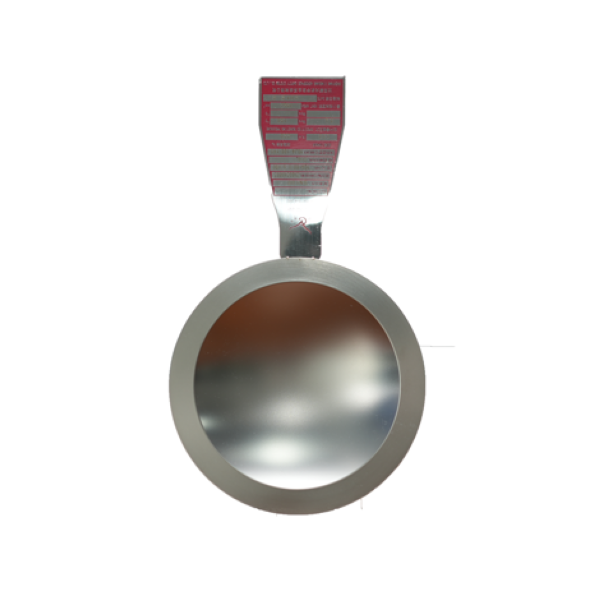
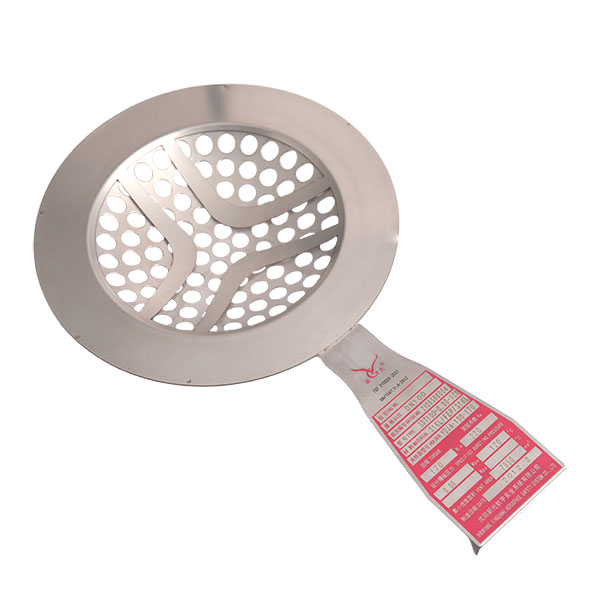
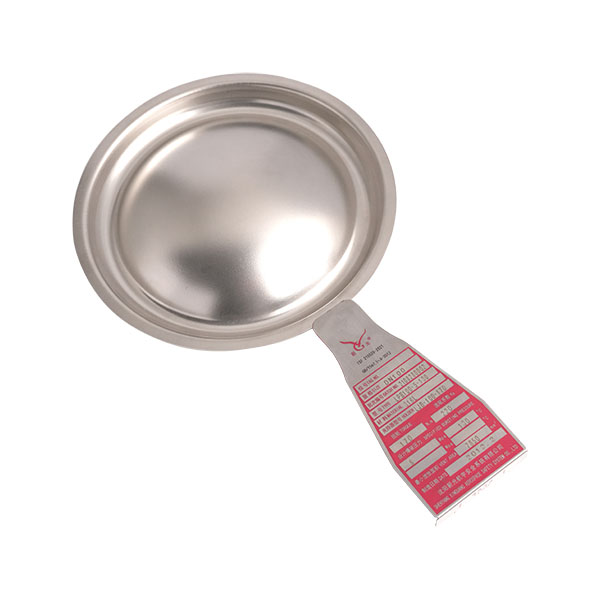
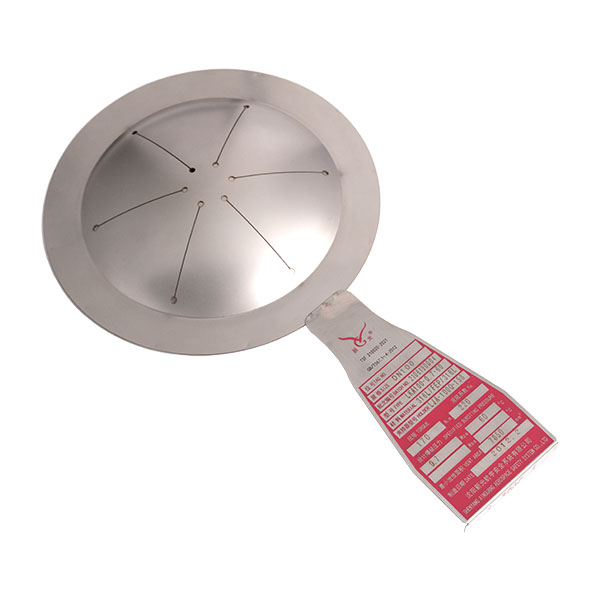
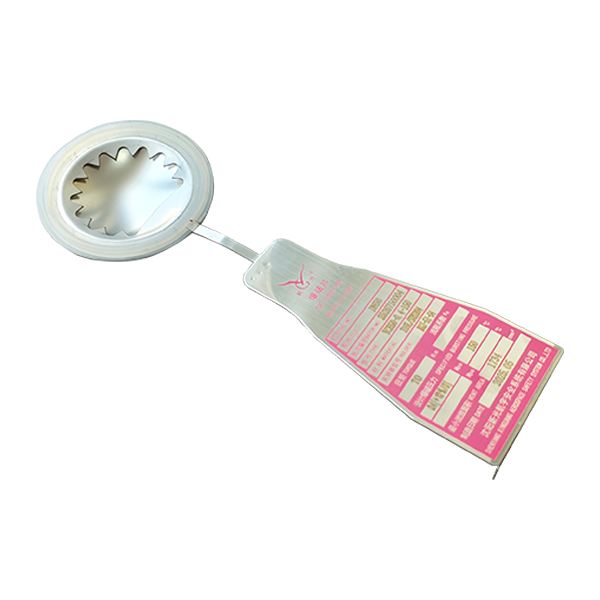
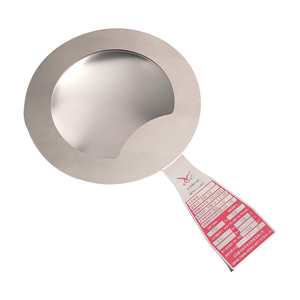
In the petrochemical and fine chemical industries, corrosion is not just a maintenance nuisance—it is a safety hazard. While pipes and vessels are built with thick corrosion allowances, Rupture Discs (Bursting Discs) are different.
These safety devices rely on precision-manufactured thin metal foils—often less than 0.1mm thick—to burst at exact pressures. Even microscopic corrosion (pitting) can drastically alter the burst pressure or cause the Rupture Discs to fail prematurely (fatigue).
For a plant manager, a premature burst means unscheduled shutdown, product loss, and expensive emergency maintenance. Conversely, if corrosion causes material hardening or buildup, the Rupture Discs might fail to open when needed, risking a catastrophic vessel failure.
Why Standard Stainless Steel is Often Not Enough?
Stainless Steel (316/316L) is the workhorse of the industry. It is cheap, readily available, and effective for many standard applications like steam, water, and mild solvents.
However, in the aggressive world of chemical processing, 316L has serious limitations:
Chloride Attack: In the presence of saltwater or chlorine, 316L is prone to stress corrosion cracking.
Acid Sensitivity: It fails rapidly in Hydrochloric Acid (HCl), Sulfuric Acid (H2SO4), and Hydrofluoric Acid (HF).
Pitting: In stagnant media, localized pitting can perforate the thin disc foil in weeks.
If your maintenance logs show frequent replacements of 316L Rupture Discs due to "pinholes" or "drifted burst pressures," it is time to upgrade your materials.
Tier 1: The High-Performance Nickel Alloys.
When Stainless Steel fails, the first step up is usually into the Nickel Alloy family. These materials offer excellent resistance to a wide range of corrosive media and high temperatures.
1. Hastelloy.
This is arguably the most versatile alloy for the chemical industry.
Best For: Wet chlorine gas, hypochlorite, and chlorine dioxide solutions. It also has exceptional resistance to strong solutions of oxidizing salts (like ferric and cupric chlorides).
Application: Widely used in paper mills, acid production, and waste treatment plants.
2. Monel.
Best For: Hydrofluoric acid (HF), salt water, and alkaline solutions.
Limitation: It is not recommended for highly oxidizing acids (like Nitric Acid).
3. Inconel.
Best For: High-temperature oxidation resistance. While good against corrosion, its primary strength is maintaining stability in extreme heat (up to 1000°F+), preventing the material from softening and bursting too early.
Tier 2: The "Ultimate" Metals (Tantalum & Titanium).
For the most extreme environments where even Hastelloy corrodes, we turn to the "Reactive Metals."
Tantalum: The King of Acid Resistance:
Tantalum is rarely used for pipes due to cost, but it is perfect for rupture discs. Since discs use very little material, Tantalum becomes an affordable solution for critical safety.
Performance: It behaves almost exactly like glass. It is virtually immune to chemical attack from Hydrochloric, Nitric, and Sulfuric acids at almost all concentrations and temperatures.
The Caveat: It is attacked by Hydrofluoric Acid (HF) and strong alkalis. Do not use Tantalum with Fluorine!
Titanium:
Best For: Strong oxidizing environments and seawater. It relies on a strong oxide film for protection.
Limitation: It should not be used in dry chlorine, as it can ignite. It must be used in wet chlorine environments.
Tier 3: Non-Metal Solutions & Composite Liners.
1. Fluoropolymer Liners (PTFE / FEP / PFA):
A very popular and cost-effective strategy is to use a standard metal Rupture Discs (like 316L or Nickel) and attach a Fluoropolymer Liner on the process side.
How it works: The plastic liner acts as a shield, preventing the chemical from touching the metal. The metal provides the burst accuracy and pressure handling.
Pros: Extremely cheap compared to solid Tantalum. PTFE is inert to almost everything.
Cons: Temperature is limited by the plastic (usually max 260°C / 500°F). The liner can also be susceptible to permeation (gas passing through the plastic to attack the metal).
2. Graphite Rupture Discs:
As discussed in our previous articles, impregnated graphite is excellent for corrosive acids.
Pros: Cheaper than exotic metals; excellent fatigue life.
Cons: Brittle (handle with care); fragments upon bursting (not for upstream of safety valves without guards).
