
When sizing a rupture disk for a pressure vessel, process engineers typically focus entirely on the primary internal pressure. They meticulously calculate the Maximum Allowable Working Pressure (MAWP) and select a disk rated to burst at that exact point. However, this one-sided approach ignores a fundamental physics principle of pressure relief devices.
A rupture disk does not respond to the absolute pressure inside a tank. It responds exclusively to the differential pressure across its dome.
This means whatever is happening on the downstream side of the disk—or unexpected drops in system pressure—can completely alter when and how the disk bursts. In this article, we explain how invisible backpressure and vacuum conditions quietly compromise your safety systems and how to engineer around them.
The Invisible Threat: System Backpressure.
Backpressure is the pressure existing on the downstream (venting) side of the rupture disk. In many industrial setups, disks vent into a common, closed relief header system rather than directly into the atmosphere. This common header can become pressurized due to other relief devices venting simultaneously or due to a flare system's static pressure.
How Backpressure Causes Dangerous Non-Activation:
If a forward-acting rupture disk is rated to burst at 100 PSI, it requires a 100 PSI differential to tear open. If your common vent header has a constant superimposed backpressure of 20 PSI, the pressure inside your vessel must now reach 120 PSI to force the disk open.
If your vessel's MAWP is only 100 PSI, that 20 PSI of unaccounted backpressure has just turned your vessel into a bomb. The disk will fail to activate when needed.
The Solution for Backpressure:
If variable backpressure is a known factor in your piping system, standard rupture disks may not be suitable. You may need to consider balanced pressure relief valves or consult with engineers to size the disk with a specifically offset burst pressure to account for constant superimposed backpressure.
The Reverse Threat: Unaccounted Vacuum
While backpressure pushes against the downstream side, a vacuum pulls from the upstream side. A vacuum condition occurs when the pressure inside the vessel drops below atmospheric pressure (14.7 PSIA).
Vacuum conditions are incredibly common, even in high-pressure systems. They occur during system cooldowns (when hot gases condense and shrink), pump failures, or when a vessel is rapidly drained without proper venting.
How Vacuum Causes Premature Failure:
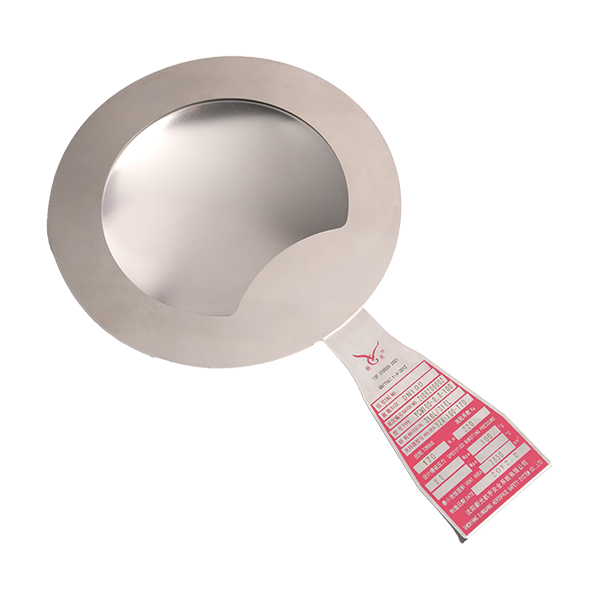
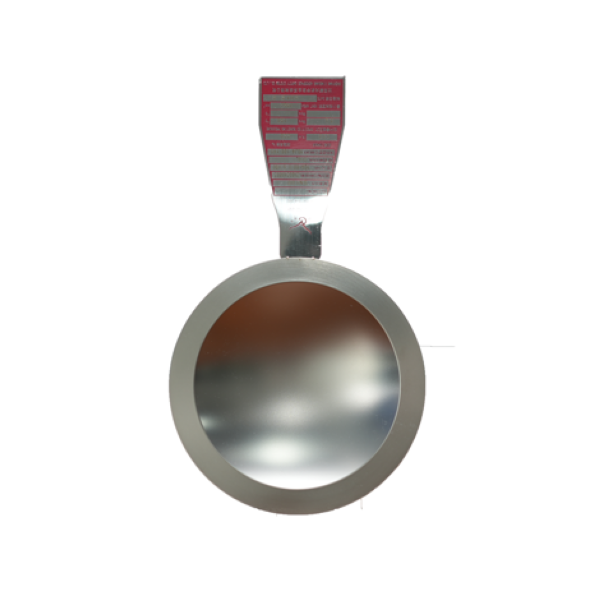
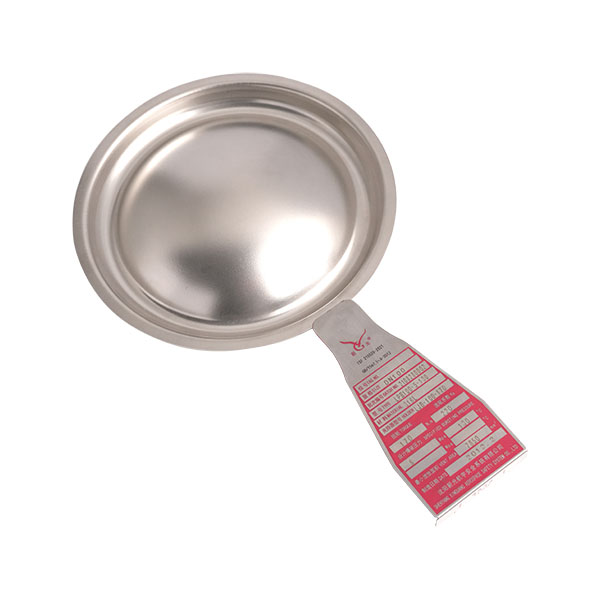
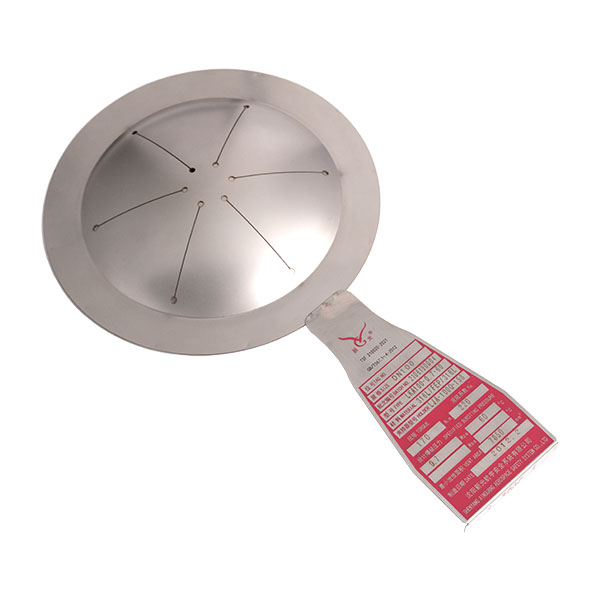
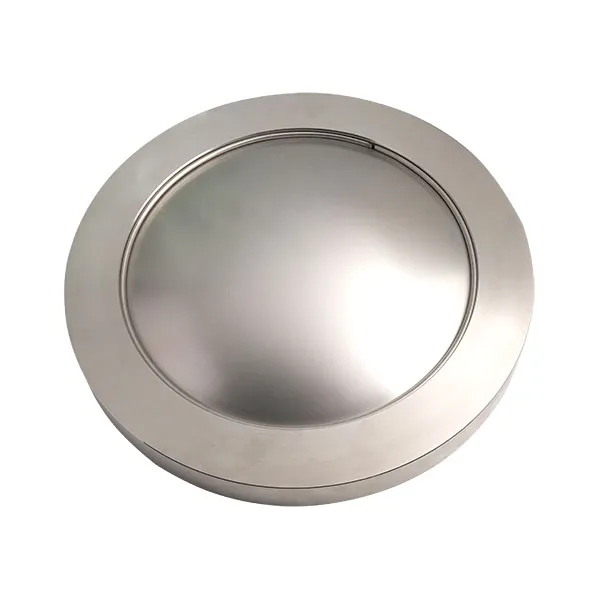
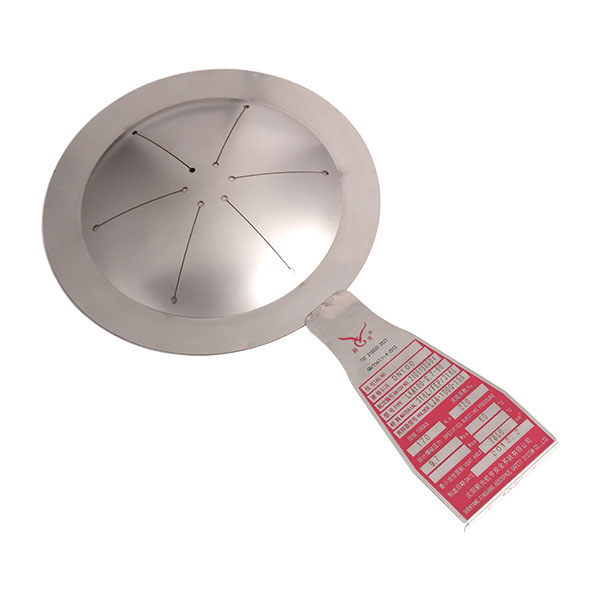
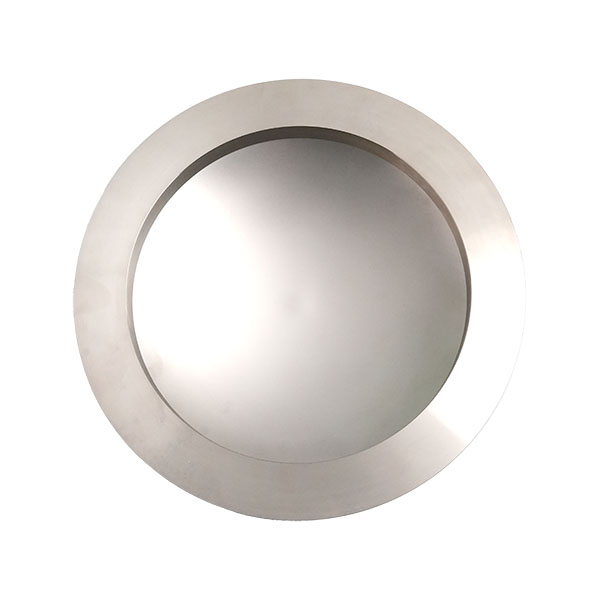
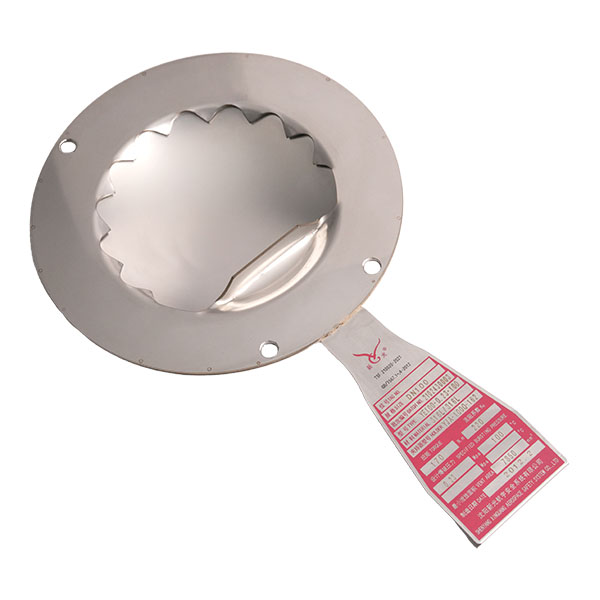
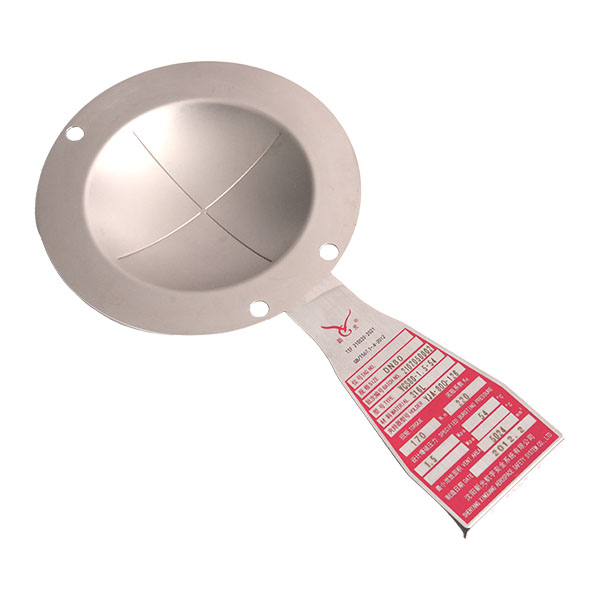
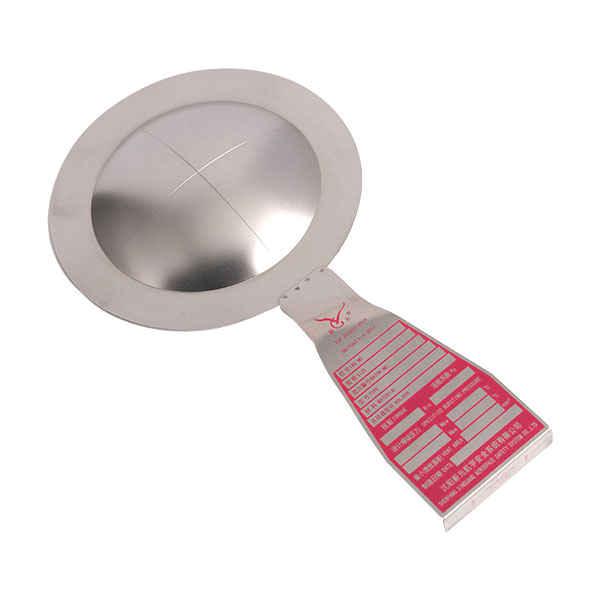
Standard forward-acting (tension-loaded) rupture disks are designed to handle pressure pushing outward against the concave side. They are incredibly strong in one direction. However, if a vacuum occurs, the pressure differential reverses. The atmosphere pushes back against the convex side, sucking the delicate dome inward.
This reverse flexing permanently damages the molecular structure of the metal or wrinkles the laser-scored lines. The next time the system is brought up to normal operating pressure, the weakened disk will burst prematurely, causing unnecessary downtime.
The Solutions for Vacuum:
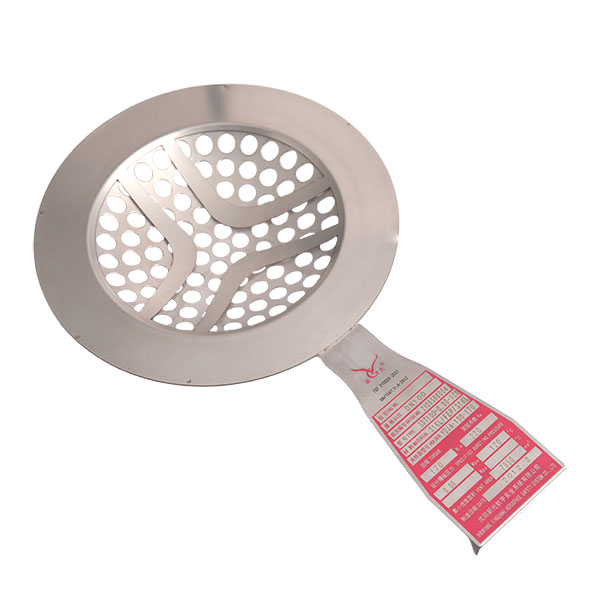
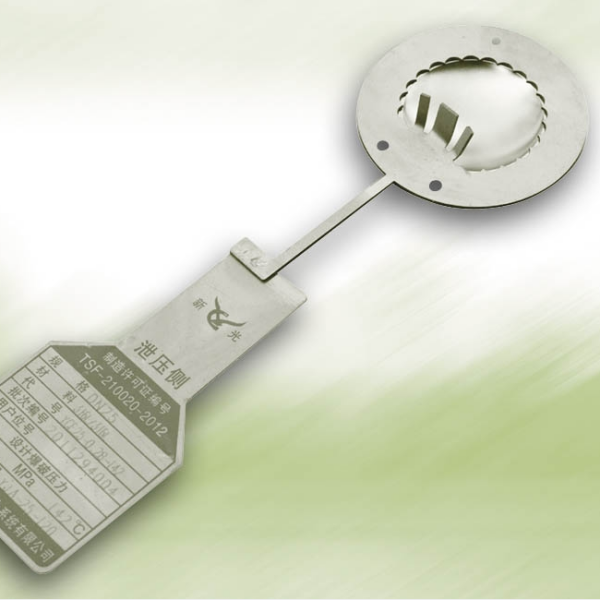
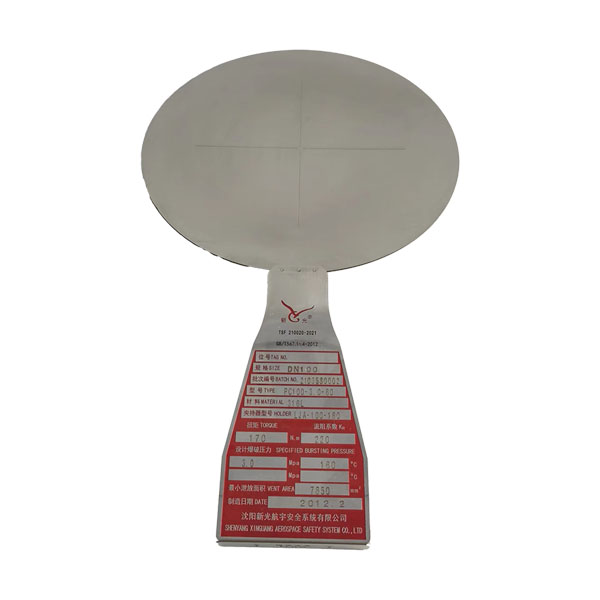
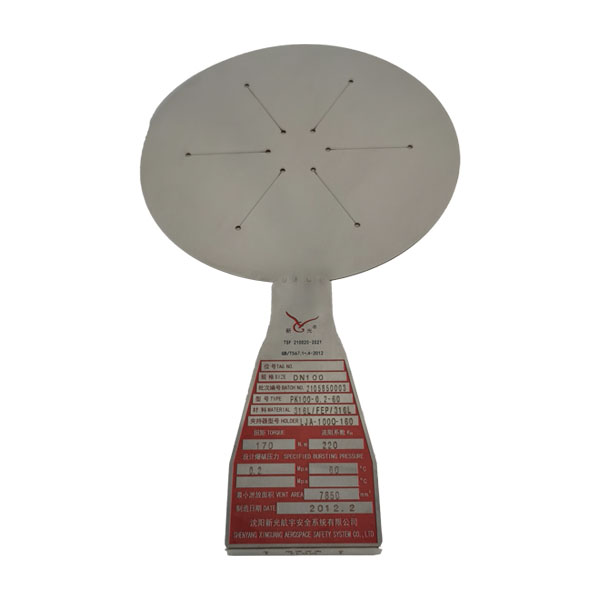
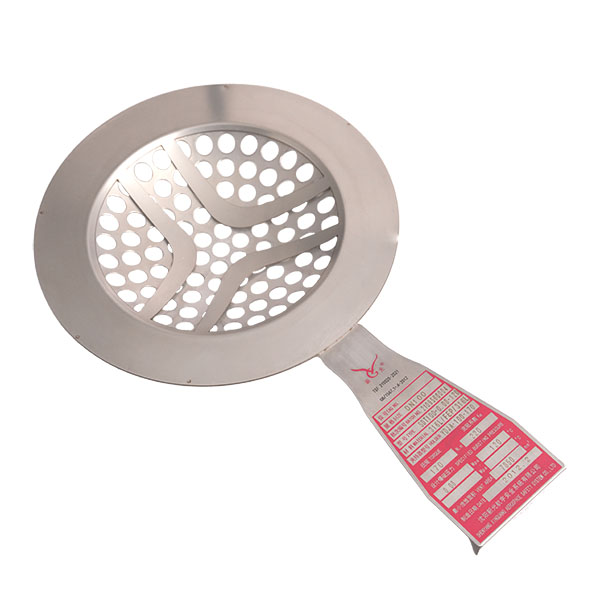
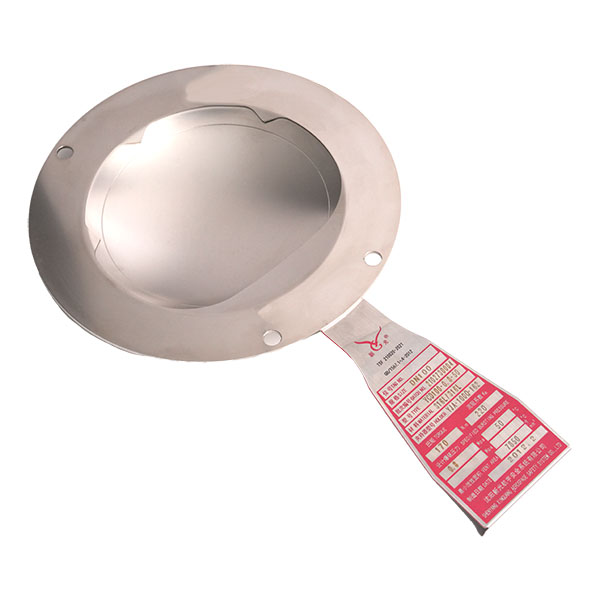
Vacuum Supports: For forward-acting disks, you must specify a "Vacuum Support." This is a rigid, laser-cut metallic plate installed directly under the disk. It perfectly matches the shape of the dome, preventing it from collapsing inward during a vacuum, while still allowing full flow when the disk bursts outward.
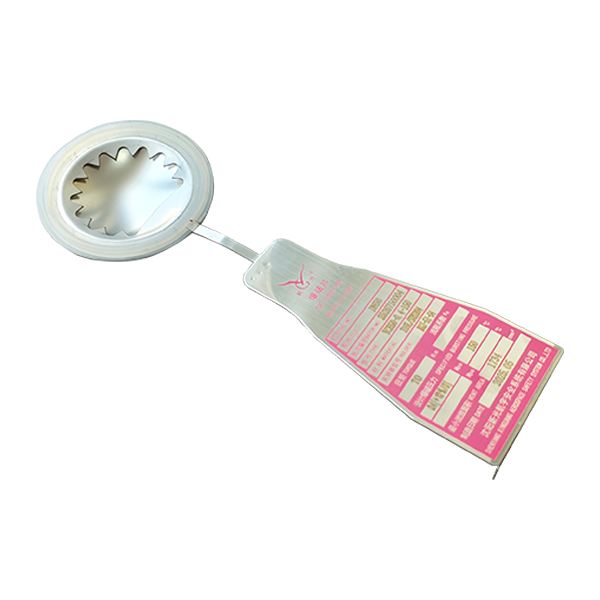
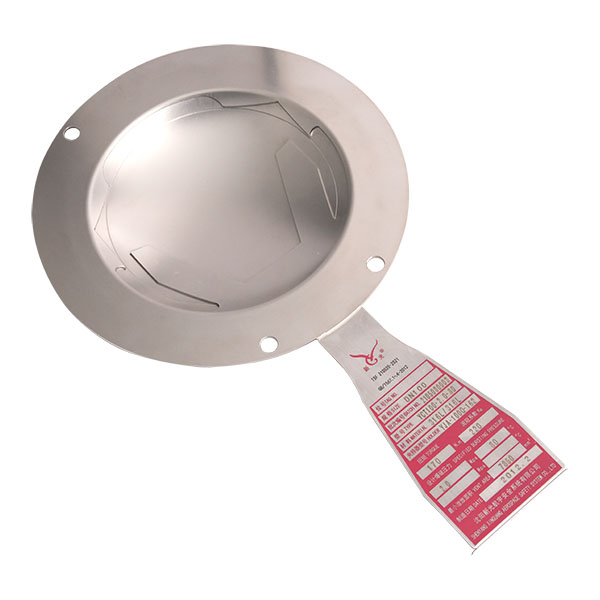
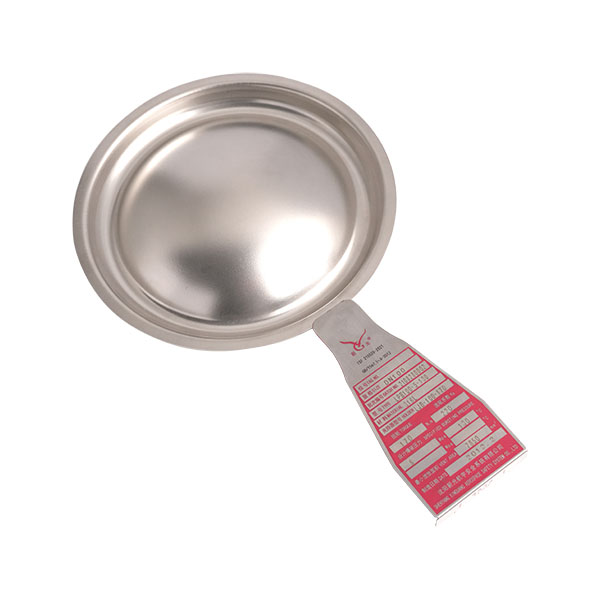
Reverse-Acting Disks: The superior modern solution is to use Reverse-Acting (compression-loaded) rupture disks. Because their convex side already faces the process media, a vacuum simply pulls the dome tighter into its natural shape. Most reverse-acting disks can withstand full absolute vacuum without any additional support structures.
Never assume your downstream piping is at zero gauge pressure, and never assume your high-pressure vessel is immune to vacuum during maintenance or cooldown cycles. Understanding differential pressure is the key to a robust safety relief system.
Are you unsure if your current rupture disks are rated for your system's backpressure or vacuum conditions? Contact our technical sizing team today. We will review your Piping and Instrumentation Diagrams (P&ID) and recommend the perfect disk geometry for your exact pressure profile.
