
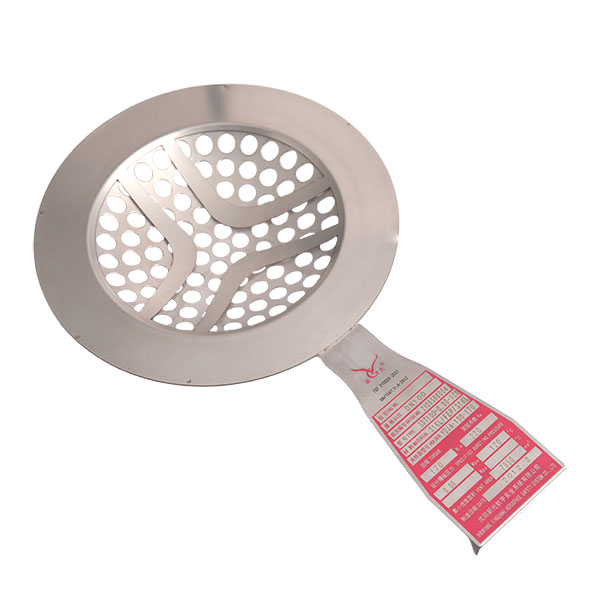
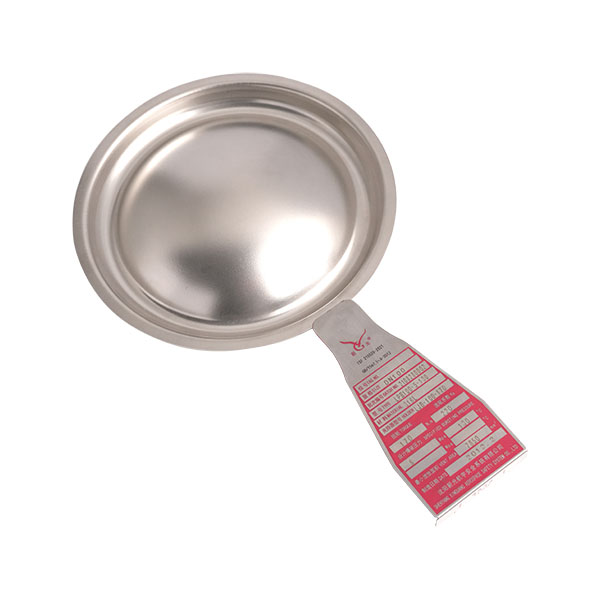
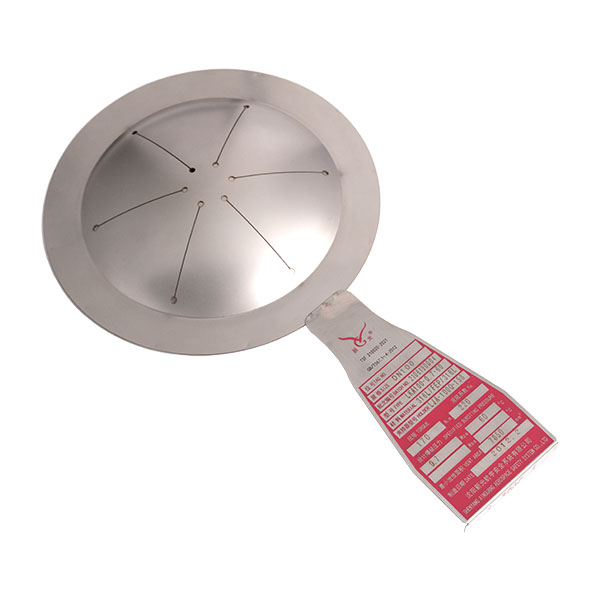
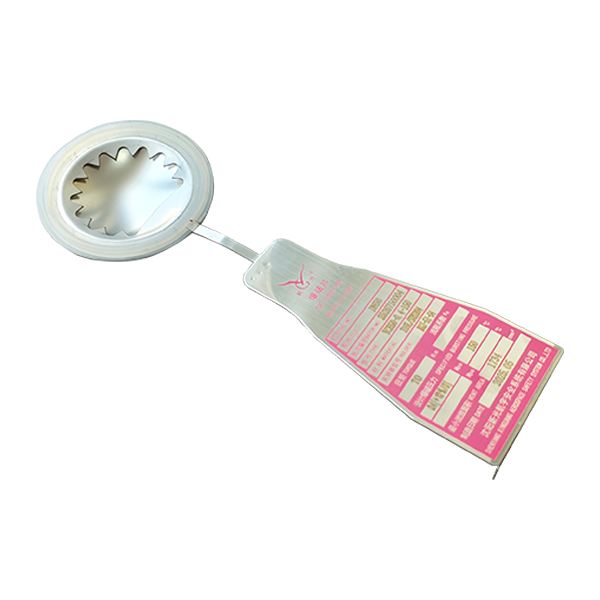
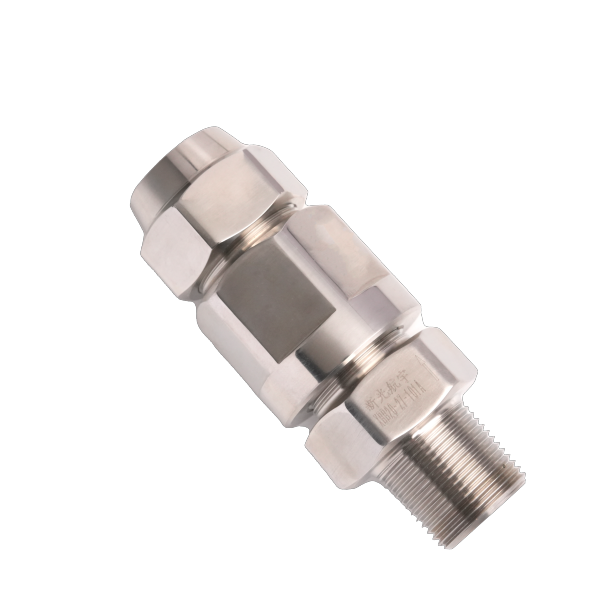
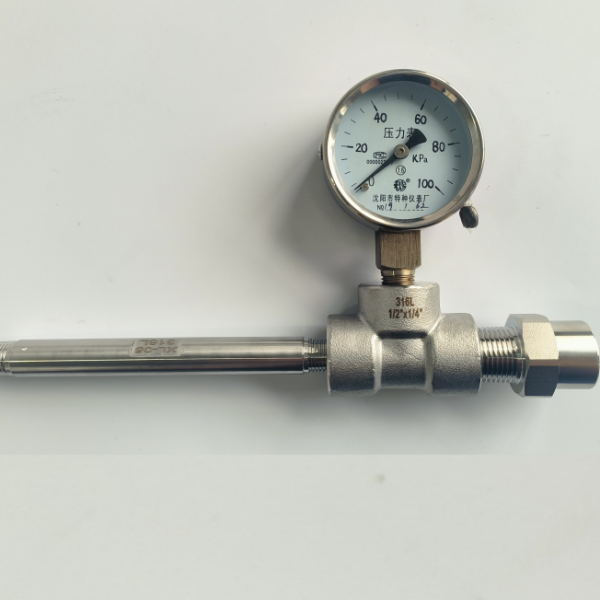
In industries like cement, grain storage and transport, mining, textiles, and chemicals, organic dust suspended in the air can ignite from mechanical friction, static electricity, or sparks — leading to deflagration or even an explosion. Flat dust type rupture disks are installed on storage bins, hoppers, dust collectors, pneumatic conveyors, and dryers. When internal pressure rises abnormally, they actively vent the pressure, reducing the risk of equipment rupture.
What Is a Flat Dust Type Rupture Disk?
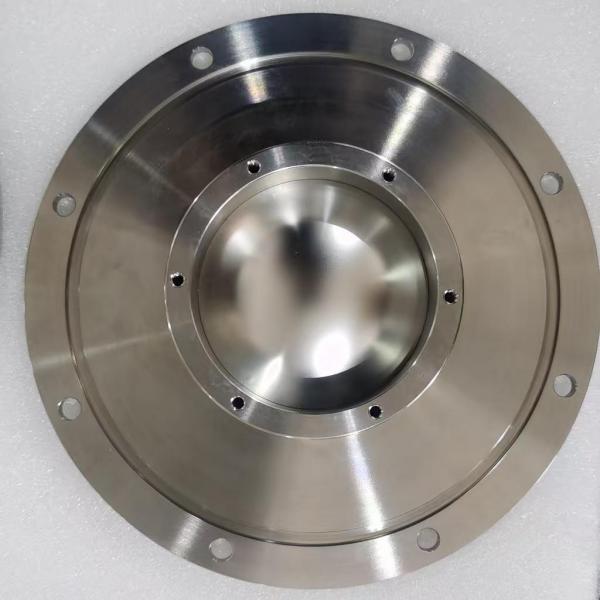
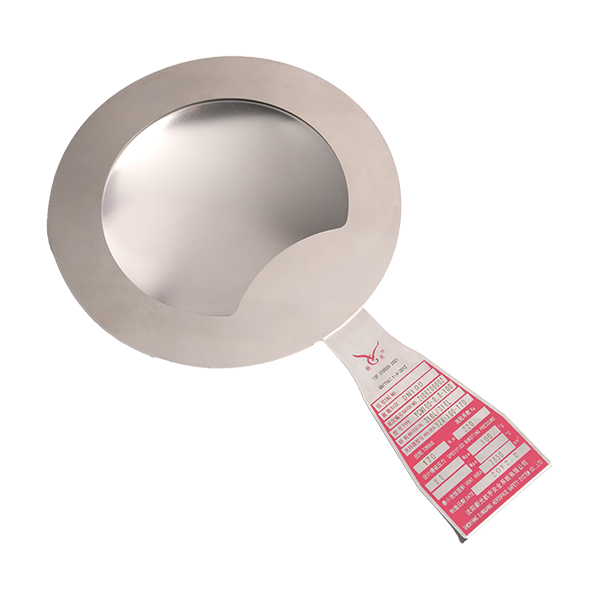
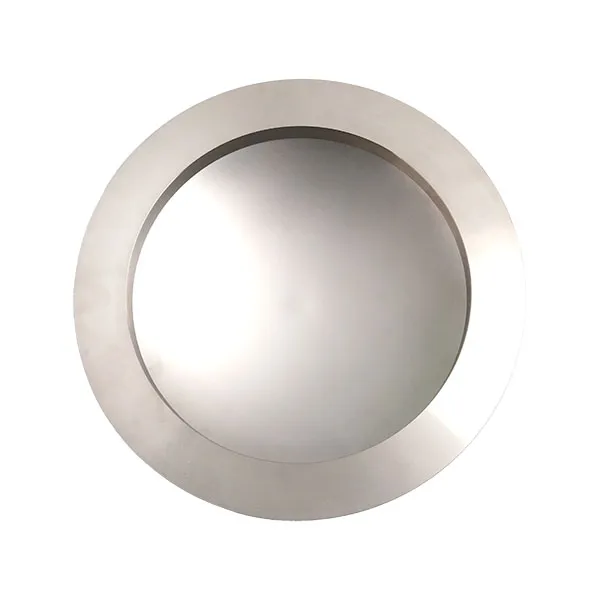
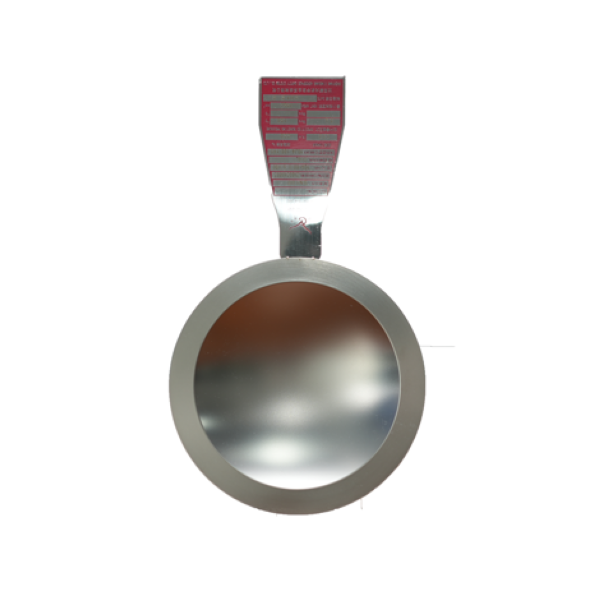
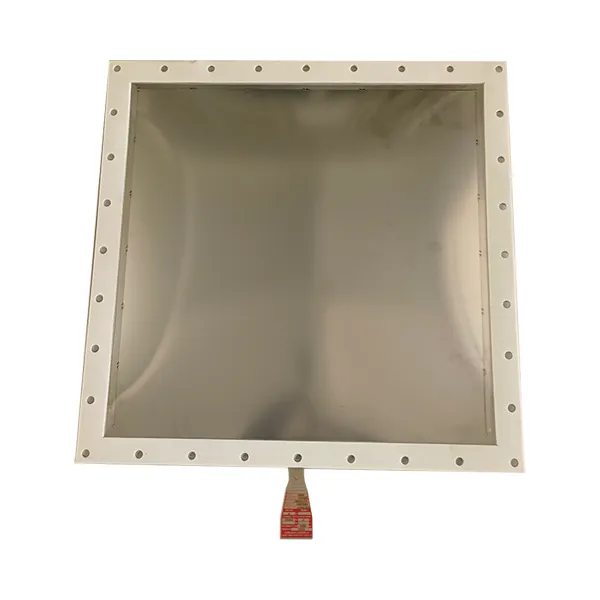
A flat dust type rupture disk is a pressure relief device with no moving parts. It’s typically made as a round or flat rectangular panel and mounted on a pre‑cut opening in a closed vessel or duct. It relies on the material of the metal membrane and pre‑scored grooves to define the burst pressure — no external power or signal is needed. Shenyang Xinguang Hangyu offers PK and LKT types of flat dust type rupture disks. The standard material is austenitic stainless steel; composite materials include PTFE and PFA. The sealing membrane is made of F4 or F46, and they can also be used in food‑grade or sanitary applications.
How Does It Work?
A flat dust type rupture disk works based on a preset pressure. The membrane has specially shaped score lines. When the internal pressure reaches the calibrated burst value, the membrane tears or flips open rapidly along the score lines — within milliseconds — creating a relief path that directs the high‑pressure gas and dust mixture to a safe area. For the LKT type, when the burst pressure is 0.01 MPa or lower, the tolerance is ±0.0017 MPa; above 0.01 MPa, the tolerance is ±0.0034 MPa.
How Does It Help Prevent Industrial Explosions?
The key to preventing industrial explosions is timely pressure relief. When pressure spikes in a dust collector or hopper — due to dust buildup, over‑fast feeding, or other reasons — the flat dust type rupture disk opens actively at its set pressure, releasing the pressure wave and flame, and reducing the chance of a casing rupture or secondary explosion. Under constant static pressure, it can withstand 0–300 mmH₂O; under cyclic variable pressure, 0–2000 mmH₂O. The operating pressure can be as high as 60%–80% of the minimum burst pressure. This means it won’t trigger accidentally during normal process fluctuations — only when a true overpressure event occurs.
What to Consider When Choosing a Flat Dust Type Rupture Disk?
Several factors matter in selection:Normal operating pressure and pressure limit of the equipment — the disk’s calibrated burst pressure should fall between them.Medium temperature: standard products work from ‑30°C to 240°C. For process temperatures from 240°C to 400°C, you can add a heat shield or cooling measures.Mounting dimensions: available in round and rectangular shapes; special sizes can be negotiated.For vacuum conditions, choose a model designed for vacuum service.
Industry Application Examples.
Flat dust type rupture disks are already used across many industries. In cement plants, they are installed on large storage silos and dust collectors to prevent pressure surges caused by material blockages or fan failures. In grain storage and conveying, hoppers and pneumatic transfer lines use rupture disks to reduce dust explosion incidents. In textile industry dust collection systems, air ducts and collection bins also rely on rupture disks as a relief path. Beyond these, they are also used on dryers and reactors in chemical and environmental protection applications.
