
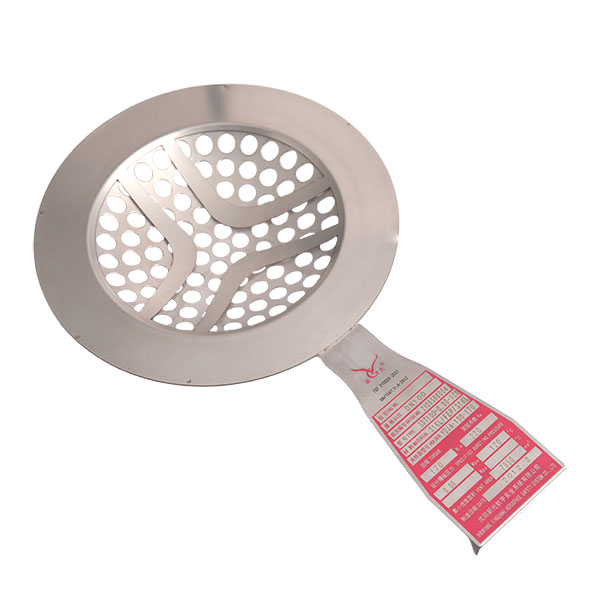
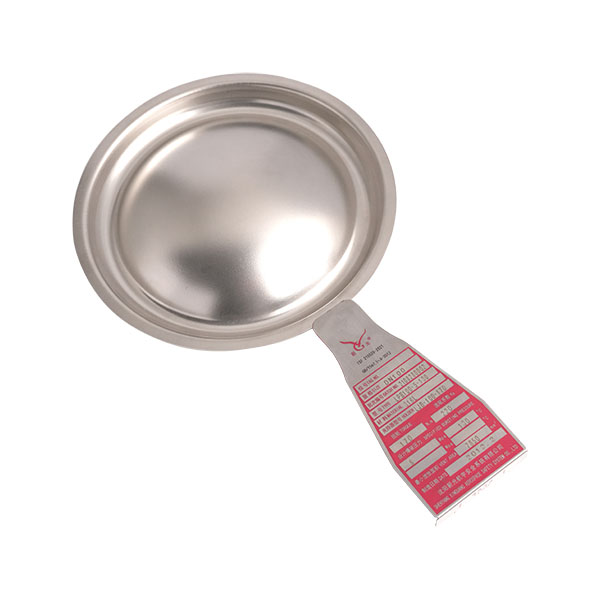
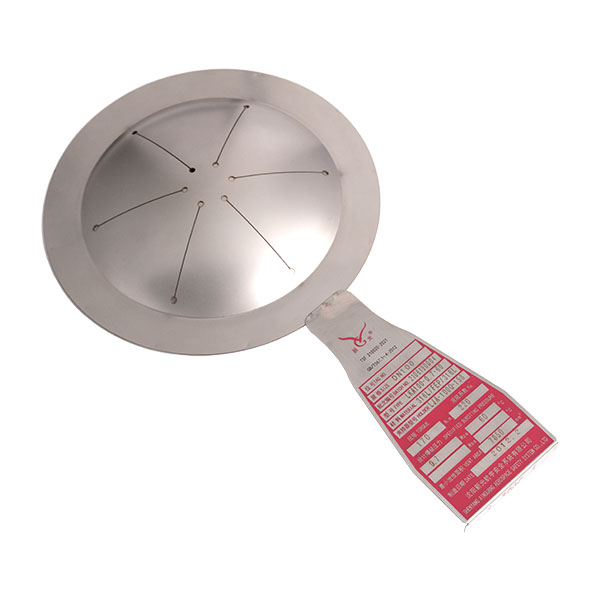
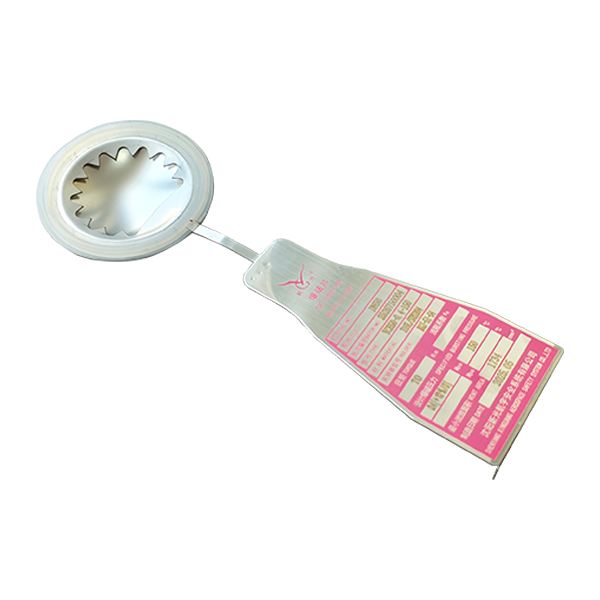
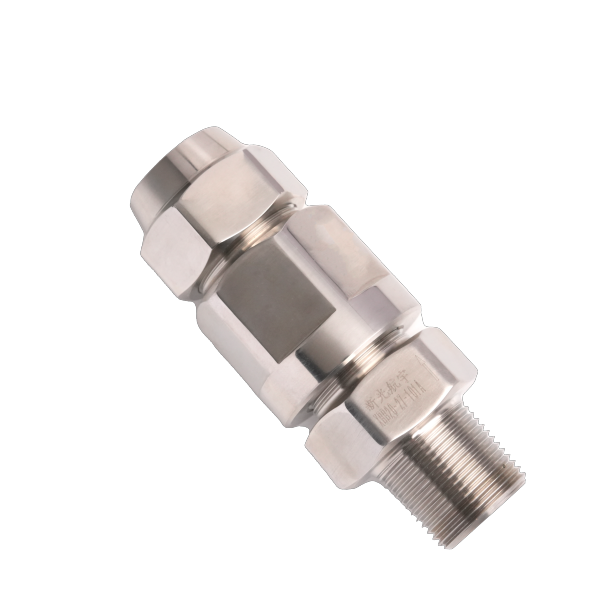
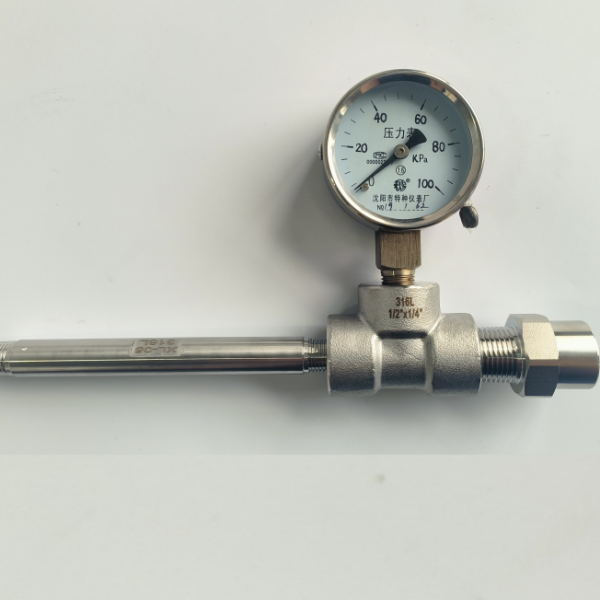
In the fields of fine chemicals, pesticide synthesis, and pharmaceutical manufacturing, reactors serve as core pieces of equipment. These reactions are often accompanied by high temperatures, high pressures, and highly corrosive media (such as hydrochloric acid, chlorine gas, hydrogen fluoride, etc.). Due to the inherent unpredictability of chemical reactions—where errors in charging sequence, cooling system failures, or agitation stoppages can occur—pressure can instantly spiral out of control. For these reactors, which often carry price tags running into the millions of dollars, a single-layer safety protection scheme is frequently insufficient.
Why Are Traditional Safety Relief Valves (SRVs) Often Inadequate?
In the chemical industry, relying solely on safety relief valves presents distinct drawbacks:
Scaling and Clogging: Many process media tend to solidify or crystallize at ambient temperatures, potentially jamming the valve's internal components and preventing it from opening.
Prohibitive Corrosion Costs: Safety relief valves constructed from advanced alloys are extremely expensive to procure and require frequent maintenance.
Trace Leakage: As safety relief valves utilize dynamic seals, achieving 100% leak-free containment—particularly for highly toxic or flammable media—is exceptionally difficult.
Our Advanced Application Solution: Rupture Disks in Series with Safety Relief Valves.
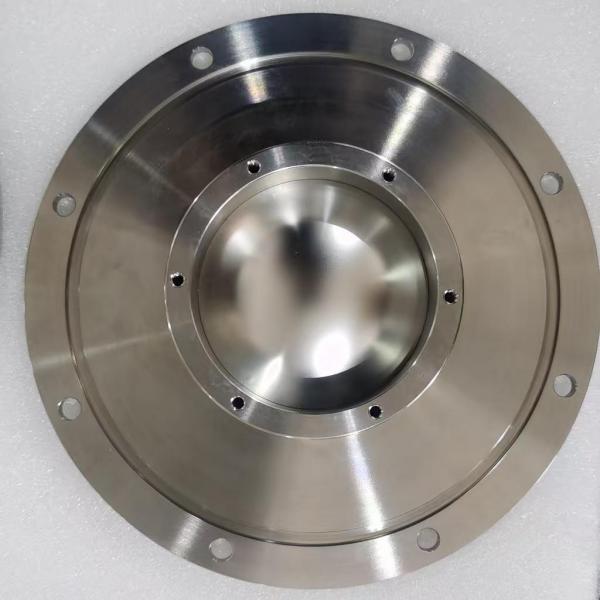
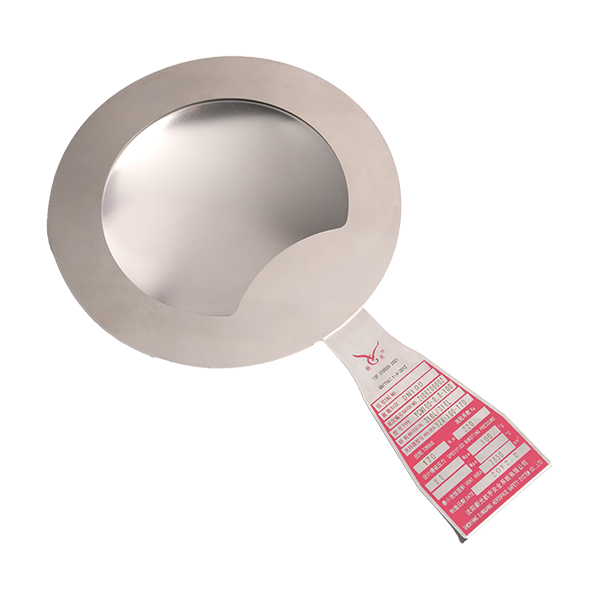
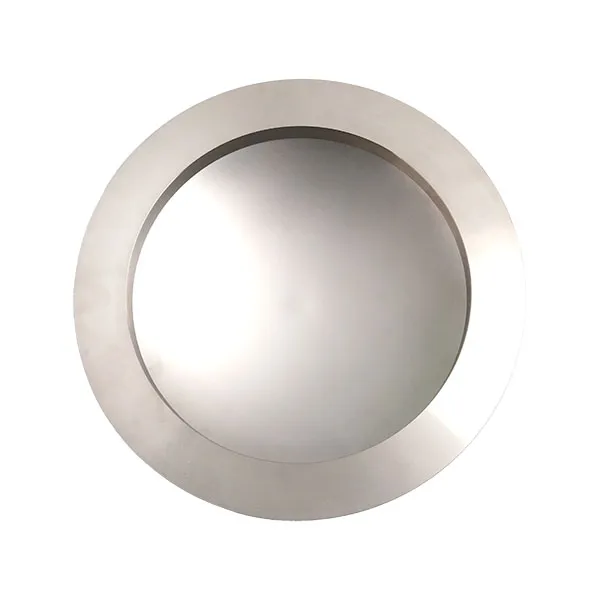
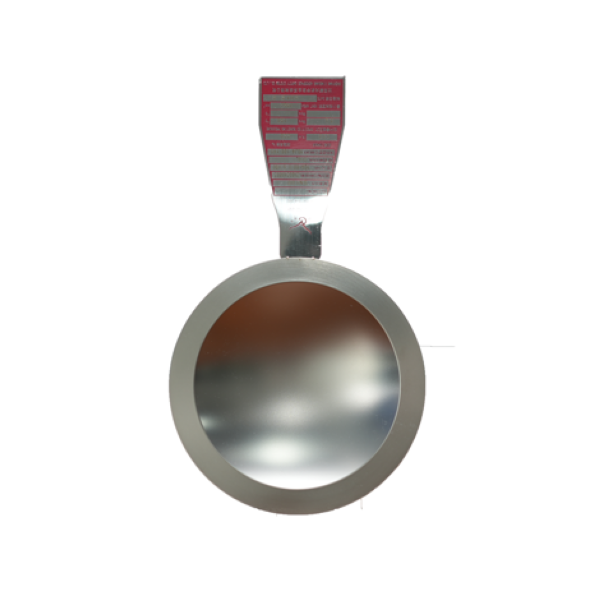
To address the aforementioned challenges, we recommend installing a rupture disk—fabricated from materials such as Hastelloy or Tantalum—upstream of the safety relief valve.
Physical Isolation: Acting as the primary line of defense, the rupture disk completely isolates the corrosive process media from the safety relief valve. The valve only comes into contact with the media in the event of an overpressure incident that causes the rupture disk to burst.
Reduced Cost of Ownership: This configuration allows users to utilize safety relief valves constructed from more standard materials, thereby significantly extending maintenance intervals.
Guaranteed Zero External Leakage: As a static sealing component, the rupture disk ensures the complete hermetic integrity of the process system during normal operation, thereby meeting the most stringent environmental emission standards (e.g., EPA/LDAR).
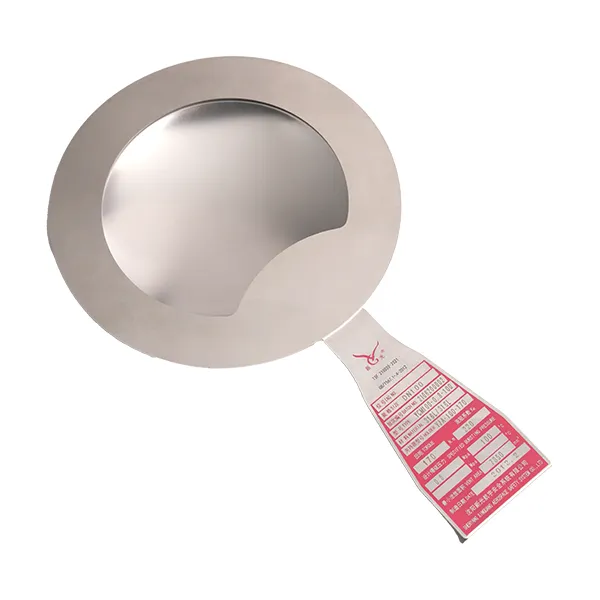
Case Study: Reactor Retrofit Project for a Major Pesticide Manufacturer.
A multinational chemical manufacturer encountered significant operational challenges during the production of glyphosate; due to the highly acidic nature of the reaction fluid, their stainless steel safety relief valves required complete disassembly and major overhaul every three months on average. Following the implementation of our "Graphite Rupture Disk + Safety Relief Valve" combination solution, the graphite material demonstrated exceptional resistance to strong acids. Over a two-year operational cycle, the safety valves experienced absolutely no corrosion-related failures. According to client statistics, this retrofit project resulted in savings of approximately $150,000 in equipment maintenance costs and production losses caused by unexpected downtime.
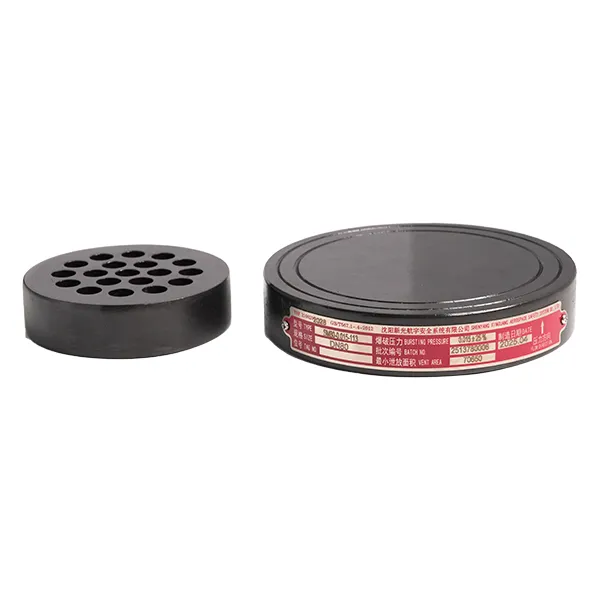
Technical Highlight: The Importance of a Non-Fragmenting Design:
In the pharmaceutical industry, purity is paramount. We recommend the use of reverse-domed, non-fragmenting rupture discs; even in the event of a rupture, no metal fragments will fall into the reactor vessel to contaminate expensive raw materials. Furthermore, the rupture disc sensor immediately transmits a signal to the DCS system, ensuring that operators are instantly alerted to the pressure relief event and can initiate emergency shutdown procedures.
