
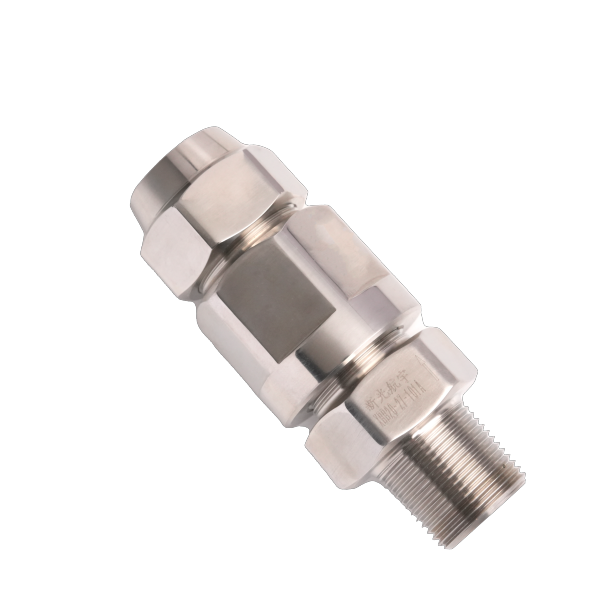
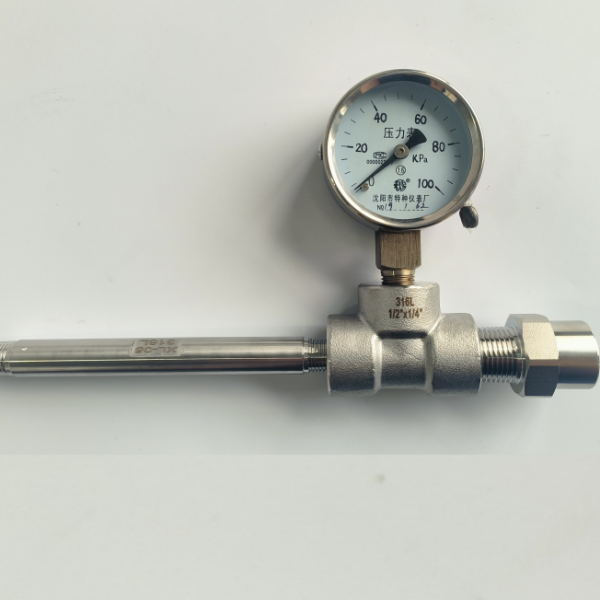
Pressure Rupture Discs and safety valves are two of the most widely used overpressure relief devices in industrial applications. Significant differences exist between them in terms of structure, response time, sealing performance, and applicable operating conditions. Incorrect selection may lead to system failure, equipment damage, or even personal injury.
This article provides a systematic comparison of the advantages and disadvantages of pressure rupture discs and safety valves from the perspectives of working principles, performance characteristics, and typical applications, assisting engineering personnel in making more scientific and reliable selection decisions.
Structure and Working Principle:
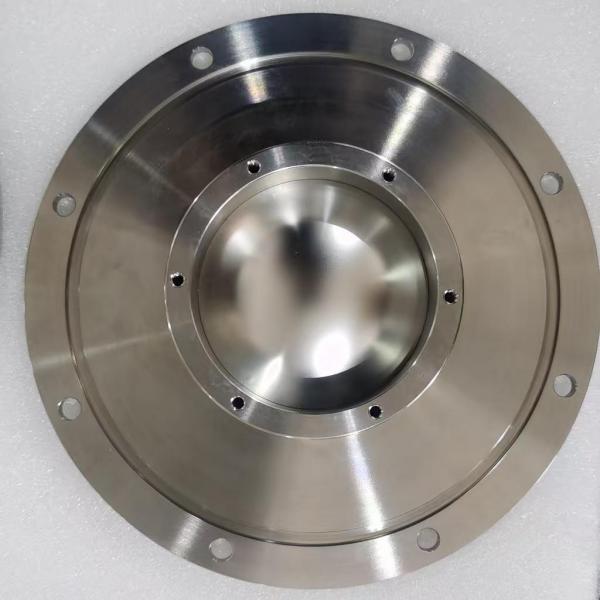
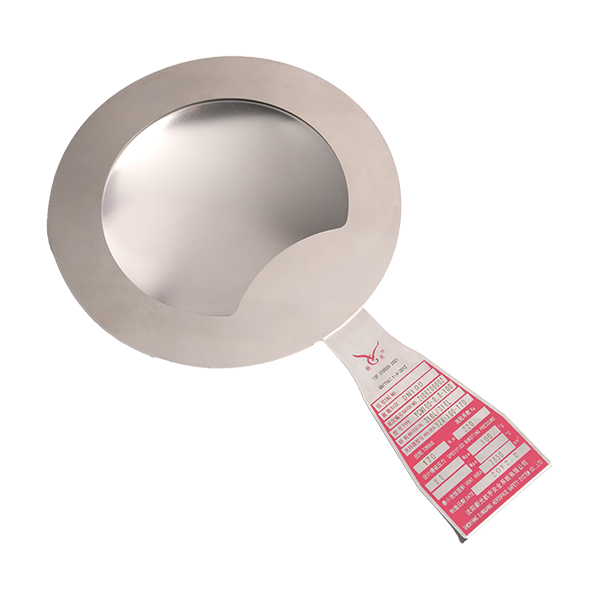
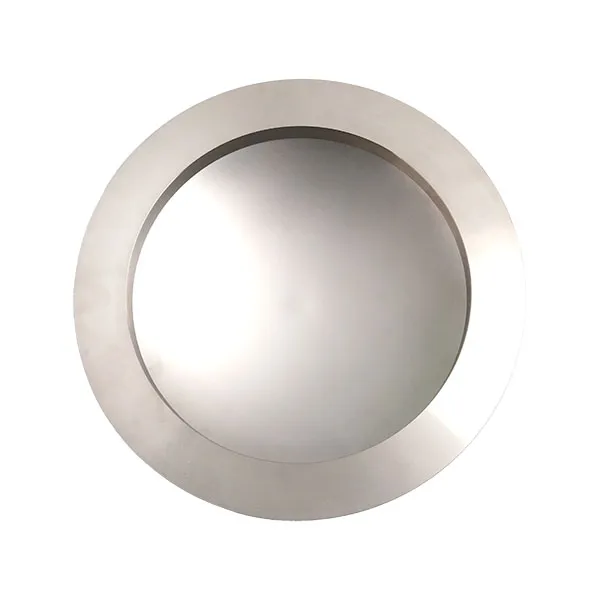
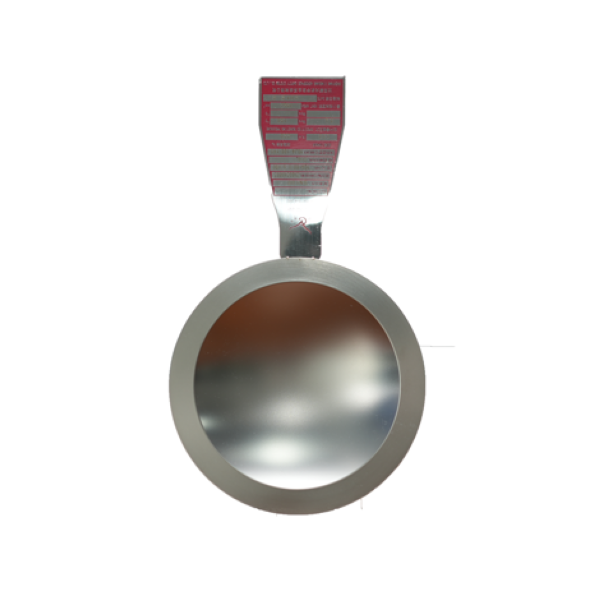
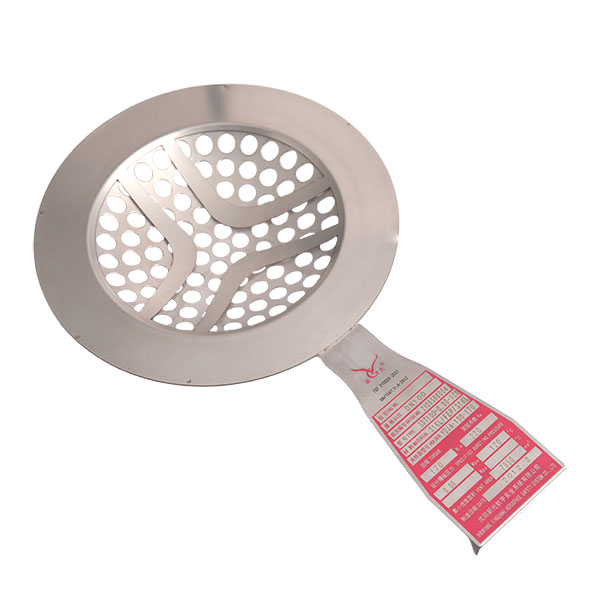
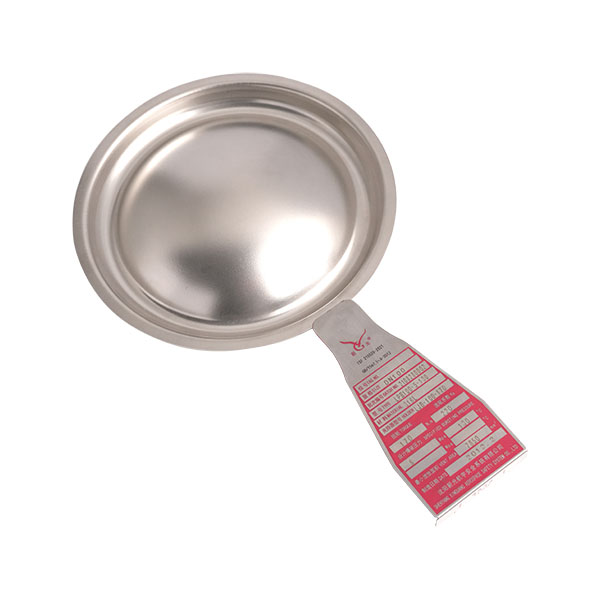
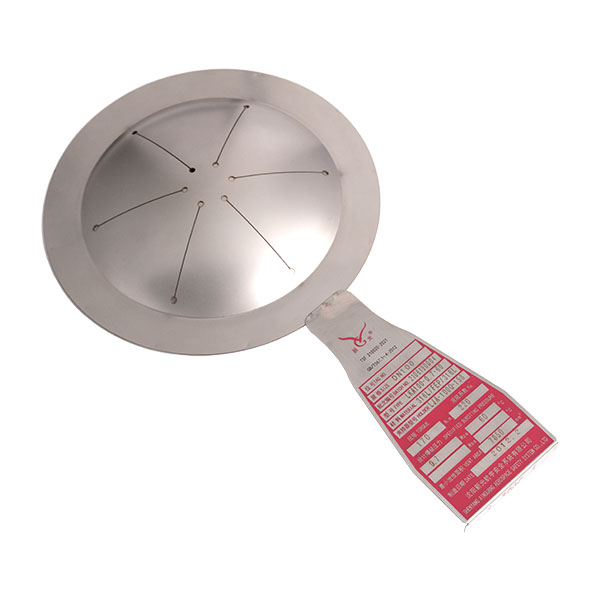
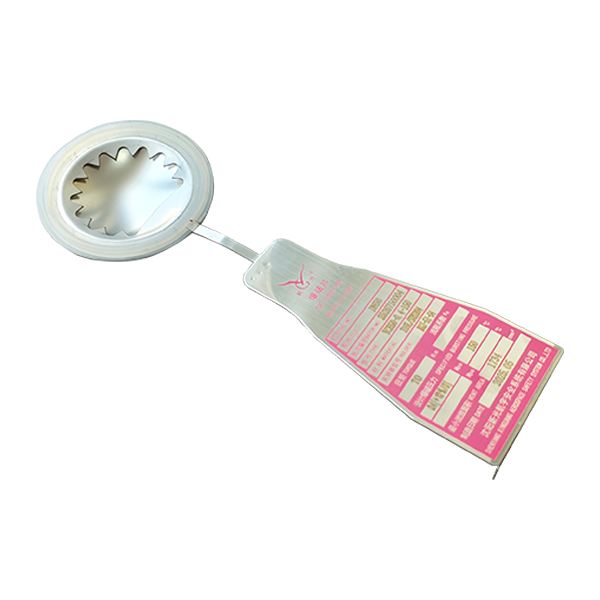
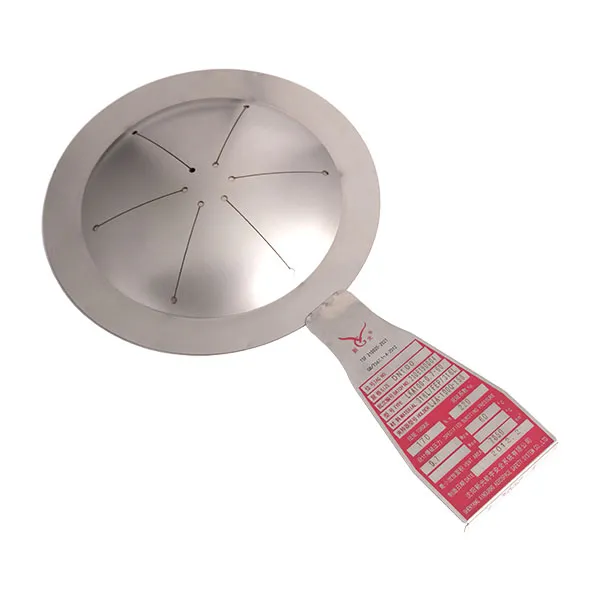
A pressure rupture disc consists of a pre-bowed metallic membrane. When the system pressure exceeds the set value, the rupture disc bursts instantly to relieve pressure, achieving a response time in the order of milliseconds. This makes it suitable for operating conditions requiring extremely high relief speeds.
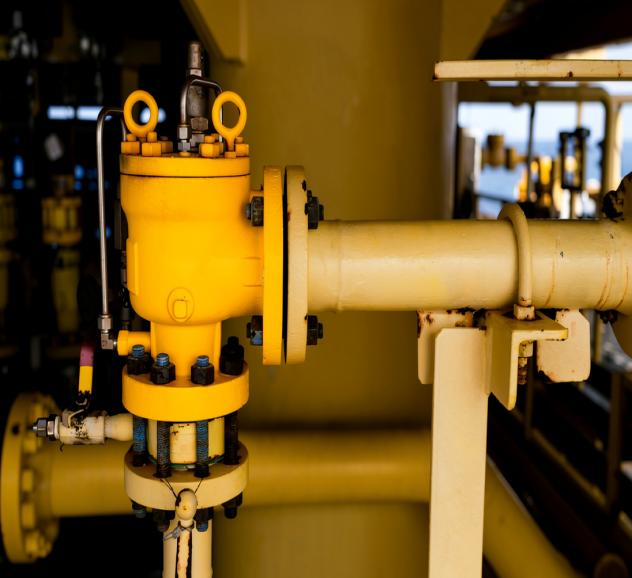
A safety valve relies on a spring or pilot mechanism to control valve disc opening. When the pressure exceeds the limit, the valve disc opens; after the pressure drops, it closes automatically. With a more complex structure and a slower response, the safety valve is suitable for applications where brief overpressure is permissible and system recovery is required.
Relief Performance and Sealing:
A pressure rupture disc provides zero leakage before activation, making it particularly suitable for highly toxic, highly corrosive, or high-purity media. After bursting, the disc must be replaced and cannot be reused.
A safety valve may experience minor leakage when approaching the set pressure, and the sealing surface is prone to deterioration after long-term use. It can be opened and closed repeatedly, making it suitable for clean media where minor leakage is acceptable.
Comparison of Applicable Operating Conditions:
Pressure rupture discs are suitable for complex conditions such as high pressure, vacuum, pulsating pressure, strong corrosion, or polymerizing and crystallizing media. They are commonly found in polymerization reactors, cryogenic storage tanks, and high-pressure pipelines.
Safety valves are suitable for stable media such as steam, air, water, and clean gases, and are applied in boilers, pressure vessels, and normal temperature and pressure systems.
Operational Stability and Maintenance:
A pressure rupture disc has no moving parts, offers good fatigue resistance, and involves low maintenance costs. Once installed, it does not require periodic calibration, but it needs to be replaced regularly based on operating conditions.
A safety valve contains precision components such as springs and valve seats, which are susceptible to corrosion, blockage, or sticking caused by the medium. It requires periodic calibration and cleaning, resulting in shorter maintenance intervals and higher costs.
Recommendations for Combined Use:
In practical engineering, pressure rupture discs are often used in series with safety valves—where the rupture disc is installed on the inlet side of the safety valve. This configuration ensures system tightness and extends the service life of the safety valve. Such combinations are commonly used in fine chemicals, pharmaceuticals, and liquefied gas storage and transportation.
Comprehensive Comparison Table:
| Comparison on Aspect | Pressure Rupture Disc | Safety Valve |
| Response Speed | Millisecond level | Second level |
| Sealing Performance | Zero leakage | Minor leakage may occur |
| Reusability | No | Yes |
| Applicable Media | Corrosive, high-viscosity, particle-containing | Clean gases, steam |
| Maintenance Method | Periodic replacement | Regular calibration and cleaning |
| Typical Applications | Reactors, storage tanks, high-pressure pipelines | Boilers, pressure vessels |
Safety Valve
A pressure rupture disc is suitable for operating conditions with high requirements for sealing performance and response speed, or where the medium is highly corrosive, prone to polymerization, or prone to crystallization. As a single-use device, it is suitable as the ultimate safety protection measure.
A safety valve is suitable for applications with clean media, where brief overpressure is permissible, and where reusability is desired. It offers economic advantages in systems requiring continuous production and avoidance of frequent shutdowns.
Shenyang Xinguang Aerospace Safety System Co., Ltd.established for over 20 years, has long been dedicated to the R&D and manufacturing of pressure rupture disc safety devices. The company has accumulated extensive technical expertise in industrial overpressure protection and has established a comprehensive quality management system covering raw material inspection, production, and processing. Its products are widely used in industries such as petroleum, chemicals, pharmaceuticals, natural gas, and pressure vessels, providing customers with full-process solutions including selection consulting, solution design, technical support, and after-sales service.
