
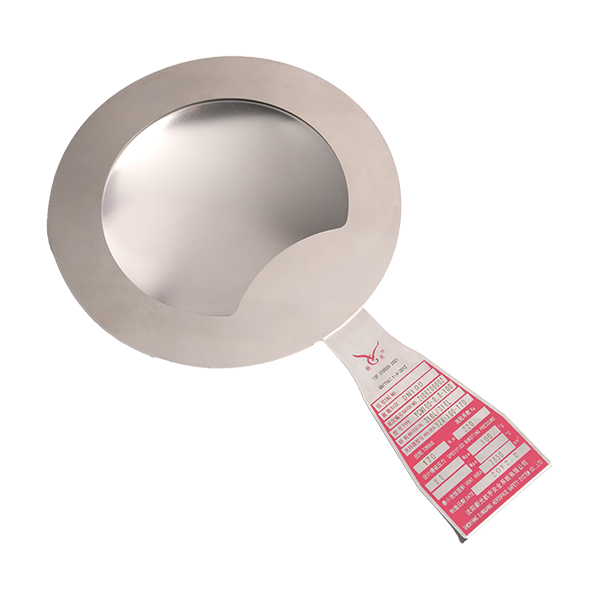
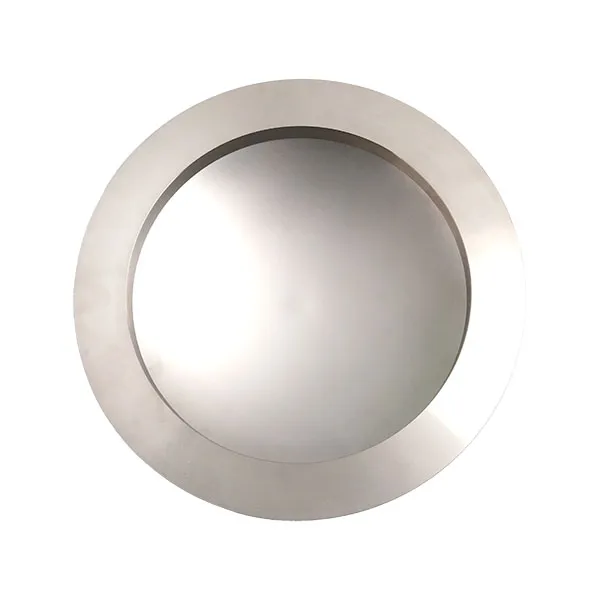
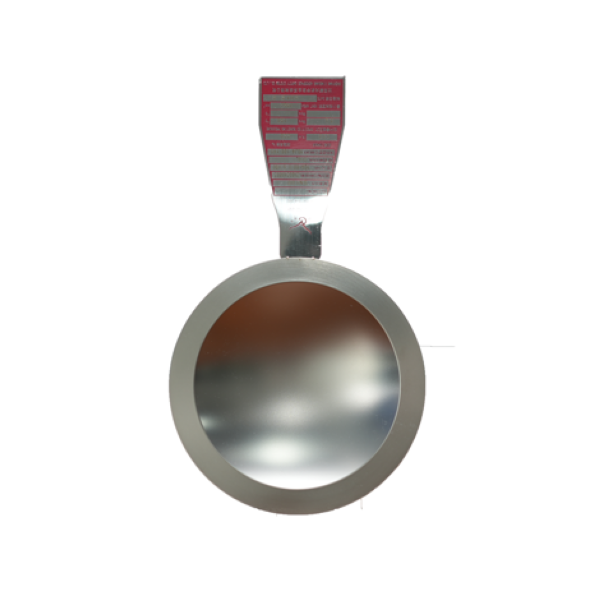
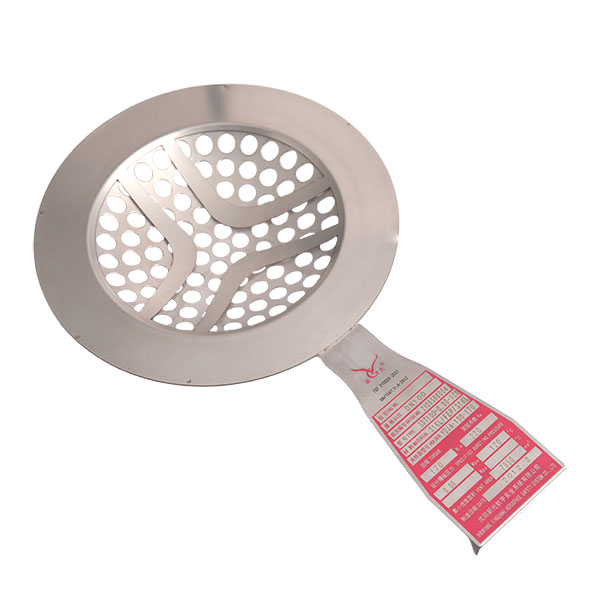
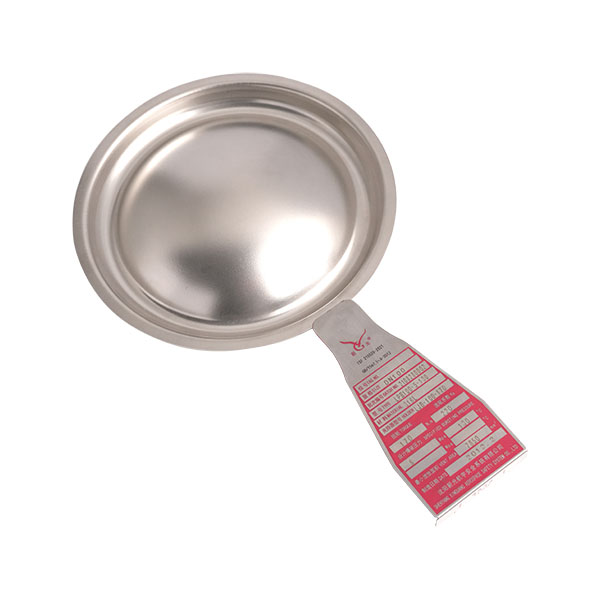
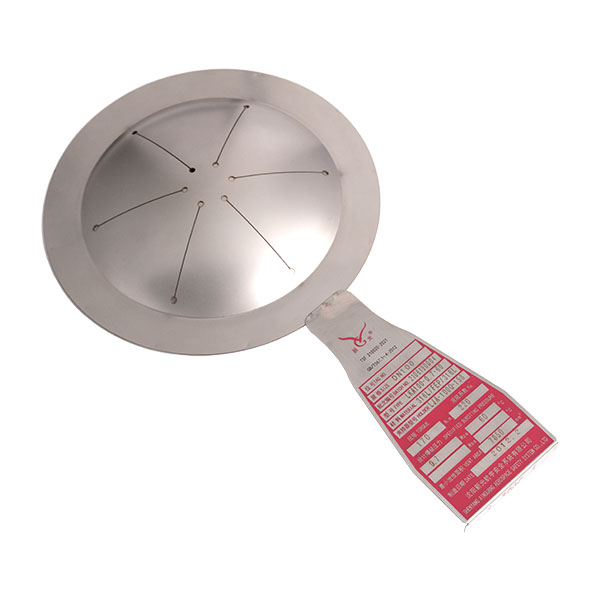
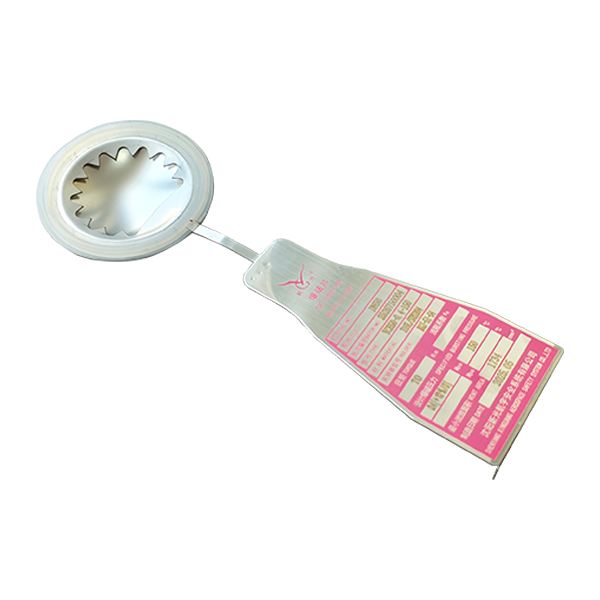
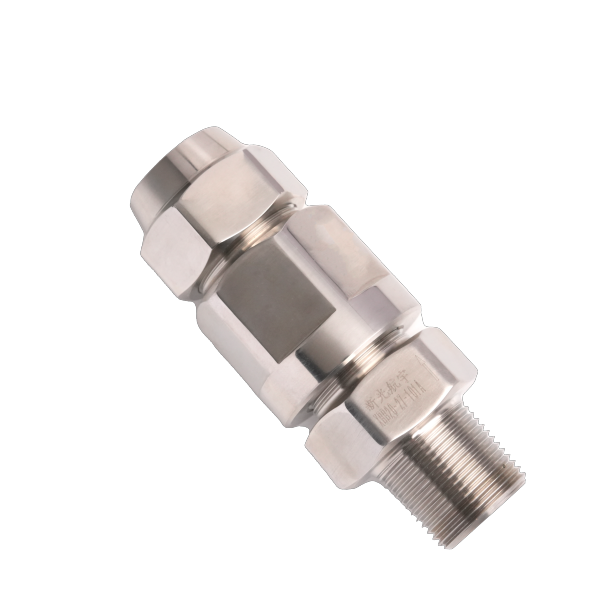
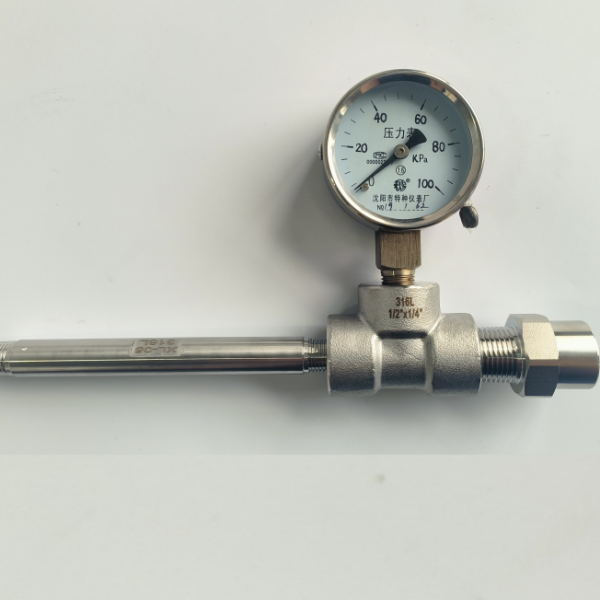
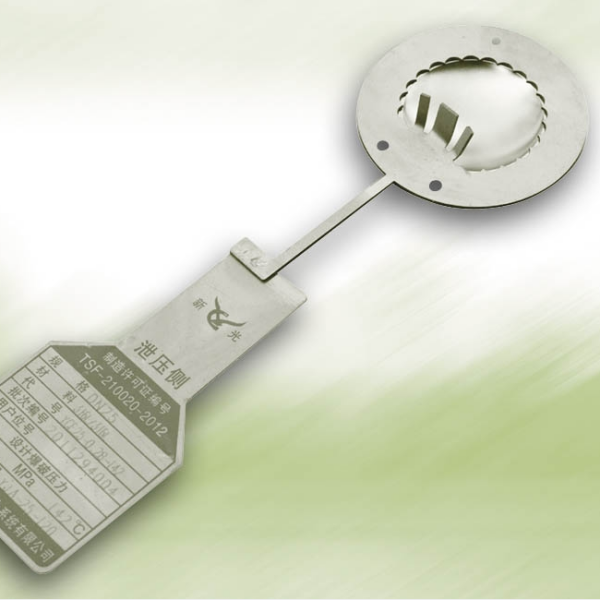
When a rupture disk bursts in an industrial facility, the immediate priority is usually getting the system back online as fast as possible. The maintenance team unbolts the flanges, pulls out the blown disk, drops a new one into the safety head (holder), torques it down, and restarts the process.
However, in this rush to resume production, a critical maintenance step is almost always skipped: thoroughly cleaning and inspecting the Bursting disc holder seating area.
Slapping a brand-new, precision-engineered rupture disk into a dirty or corroded holder is one of the most common reasons for subsequent leaks and premature disk failures. In this guide, we explain why the seating area is so vital and how to clean it without destroying your expensive equipment.
The Mechanics of the "Bite Seal".
To understand the importance of a clean holder, you must understand how the assembly works. A rupture disk does not typically rely on soft rubber or PTFE gaskets to create a seal. Instead, it relies on a precision metal-to-metal seal.
The safety head (holder) has precisely machined angles, biting rings, or flat seating surfaces. When flange torque is applied, this metal geometry bites into the flat flange area of the rupture disk. This creates a bubble-tight seal that can withstand extreme pressures and prevent fugitive emissions.
Because it is a metal-to-metal seal, the tolerances are microscopic.
What Happens When You Don't Clean the Holder?
When an old disk is removed, the seating surface of the Bursting disc holder is rarely pristine. It is often covered in baked-on process residue, rust, polymerized chemicals, or microscopic metal fragments from the previous disk's burst. If you install a new disk over this debris, three things will happen:

1. Severe Process Leaks (Fugitive Emissions).
Even a tiny grain of rust or chemical scale—only a few thousandths of an inch thick—will prevent the metal-to-metal seal from seating correctly. The clamping force will rest on the debris rather than forming a continuous ring around the disk. As soon as the system pressurizes, hazardous gases or valuable liquids will leak through these micro-gaps directly into the atmosphere.
2. Altered Burst Pressures (Premature Failure).
A rupture disk's burst rating relies on perfectly uniform clamping force around its entire circumference. If there is debris on one side of the holder, the disk will be clamped unevenly. This uneven stress distorts the delicate dome of the disk. A disk that is warped by a dirty Bursting disc holder is virtually guaranteed to burst prematurely, causing yet another plant shutdown.
3. Permanent Damage to the Safety Head.
Holders are expensive, reusable capital equipment made from heavy stainless steel or exotic alloys. If you torque a new disk into a Bursting disc holder with hard particulate debris on the seating surface, the massive force of the flange bolts will press that debris directly into the machined metal of the holder. This will permanently pit and scar the bite ring. Once the Bursting disc holder is scarred, no future rupture disk will ever seal properly, and the entire holder must be replaced.
The Correct Way to Clean a Bursting disc holder.
Cleaning a Bursting disc holder requires care. You cannot hand it to a technician with an angle grinder.
DO NOT use abrasive tools:
Never use wire wheels, sandpaper, emery cloth, or metal scrapers. These will instantly ruin the highly machined seating angles.
Use appropriate solvents:
Soak the holder surfaces in an approved industrial solvent to break down polymerized chemicals, process crust, or baked-on residues.
Use soft brushes:
Only use soft-bristled brass brushes, Scotch-Brite pads (very lightly, if approved by the manufacturer), or nylon brushes to scrub away the softened debris.
Final Inspection:
Wipe the seating surfaces completely dry with a clean, lint-free cloth. Run your finger (wearing a clean glove) around the seating ring. It should feel completely smooth, with no burrs, pits, or crust.
A rupture disk is only as reliable as the holder it sits in. By adding just 10 minutes to your maintenance procedure to properly clean and inspect the safety head, you can prevent dangerous emissions and extend the life of your replacement disks.
Is your facility experiencing continuous leaking around your safety assemblies? Your holders might already be permanently damaged. Contact our technical support team to request new precision-machined safety heads or to consult on the best replacement practices for your specific application.
