
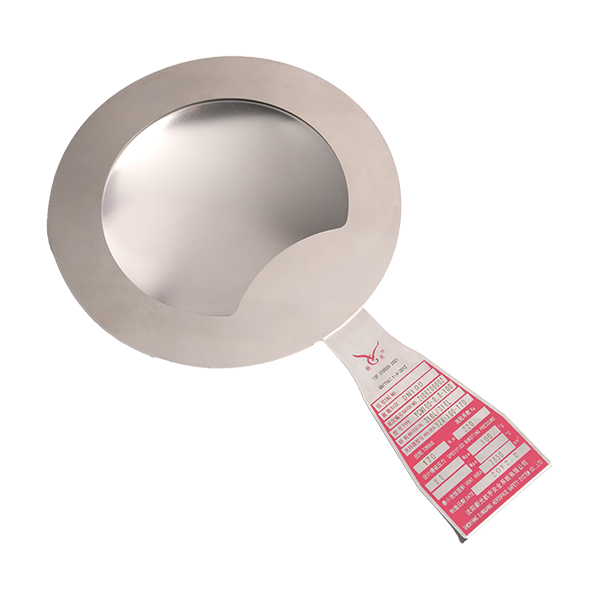
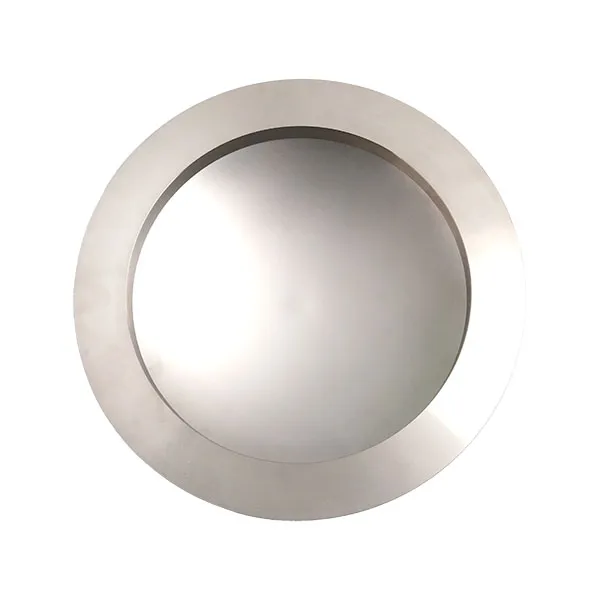
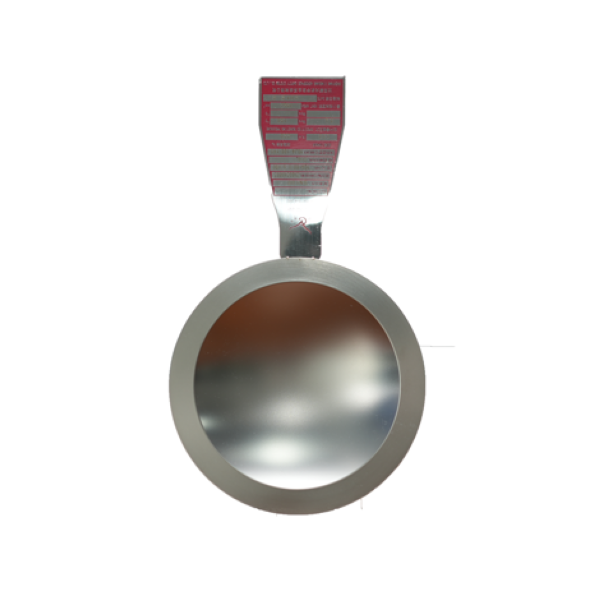
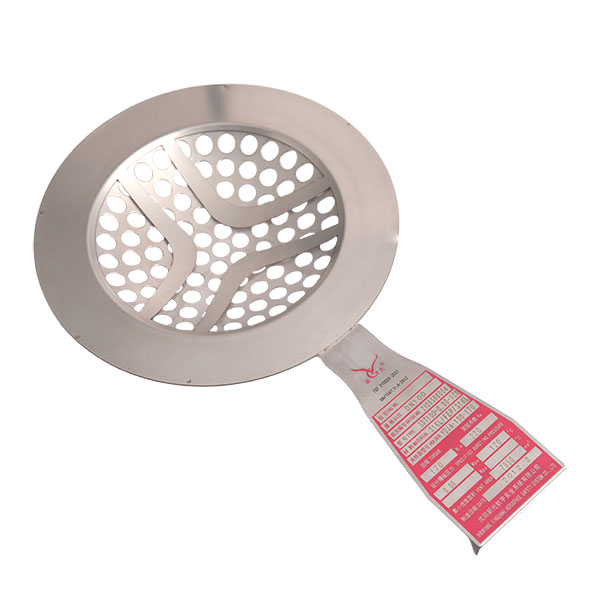
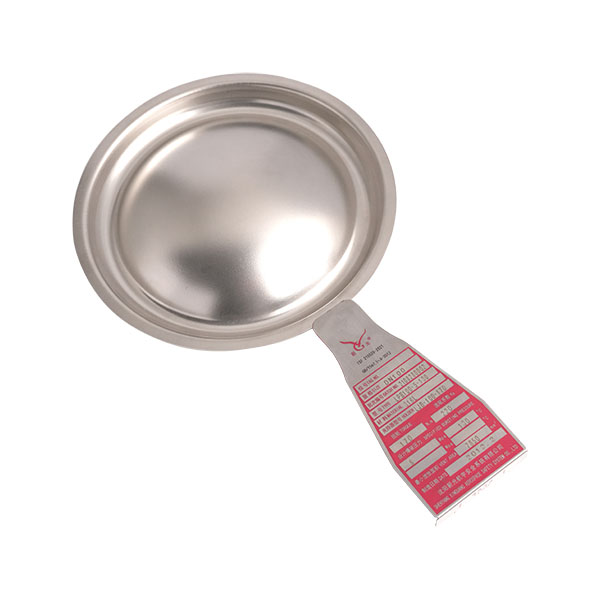
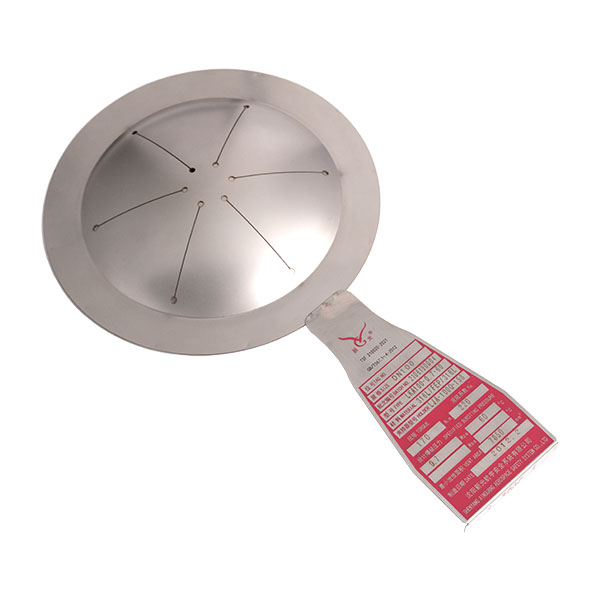
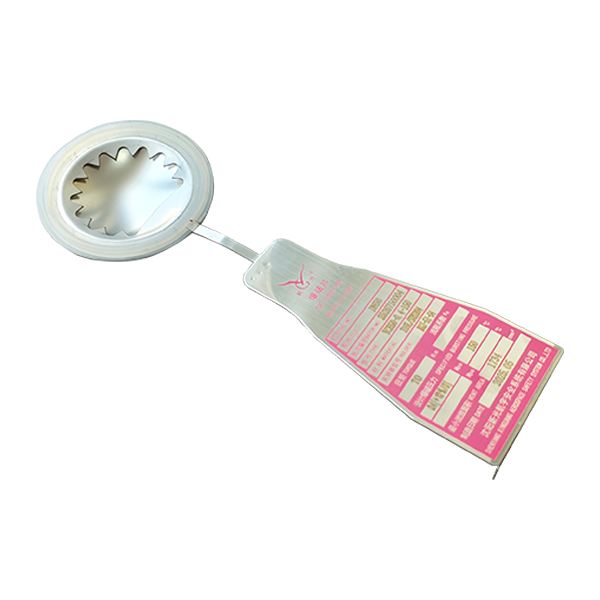
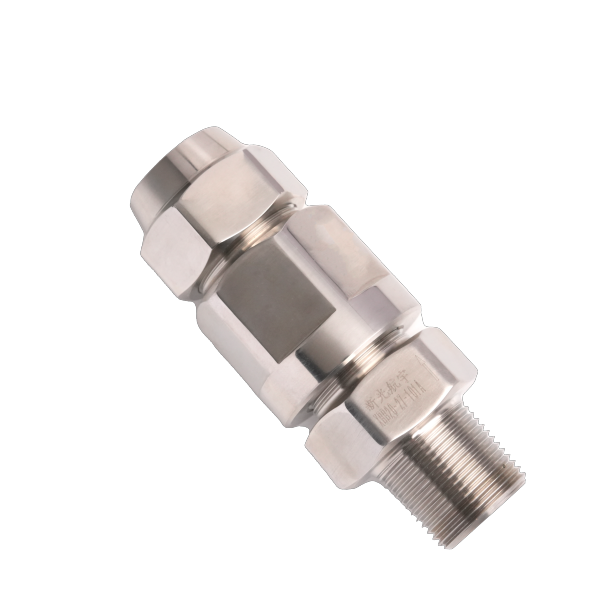
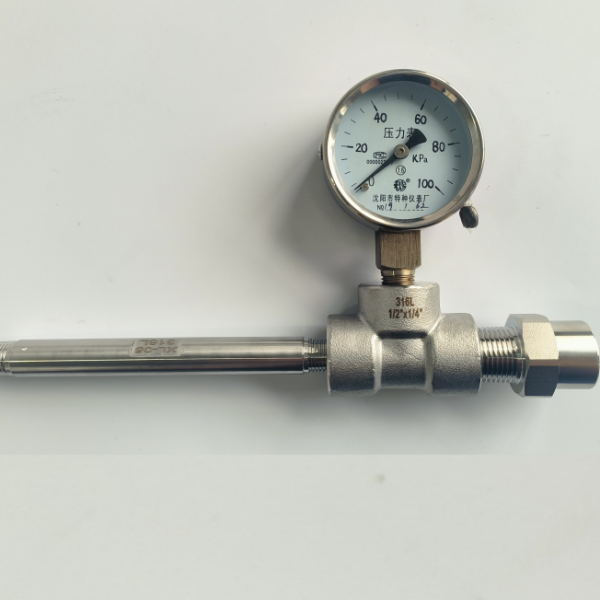
Characteristics of Rupture Disc Devices:
1. Rupture discs can adapt to rapid pressure increases, while safety valves require a certain amount of time because the spring controlling the opening of the valve disc must overcome its inertia. Uncontrolled chemical reactions usually produce rapid pressure increases, in which case rupture disc devices are preferred as safety devices on the container.
2. Reliable sealing performance: Rupture disc devices are suitable for toxic and flammable media. Safety valves inevitably experience minor or small amounts of leakage between the valve disc and valve seat.
3. The operation of the safety device is independent of the state of the medium. A small amount of solid crystals or viscous liquid adhering to the rupture disc will not affect its bursting pressure. However, if it adheres to the valve disc-seat sealing surface of a safety valve, it may seriously affect its opening pressure.
4. Rupture discs also have the advantages of a wide range of bursting pressure, bursting temperature, and discharge area, good corrosion resistance, high bursting pressure accuracy, simple structure, and convenient installation.
5. Rupture discs also have the disadvantage of being single-use. Once ruptured, nearly 90% of the medium will be released, resulting in significant economic losses. Therefore, regular replacement of the diaphragm is required. To reduce material loss during discharge, a combination of rupture disc and safety valve devices can be used. To prevent premature rupture of the rupture disc due to slight corrosion or fatigue, which would interrupt operation and affect the scheduled replacement cycle, two devices can be configured in series.

Classification of Rupture Discs:
1. Forward-acting rupture disc: The arch is upward, generally suitable for gaseous media.
2. Reverse-acting rupture disc: The arch is downward, with good fatigue resistance, no need to consider vacuum effects, no fragmentation, and can operate at 90% of the bursting pressure. It must be used in a gaseous environment with a certain volume on the pressure side so that there is enough energy for the diaphragm to completely open when it becomes unstable and flips over. However, the scored type can be used for liquid media.
3. Graphite rupture disc: Made of artificial crystalline graphite, it is most suitable for applications requiring low bursting pressure and resistance to chemical corrosion.
4. Combined rupture discs: Developed to meet the special requirements of certain protected equipment, such as: bidirectional rupture discs, and positive and negative arch combined rupture discs.
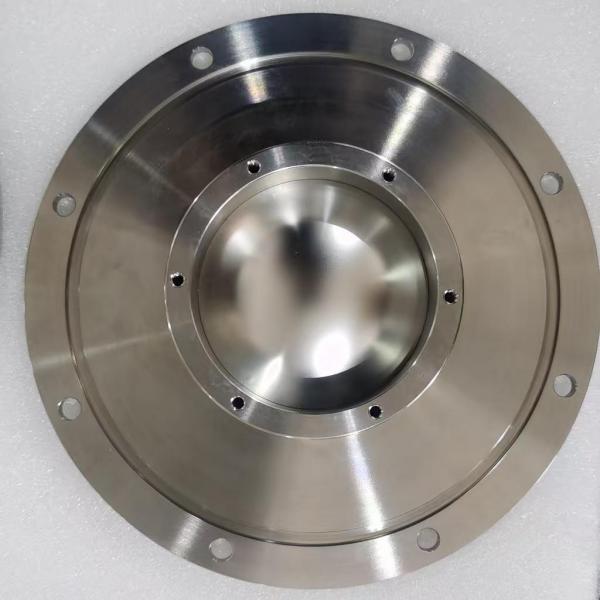
5. Clamping Device: Its function is to correctly clamp the periphery of the rupture disc in the designated position according to the design requirements, so that the rupture disc can achieve the designed bursting pressure.
Rupture Disc Materials:
1. Material Selection Principles:
- Appropriate strength;
- Sufficient corrosion resistance;
- Good thermal stability;
- Good plasticity, uniform quality, and stable performance.
2. Metal Diaphragm Materials:
(1) Pure Aluminum: Resistant to corrosion from concentrated nitric acid, ammonium bicarbonate, etc., but not resistant to alkalis and sodium chloride. It has good low-temperature performance, but low strength and poor high-temperature resistance, so it is usually used in small diameter, low pressure, and low-temperature applications.
(2) Pure Silver: Good plasticity and corrosion resistance, better mechanical properties and thermal stability than aluminum, and similar strength to aluminum. It is a superior material for low-pressure rupture discs.
(3) Pure Nickel: Good chemical stability, resistant to seawater, alkaline liquids, and most inorganic salts and organic acids. It has good strength, high plasticity, and good thermal stability, making it a good material for high-temperature, medium-pressure rupture discs.
(4) Austenitic Stainless Steel: (304, 316, 316L) High strength and good thermal stability, commonly used in high-temperature, high-pressure, medium-pressure, and large-diameter rupture discs and vacuum support components.
(5) Monel Alloy: Good resistance to acids, caustic alkalis, and gases such as sulfur dioxide and carbon dioxide. High mechanical strength at high temperatures and good thermal stability, commonly used in high-temperature, high-pressure, and medium-pressure rupture discs and vacuum support materials for sealing.
3. Non-metallic Diaphragm Materials:
(1) Impermeable, isostatically pressed high-grade artificial crystalline graphite impregnated with resin, etc. Insensitive to temperature, but sensitive to pressure fluctuations, commonly used in medium and low-pressure rupture discs.
(2) Others, such as asbestos board.
