
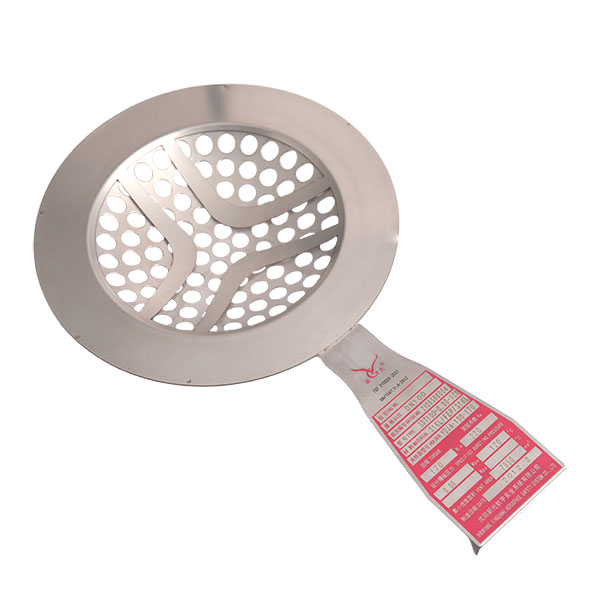
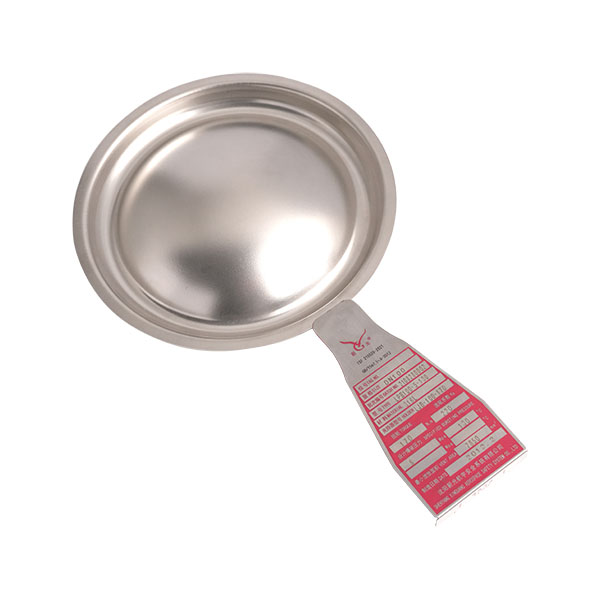
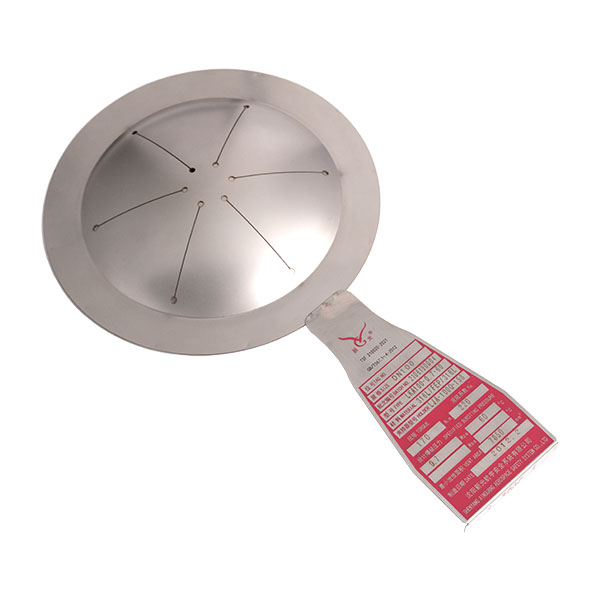
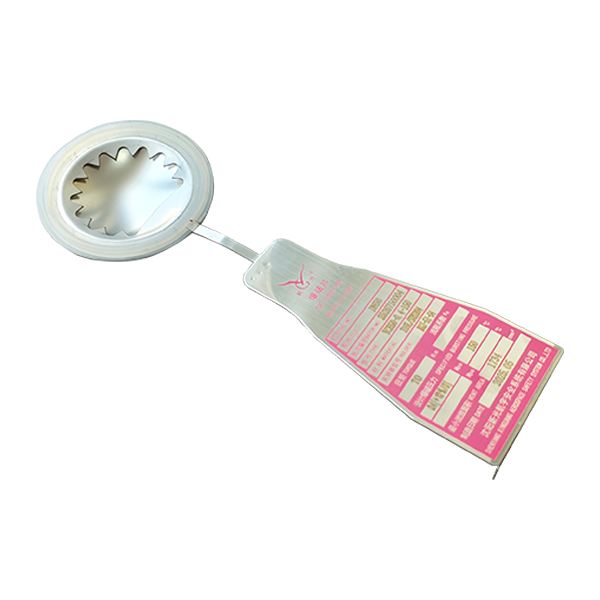
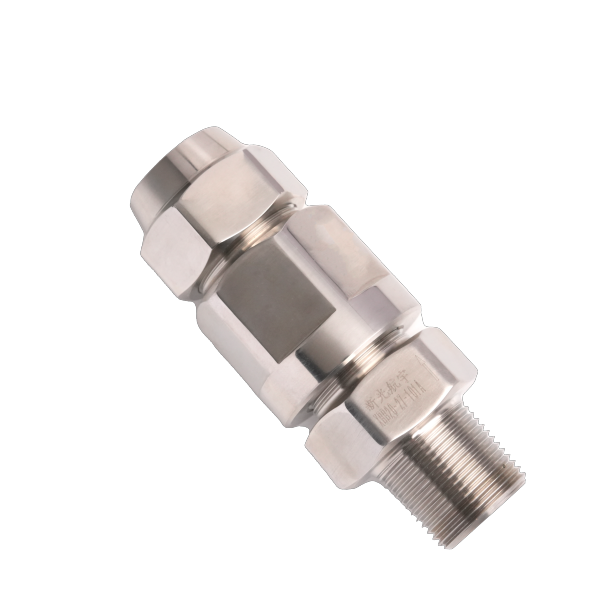
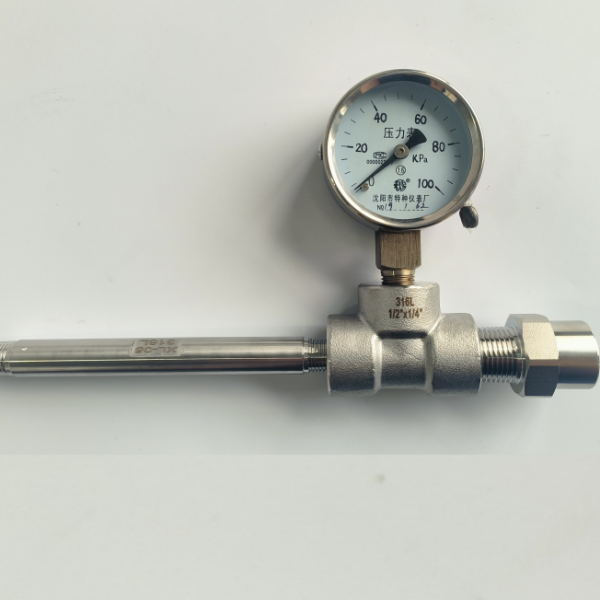
Technologies involving high-pressure gases, such as hydrogen energy, compressed air energy storage, and supercritical CO₂extraction, are developing rapidly. As a crucial safety pressure-relief device, burst discs are also facing new performance requirements. According to exchanges at industry technical seminars, today's burst discs are no longer simple pressure-relief components; they need to be precise safety systems that comprehensively take into account factors such as gas properties, operating conditions, and response speed. Only by understanding the type characteristics and selection methods of burst discs can the overpressure risks of high-pressure gas systems be truly prevented.
Structure and Principle: Two Mainstream Types Dominate the Market.
In high-pressure gas applications, burst discs are mainly divided into two structural types: conventional dome burst discs and reverse arch bursting discs.
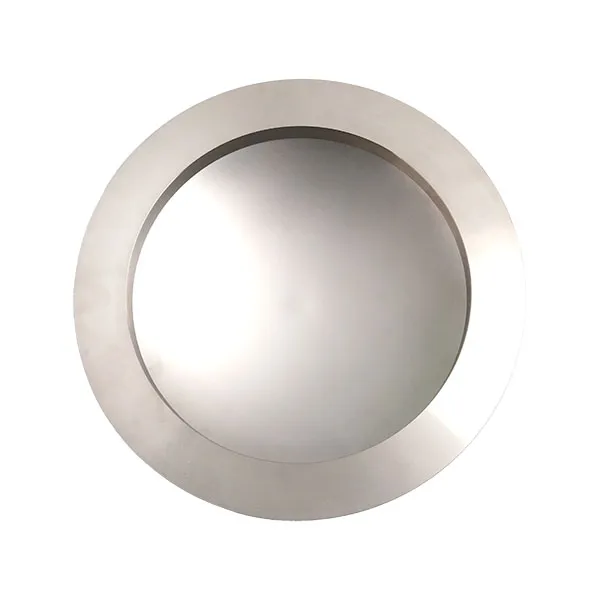
Conventional dome burst discs use a domed metal diaphragm, with the high-pressure side facing the apex. When the pressure exceeds the set value, the diaphragm stretches and ruptures. This type has a simple structure and low cost, suitable for medium- and low-pressure gas systems. However, in high-pressure hydrogen or natural gas scenarios, the gas compression effect may cause diaphragm flutter fatigue, posing a risk of premature actuation.
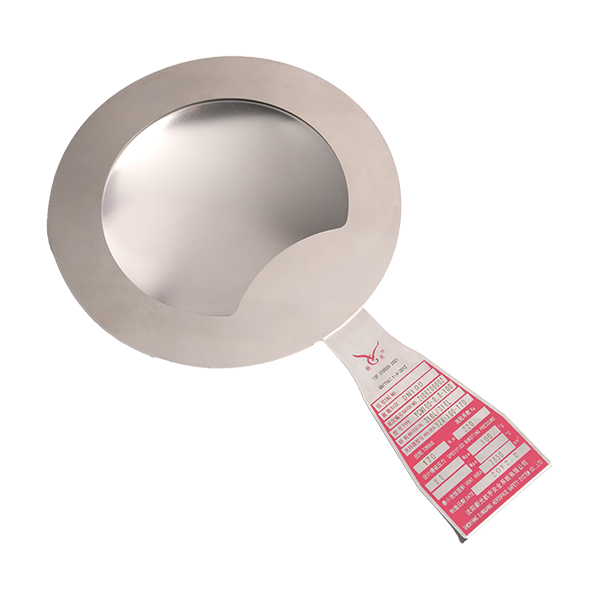
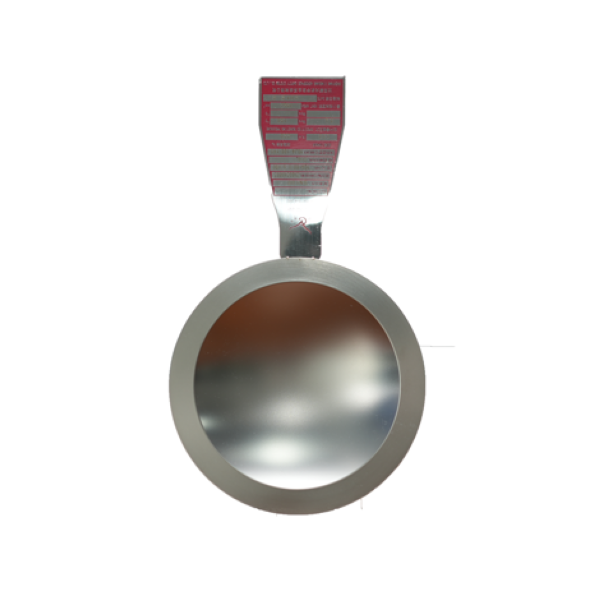
Reverse arch bursting discs adopt a design in which the apex faces away from the high-pressure side. Upon overpressure, the diaphragm instantaneously inverts and ruptures along the shear edge, opening the passage. This structure responds quickly and provides a large venting area. It is currently used in CNG storage tanks, hydrogen transport bundles, and similar applications. Most company safety managers state that for rapid pressure relief of high-pressure combustible gases, the reverse arch bursting disc is the only choice.
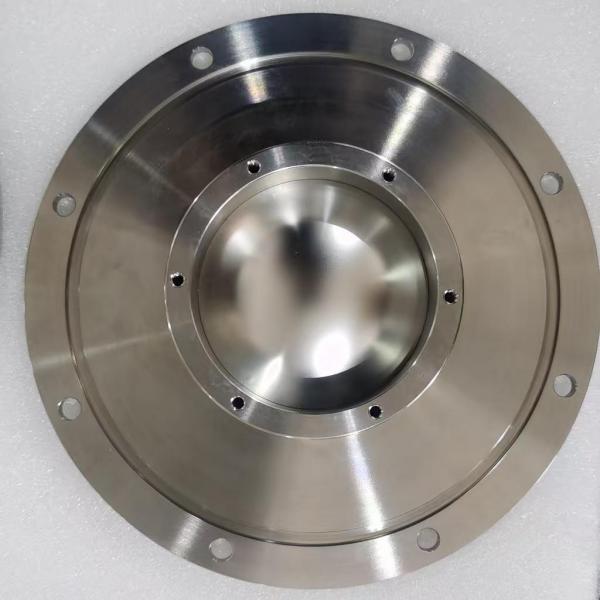
Whether it is a conventional dome burst disc or a reverse arch bursting disc, Shenyang Xinguang Aerospace Safety System Co., Ltd. has a complete product line, offering more than 20 different types, materials, and pressure ratings of burst discs, covering various high-pressure gas conditions. Various selection combinations and flexible configurations can provide users with customized, safe, reliable, and cost-effective pressure-relief devices.
Precise Selection: Operating Parameters Determine Safety.
In engineering practice, merely understanding the working principle is far from sufficient to ensure safety. The selection of bursting discs also requires fine-tuned matching based on pressure range, temperature interval, and the chemical characteristics of gases.
Pressure rating is the primary screening criterion. For medium- and low-pressure natural gas transmission and distribution systems below 35 MPa, ordinary reverse arch bursting discs are suitable; whereas for ultra-high-pressure hydrogen test rigs ranging from 70–300 MPa, multi-layer composite diaphragms or special alloy materials are required.
Temperature adaptability is also key. When handling liquid nitrogen vapor (-196°C), beryllium copper alloy bursting discs can prevent low-temperature brittle fracture; for high-temperature exhaust gas or superheated steam scenarios, Inconel alloys or ceramic-coated products are needed to prevent oxidation-induced bursting pressure drift.
Gas chemical compatibility cannot be ignored. In acidic gas fields containing hydrogen sulfide or high-concentration oxygen environments, standard stainless steel bursting discs may suffer corrosion cracking or abnormal combustion, making it necessary to use corrosion-resistant materials such as gold-plated or Hastelloy alloys. For semiconductor-grade ultrapure gas systems, no lubricants may be used inside the bursting disc, and laser welding must be employed to achieve particle-free sealing.
For different pressures, temperatures, and gas media, Shenyang Xinguang Aerospace Safety System Co., Ltd.'s various bursting discs can be customized as needed. Whether it is setting precise pressure, adapting to specific temperature ranges, or designing for different types of gases, the company relies on mature technology and a diversified product line to provide dedicated services.
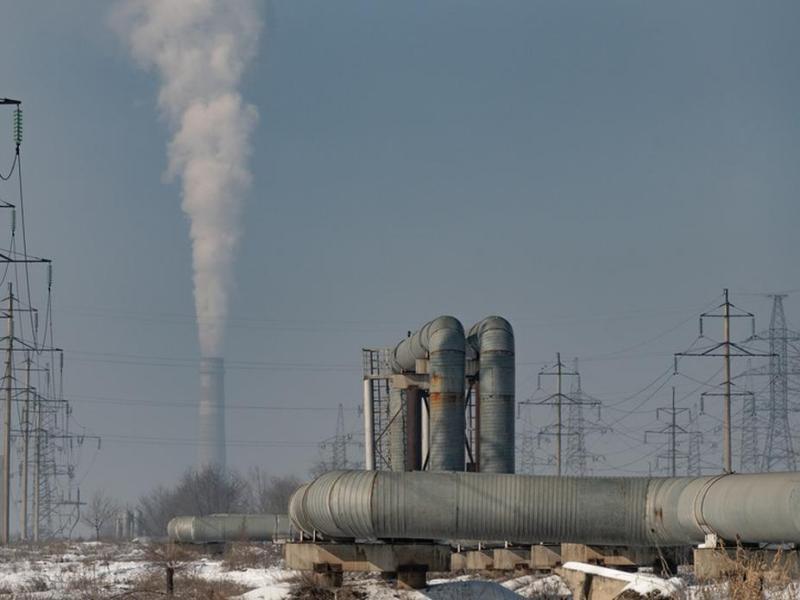
The application of high-pressure gases has extended to higher pressures, wider temperature ranges, and more specialized media. Rupture disc technology is developing in three directions: first, improving rupture pressure accuracy, gradually approaching ±2% from ±10%; second, integrating online calibration and self-diagnosis functions to reduce downtime detection costs; third, innovation in material surface engineering to address long-standing issues such as hydrogen embrittlement and corrosion.
Although rupture discs are safety accessories, their failure can impact life and property safety. Buyers should not fall into the trap of 'only considering price and ignoring the type.' Please make scientific choices and replace rupture discs regularly based on the characteristics of process gases and operational lifecycle, safeguarding the final defense line of the high-pressure gas system.
