
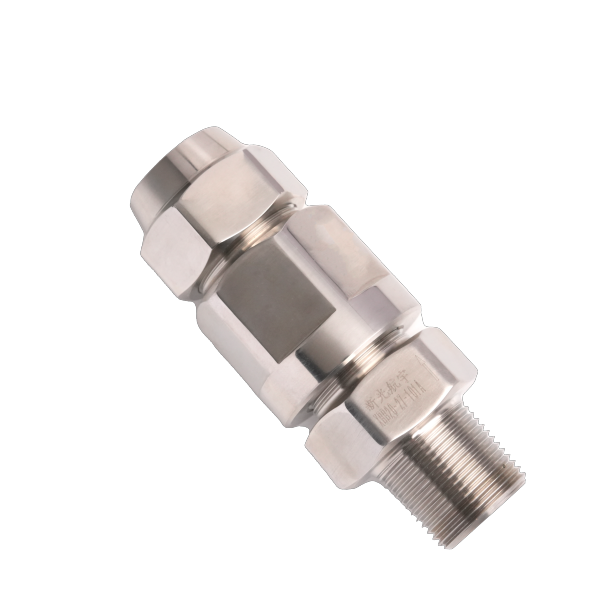
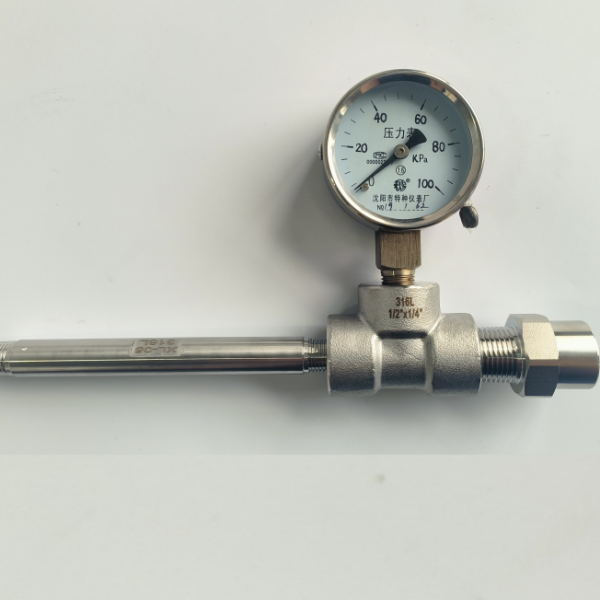
In high-risk industries such as petroleum, chemical, and pharmaceutical production, the safe operation of pressure equipment is the baseline requirement. Among various pressure relief solutions, the combination device of a 'rupture disc and PSV' is recognized as a reliable safety measure. However, many people are puzzled: since a PSV can be operated repeatedly, why install a one-time-use rupture disc upstream?
What is a 'burst disk PSV' system?
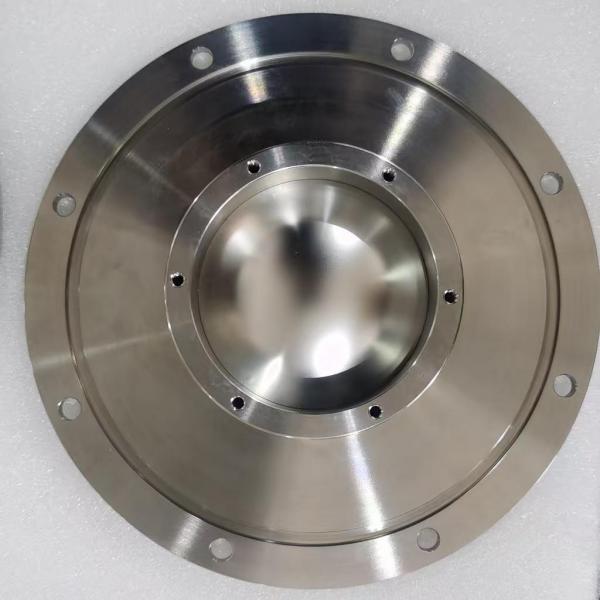
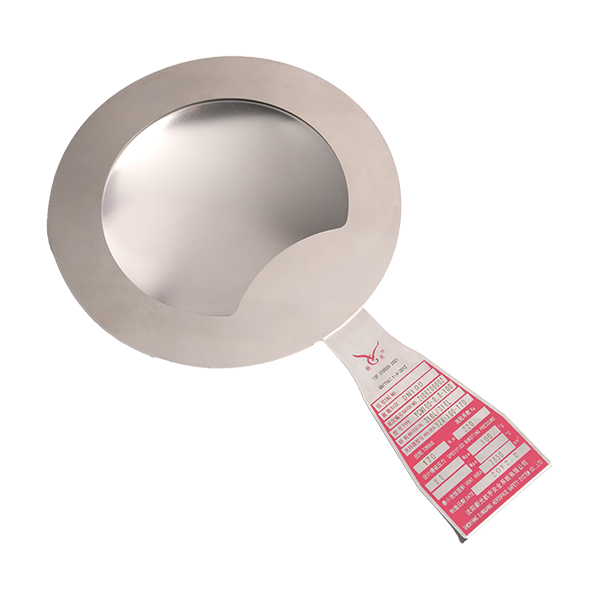
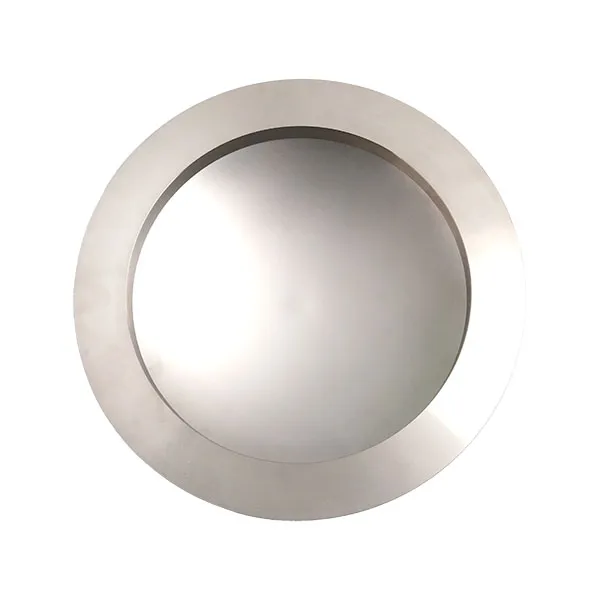
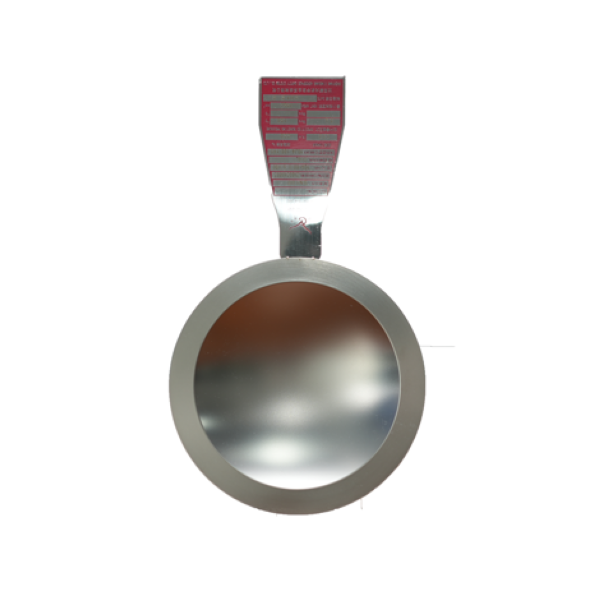
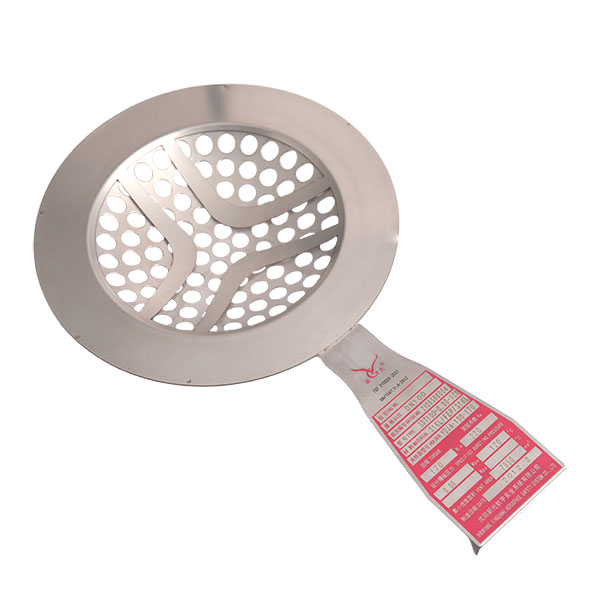
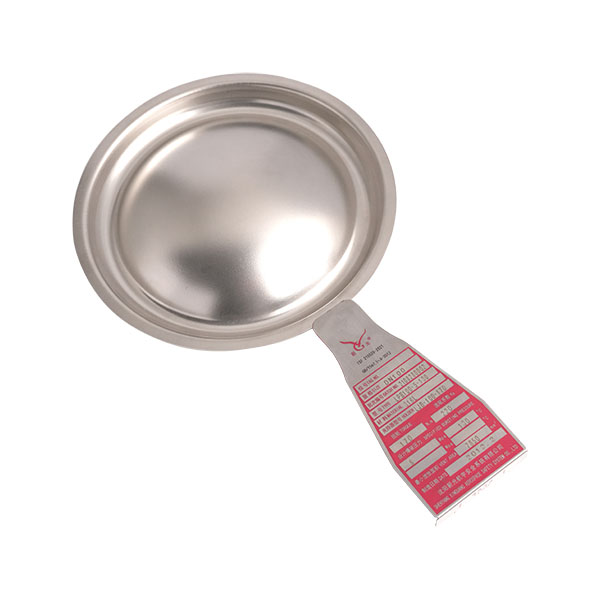
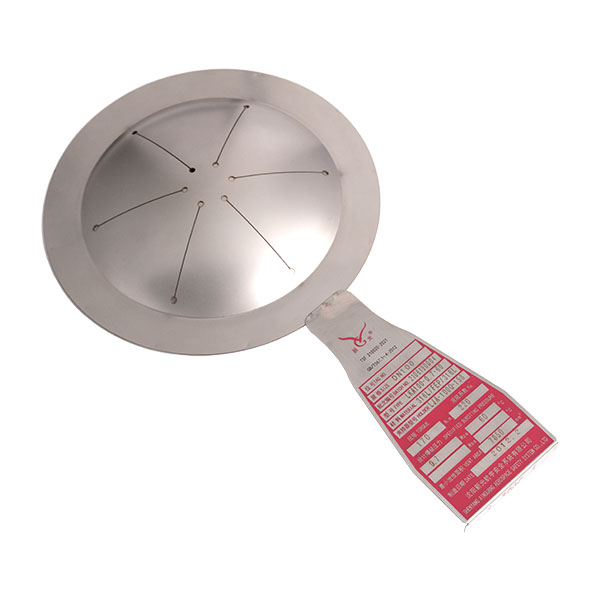
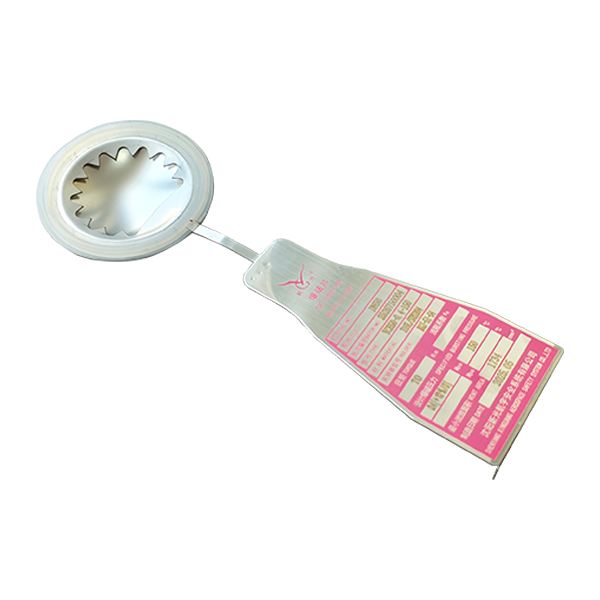
PSV is a pressure relief device that relies on an external force switch, with the advantage of automatically reseating and closing after overpressure discharge, allowing for repeated use. In contrast, a high pressure burst disk is a non-reclosing pressure-sensitive element made of metal or graphite. When the pressure reaches a predetermined value, the diaphragm stretches, shears, or buckles, instantly releasing the medium.
When the two are used together, the high pressure burst disk is usually installed directly on the inlet side (upstream) of the PSV. The common forms are twofold: close-contact type (the burst disk is in direct contact with the PSV seat) and spaced type (there is a small gap between the two). This structural layout solves a series of complex operating conditions.
Dual protection: blocking corrosive and clogging media.
Many industrial media are highly corrosive (such as hydrochloric acid, sulfuric acid), viscous, or contain solid particles. If such media directly contact the PSV, the valve seat, valve core, and spring can be quickly corroded, worn, or jammed, causing PSV failure or leakage.
In these conditions, the rupture disc acts as a physical isolation barrier. Positioned close to or against the PSV inlet, it confines the hazardous media to the equipment side. Additionally, factories often fill the chamber between the two components with a clean liquid during operation, creating a clean buffer zone. This ensures that the PSV contacts only clean fluid, preserving the integrity of its precision structure.
Good sealing: Solves the problem of PSV internal leakage.
Even PSV that meet quality standards may have slight internal leakage below the set pressure (because it is difficult to achieve absolute zero leakage between the metal valve core and the valve seat). In occasions involving hydrogen energy, high-purity gases, vacuum systems, or highly toxic/flammable gases, such micro-leakage can cause product contamination, resource waste, or even safety risks.
The rupture disc itself is an integrally molded metal or graphite diaphragm, featuring 100% zero leakage. By placing it at the upstream side of the PSV, under any operating condition, the medium cannot reach the PSV before passing through the rupture disc. This effectively adds a sealing barrier to the system. Even if the PSV's sealing performance deteriorates, the entire pressure relief system can still maintain sealing integrity, thereby extending the PSV inspection interval and minimizing leakage of expensive media.
Response to special conditions: Prevent medium polymerization, crystallization, and adhesion.
During normal production, the PSV remains closed for long periods, leaving the medium in the inlet piping and valve chamber in a stagnant state. If this medium has a tendency to polymerize, crystallize, or adhere, it will gradually accumulate on the contact surfaces between the valve core and the valve seat, eventually causing the PSV to stick and fail to open during actual overpressure.
Through the front high pressure burst disk device, technicians can continuously provide heat tracing and insulation to the chamber between the two, preventing the medium from freezing inside the valve cavity, thereby helping to maintain the activity of the PSV.
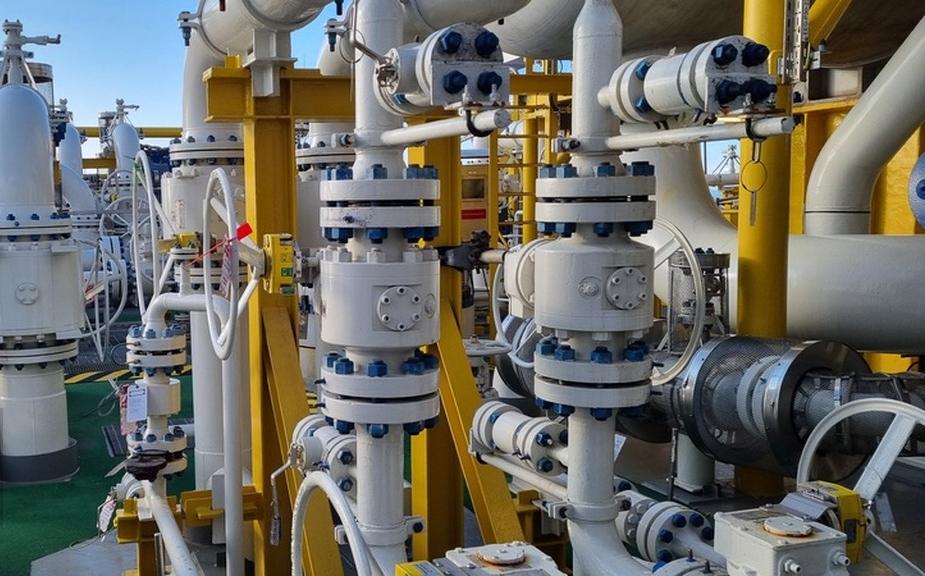
Based on the above analysis, in order to ensure the smooth and safe operation of industrial production, the installation of a "rupture disk PSV" is indispensable. Moreover, using a rupture disk before the PSV can effectively isolate the process medium, thereby preventing the components inside the PSV from blockage, sticking, or damage caused by medium corrosion, dirt accumulation, or crystallization.
For modern industry, although the "rupture disk PSV" combination has obvious advantages, incorrect design or maintenance can pose serious risks. Therefore, correctly understanding and applying this combination is not only a basic requirement for complying with domestic and international standards but also an important way to improve equipment safety and reduce maintenance costs.
