
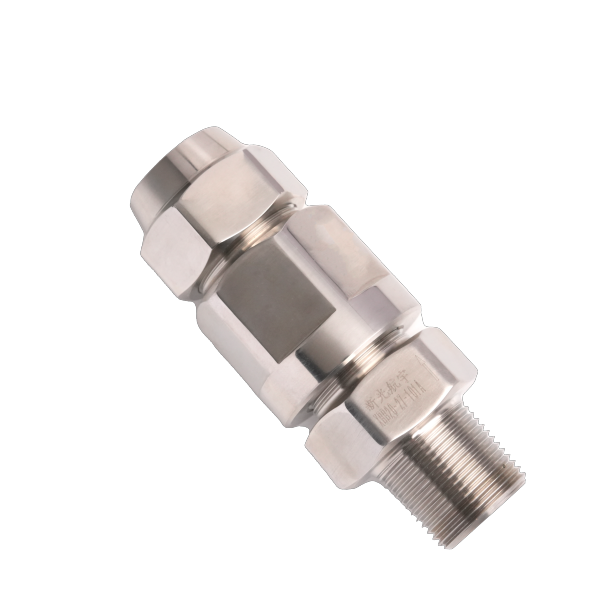
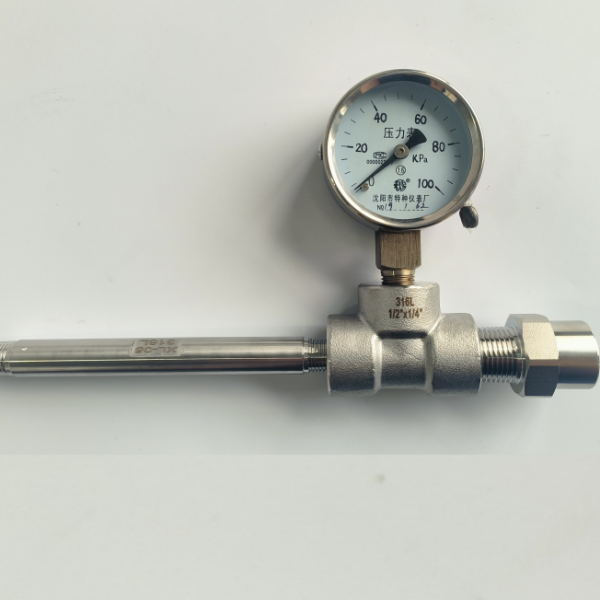
Basic Principles and Safety Design:
As a critical protective component in industrial pressure systems, the core function of a rupture disc is to quickly respond to sudden overpressure conditions. This device is made of special metal or composite materials and undergoes structural failure at a pre-set pressure threshold, releasing pressure through controlled rupture. Its activation mechanism is based on material mechanical properties: when the system pressure exceeds the safety limit, the weak point of the metal diaphragm undergoes plastic deformation under the action of deformation stress, leading to crack propagation and overall rupture.
Structural Composition and Material Selection:
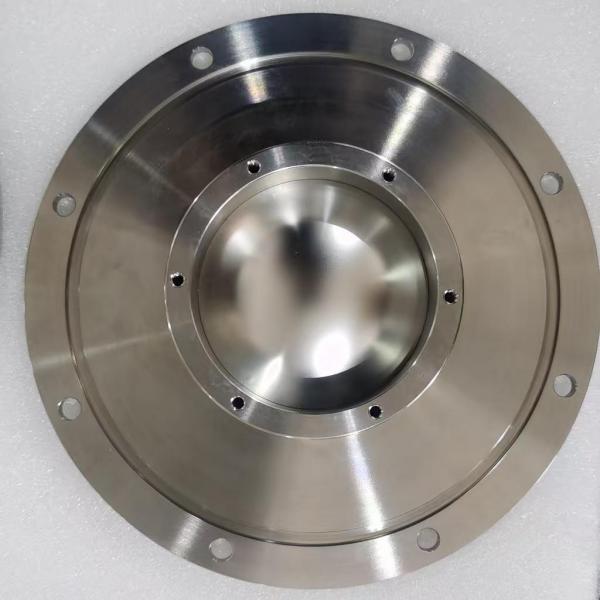
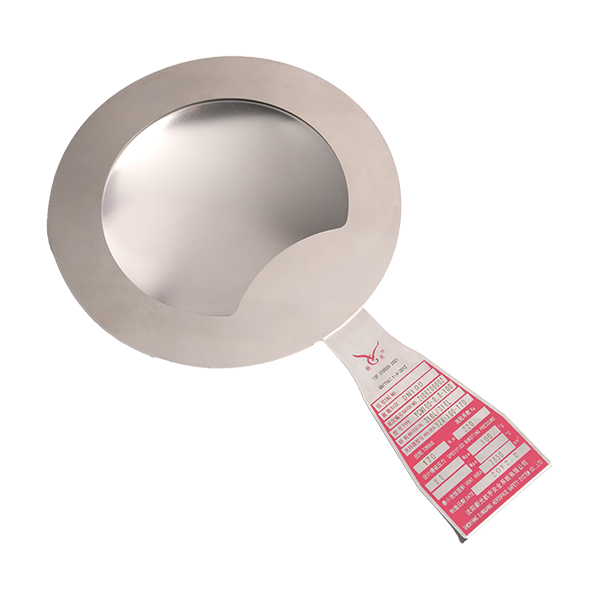
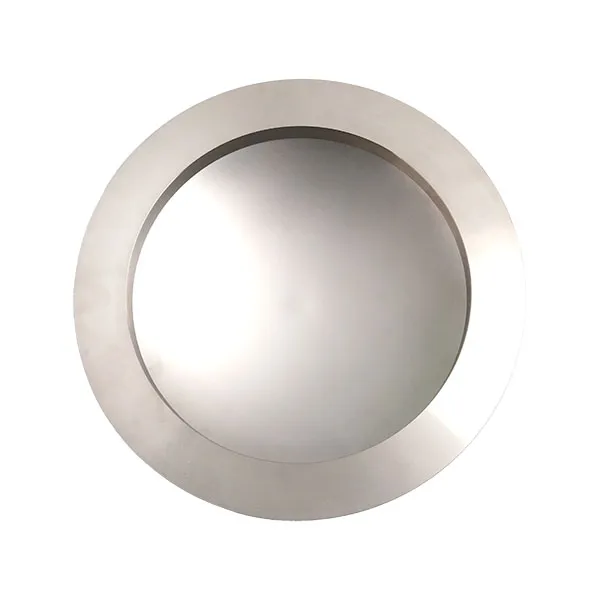
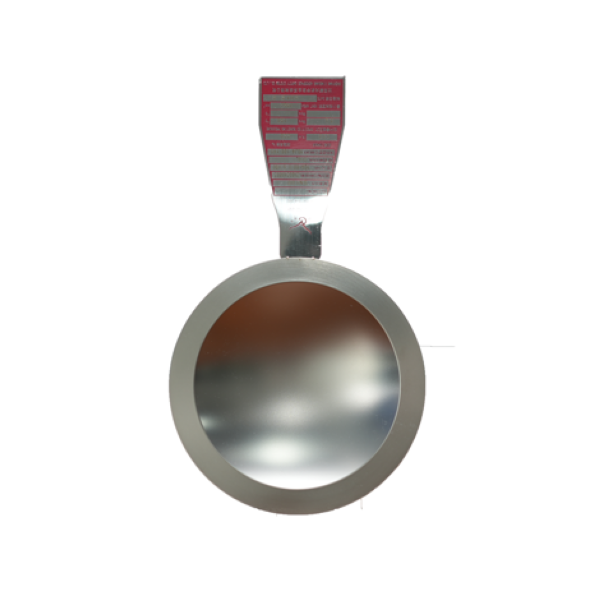
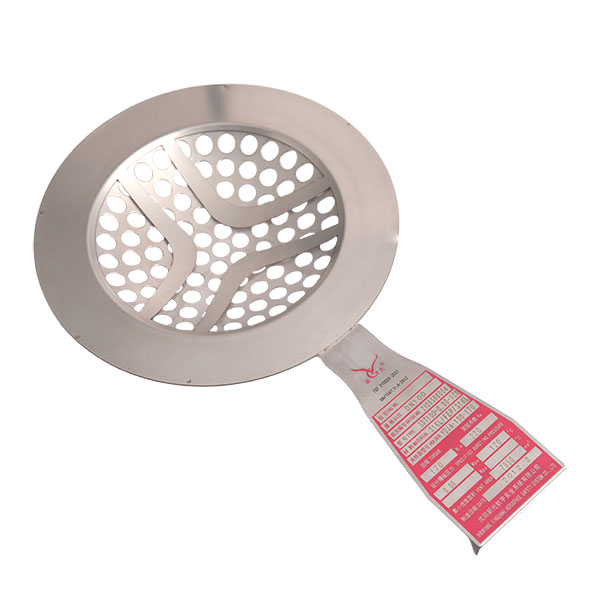
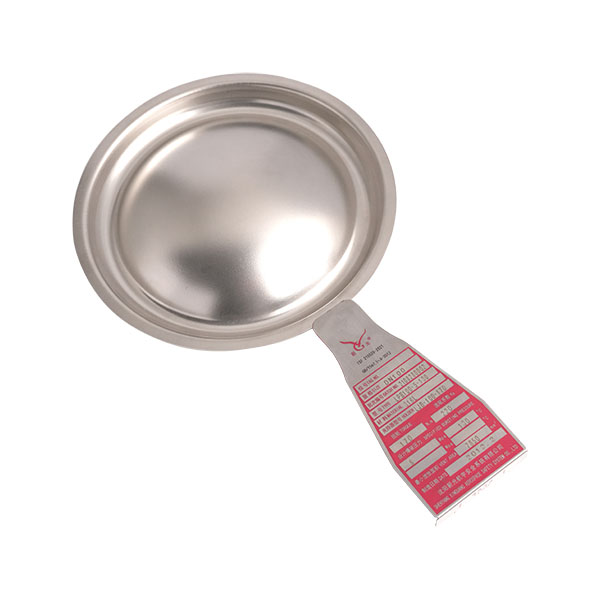
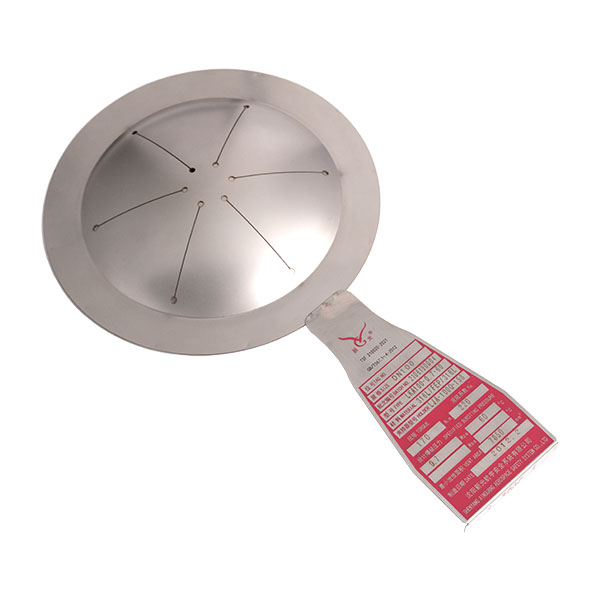
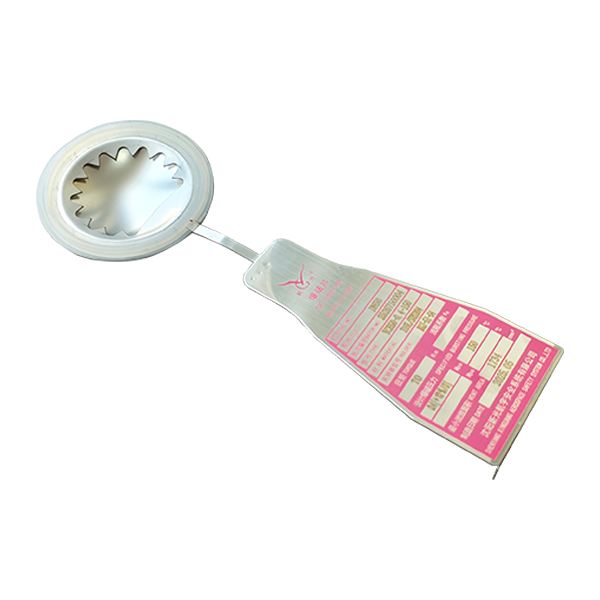
A rupture disc mainly comprises three functional modules: the first layer is the pressure-bearing diaphragm body, made of heat-treated nickel-based alloy or graphite composite material, with a thickness gradient formed by laser etching technology; the middle layer has a stress guiding groove structure to ensure that the rupture occurs along a predetermined trajectory; and the outermost layer is equipped with a protective liner to prevent direct media erosion. This multi-layer composite structure allows the burst pressure deviation to be controlled within ±2%, which is far superior to traditional mechanical pressure relief devices.
Dynamic Working Mechanism Analysis:
During the normal operation of a pressure vessel, the rupture disc maintains stress balance with the system through a flange sealing structure. When the internal pressure exceeds the safety critical point, the crystal lattice structure of the metal diaphragm begins to undergo dislocation slip. At this time, the stress-strain curve shows a significant non-linear characteristic, and the material transitions from the elastic deformation stage to the plastic flow stage. Monitoring data shows that the entire process from the pressure exceeding the threshold to complete rupture takes only 15-23 milliseconds, a response speed more than 5 times faster than spring-loaded safety valves.
Engineering Applications and System Integration:
In modern chemical production facilities, rupture discs are often integrated with electronic monitoring systems to form a linked protection network. Typical application scenarios include: chain protection systems for ethylene oxide reactors, multi-stage pressure relief devices for LNG storage tanks, and emergency isolation units for the secondary circuit of nuclear power plants. By combining disc sets with different pre-set burst pressure values, a graded pressure release strategy can be achieved, significantly reducing the risk of system downtime due to single-point failure.
Performance Verification and Maintenance Standards:
To ensure reliable protection, the service life management of rupture discs is particularly important. International ASME standards require seal performance testing every 12 months and rupture pressure verification every 36 months. During on-site maintenance, a laser thickness gauge should be used to measure the etching groove depth, and digital image strain analysis technology should be employed to assess material fatigue. For applications where the medium poses a risk of crystallization, an additional heating jacket is required to prevent channel blockage.
Key Considerations for Selection and Calculation:
In engineering design, the rupture disc's back pressure ratio, i.e., the ratio of rupture pressure to system recovery pressure, needs to be carefully checked. For condensable gas media, the Gupta modified formula, which considers phase change effects, should be used. In situations with frequent dynamic pressure fluctuations, a vibration fatigue factor should be introduced to compensate for the theoretical rupture pressure calculation. These detailed controls directly impact the safety margin design of the entire pressure vessel system.
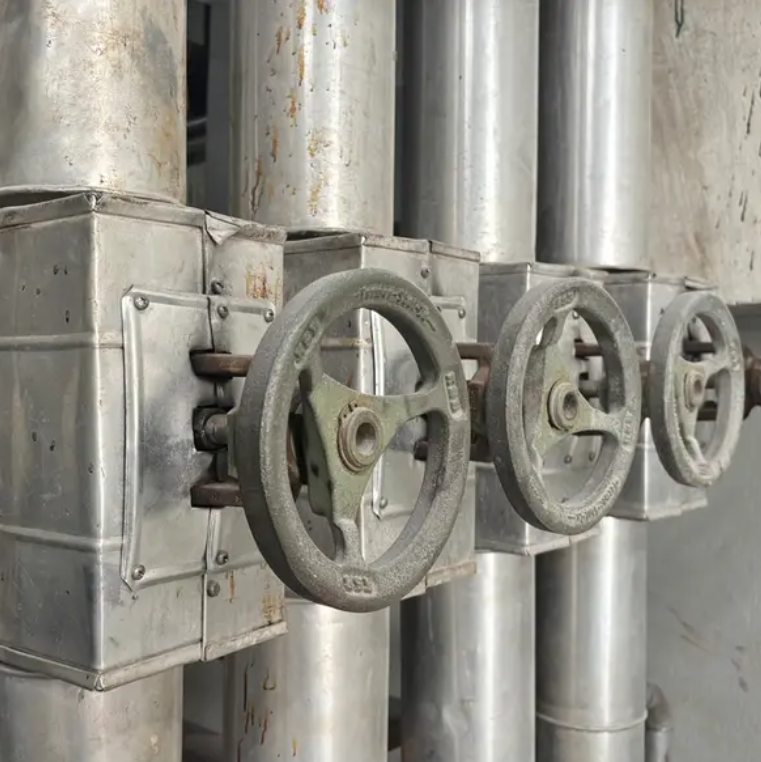
Technological innovations in these safety components continuously drive improvements in industrial safety standards. From the initial simple metal sheets to today's integrated intelligent monitoring composite systems, the development of rupture disc technology demonstrates the core value of inherently safe design concepts in the process industry. With the in-depth application of digital twin technology, future developments may enable full-process simulation and prediction of rupture behavior, providing a more robust foundation for industrial safety.
If you would like to learn more about rupture discs, please continue to follow our website or contact us directly. We have professional technical personnel to answer your questions and look forward to cooperating with you.
