
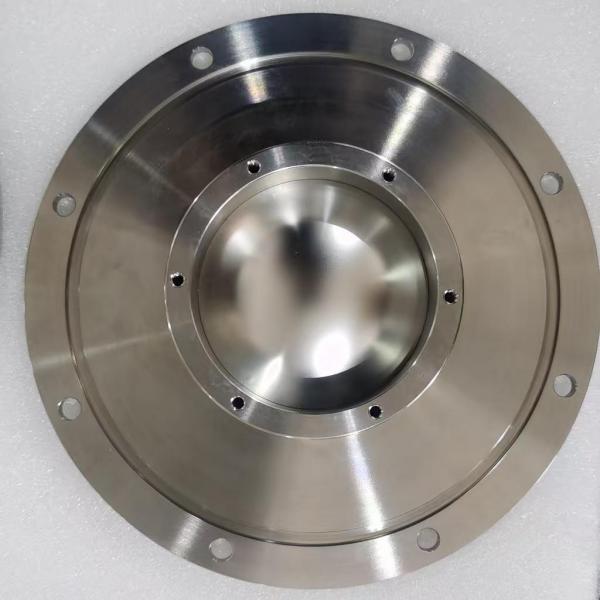
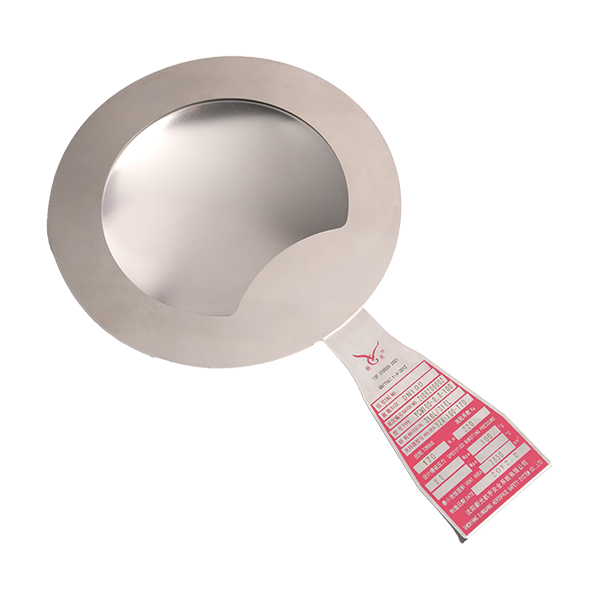
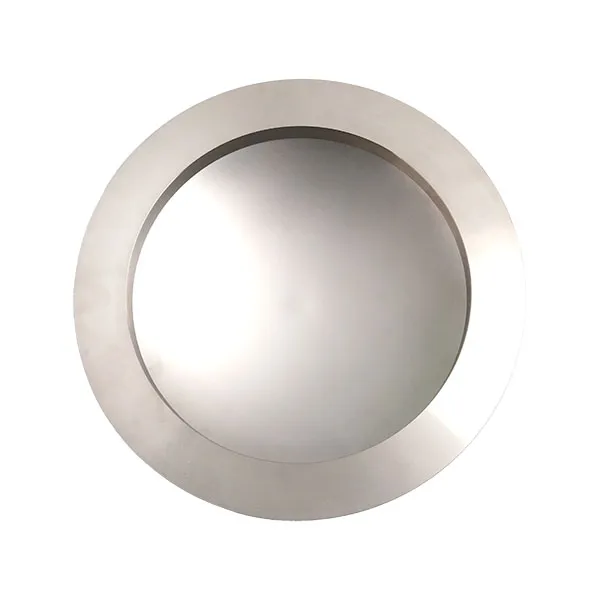
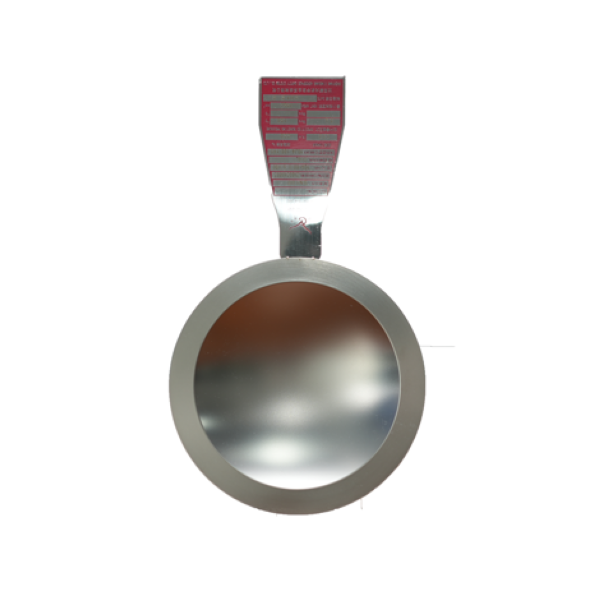
What is a Reverse Buckling Rupture Disc?
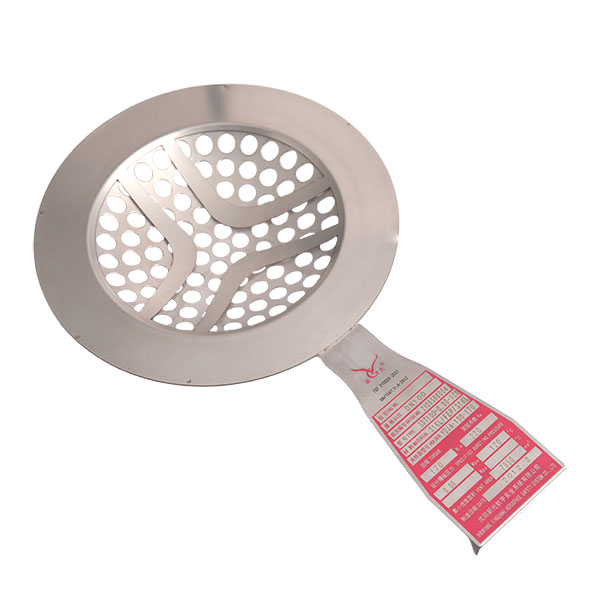
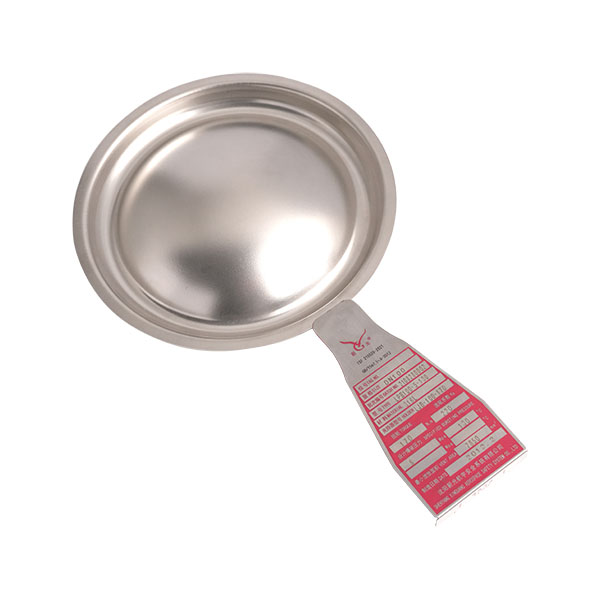
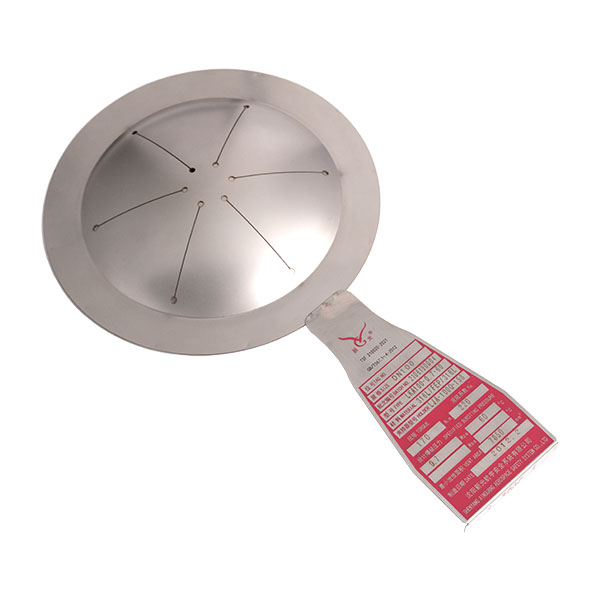
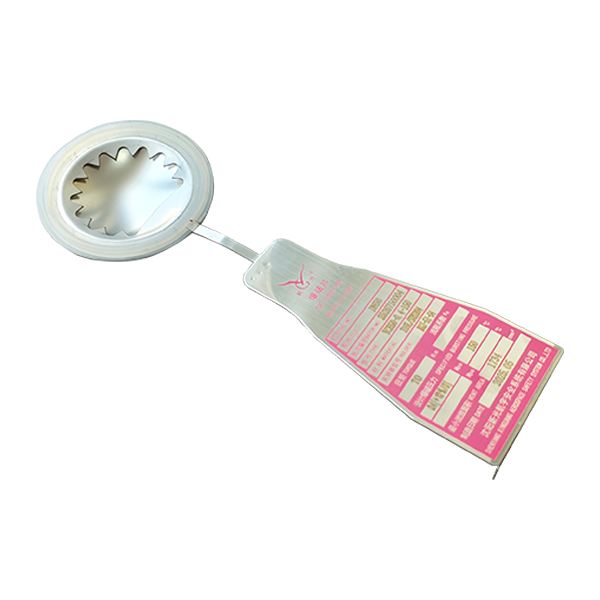
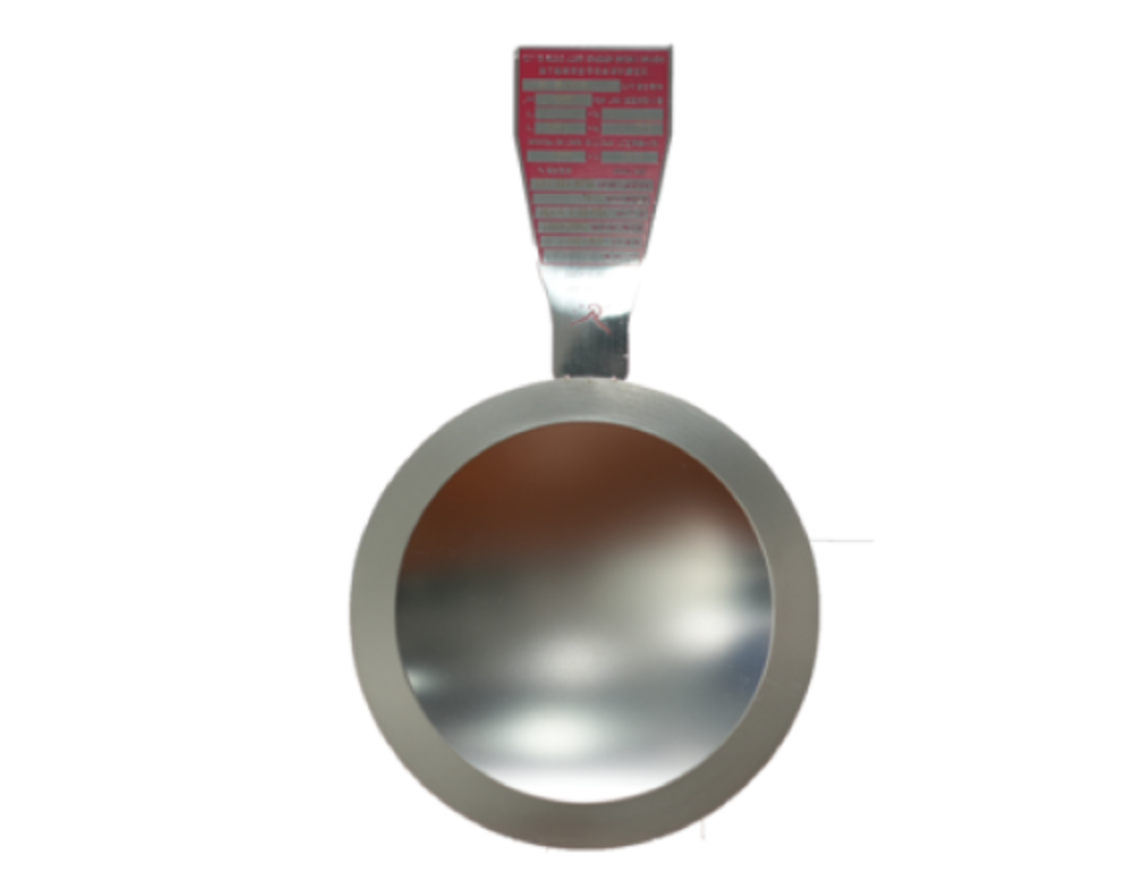
A Reverse Buckling Rupture Disc is a pressure relief device with a reverse arched structure design. Unlike traditional upright rupture discs, the arched structure of a Reverse Buckling Rupture Disc bulges in the opposite direction to the pressure source during installation. Under normal operating conditions, the system pressure acts on the concave surface of the rupture disc, maintaining its stable structure. When the pressure gradually increases and reaches a set value, the Reverse Buckling Rupture Disc instantly flips and ruptures, rapidly releasing the system pressure and protecting the equipment. This unique structural design gives the reverse arched rupture disc significant advantages in stability, service life, and burst accuracy.
Basic Working Principle of Reverse Buckling Rupture Disc
1. Normal Operation Phase
During normal operation, the system pressure is lower than the design burst pressure of the rupture disc. At this time, the pressure acts on the concave surface of the rupture disc, maintaining its stable anti-arch structure. Because this structure has strong fatigue resistance, it remains stable even under long-term pressure fluctuations and will not fail prematurely.
2. Pressure Increase Phase
As the internal pressure gradually increases and approaches the set burst pressure of the Reverse Buckling Rupture Disc, the rupture disc begins to deform. With further pressure increases, the anti-arch structure gradually loses stability. When the pressure reaches a critical point, the rupture disc instantly flips over. This flipping is the key working principle of the Reverse Buckling Rupture Disc.
3. Instant Burst Phase
After the anti-arch structure flips over, the pre-set cutting groove or weakened area on the Reverse Buckling Rupture Disc rapidly ruptures, forming a pressure relief channel. Within a very short time, the high-pressure medium inside the equipment is rapidly released, and the system pressure drops rapidly, thus preventing damage to the pressure vessel, pipeline, or equipment. The entire process usually takes only a very short time, thus effectively protecting the safety of industrial systems.
Structural Features of Reverse Buckling Rupture Disc
The widespread use of Reverse Buckling Rupture Discs is closely related to their unique structural design.
1. The reverse arched structure can withstand high operating pressures and has excellent fatigue resistance. This allows the rupture disc to maintain stable operation even in systems with frequent pressure fluctuations.
2. Reverse Buckling Rupture Discs offer more precise burst pressure control. Because the rupture disc is triggered by structural instability, it can act rapidly near the set pressure.
3. This type of rupture disc typically has a long service life. In many industrial systems, it maintains stable performance even during long-term operation.
Typical Applications of Reverse Buckling Rupture Discs
Due to their high stability and excellent bursting accuracy, Reverse Buckling Rupture Discs are widely used in various industrial fields, such as:
* Chemical reaction equipment
* Pressure vessels
* Petroleum refining units
* Natural gas storage systems
* Pharmaceutical production equipment
* LNG storage tank systems
In these systems, Reverse Buckling Rupture Discs typically serve as an important component of the safety protection system, forming a complete pressure protection system together with safety valves and other equipment.
The structural design and stable, reliable working principle of Reverse Buckling Rupture Discs play a crucial role in industrial pressure protection systems. Through their inverted arched structure, which instantly flips and ruptures under high pressure, Reverse Buckling Rupture Discs can rapidly release system pressure, thereby preventing equipment damage or safety accidents. Scientific selection and standardized installation ensure that the rupture disc plays its due role in providing safety protection at critical moments.
