
III. Environmental Factors: Temperature, Back Pressure, and Corrosion.
1. The overlooked effect of temperature.
Burst pressure is a function of temperature. Generally, as the temperature increases, the metal strength decreases, and the burst pressure decreases.
Failure case: The customer selected a 10 Bar rupture disc based on room temperature (20°C), but the actual operating condition was 150°C. At 150°C, the actual burst value of the rupture disc may only be 8.5 Bar. As soon as the system heated up, the rupture disc "prematurely burst".
Solution: Be sure to provide the "burst temperature" when ordering.
2. Back pressure and vacuum.
Many forward-acting rupture discs are thin-walled structures subjected to unidirectional force. If the system generates instantaneous vacuum (negative pressure) during cleaning, cooling, or siphoning, or if there is back pressure in the discharge pipe:
Consequences: The rupture disc will bend backward, dent, or even rupture.
Solution: Check if a vacuum support is needed. For reverse-acting rupture discs, a support is usually not required to withstand a full vacuum.
3. Corrosion.
Even minor pinhole corrosion can significantly reduce the metal thickness, leading to a sharp drop in burst pressure.
Inspection: If discoloration or spots are found on the rupture disc surface, immediately check for media compatibility.
Upgrade: Consider replacing with a rupture disc made of Hastelloy, tantalum, or PTFE-lined material.
IV. Maintenance and Replacement Strategies.
A common question is: "How often should I replace my rupture disc?".
1. Preventive Maintenance Plan.
Rupture discs are "non-reclosing" components and cannot be tested online like valves. Therefore, time-based replacement is the only strategy.
Recommended cycle:
Harsh operating conditions (high-frequency pulsation, corrosion, high temperature): Replacement every 6-12 months is recommended.
General operating conditions: Replacement every 12-24 months is recommended.
Static storage tanks: Can be extended to 3-5 years (depending on specific standards).
2. Visual Inspection Checklist.
During each shutdown for maintenance, the following should be checked:
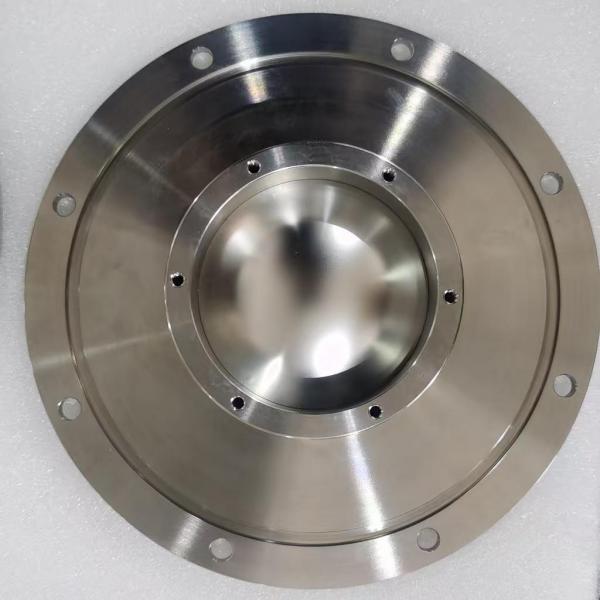
Are there scratches or corrosion on the clamping flange surface?
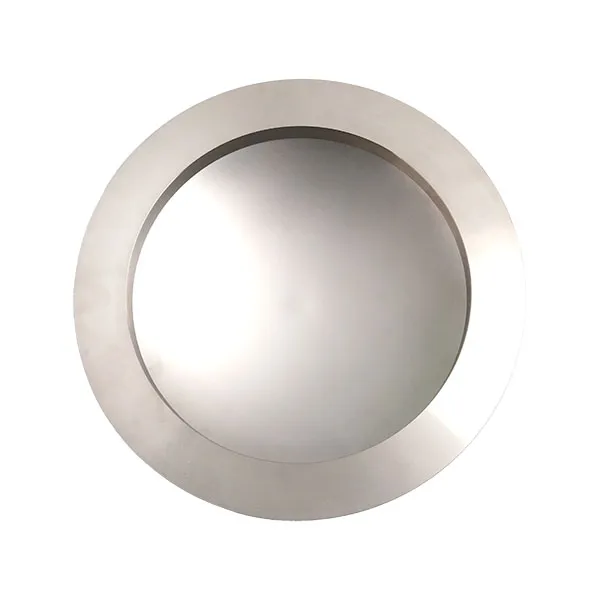
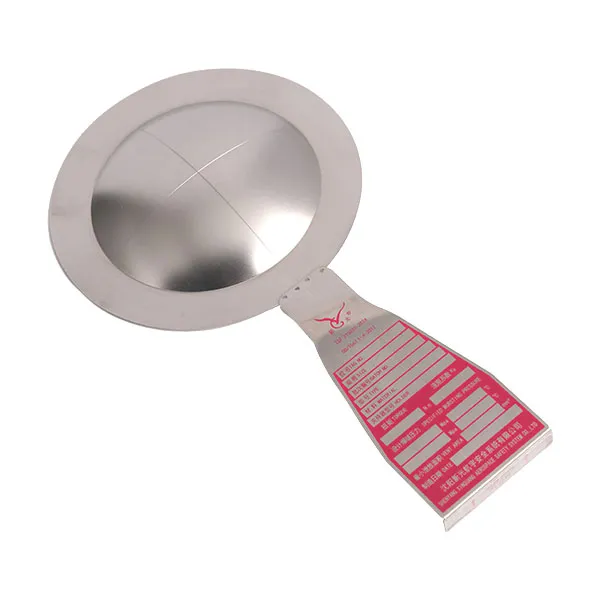
Is there any physical damage (dents, scratches) on the rupture disc dome surface? Note: Do not touch the dome surface!
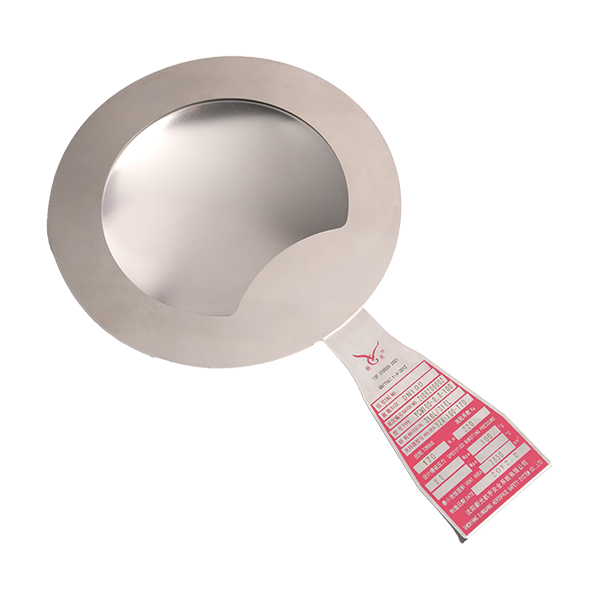
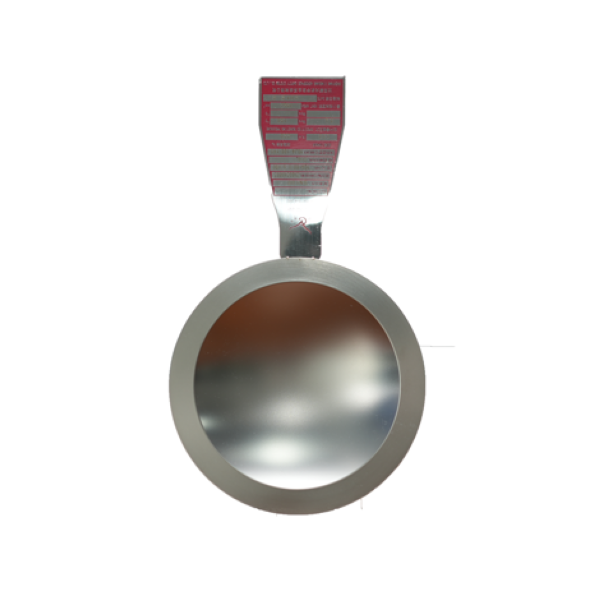
Is the nameplate data clearly visible and consistent with process requirements?
Is there any liquid accumulation or foreign matter blocking the discharge pipe?
V. Why choose our technical support?
We don't just sell products; we provide system-level pressure safety consulting.
When you encounter unexplained rupture disc failures, don't simply replace it with a new one. If the root cause (such as fatigue, vacuum, or installation practices) is not addressed, the failure will only recur.
Our services include:
Failure Analysis Report: You can send the ruptured rupture disc back to us, and our laboratory will observe the fracture surface under a microscope to determine whether the failure was caused by overpressure, fatigue, or corrosion. On-site surveying and selection optimization: We help you calculate precise emission levels and operating ratios.
Customized training: We provide your installation team with proper torque operation and handling training.
