
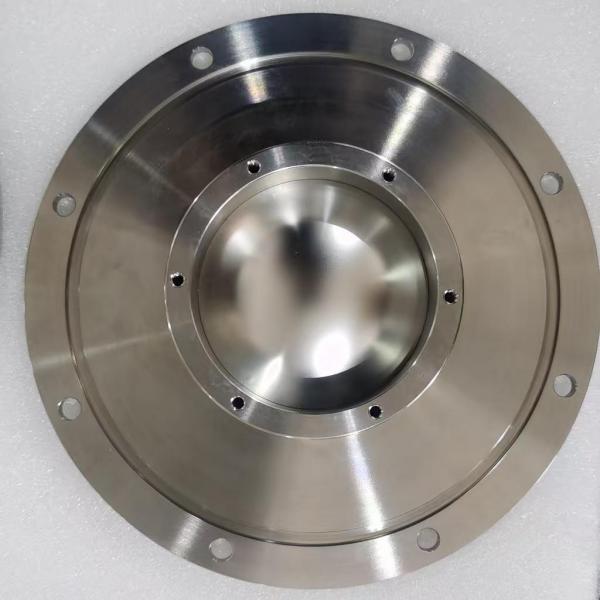
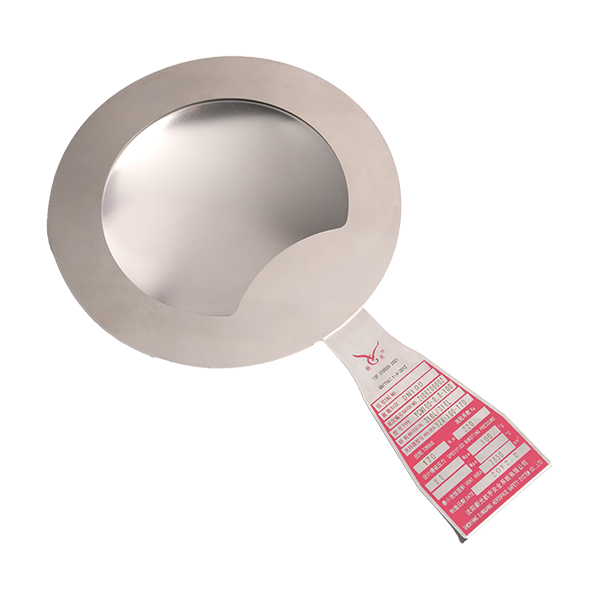
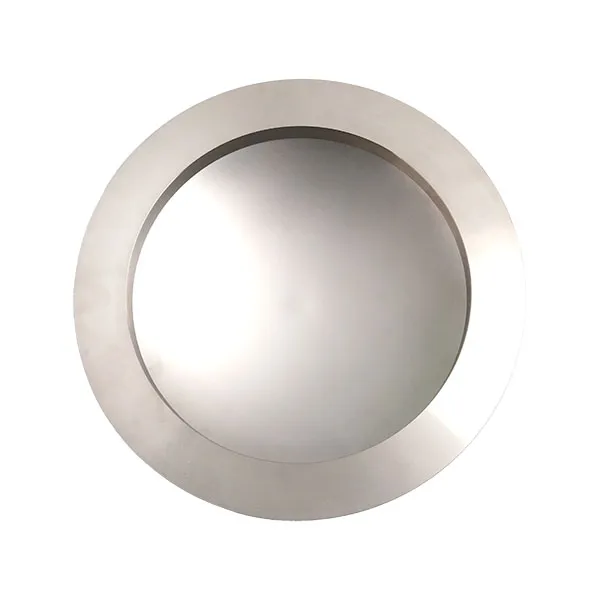
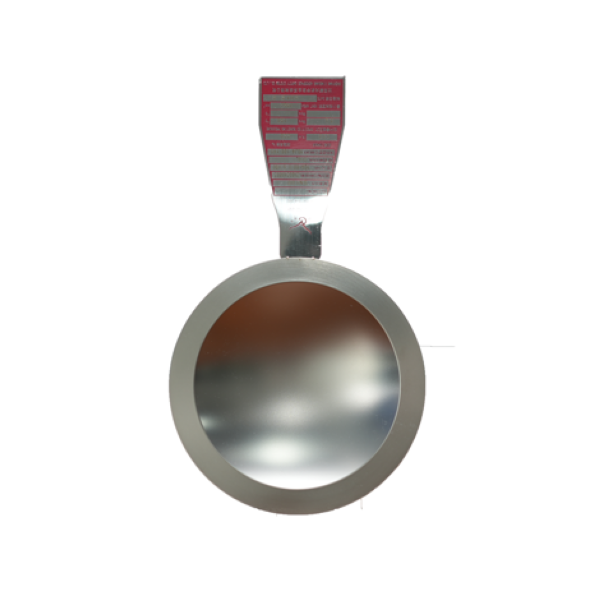
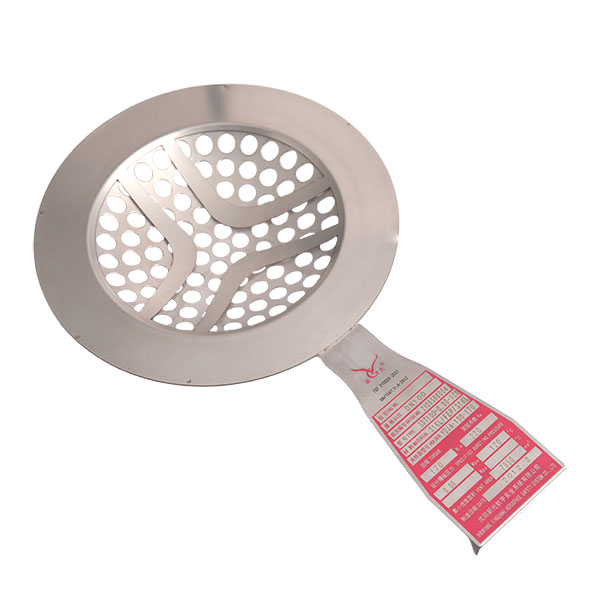
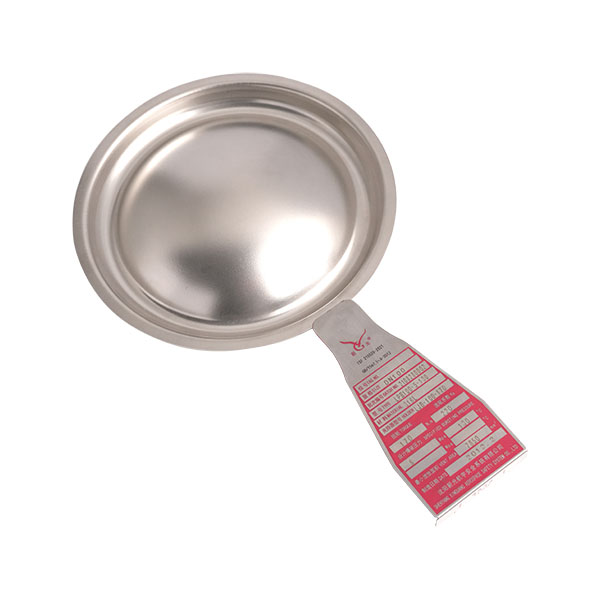
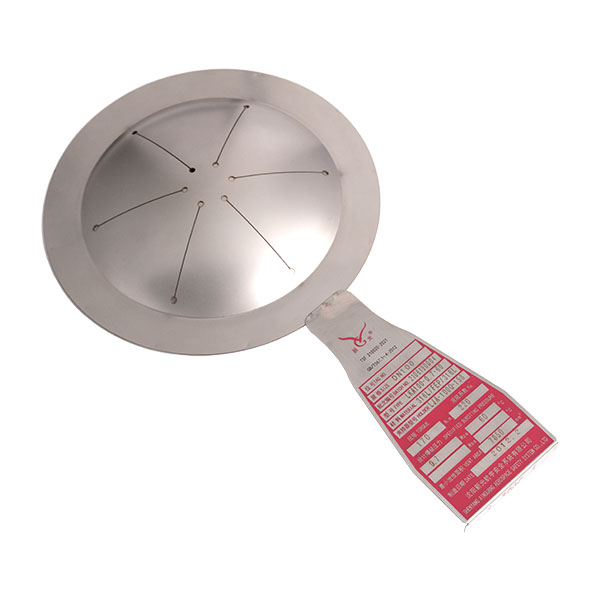
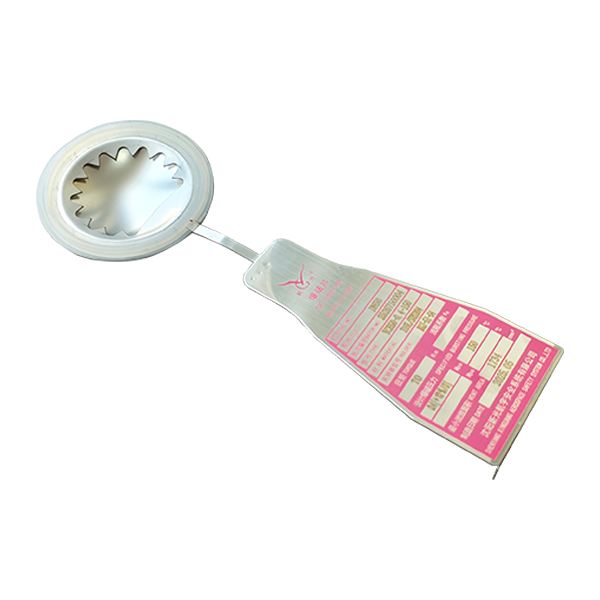
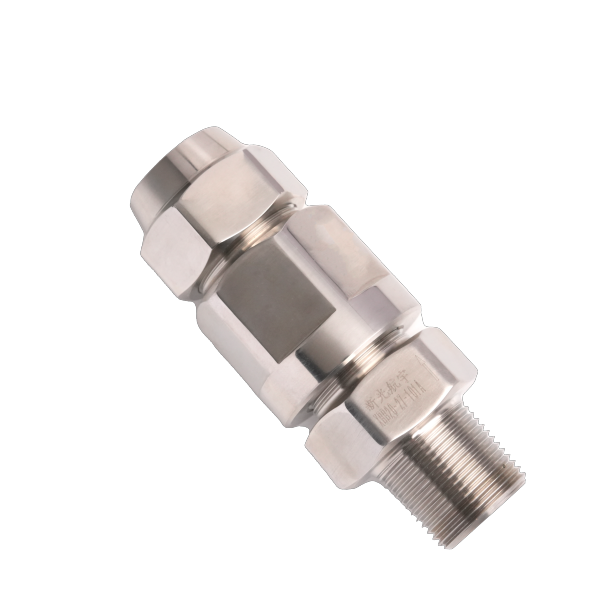
In steam systems, the safety relief valve for rupture disc is the core device for preventing overpressure incidents. When pressure rises suddenly in a boiler, pressure vessel, or piping due to thermal expansion, accidental valve closure, or other reasons, the safety relief valve for rupture disk opens automatically to relieve pressure, then closes again once pressure returns to normal. If you get the selection wrong — for example, undersized orifice or incorrect set pressure — the valve may fail to open in time, or it may lift frequently under normal conditions, leading to system malfunctions or even safety accidents.
What Is a Safety Relief Valve for Rupture Disk?
A safety relief valve for rupture disk is a self‑operated valve that doesn’t rely on external power. When the inlet static pressure reaches the preset “set pressure,” the disc opens quickly. For steam applications, a pop action is usually required — meaning the valve opens fully rather than gradually — to discharge the medium and reduce system pressure. After the pressure drops to the reseating pressure, the valve closes automatically. These valves must meet specific design, manufacturing, and testing standards. Common orifice sizes range from 9.5 mm to 146 mm, with 14 standard diameters. Pressure classes cover six ratings (150 to 2500 lb), and temperature ranges span from -268°C to +538°C.
How to Choose the Right Safety Relief Valve for Rupture Disk?
When selecting a valve, focus on set pressure, required relieving capacity, material, and temperature. The set pressure is typically no more than 1.1 times the equipment design pressure, and no less than 1.03 times the operating pressure. For steam boilers, when the rated steam pressure is below 5.88 MPa, the set pressure for the safety relief valve for rupture disk is generally 1.06 times the operating pressure. The required orifice area should be calculated based on the maximum required relieving capacity. A rough estimate is to multiply the steam flow rate by a safety factor, usually 1.2. High‑pressure steam systems (e.g., power boilers) and low‑pressure heating systems differ significantly in relieving capacity calculations, so each should be sized separately. Standard materials cover -268°C to +538°C, but for high‑temperature or corrosive media, you’ll need heat‑resistant alloys or a heat shield. For saturated steam systems, a spring‑loaded safety relief valve for rupture disk is common. For superheated steam, consider a pilot‑operated design to avoid false trips caused by media vaporization.
Common Selection Mistakes and How to Avoid Them.
Confusing full‑lift with micro‑lift valves: Selecting based only on flange nominal diameter can lead to this mistake. Full‑lift valves have high disc lift and are suitable for gases and steam; micro‑lift valves are mostly for liquids. Using a micro‑lift valve in a steam system can result in insufficient relieving capacity.
Using ordinary materials for high‑temperature steam: Above 120°C, ordinary materials may cause steam leakage or sticking.
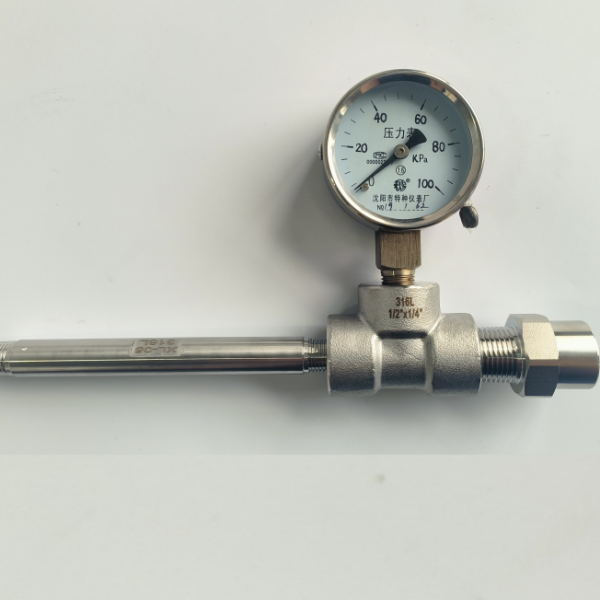
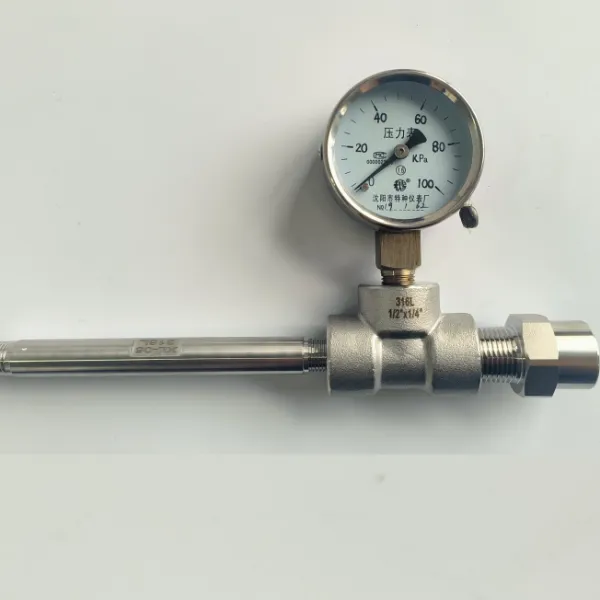
Ignoring series connection requirements: When a safety relief valve for rupture disk is used in series with a rupture disk, a zero‑pressure relief device (including a pressure gauge, relief valve, tee, etc.) must be installed in the cavity between them. Otherwise, backpressure buildup will affect the rupture disk’s accurate operation.
Impact of System Conditions on Selection.
High backpressure can affect valve opening and closing characteristics. Depending on the actual backpressure, choose a balanced bellows or pilot‑operated design. The connection type (flanged, threaded, welded) must match the system piping, and flange pressure ratings can differ between standards. Also, don’t overlook discharge pipe routing and reaction force calculations — an overly long pipe or too many elbows increases backpressure. For sites with significant vibration, avoid valves with auxiliary mechanisms that could cause false operation.
Selecting a safety relief valve for rupture disk for a steam system requires balancing pressure, temperature, relieving capacity, backpressure, and other factors. Avoid common selection pitfalls, and make decisions based on material compatibility and applicable standards. For steam systems with corrosive media or requiring zero‑leak isolation, a series combination of a rupture disk and a safety relief valve for rupture disk is worth considering.
