
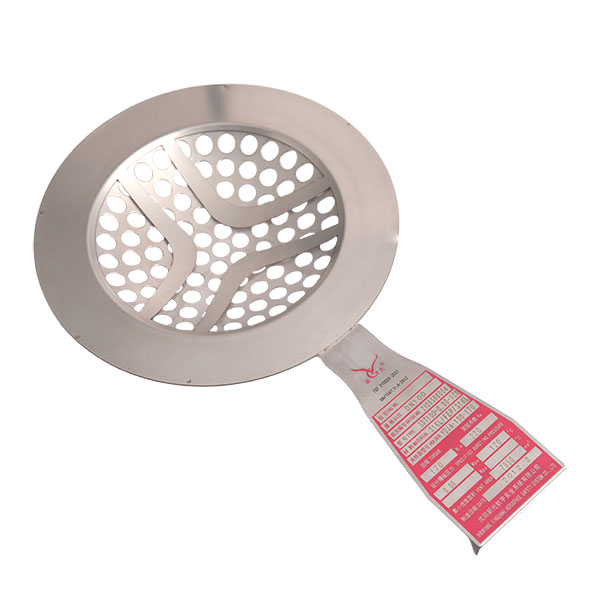
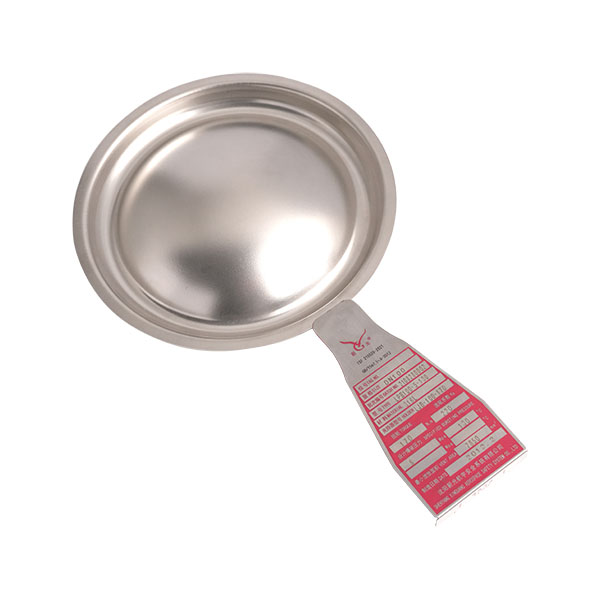
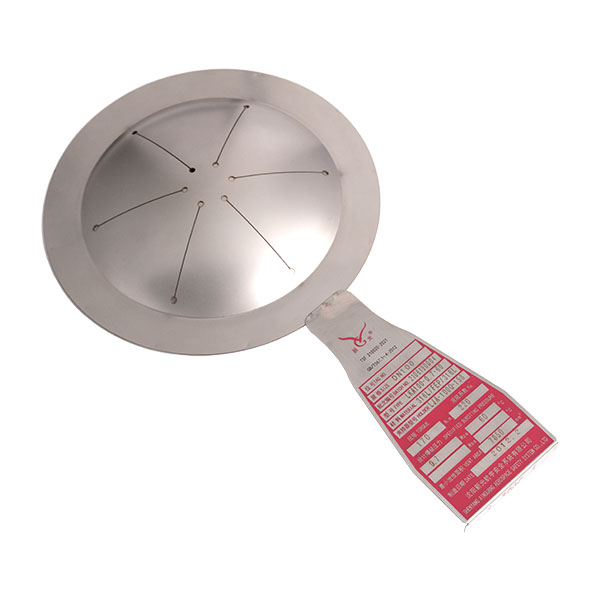
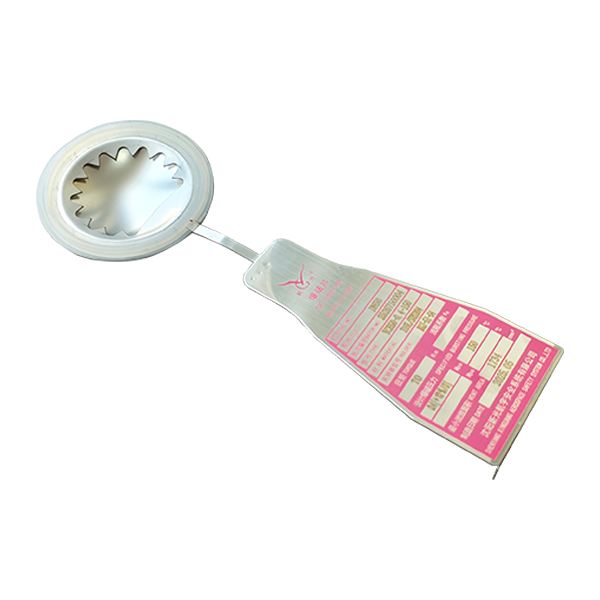
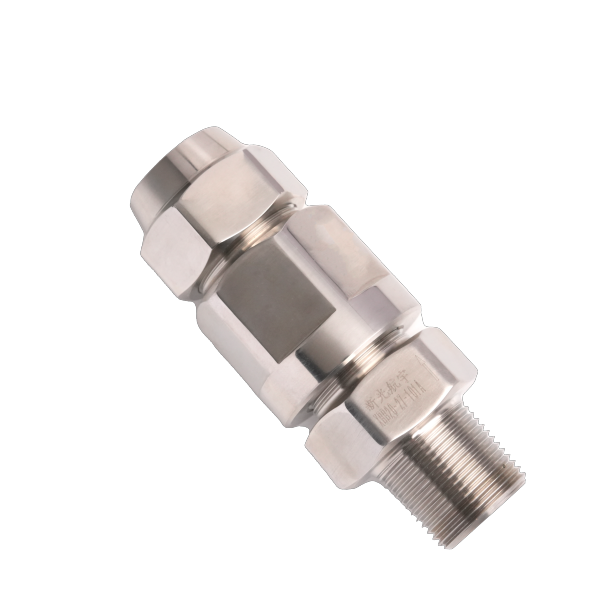
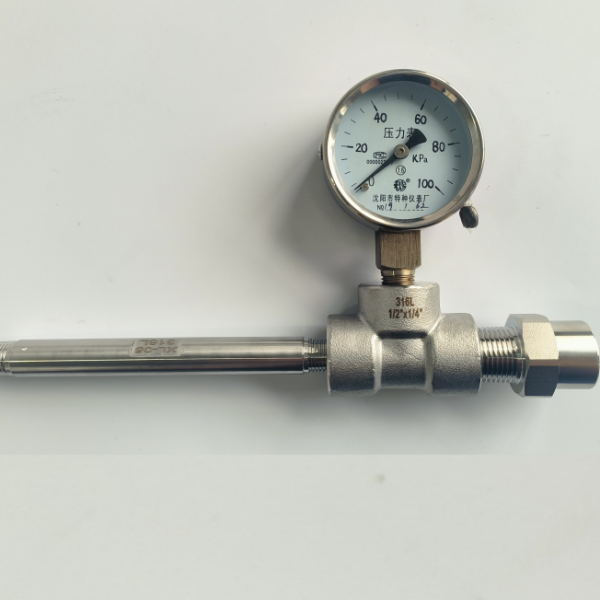
Introduction to Chemical Reactor Pressure Relief:
In the complex world of chemical processing, the reactor is the heart of the operation. However, exothermic reactions, cooling system failures, or operational errors can lead to rapid and catastrophic overpressure events. Selecting the correct rupture disk (also known as a bursting disc) is not merely a regulatory compliance checklist; it is the ultimate failsafe to protect your equipment, your personnel, and the environment. At Shenyang Xinguang Aerospace Safety System Co., Ltd., our engineering team frequently consults with plant managers to ensure optimal overpressure protection.
1. Defining the Burst Pressure and Coincident Temperature:
The most fundamental step in rupture disk selection is determining the specified burst pressure at the coincident operating temperature. Unlike electronic sensors, a rupture disk is a precision-engineered mechanical device. The tensile strength of the metal or material used to manufacture the disk is directly affected by temperature. As the process temperature increases, the material typically softens, which can cause the disk to burst at a lower pressure than it would at room temperature. Therefore, when submitting an inquiry, you must provide both the maximum operating pressure and the exact temperature at the disk location during normal operations and potential relief scenarios.
2. Understanding the Operating Ratio:
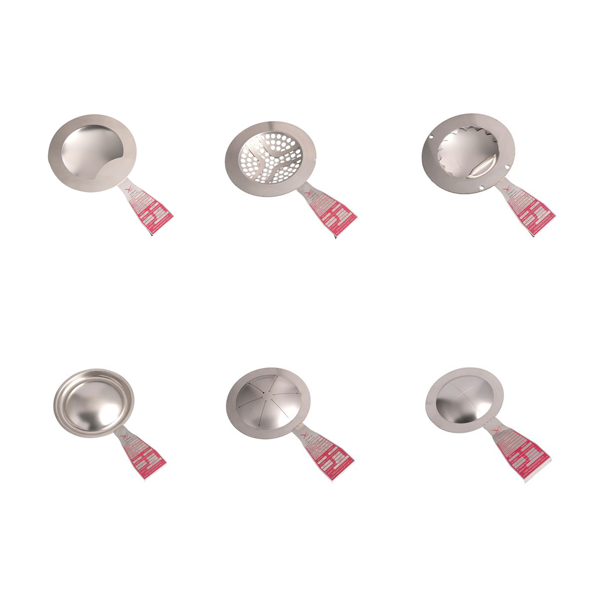
A critical concept that often confuses procurement teams is the "Operating Ratio." This is the ratio between your system's normal operating pressure and the disk's marked burst pressure. If your reactor operates at 80 PSI and your disk is set to burst at 100 PSI, your operating ratio is 80%. Different rupture disk designs accommodate different operating ratios. Standard forward-acting disks typically support operating ratios up to 70% or 80%. If your chemical process operates very close to the burst pressure—say, a 90% or 95% ratio—you will absolutely need to specify a high-performance reverse-buckling rupture disk to prevent premature fatigue and unintended failure.
3. Media State and Corrosiveness:
Chemical reactors handle a vast array of media, from highly aggressive acids to viscous polymers. You must identify whether the relief medium is a gas, a vapor, a liquid, or a multi-phase flow. Some rupture disk designs, particularly certain reverse-buckling models, require an expanding gas volume to fully open the disk along its score lines. If your medium is strictly liquid, you must select a disk specifically engineered for liquid service. Furthermore, corrosion resistance is paramount. Using standard stainless steel in a hydrochloric acid application will lead to rapid corrosion and premature disk failure.
4. Pressure Cycling and Vacuum Conditions:
Does your chemical reactor undergo heavy pressure pulsations, cyclic loading, or batch processing? Repeated pressure fluctuations can cause metal fatigue in the rupture disk. In high-cycle applications, reverse-buckling disks are vastly superior because the domed structure is under compression rather than tension, making them highly resistant to fatigue. Additionally, if your reactor is subjected to vacuum conditions—either intentionally or due to cooling after a steam purge—the disk must be able to withstand reverse pressure. You may need to specify a disk with a vacuum support feature or choose a thicker reverse-buckling design that naturally resists full vacuum without collapsing.
Proper sizing and selection of a rupture disk require a deep understanding of thermodynamics, fluid mechanics, and material science. A mismatched bursting disc can lead to nuisance bursts, costly plant downtime, or worse, a catastrophic failure. Do not leave your process safety to chance. At Shenyang Xinguang Aerospace Safety System Co., Ltd., we specialize in manufacturing highly customized pressure relief solutions tailored to your exact process parameters.
Are you currently designing a new chemical reactor or upgrading your existing safety systems? Contact our technical engineering team today. Send us your process conditions, and we will provide a comprehensive sizing calculation. Let us help you achieve absolute safety and compliance.
