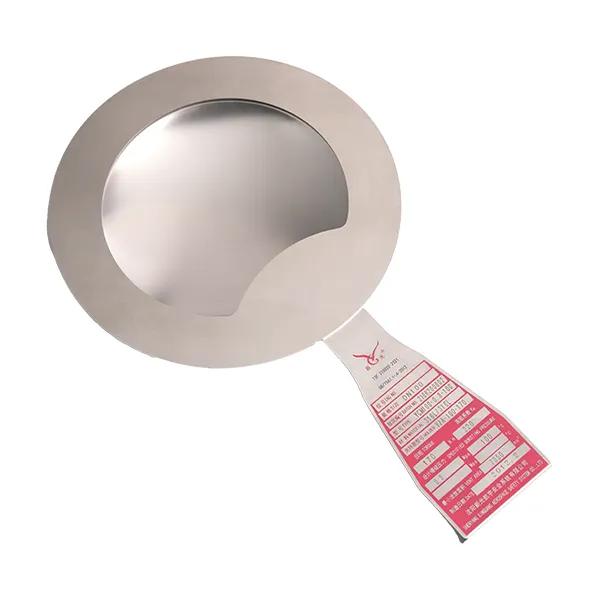
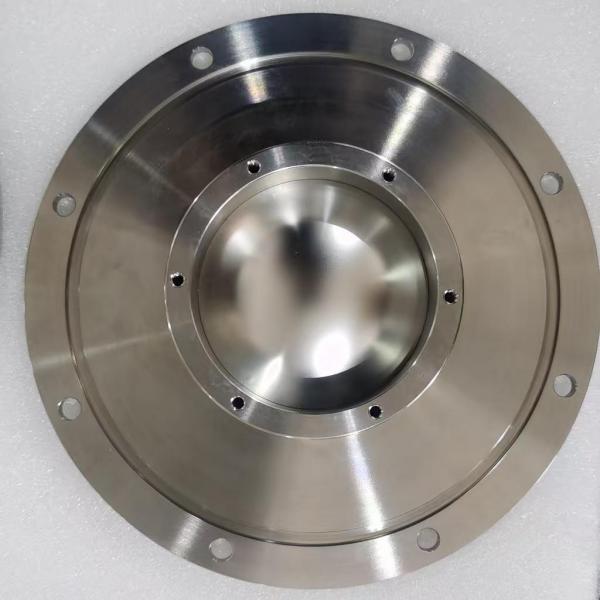
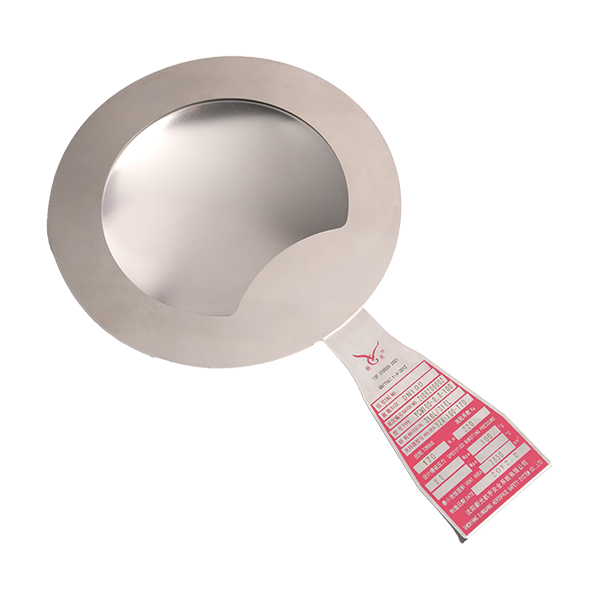
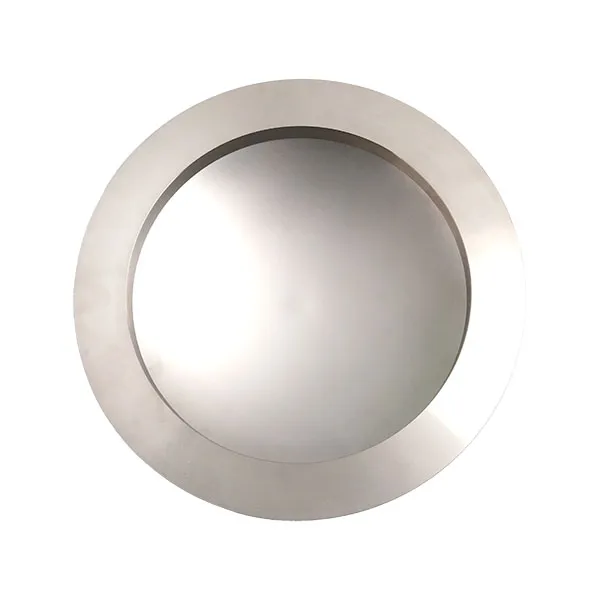
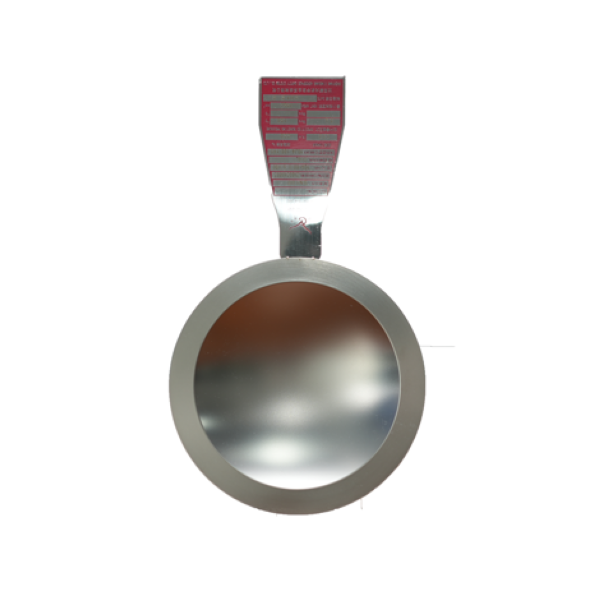
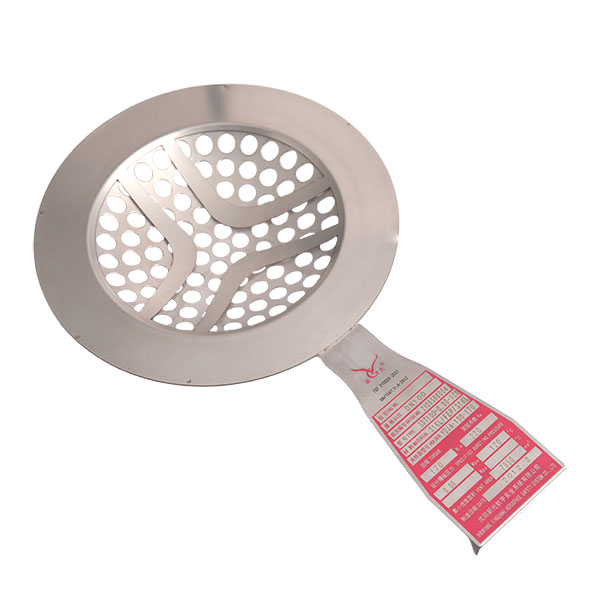
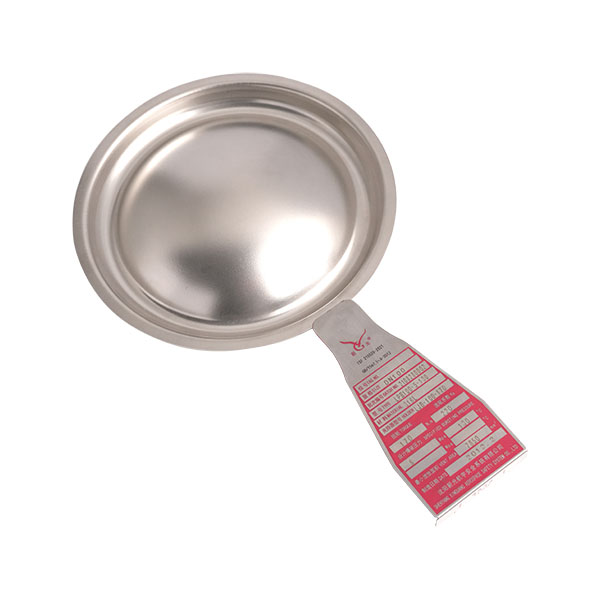
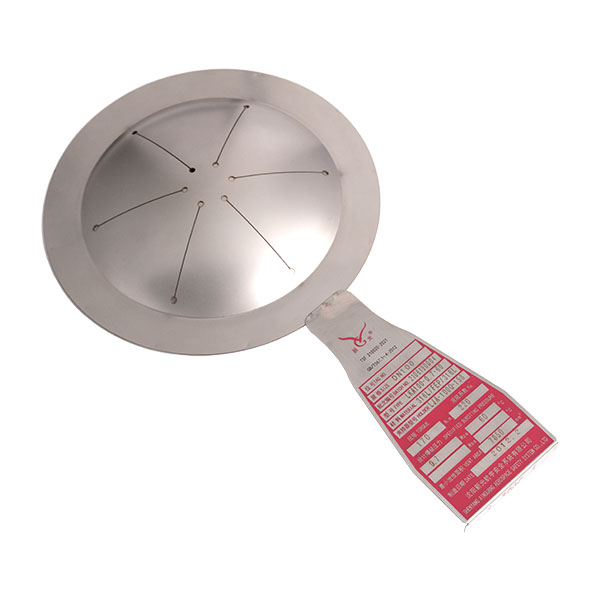
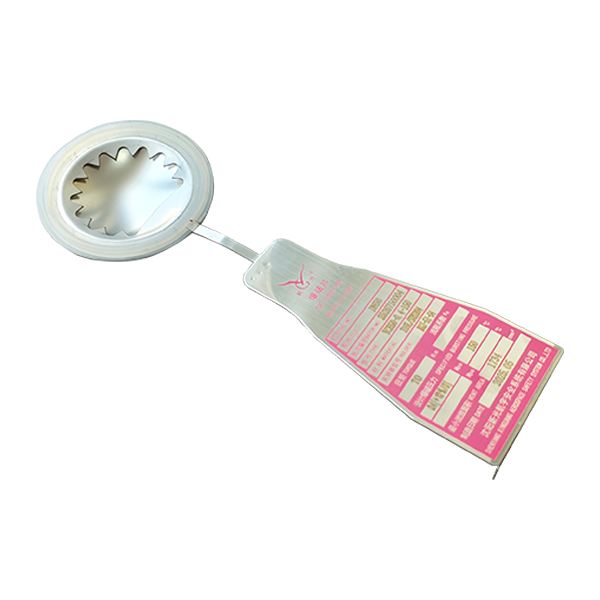
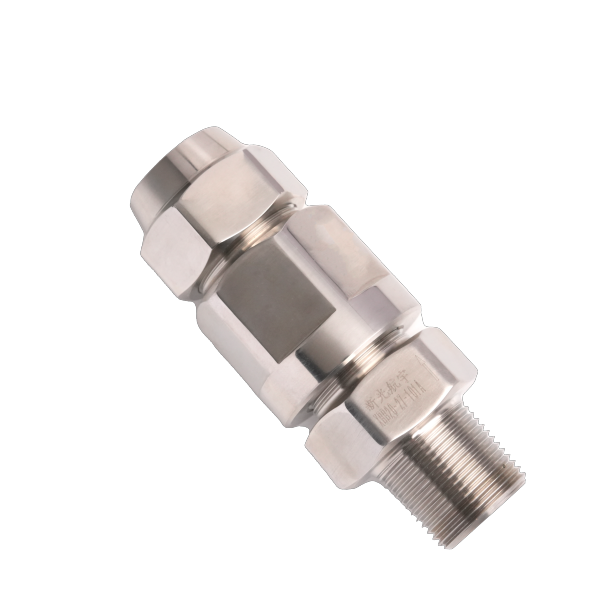
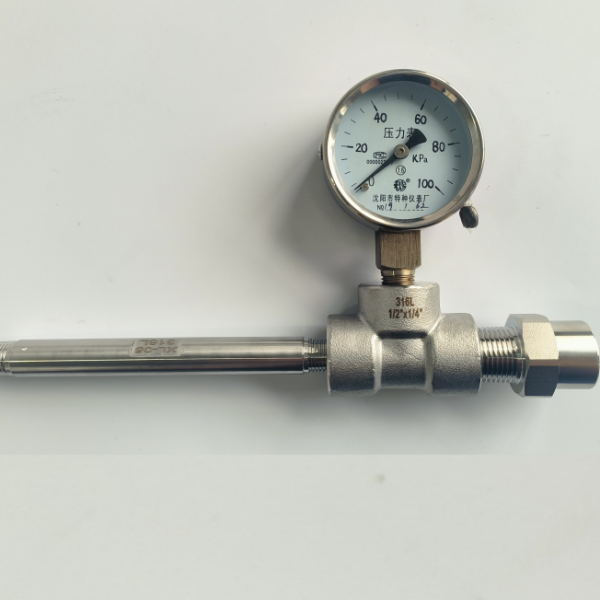
In pressure vessel and piping systems, the Flat Rupture Disc serves as a single-use safety protection device; should it fail or malfunction, the safety of the entire system could be directly compromised. Therefore, conducting necessary inspections and verifications of the Flat Rupture Disc prior to formal installation is a critical prerequisite for ensuring its reliable operation. Many issues encountered at engineering sites often stem not from defects in the product's inherent quality, but rather from the oversight of crucial pre-installation testing procedures.
I. Visual and Dimensional Inspection
The Flat Rupture Disc is typically fabricated from thin-film materials—often ranging in thickness from a mere 0.03 mm to 0.5 mm—making it highly susceptible to damage during transportation or handling. Prior to installation, a thorough visual inspection of the rupture disc is essential to check for any signs of scratches, dents, deformation, or corrosion. Concurrently, the product's dimensions—including diameter, thickness, and compatibility with its corresponding holder—must be verified. Significant dimensional deviations can result in uneven loading during installation, thereby compromising the accuracy of the rupture pressure.
II. Rupture Pressure Verification (Sampling Inspection)
Rupture pressure constitutes the most critical performance parameter of the Flat Rupture Disc. In accordance with industry standards, it is generally impractical to subject every individual rupture disc to destructive testing; instead, verification is typically conducted via batch sampling. Using specialized pressure testing equipment, sample discs are subjected to gradually increasing pressure; the actual rupture pressure is recorded and compared against the nominal (specified) value. Typically, the allowable tolerance for rupture pressure is ±5%, while high-precision products may achieve a tolerance as tight as ±3%. If the results of the sampling inspection reveal significant deviations, the entire batch of products must be re-evaluated.
III. Seal Integrity Testing
Prior to its activation, the Flat Rupture Disc must maintain a completely leak-proof seal within the system; failure to do so could result in media leakage and potentially jeopardize operational safety. Consequently, seal integrity testing is typically performed before installation. Common methods include pneumatic (air) testing or vacuum testing, wherein a specific pressure differential is applied to observe whether any leakage occurs. The standard leakage rate requirement within the industry is typically ≤1×10⁻⁵ Pa·m³/s. In highly demanding sectors—such as the pharmaceutical or semiconductor industries—these standards may be even more stringent.
IV. Installation Orientation and Marking Verification
The Flat Rupture Disc features a specific, designated installation orientation, typically indicated by markings such as "INLET" and "OUTLET." Prior to installation, it is imperative to verify the correct orientation. If the device is installed in the wrong direction, test data indicates that the actual rupture pressure may deviate by more than 20%, or the device may fail to function altogether. Therefore, a double-check should be performed prior to installation—encompassing label information, product markings, and technical documentation—to ensure correct orientation.
Although the Flat Rupture Disc unit features a simple structure, it holds significant safety implications. Conducting systematic testing before installation effectively mitigates risks stemming from product defects or installation errors; this not only guarantees the stable performance of the rupture disc but also significantly enhances the overall safety level of the entire pressure system.