
I. Selection Guide: Understanding Key Technical Parameters.
Clearly understanding the following parameters when requesting a quote from a supplier can help avoid costly mistakes.
1. Burst Pressure and Temperature:
Burst pressure is not a constant value; it changes significantly with temperature. Generally, as temperature increases, the strength of the metal material decreases, and the burst pressure decreases. Therefore, you must provide the operating temperature so that the manufacturer can produce a product at room temperature that meets the high-temperature operating conditions.
2. Manufacturing Range:
This is a frequently misunderstood concept. The manufacturing range refers to the allowable deviation between the actual marked burst pressure and the target burst pressure required by the user during manufacturing.
Example: If you require 10 Bar and the manufacturing range is "0% / -5%", then the marked pressure of the product leaving the factory may be between 9.5 Bar and 10 Bar.
Recommendation: If your process window is narrow, choose a high-end product with a "zero manufacturing range".
3. Burst Tolerance:
This refers to the pressure fluctuation range during the actual bursting of the product. According to ASME standards, it is usually ±5% (for pressures >40 psig). This means that a rupture disc calibrated at 10 Bar may actually burst between 9.5 Bar and 10.5 Bar.
4. Material Selection:
Stainless Steel (316/316L): Standard configuration, suitable for most water, oil, and gas media.
Nickel (Nickel 200/201): Suitable for some corrosive environments.
Monel/Inconel: Suitable for high-temperature and seawater environments.
Hastelloy: Extremely strong acid resistance.
Tantalum: Second only to gold in corrosion resistance, expensive, usually used as a lining.
II. Rupture Disc Installation and Maintenance: Preventing Premature Failure
80% of failures are not due to product quality issues, but rather improper installation.

1. Torque Control is Key:
Rupture discs are usually installed between two flange holders. The tightening torque of the holder bolts must strictly follow the manufacturer's torque table.
Excessive torque: Will compress the edge of the rupture disc, changing the arch height and causing burst pressure drift. Uneven Torque: This can lead to seal leakage or uneven stress on the metal.
Recommendation: Always use a calibrated torque wrench and tighten in stages using the "cross-tightening method."
2. Pay Attention to Direction:
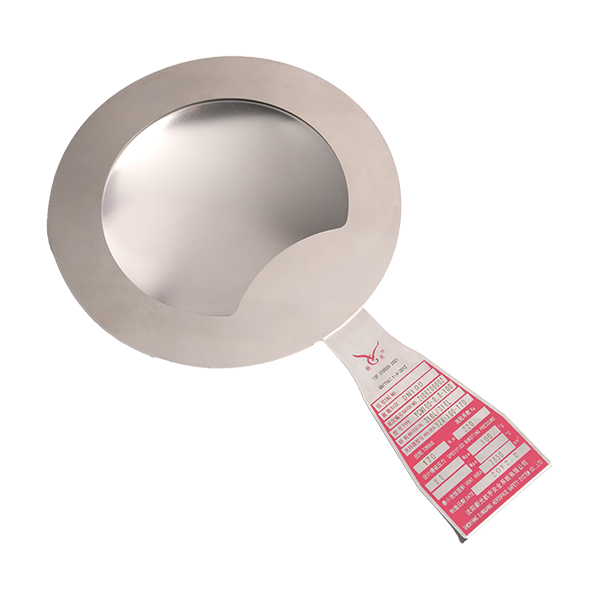
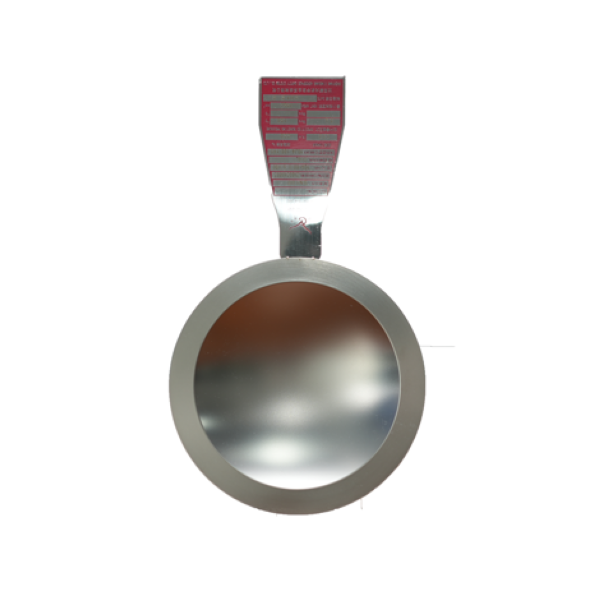
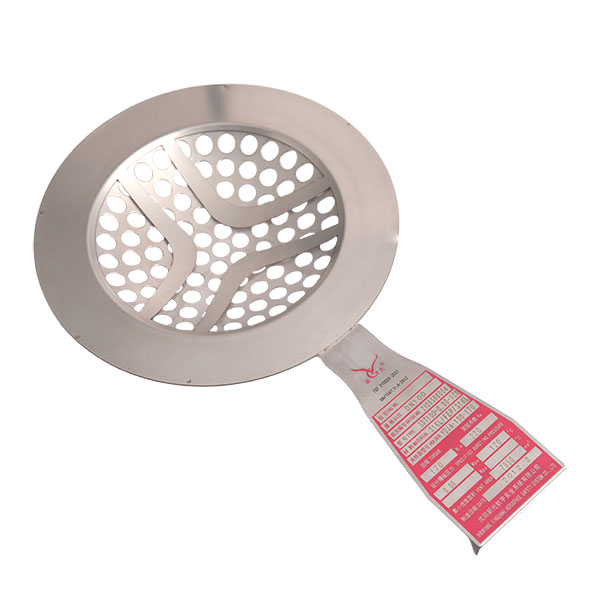
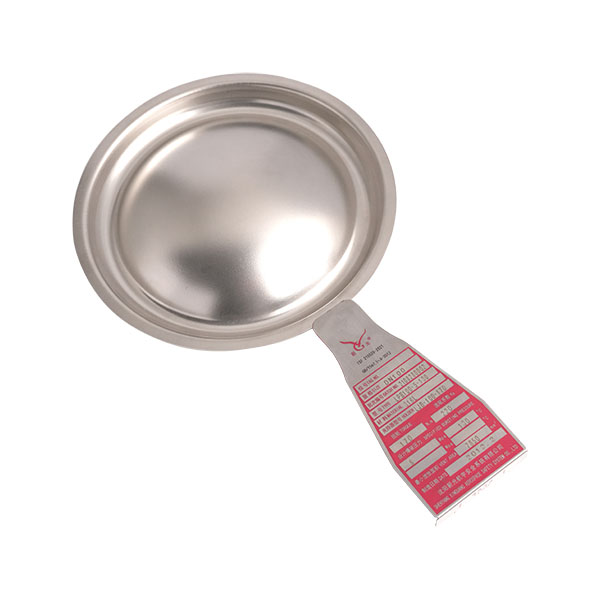
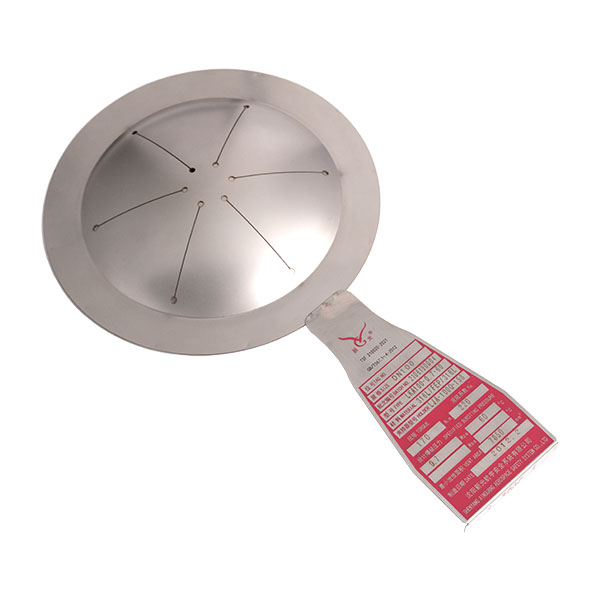
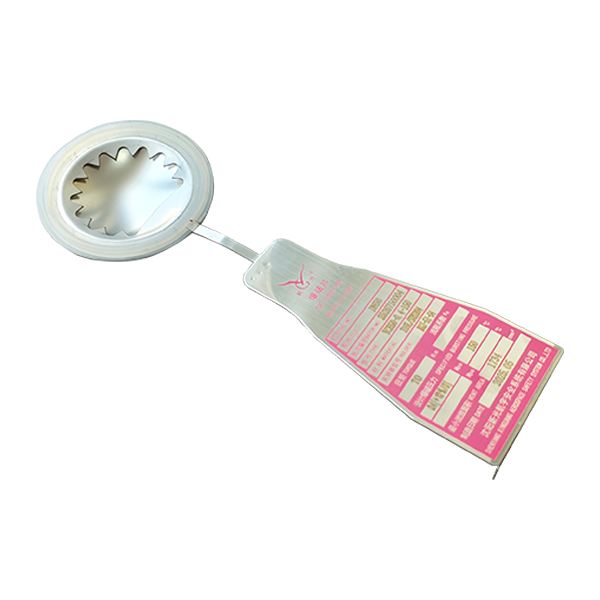
Especially for forward and reverse arch rupture discs, the installation direction is crucial. Most rupture discs have a "FLOW ->" arrow marked on the handle. Installing in the wrong direction will not only prevent the disc from rupturing at the set pressure, but may even cause the rupture pressure to increase several times, creating a significant safety hazard.
3. Avoid Contact with the Arch Surface:
The metal diaphragm of the rupture disc is very precise; even tiny scratches, dents, or fingerprints can alter its metal crystal structure, leading to changes in the rupture value. Touching the arch surface of the rupture disc is strictly prohibited during unpacking and installation.
4. Maintenance and Replacement Cycle:
Are rupture discs maintenance-free? Not entirely. While they don't require lubrication like valves, they do require regular inspection.
Visual Inspection: Check for corrosion, deposits, or physical damage.
Preventive Replacement: Even if the rupture disc hasn't ruptured, prolonged exposure to pressure fluctuations and temperature cycles can lead to metal fatigue. It is recommended to establish a mandatory replacement schedule of every 1 or 2 years, depending on the severity of the process conditions.
III. Frequently Asked Questions:
To better serve our B2B customers, we have compiled the following frequently asked questions:
Q1: What should I do after a rupture disc ruptures?
A: First, immediately isolate the pressure source. Second, check the downstream piping for debris blockage. Finally, replace the rupture disc with a new one. Note: You must use the same model rupture disc that matches the original holder; rupture discs and holders from different brands are usually not compatible.
Q2: Can I install an alarm device on the rupture disc?
A: Absolutely. We offer various burst indicators (Burst Sensors/Indicators). These can be simple wire-break sensors or magnetic sensors. Once the rupture disc ruptures, the sensor circuit breaks, sending a signal to the DCS system for remote monitoring.
Q3: What is ASME UD certification? A: The ASME UD stamp certifies that the rupture disc is manufactured and tested according to ASME Boiler and Pressure Vessel Code Section VIII, Division 1 standards. This certification is mandatory or strongly recommended for exports to the United States or for projects with extremely high safety requirements.
IV. Summary: Ensuring Your Safety:
Choosing the right industrial rupture disc is not only about passing safety inspections, but also about protecting your plant's core assets and employee lives. From economical forward-acting rupture discs to high-performance reverse-acting rupture discs, and corrosion-resistant graphite discs, each product has its specific application.
During the procurement process, please pay attention to:
Accurate operating pressure and temperature data.
Chemical properties of the medium.
Whether it needs to withstand vacuum or back pressure.
Whether it is used in series with a safety valve.
As a professional provider of pressure relief solutions, we are committed to providing you with high-precision, high-reliability rupture disc products. Whether you are looking for standard replacement parts or need customized solutions with special materials, our engineering team is always ready to provide you with technical support.
