
In the field of industrial process safety, pressure management is a crucial aspect. Whether in petrochemicals, pharmaceuticals, food processing, or new energy industries, overpressure protection is a core defense against equipment damage and a guarantee of personnel safety. Rupture discs, as a non-reclosing pressure relief device, have become an indispensable "fuse" in industrial safety systems due to their rapid response, excellent sealing, and ability to handle large flow rates.
Many engineers and purchasing managers often face complex selection challenges when choosing pressure relief devices. This article will delve into the working principles of rupture discs, their main types (such as forward-acting and reverse-acting), and key selection parameters to help you make the most informed purchasing decision.
I. What is a Rupture Disc? Why is it so important?
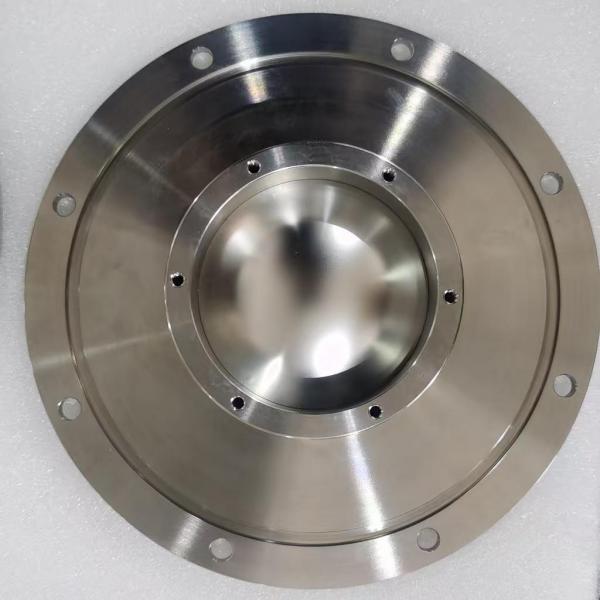
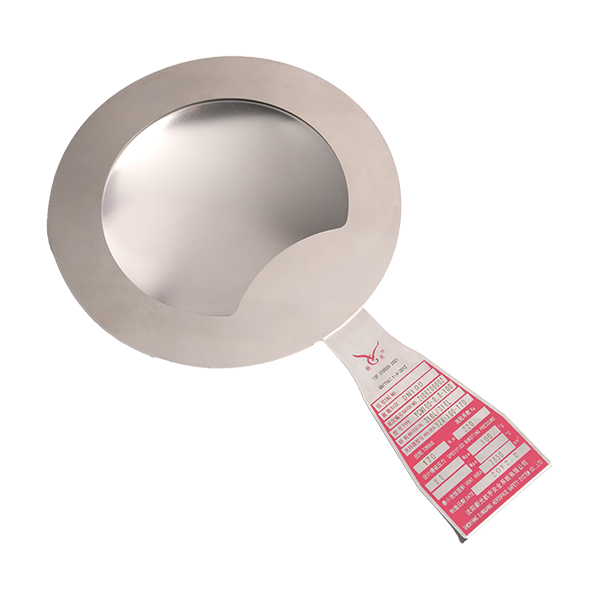
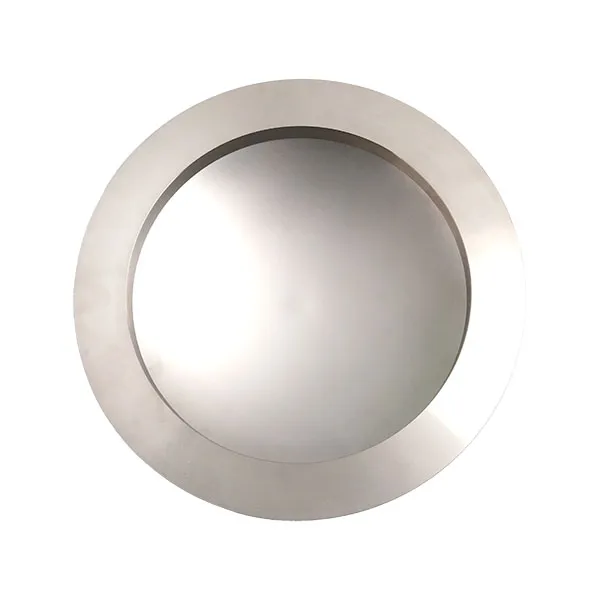
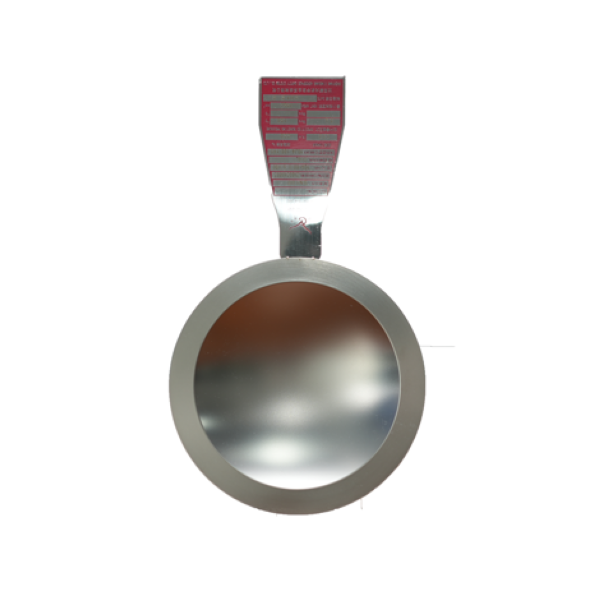
A rupture disc is a pressure-sensitive element designed to rupture at a predetermined pressure and temperature. Unlike safety valves, rupture discs are single-use devices. Once the system pressure exceeds the set rupture pressure, the rupture disc opens instantly, reducing system pressure by releasing the fluid, thereby protecting the pressure vessel or pipeline from overpressure damage.
Core advantages of rupture discs:
Zero leakage: Before rupture, rupture discs provide excellent sealing performance, making them ideal for handling toxic, expensive, or flammable media.
Fast response time: Rupture discs typically respond to pressure increases in milliseconds, making them particularly suitable for scenarios requiring instantaneous pressure relief (such as dust explosion pressure relief).
Large flow area: After rupture, rupture discs usually provide a full-bore relief area, maximizing flow capacity.
Strong corrosion resistance: Rupture discs can be made from various special materials (such as Hastelloy, tantalum, graphite, etc.), enabling them to withstand extreme corrosive environments.
II. Rupture Discs vs. Safety Valves: How to Choose and Combine Them?
Independent use:
Safety valves are reclosable; they close automatically after pressure relief, allowing the system to continue operating. However, they are more expensive and carry a risk of minor leakage.
Rupture discs are single-use devices; they must be replaced after rupture. They have a simple structure, are relatively inexpensive, and are leak-free.
Series use:
This is the most common combination in the industry, usually with the rupture disc installed at the inlet of the safety valve. Protecting Safety Valves: Rupture discs isolate corrosive or viscous media from safety valves, preventing corrosion or blockage of the safety valve and thus reducing the maintenance costs of expensive safety valves.
Ensuring Zero Leakage: This combination utilizes both the zero-leakage characteristic of the rupture disc and retains the reclosing function of the safety valve (once the rupture disc bursts, the safety valve opens to relieve pressure and then closes, minimizing media loss).
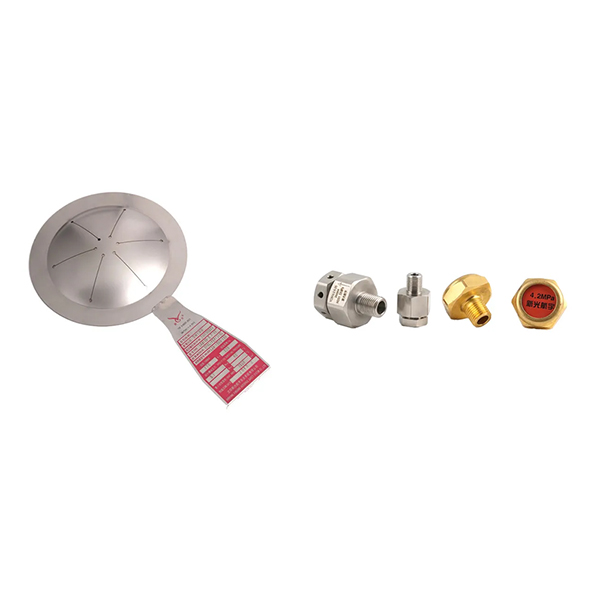
III. Main Types of Rupture Discs: Forward-Acting vs. Reverse-Acting:
Choosing the correct type of rupture disc directly determines the safety and service life of the equipment. The market mainly consists of three categories: forward-acting, reverse-acting, and graphite rupture discs.
1. Forward-Acting Rupture Discs:
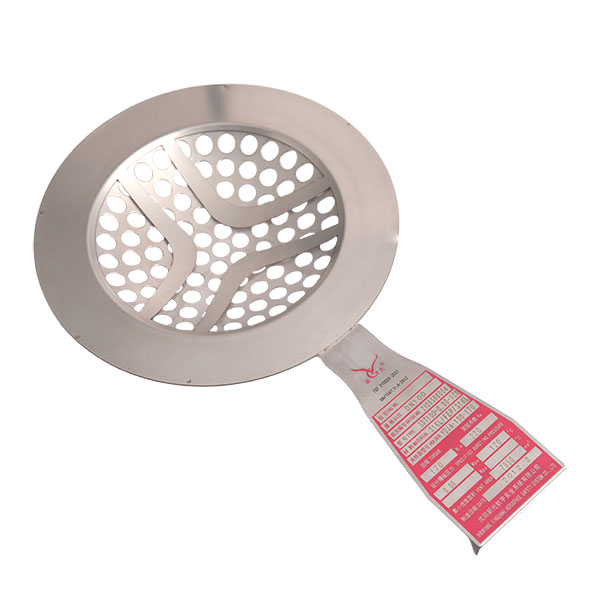
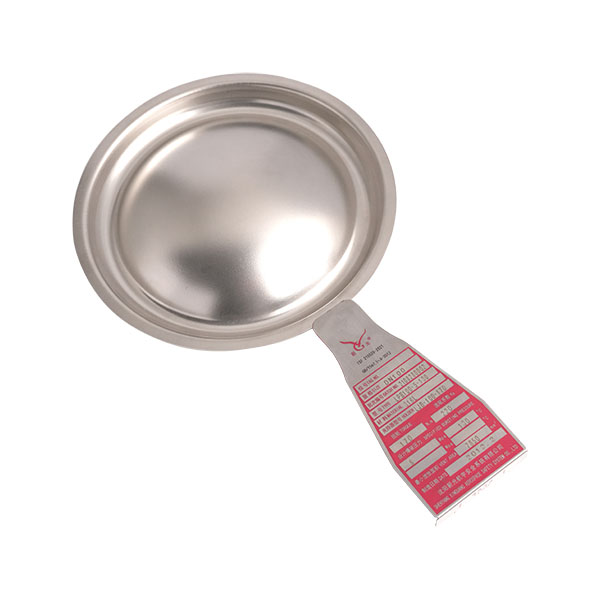
This is the most traditional design. The media pressure acts on the concave side of the rupture disc, and the material is subjected to tensile force. When the tensile stress exceeds the tensile strength of the material, the rupture disc bursts.
Advantages: Lower cost, suitable for simple low-pressure applications.
Disadvantages: Relatively low operating ratio, usually only 70%-80%. This means that if your system operating pressure is close to the bursting pressure, this type of rupture disc is prone to premature failure due to metal fatigue. In addition, this type is generally not suitable for high vacuum environments unless a vacuum support is added.
2. Reverse-Acting Rupture Discs:
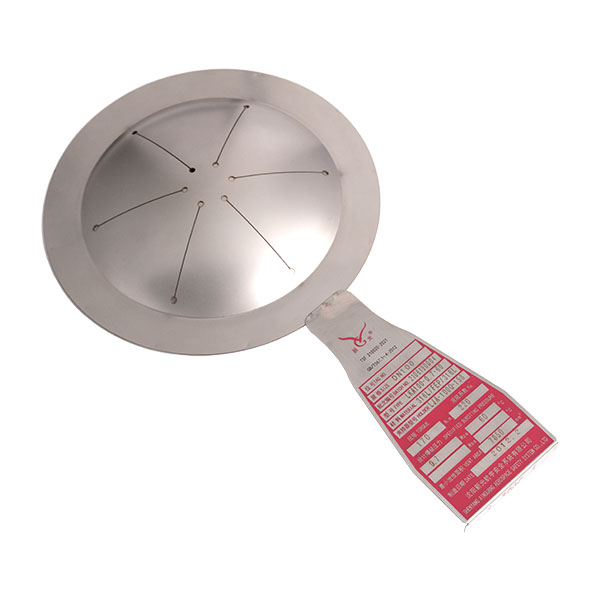
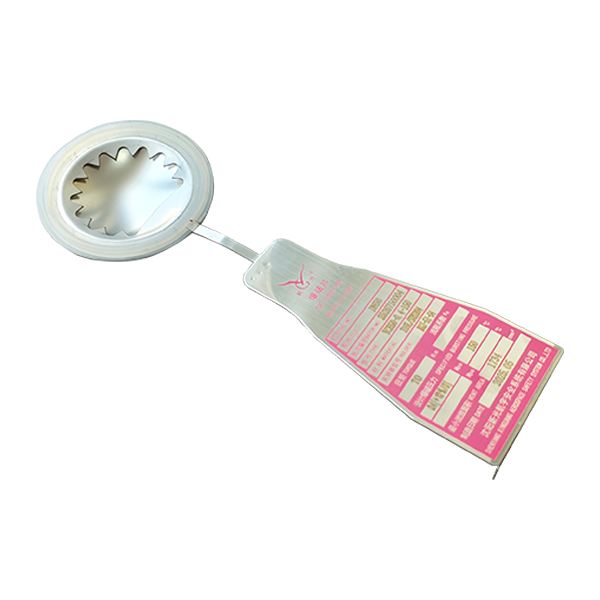
This is a high-end choice for modern industry. The media pressure acts on the convex side of the rupture disc, and the material is subjected to compressive force. When the pressure reaches the set value, the dome buckles and is cut open by a knife holder or scoring structure.
Advantages:
High operating ratio: Up to 90% or even 95%. This means the system can operate very close to the bursting pressure without causing fatigue failure.
Strong fatigue resistance: Excellent resistance to pressure cycling, with a lifespan several times that of forward-acting types.
Vacuum resistant: Can withstand full vacuum without additional support.
Fragment-free design: Very suitable for installation below safety valves.
Applicable scenarios: High pressure, pulsating pressure, high-value fluids, and applications in series with safety valves.
3. Graphite Rupture Discs:
Made of impregnated graphite, utilizing shear force for rupture. Advantages: Excellent corrosion resistance to strong acids and bases (except hydrofluoric acid), and relatively economical.
Disadvantages: Brittle, requiring extra care during transportation and installation; fragments may contaminate downstream pipelines.
