
Troubleshooting and Compliance Guide for Leaks/Excessive Backpressure in Series-Mounted Safety Valve and Rupture Disc Assemblies
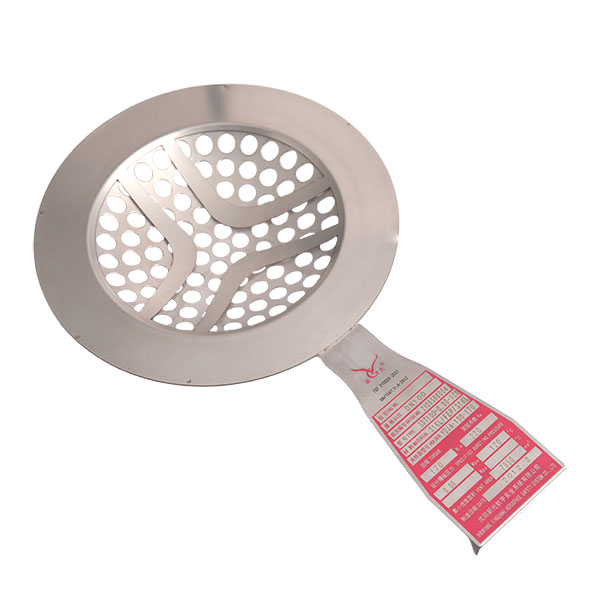
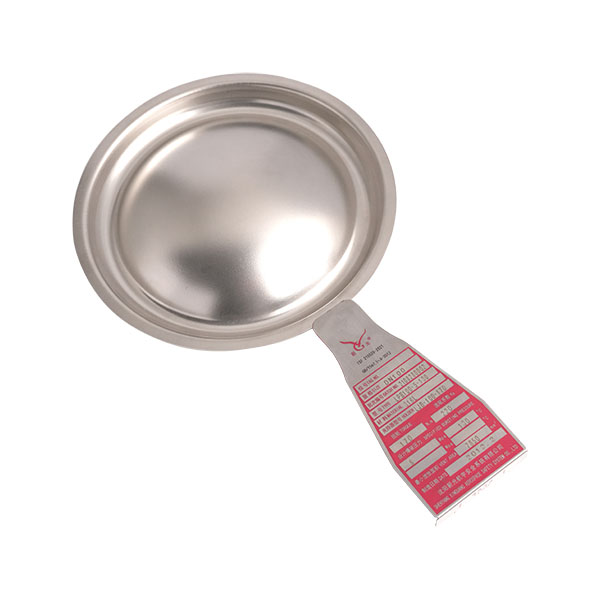
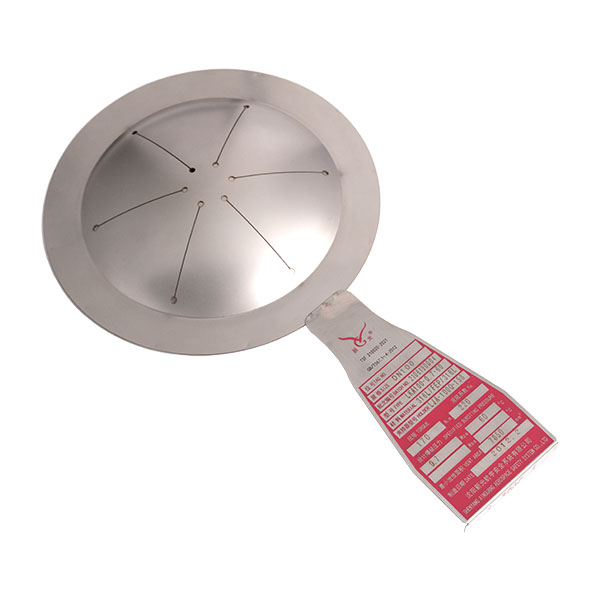
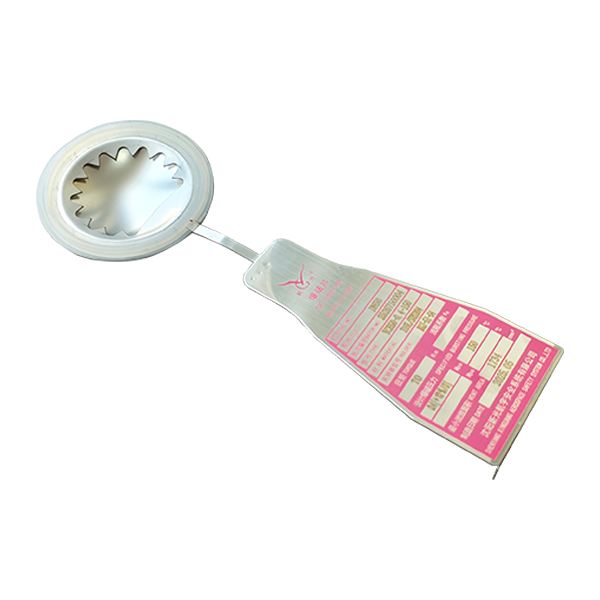
In chemical, pharmaceutical, and new energy industrial settings, to achieve "zero leakage" or to prevent highly corrosive or high-viscosity media from damaging the safety valve, engineers typically install a rupture disc in series on the inlet side of the safety valve.
However, during actual operations or inspections by safety supervision bureaus and special equipment inspection institutes, the most frequently encountered and vexing issue is the presence of pressure (indicating excessive backpressure) or continuous leakage within the sealed cavity situated between the two devices. This constitutes not only a serious regulatory violation but also an extremely dangerous explosion hazard. This article provides an engineering-grade, in-depth guide for troubleshooting and ensuring regulatory compliance in such situations.
Why is "Intermediate Cavity Backpressure" an Extremely Dangerous and Fatal Hazard?
Many field operators tend to dismiss the significance of minor pressure readings between the two valves; this represents a critically fatal blind spot in their understanding. We must grasp a fundamental physical principle:
Actual Rupture Pressure of the Disc = Nameplate-Rated Pressure + Cavity Backpressure.
A rupture disc's failure relies on the "differential pressure" across its two sides. If the intermediate cavity accumulates even a mere 0.5 MPa of backpressure due to leakage, a disc originally calibrated to rupture at 1.0 MPa will, in reality, require the vessel's internal pressure to reach 1.5 MPa before it fails!
At this point, the pressure vessel faces an extremely high risk of explosion due to severe overpressure.
The "3-Root-Cause Troubleshooting Tree" for Leaks and Excessive Backpressure:
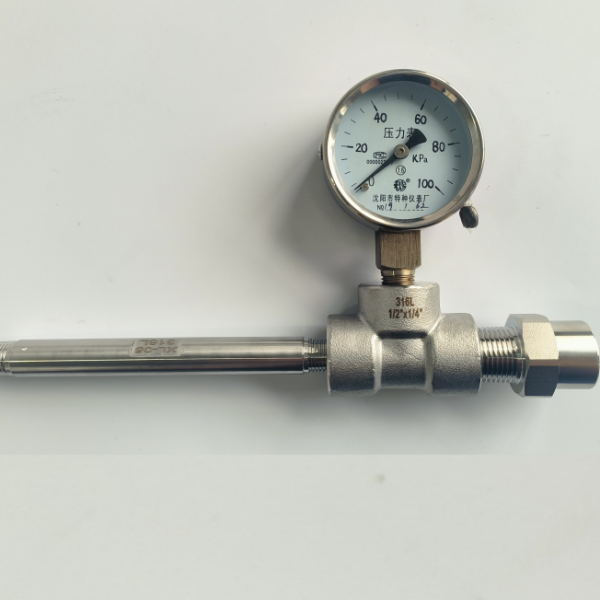
If you observe the needle on the intermediate cavity pressure gauge rising, do not proceed with blind disassembly; instead, follow the logic below to diagnose the issue systematically:
Fault Point 1: Micro-leakage in the rupture disc itself (membrane penetration).
· Phenomenon: Process media continuously leaks from the vent valve, and the pressure within the cavity continues to rise steadily.
· Root Cause: Corrosion by the process media has created microscopic pinholes in the membrane; alternatively, prolonged exposure to high temperatures or pressure pulsation environments has caused the membrane to suffer from creep fatigue and develop micro-cracks.
· Countermeasure: Shut down the system, depressurize, and replace the rupture disc. It is recommended to upgrade to a material with superior corrosion resistance (such as Hastelloy, Tantalum, or pure PTFE lining), or to select a reverse-buckling rupture disc with higher fatigue resistance.
Failure Point 2: Flange Sealing Face Leakage (Installation Error).
· Phenomenon: Not only does the drain gauge register pressure, but the odor of the process medium can also be detected—or bubbling observed (using a soap solution test)—on the exterior of the flange.
· Root Cause: This is the most common type of human error. The holder bolts were not tightened according to the prescribed "cross-bolt pattern" and "standard torque values"; alternatively, the gasket material was incorrectly selected or has aged and deformed.
· Countermeasure: Re-tighten the bolts using a torque wrench, strictly adhering to the "Standard Installation Torque Table" provided by the manufacturer.
Failure Point 3: Safety Valve Back-leakage (A hidden hazard that is extremely easy to overlook!).
· Phenomenon: The rupture disc remains intact and undamaged, yet pressure persists within the intermediate chamber.
· Root Cause: This is a common troubleshooting "pain point" that frequently baffles maintenance personnel! If multiple safety valves are connected to a single "common relief header," the discharge from other equipment can generate back-pressure within the header; this pressure then "back-flows" through the—currently imperfectly sealed—seat of the safety valve in question, entering the intermediate chamber.
· Troubleshooting Method: Close the upstream process valve and observe whether the pressure within the chamber continues to rise. If the pressure rises, it is 100% attributable to safety valve back-leakage.
· Countermeasure: Reface (lap) the sealing surface of the safety valve, or incorporate a back-flow prevention mechanism into the common relief header system.
Subsequent articles will include recommendations for corrective actions and integration strategies; please continue to follow our website for updates.
