
Ultimate Compliance Retrofit:
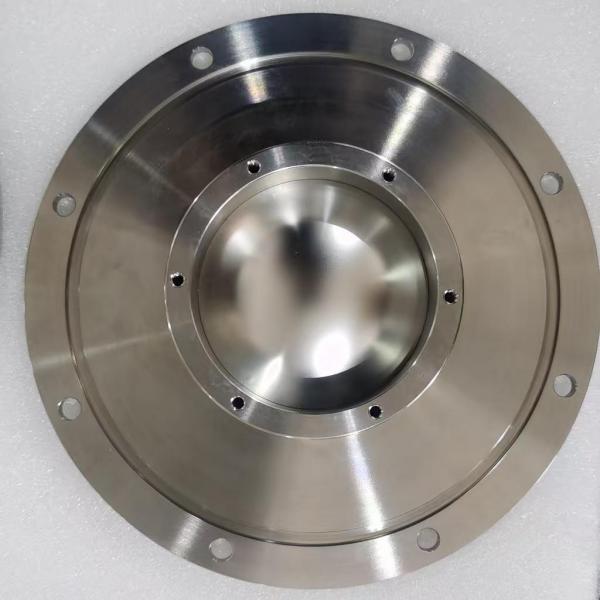
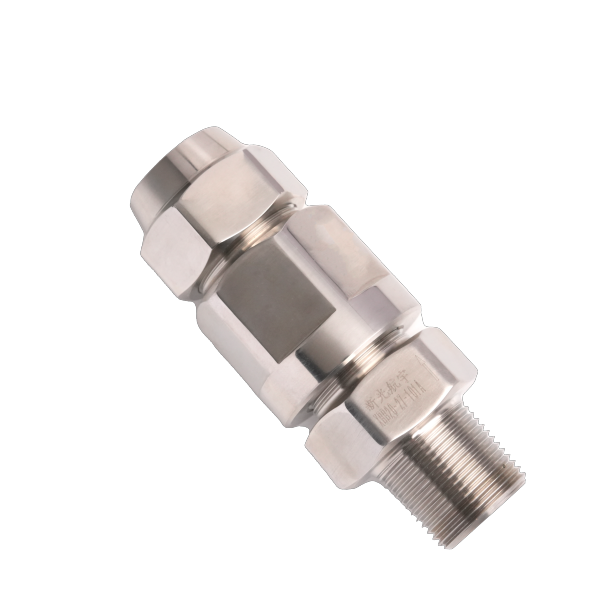
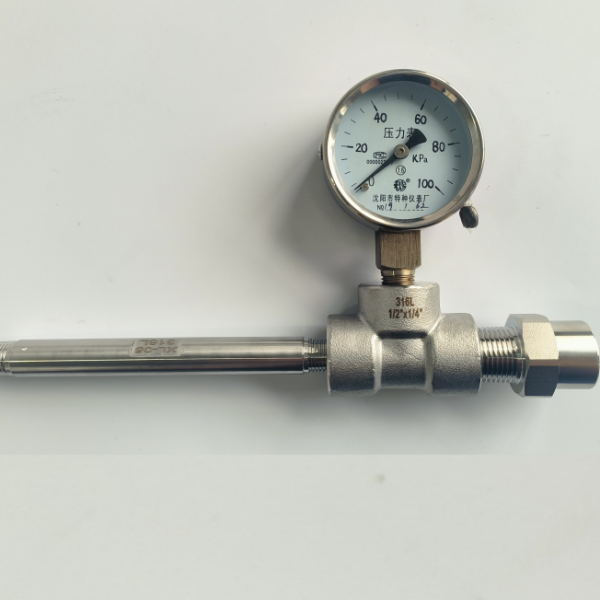
A standard assembly configuration must include a central flange holder featuring a 1/2" NPT drain port, externally connected to the following three components:
1. Local Pressure Gauge: Enables inspection personnel to visually verify the chamber pressure (which should typically read 0 during routine operation).
2. Needle-type Vent Valve (Bleed Valve): Used for manual venting and pressure relief.
· Operational Guideline: If the process medium is non-toxic and non-hazardous (e.g., air or water), this valve may be kept slightly open for direct atmospheric discharge; however, if the medium is highly toxic, flammable, or explosive, this valve must remain normally closed or be connected to a secure, closed-loop recovery system.
3. Remote Pressure Switch or Transmitter: Upon detecting a pressure exceeding 0.05 MPa (or a threshold configured according to specific operating conditions), it immediately transmits an audible and visual alarm signal to the central control room's DCS system, alerting operators to perform an emergency vent or to schedule a system shutdown for rupture disc replacement.
Essential Reading for Engineers: Series Assembly Selection — Part 3 The Golden Rules.
If the wrong product is selected during the initial design phase, even the finest piping layout will be of no avail. When installing safety valves and rupture discs in series, the following selection "Golden Rules" must be strictly observed:
Golden Rule 1: You must select a "Non-fragmenting" rupture disc.
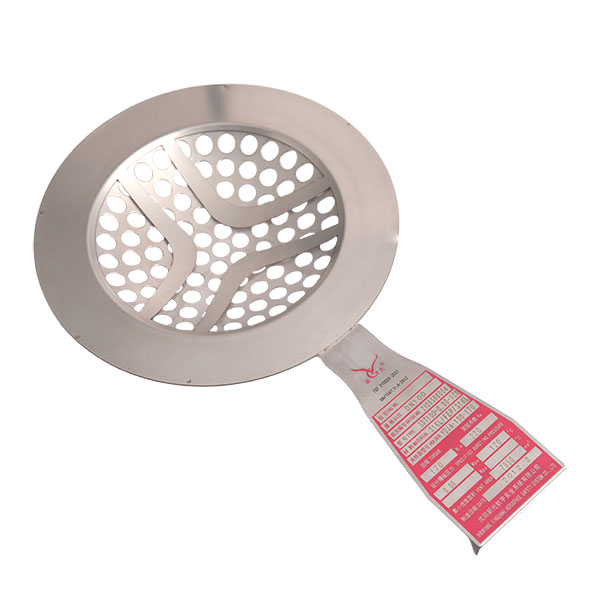
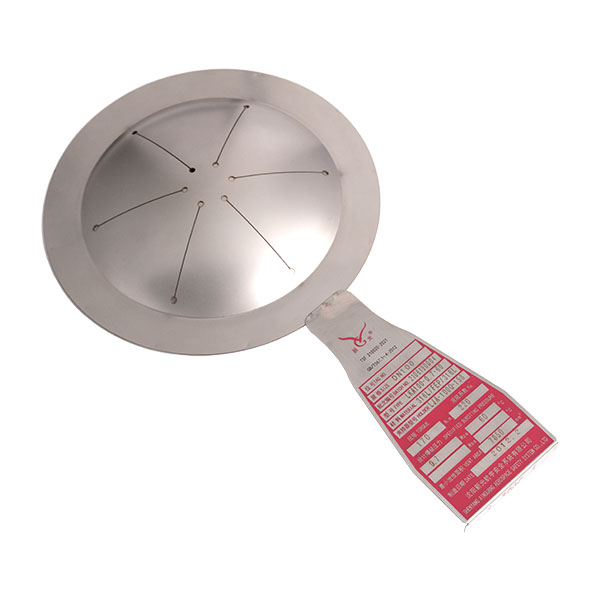
If a standard forward-acting disc—such as a cross-scored or perforated type—is selected, the metal fragments generated upon rupture will be instantly swept by the gas flow into the safety valve. This can jam the valve seat, preventing the safety valve from ever reseating and closing (resulting in the complete loss of process media) or, conversely, causing a complete blockage that prevents any pressure relief whatsoever!
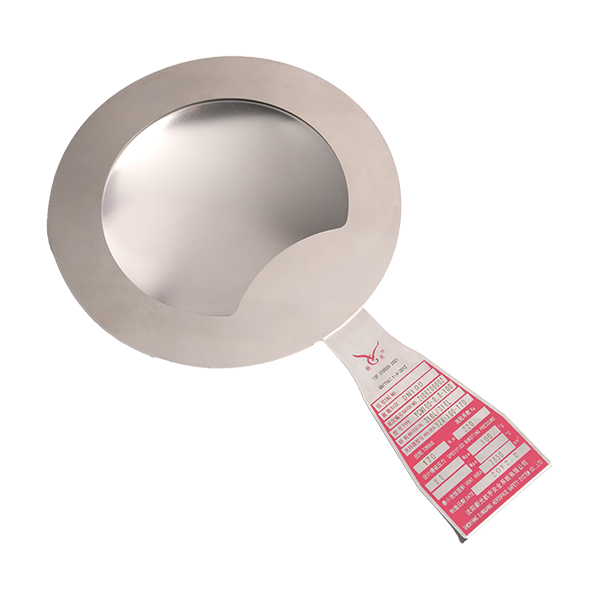
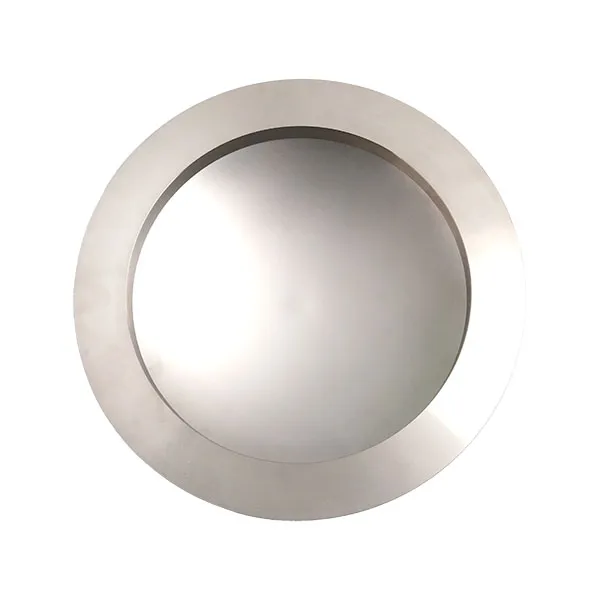
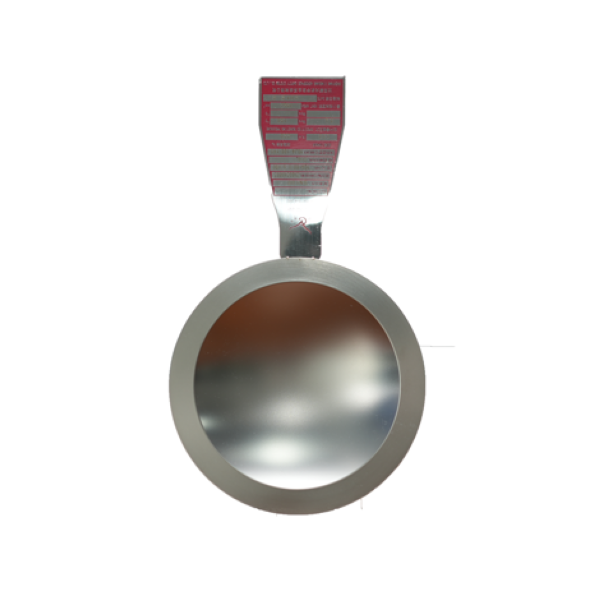
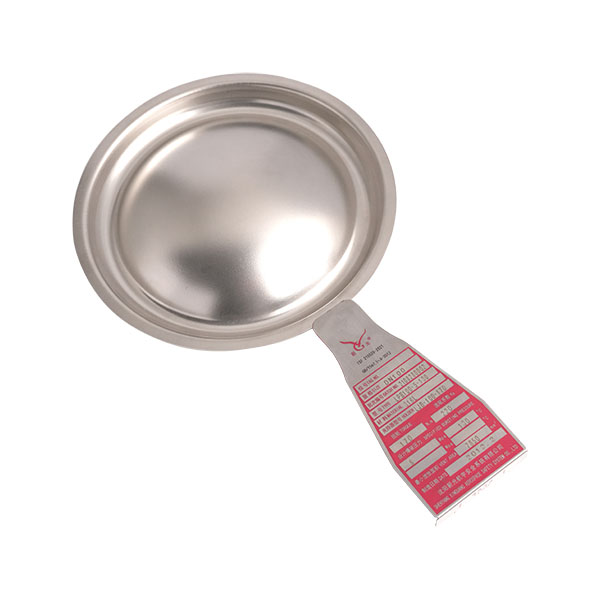
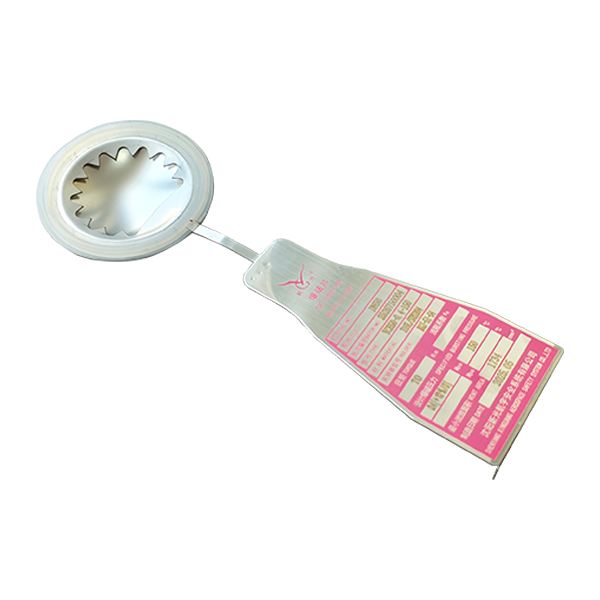
Correct Selection: We strongly recommend selecting a reverse-acting rupture disc (e.g., reverse-acting cross-scored or annular-scored types). Upon rupture, these discs invert but do not detach, thereby providing perfect protection for the downstream safety valve.

Golden Rule 2: Matching Tolerances and Set Pressures.
The rated burst pressure of the rupture disc should be slightly lower than, or equal to, the set pressure of the safety valve. Furthermore, during calculations, the relief area of the rupture disc must be precisely matched to the throat area (nominal orifice size) of the safety valve to ensure that no flow restriction or "bottleneck" is created following a rupture event.
Golden Rule 3: Select an Integrated Venting Holder.
Do not attempt to drill unauthorized vent holes into standard flanges yourself! Instead, you should procure a dedicated rupture disc holder that comes with standard, pre-drilled vent holes. This ensures both machining precision and optimal sealing integrity.
Installing a safety valv e and a rupture disc in series is not merely a simple matter of piping assembly; it is a complex systems engineering task involving precise pressure calculations and rigorous regulatory compliance reviews. If you are currently troubleshooting equipment leaks or have received a rectification notice from safety regulatory authorities, do not proceed blindly.
Is your equipment experiencing issues with excessive back pressure or facing challenges during safety inspections?
Contact Us: Receive a complimentary diagnostic assessment and a tailored rectification plan from our team of senior safety relief engineers.
