
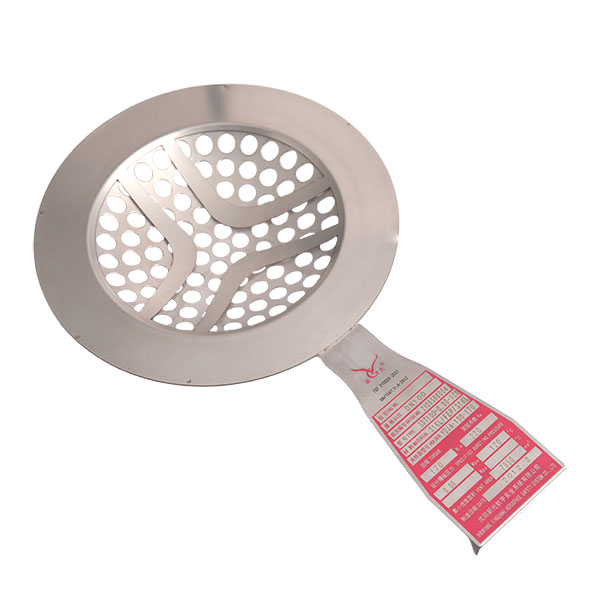
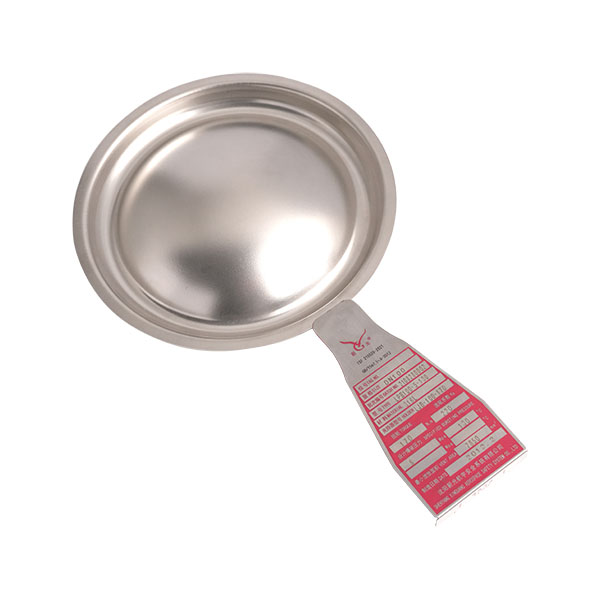
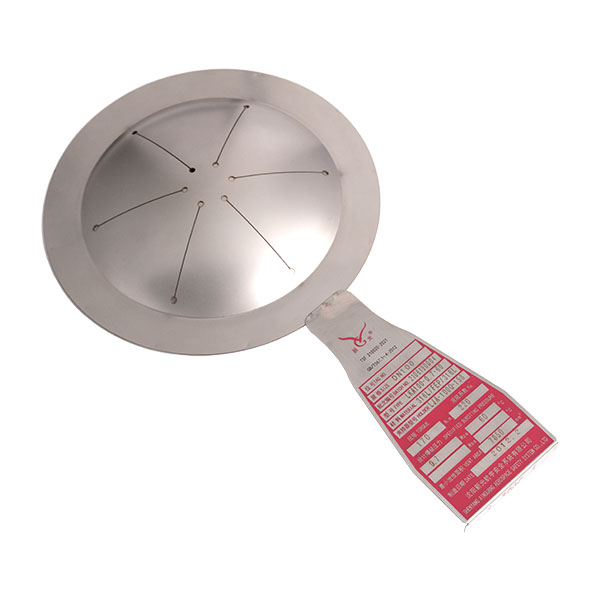
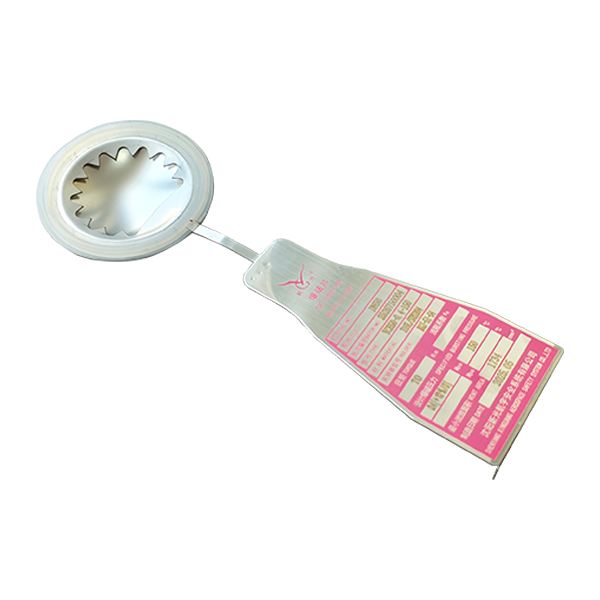
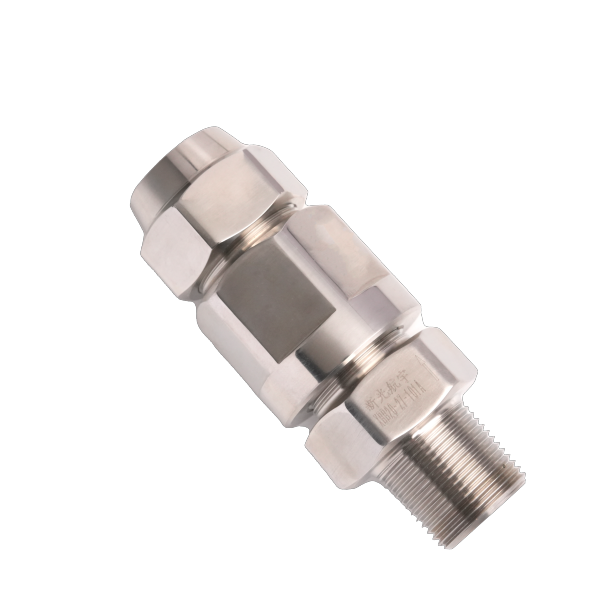
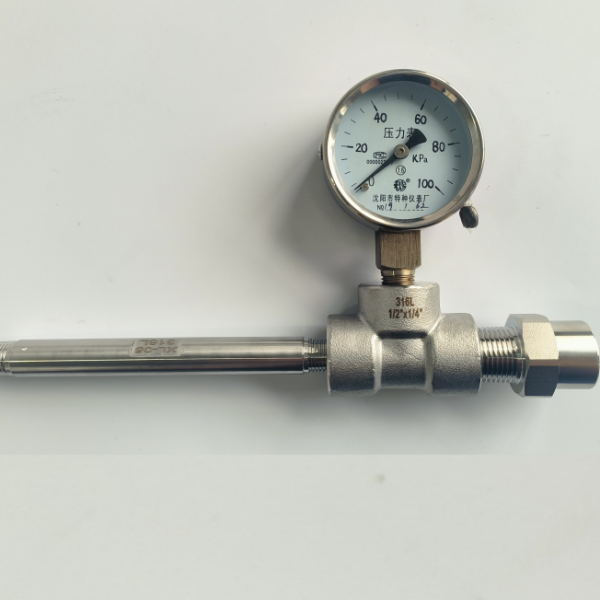
Applicable Locations for Rupture Discs:
1. Locations where the working medium in pressure vessels or pipelines is viscous or prone to crystallization or polymerization, easily causing the safety valve disc and seat to stick or the safety valve to become blocked;
2. Locations where chemical reactions of materials in the pressure vessel may cause a sudden and rapid increase in pressure, preventing the safety valve from opening in time to relieve the pressure;
3. Locations where the working medium in pressure vessels or pipelines is a highly toxic or expensive gas, and the use of safety valves may lead to leakage, causing environmental pollution and waste;
4. Locations where pressure vessels and pressure pipelines require complete discharge or unobstructed discharge;
5. Other locations where rupture discs are suitable but safety valves are not.
Configuration and Installation Precautions for Rupture Discs:
1. Rupture Disc Configuration:
(1) Standalone Configuration:
When the pressure increase rate in the vessel or system is very fast and a safety valve cannot be used, or when the medium is viscous, a rupture disc device must be used. For highly toxic or flammable media where leakage is not allowed during operation, a rupture disc device is recommended.
(2) Combined Configuration:
This usually refers to a combination of a rupture disc and a safety valve. The purpose is to combine the advantages of rupture discs (corrosion resistance, leak prevention, and rapid opening) with the advantages of safety valves (only releasing the overpressure portion of the medium, keeping most of the medium in the vessel, reducing losses, and allowing for multiple uses) to achieve greater economic benefits. Combined configurations include series and parallel arrangements.
(3) Series Combination:
The discharge pressure and discharge capacity of the two relief devices are basically the same, with one being the primary and the other the secondary.
A. Rupture disc device located between the vessel and the safety valve:
The designer may have intended the safety valve as the primary relief device, with the rupture disc upstream to prevent leakage or the effects of corrosive or viscous media on the safety valve; or the designer may have intended the rupture disc as the primary relief device, with the safety valve downstream to only release the overpressure medium, retaining most of the medium.
A bypass pipeline must be connected between the rupture disc and the safety valve. The purpose is to check whether the rupture disc has failed. This pipeline usually includes a flow control valve, pressure gauge or pressure alarm, and vent valve. When the rupture disc bursts, there should be no fragments to prevent blockage of pipelines or interference with the normal operation of the safety valve.
B. Safety valve located between the container and the rupture disc device:
The function of the rupture disc is to prevent back pressure from occurring on the outlet side of the safety valve, which could affect its normal opening, and also to prevent corrosive media from entering the environment near the safety valve outlet.
A flow control valve (for gaseous media) or a drain port (for liquid media) should be installed between the safety valve and the rupture disc to prevent the accumulation of back pressure caused by minor leakage of media from the safety valve, thus affecting the safety valve's opening at the specified pressure. The medium in the container should be a clean, non-viscous fluid.
(4) Parallel combination:
The rupture disc and safety valve are connected to the container separately, each discharging independently. This structure is usually adopted when there is a possibility of uncontrolled overpressure due to chemical reactions in the container, resulting in a high pressure increase rate, thus requiring a rupture disc device; however, the probability of instantaneous pressure fluctuations during normal operation is much higher than the probability of uncontrolled reactions. To prevent these large instantaneous fluctuations from damaging the rupture disc, a safety valve is installed. In this parallel combination device, the opening pressure of the safety valve is lower than the bursting pressure of the rupture disc.
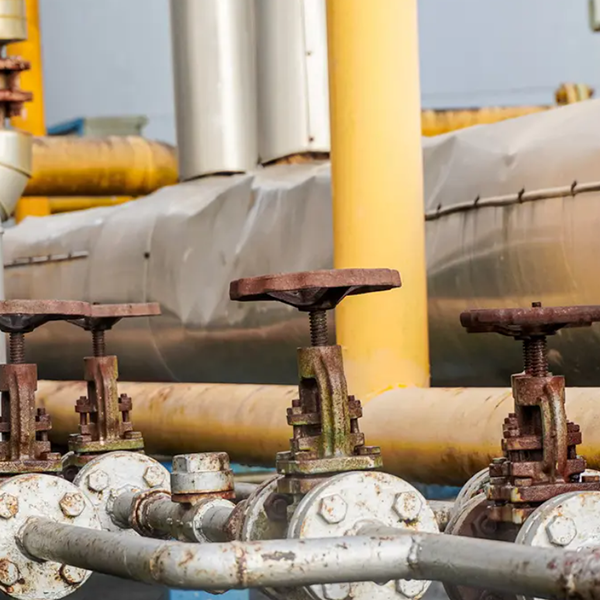
2. Rupture Disc Installation Precautions:
(1) The rupture disc device should be installed in a location on the container body or its auxiliary pipelines that is easily accessible for inspection and repair. Pressure relief devices for releasing gases should be connected to the top of the container or to the gas pipeline; those for releasing liquids should be connected below the normal liquid level of the container or to the liquid pipeline.
(2) The connecting pipe between the pressure relief device and the container should be short and straight, and the pipe diameter should meet the requirements of the discharge volume.
(3) No shut-off valve shall be installed between the container and the pressure relief device, except when necessary for continuous operation of the container or for maintenance of the pressure relief device. During normal operation, the shut-off valve should be locked in the fully open position.
(4) When multiple pressure relief devices are connected in parallel on the discharge pipeline, the fluid cross-sectional area of the pipeline should meet the requirements of the discharge volume of the pressure relief devices or at least be equivalent to the sum of the inlet areas of the multiple pressure relief devices.
(5) When releasing toxic substances, they should be disinfected before being discharged into the atmosphere to ensure that the medium meets emission standards.
(6) When flammable gases are emitted simultaneously with smoke, a separator should be installed to separate the flammable gases from the captured smoke and release the flammable gases into a safe area.
