
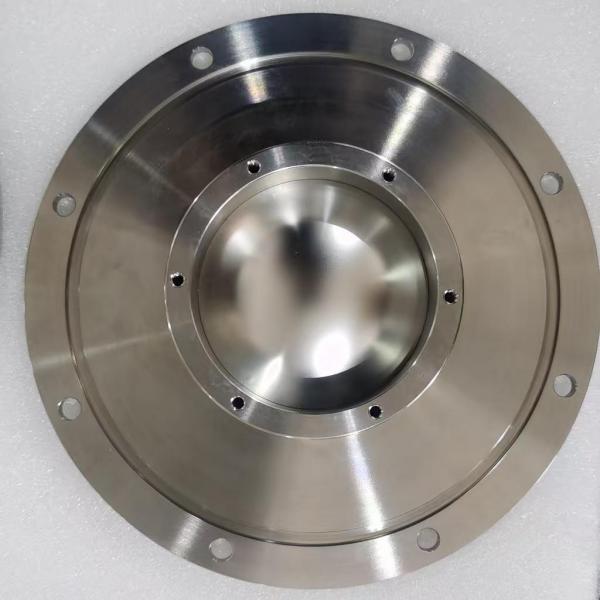
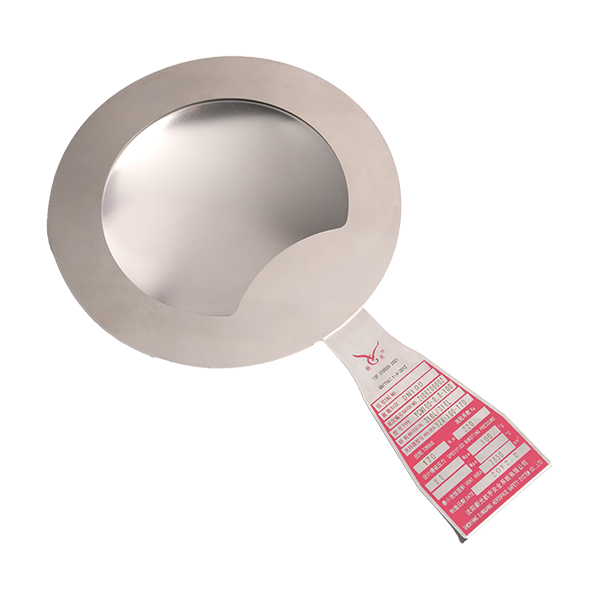
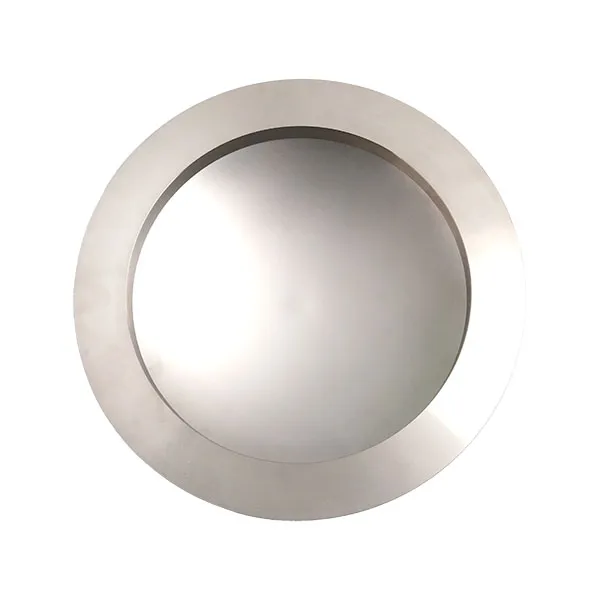
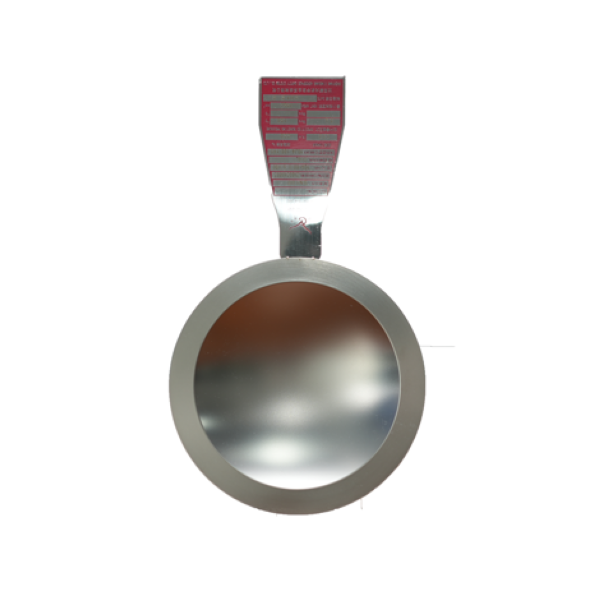
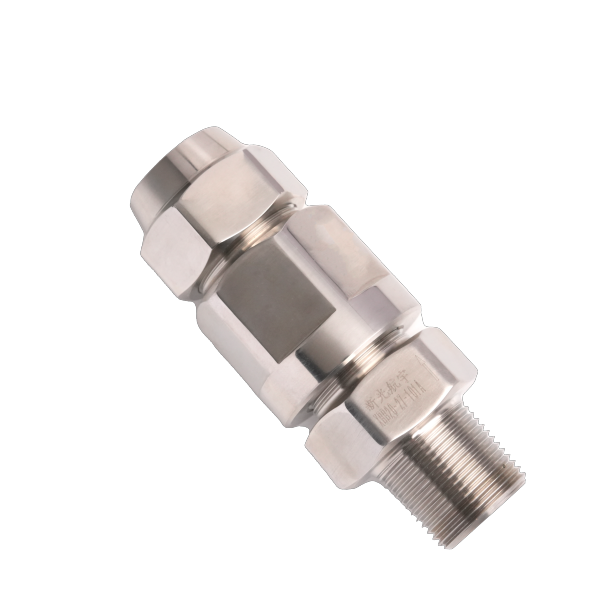
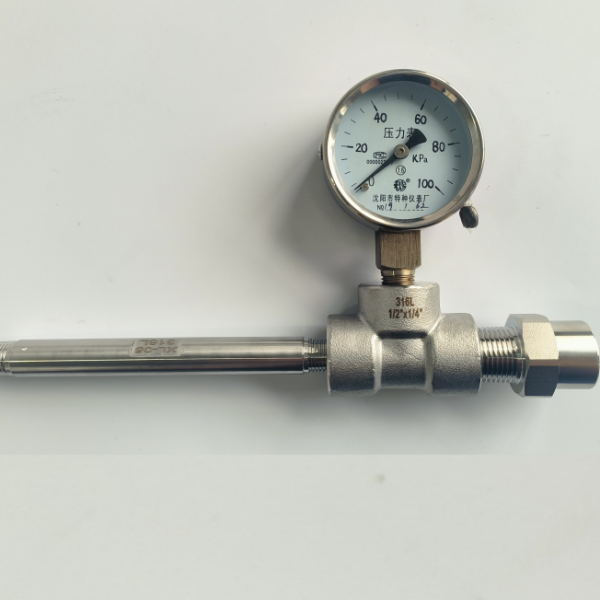
In the field of pressure safety, the forward-acting rupture disc, also known as the tension-loaded rupture disc, is one of the earliest and still widely used pressure relief devices in industrial history.
For many engineers seeking cost-effective, low-to-medium pressure solutions, the forward-acting rupture disc is the preferred choice. However, with technological advancements, the forward-acting rupture disc has evolved from a simple "thin metal sheet" into advanced safety devices including scored and composite types. This guide will take you on a deep dive into the modern applications of this classic product.
I. What is a Forward-Acting Rupture Disc? Unveiling the Working Principle.
The key to understanding the forward-acting rupture disc lies in understanding "tension."
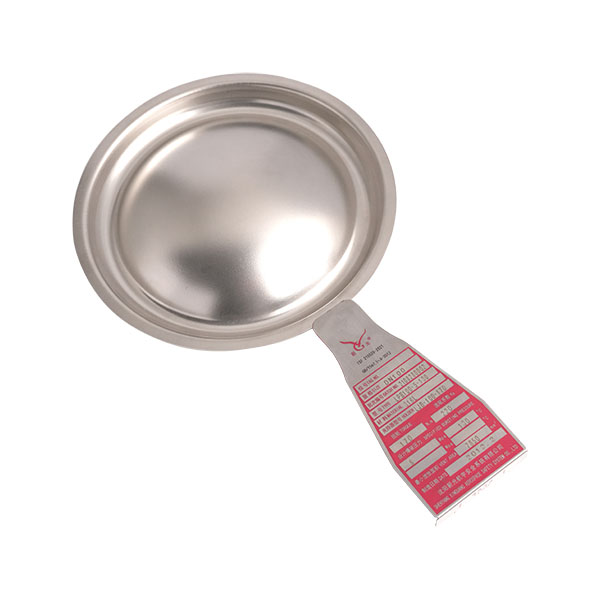
Installation Direction: The medium pressure acts directly on the concave side of the rupture disc.
Force Mechanism: As the system pressure increases, the hemispherical metal diaphragm is subjected to tensile force, and the wall thickness gradually thins.
Operating Principle: When the tensile stress exceeds the tensile limit of the material, the rupture disc tears at a predetermined weak point or score line, thereby releasing the pressure.
Imagine the process of blowing up a balloon—the balloon wall is stretched thinner and thinner until it finally bursts. This is the basic physical logic of the forward-acting rupture disc.
II. Three Core Classifications of Forward-Acting Rupture Discs.
In Google searches, customers often confuse different types of forward-acting products. We need to clarify the classifications:
1. Standard Forward-Acting Type.
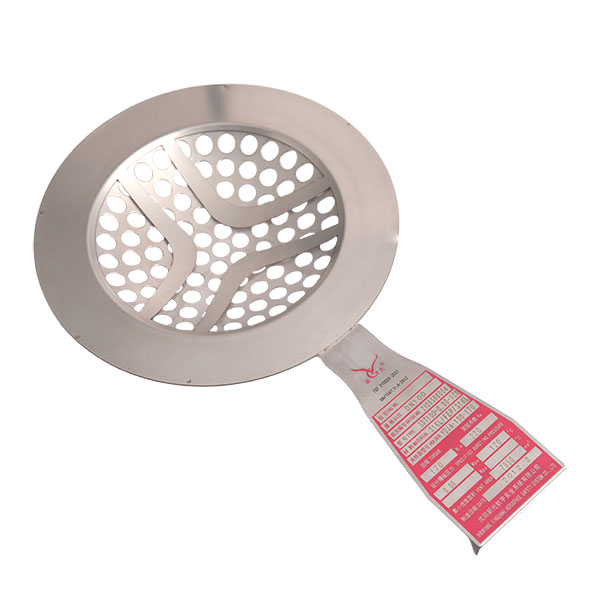
This is the most basic form, usually a solid metal arch.
Features: Ruptures based on the tensile limit of the material itself.
Disadvantages: Usually produces fragments upon rupture.
Limitations: Absolutely cannot be installed at the inlet of a safety valve, as fragments can jam the valve, leading to catastrophic consequences. It is more suitable for independent installation on pipes discharging to a safe area.
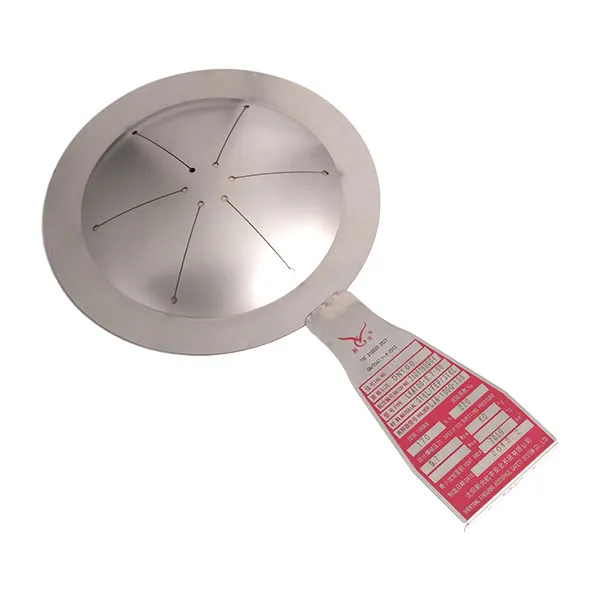
2. Scored Forward-Acting Type.
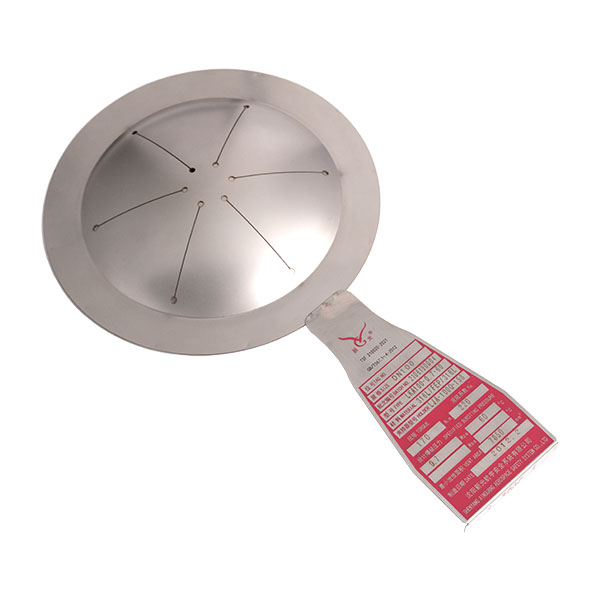
To solve the fragmentation problem, manufacturers have machined precise cross-shaped scores on the metal surface.
Features: When the pressure reaches the set value, the rupture disc opens neatly along the score lines, like flower petals.
Advantages: Fragment-free design. This makes it an economical option for use in series with safety valves.
Applications: Suitable for gases, liquids, and two-phase flows.
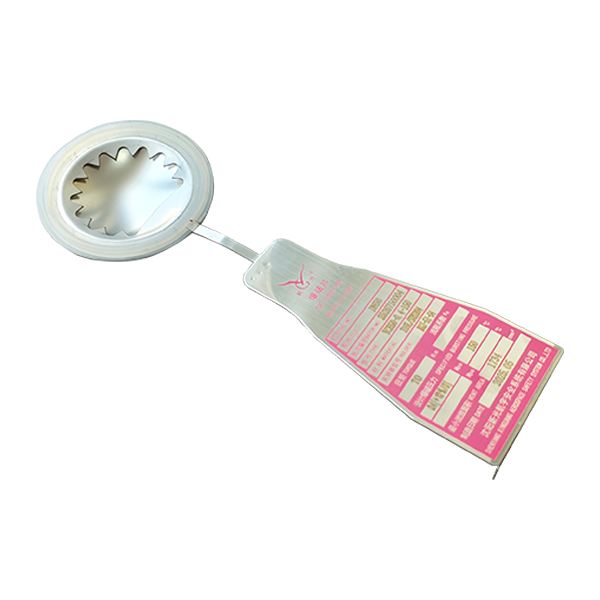
3. Composite Forward-Acting Type. This is the "all-rounder" in the forward-acting rupture disc family, composed of multiple layers of materials (typically a metal slotted top cover + sealing membrane + bottom protective sheet).
Features: Utilizes slits to control burst pressure, and uses fluoroplastics (PTFE/FEP) or metal membranes as the sealing layer.
Core Advantage: Ultra-low pressure bursting capability. Metal forward-acting rupture discs are difficult to manufacture for extremely low pressures (because the metal is too thin and will break), but composite types can easily achieve burst pressures of tens of millibars.
Applications: Tank protection, biogas systems, low-pressure vessels.
III. Forward-Acting vs. Reverse-Acting Rupture Discs: Why Choose Forward-Acting?
Although reverse-acting rupture discs offer superior performance, forward-acting rupture discs have irreplaceable advantages in the following scenarios:
Extremely Low Pressure Applications:
For tanks or low-pressure vessels, reverse-acting rupture discs often cannot be manufactured to achieve extremely low burst pressures. In this case, forward-acting composite rupture discs are the best (or even the only) choice.
Greater Size Flexibility:
In certain miniature sizes (such as 1/8 inch or 1/4 inch) applications, the manufacturing process for forward-acting rupture discs is more mature.
Economic Cost:
For utility systems that do not require high-frequency cycling and have minimal pressure fluctuations, forward-acting rupture discs offer lower initial purchase costs.
