
IV. Technical Limitations and Key Parameters (Honest Professional Advice)
To build B2B trust, we must objectively point out the technical limitations of forward-acting rupture discs and inform customers how to address them.
1. Operating Ratio.
The maximum operating ratio of forward-acting rupture discs is typically 80% - 85%.
What does this mean? If your burst pressure is set at 10 Bar, then your system's normal operating pressure should ideally not exceed 8 Bar.
Risk: If the system pressure consistently exceeds 85% of the burst pressure, the rupture disc will experience metal fatigue due to "creep," leading to premature bursting at a pressure lower than the set pressure.
2. Vacuum Resistance.
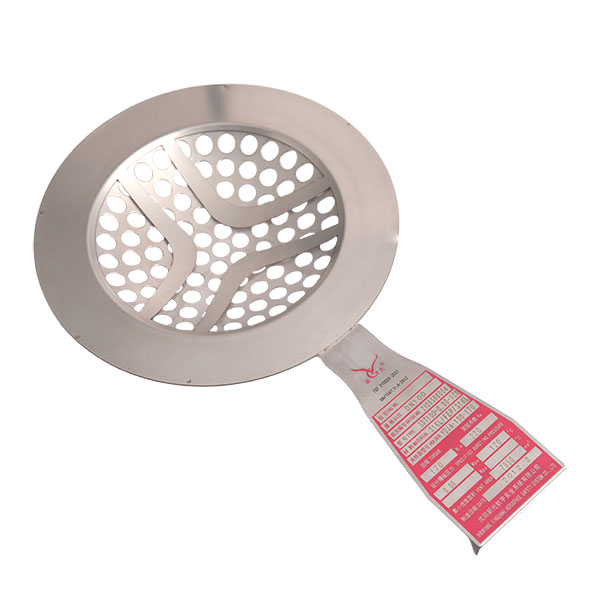
Because forward-acting rupture discs are thin-walled tensile structures, they are very fragile when subjected to reverse pressure (vacuum) and can easily collapse.
Solution: Most forward-acting rupture discs require a vacuum support when operating under vacuum conditions. This is typically a perforated metal liner that supports the diaphragm to prevent it from collapsing in reverse.
V. Typical Application Industries.
Food and Beverage:
Used for low-pressure protection in fermentation tanks. The composite rupture disc, combined with a hygienic design, is ideal for CIP/SIP cleaning processes.
Oil and Gas:
Used in discharge lines that are not frequently pressurized, or as a backup relief channel for safety valves.
Dust Collection and Powder Equipment:
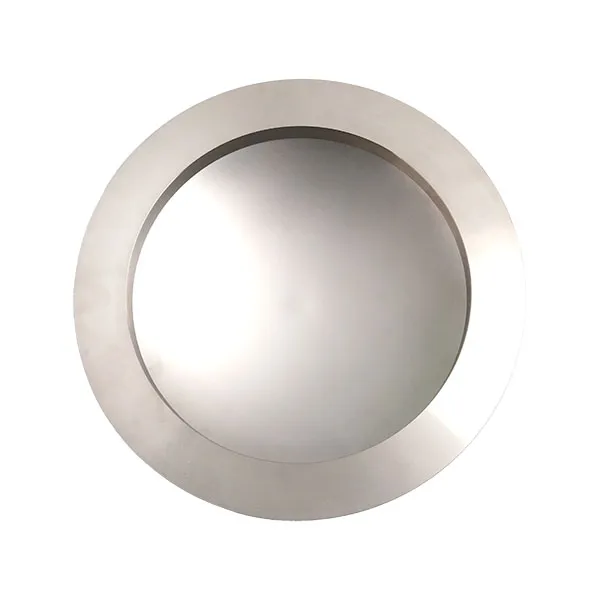
Used for explosion venting in silos and dust collectors (usually using large-diameter flat or domed composite rupture discs).
VI. Installation and Troubleshooting Guide
1. Identify the "FLOW" arrow.
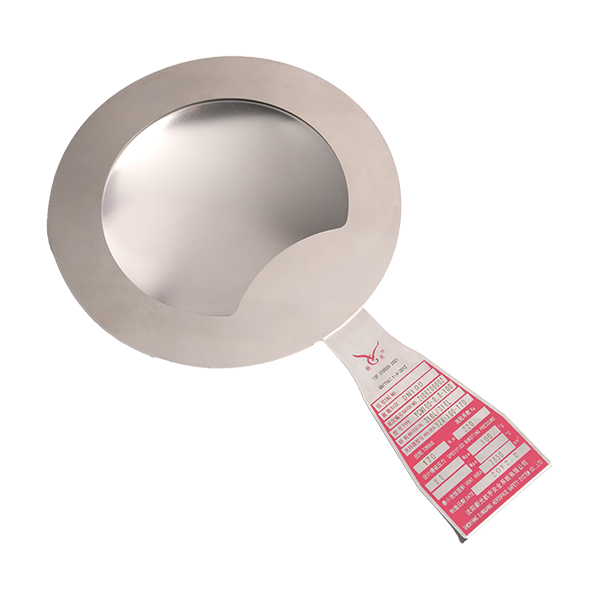
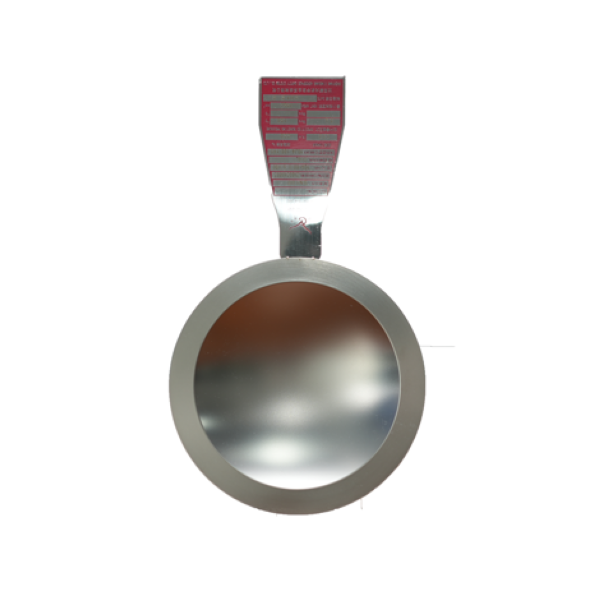
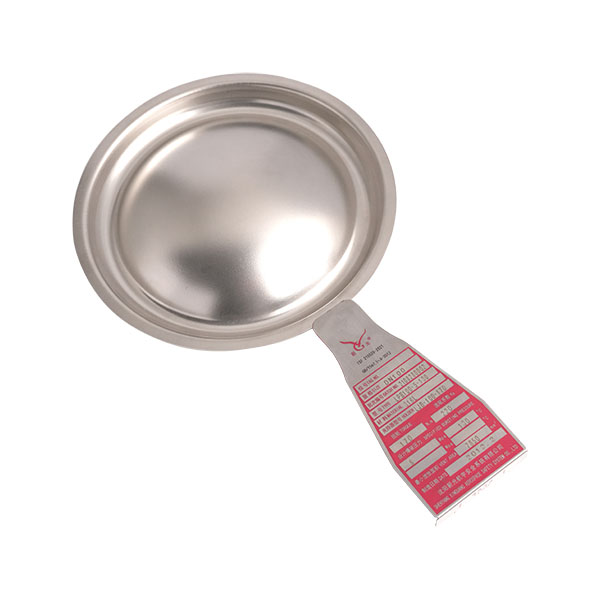
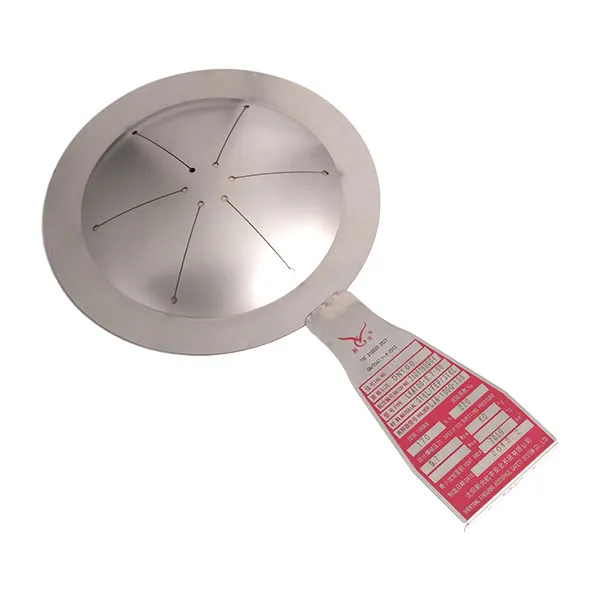
The forward-acting rupture disc must be installed in the correct direction. The media flow direction must match the arrow on the handle or label. If installed incorrectly (media acting on the convex side), the bursting pressure may increase to 1.5 times or even higher than the set value, which is extremely dangerous.
2. Torque Sensitivity.
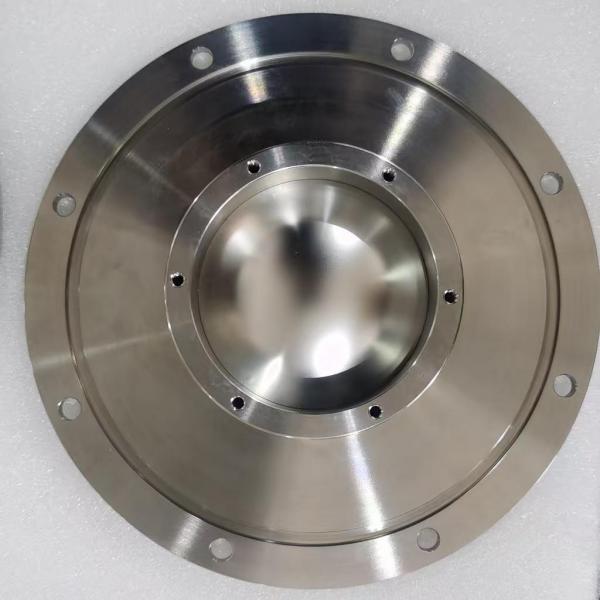
Except for pre-tensioned torque type holders, many forward-acting rupture discs are very sensitive to the torque of the flange bolts. Uneven torque can cause wrinkling of the sealing membrane or stress concentration in the metal.
Tip: Be sure to use the matching holder; do not clamp it directly between two ordinary pipe flanges.
3. Preventing Fatigue.
If your process involves pulsating pressure, a forward-acting type may not be the best choice. In this case, please consult us to upgrade the solution to a reverse-acting type for a longer service life.
VII. Frequently Asked Questions (FAQ) - for Forward-Acting Type.
Q1: What is a composite rupture disc?
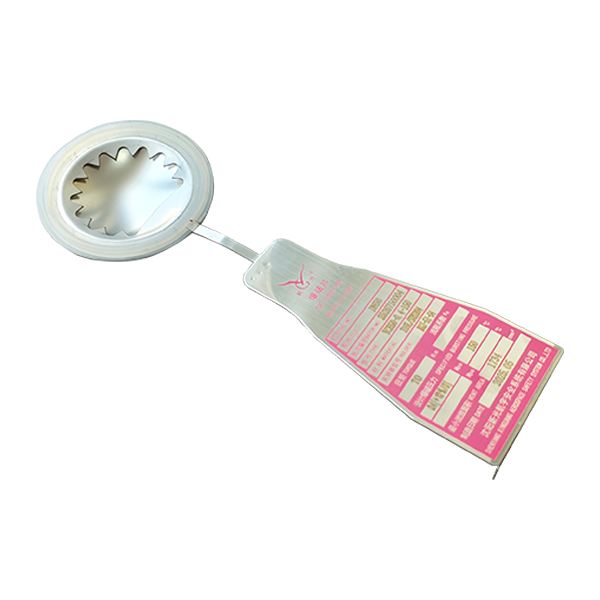
A: It is a sandwich structure composed of a slotted metal part at the top (controlling the bursting pressure) and a sealing membrane at the bottom (usually Teflon or metal). It combines the strength of metal and the corrosion resistance of plastic, making it particularly suitable for low-pressure environments.
Q2: Do forward-acting rupture discs produce fragments?
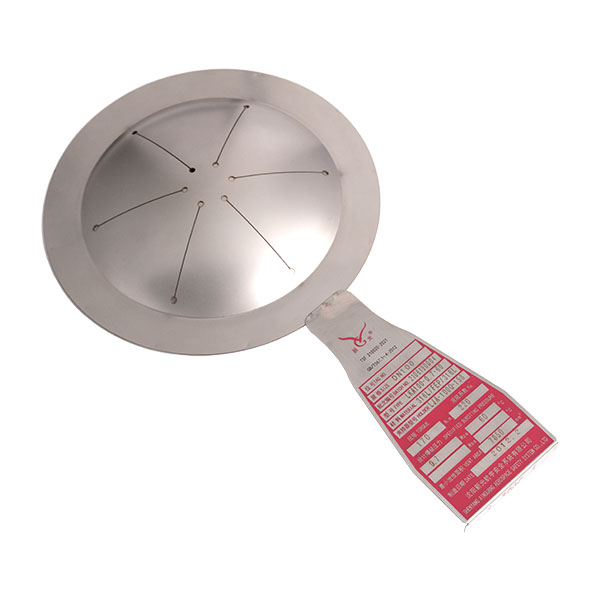
A: It depends on the model. Ordinary forward-acting types will produce fragments. Scored and most composite types are designed to be fragment-free. If installed under a safety valve, a fragment-free model must be selected.
Q3: Do I need a vacuum support?
A: If your system may experience negative pressure (even a momentary vacuum during the cleaning process), and you are using a forward-acting rupture disc, then a vacuum support must be installed; otherwise, the rupture disc will fail.
