
The global race towards decarbonization has placed Green Hydrogen at center stage. With governments across Europe, Asia, and North America investing billions in hydrogen infrastructure, the demand for electrolyzers—both Proton Exchange Membrane (PEM) and Alkaline water electrolysis (AWE)—is skyrocketing.
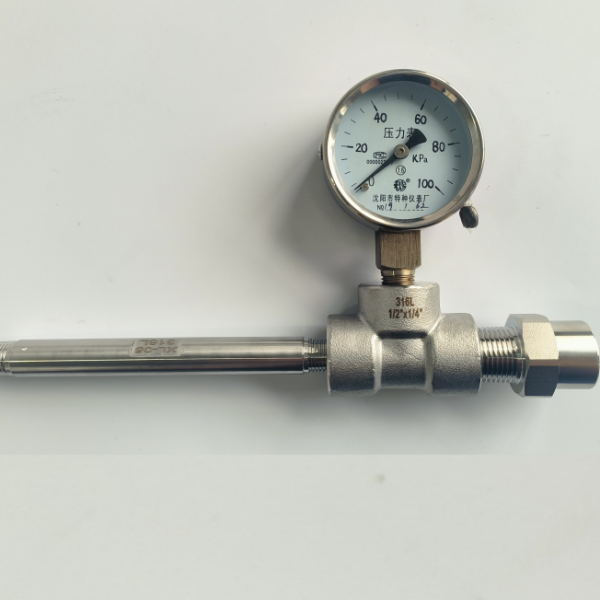
However, as electrolyzer stacks grow larger and operating pressures increase to boost efficiency, safety engineers face a formidable challenge: Managing the unique risks of high-pressure hydrogen generation. Unlike standard industrial gases, hydrogen poses specific threats regarding leakage, embrittlement, and flammability range. This report explores why advanced pressure relief devices, specifically specialized rupture discs, are becoming the linchpin of electrolyzer safety.
The Unique Challenge: Sealing the Smallest Molecule:
The primary challenge in hydrogen electrolysis is the nature of the molecule itself. Hydrogen has the smallest molecular structure of any element, allowing it to leak through sealing surfaces that would be considered "tight" for water or natural gas.
For electrolyzer manufacturers, this means standard pressure relief valves (PRVs) are often insufficient on their own. PRVs can suffer from "simmering" (micro-leakage) near the set pressure. In a hydrogen plant, fugitive emissions are not just an efficiency loss—they are a potential explosion hazard.
The Solution: Welded Rupture Disc Assemblies:
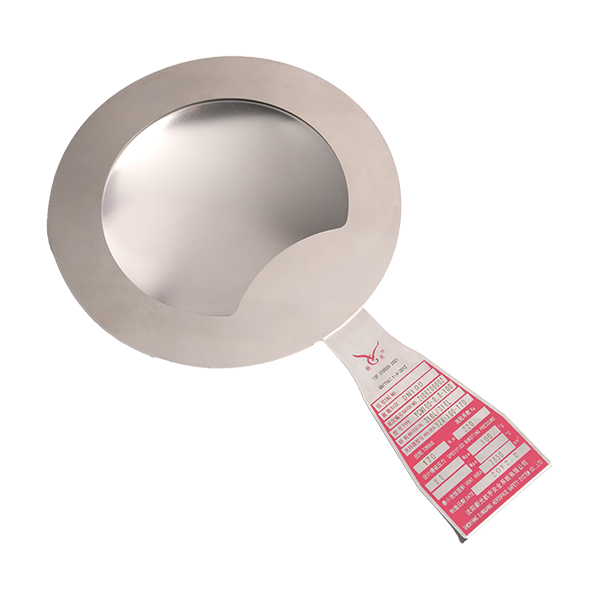
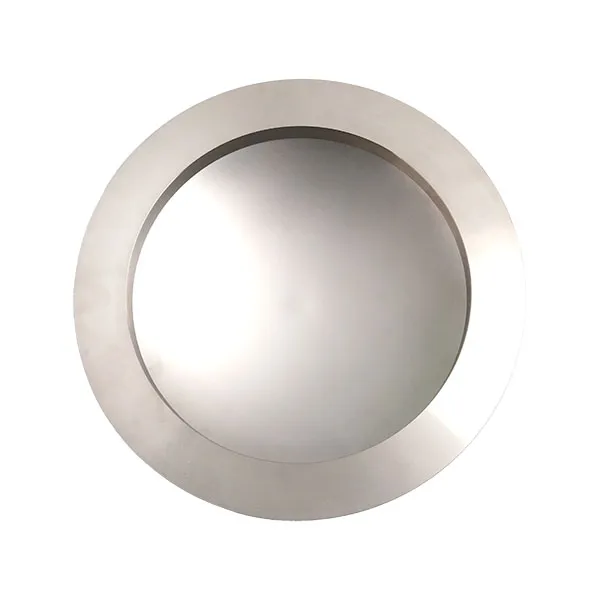
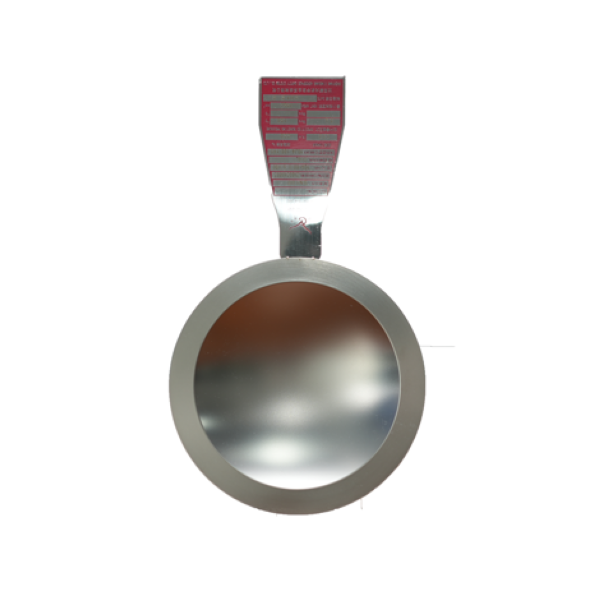
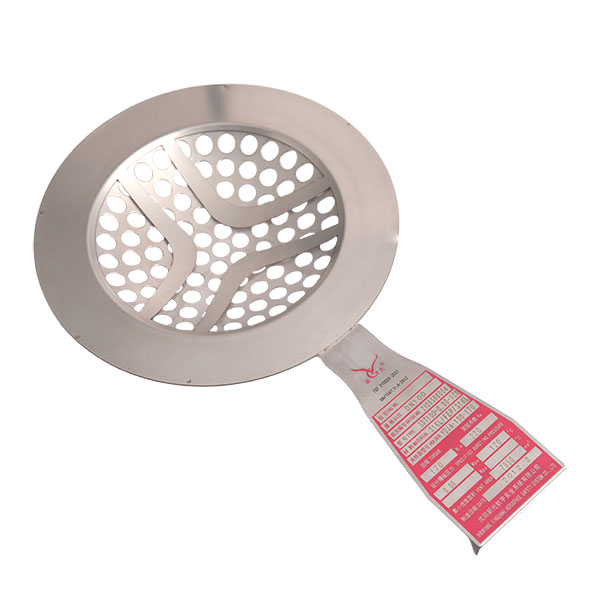
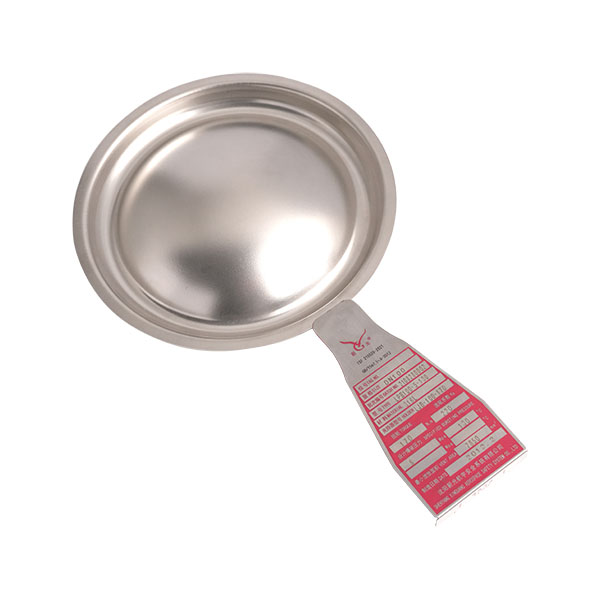
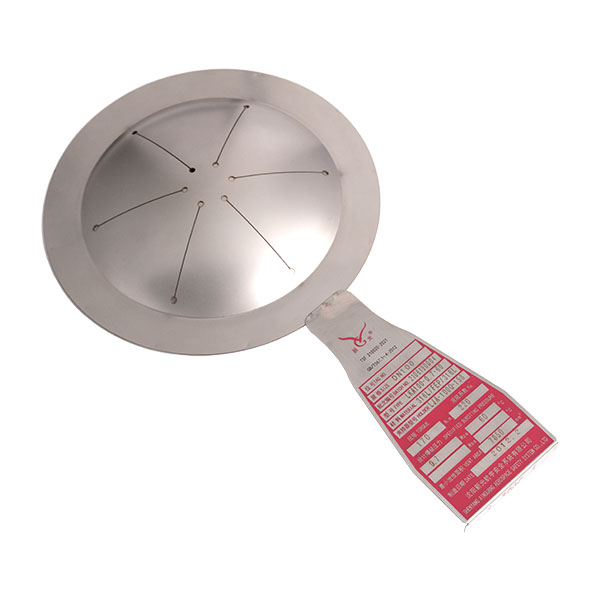
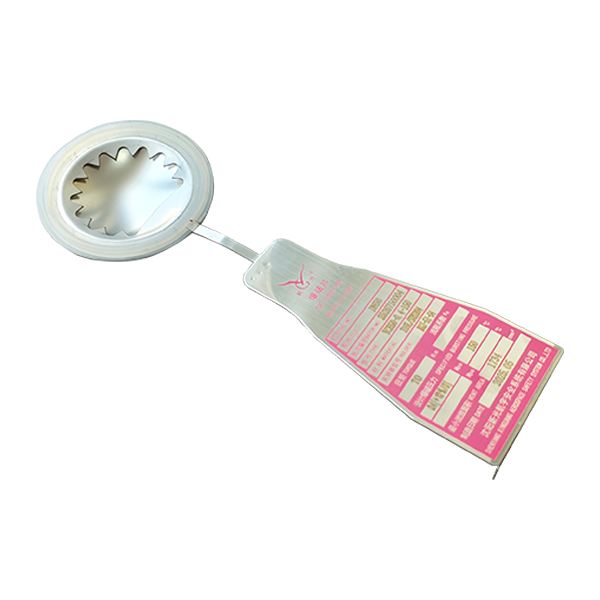
Industry trends show a massive shift towards Welded Rupture Disc Assemblies for electrolyzer stacks.
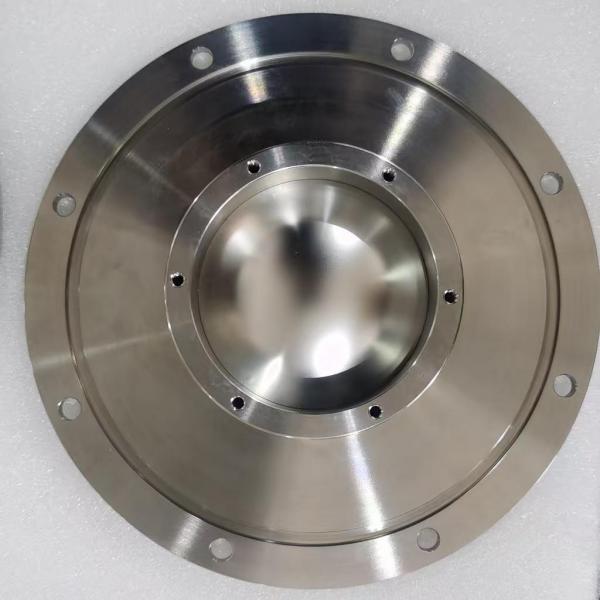
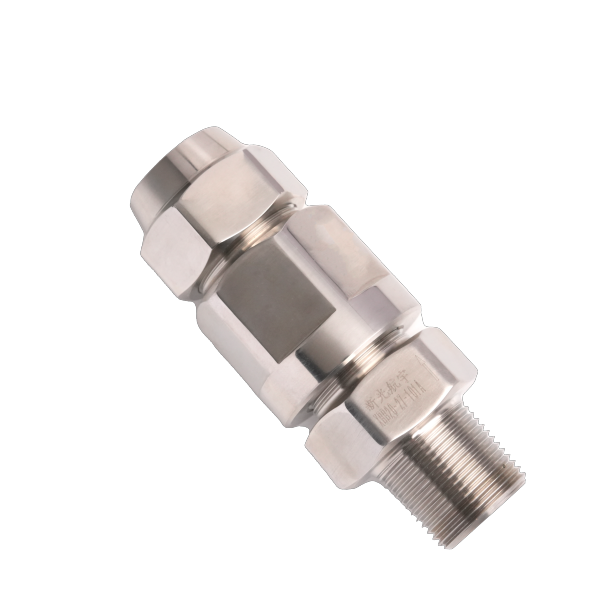
Unlike traditional discs that are clamped between flanges (where leak paths can exist), welded units are hermetically sealed. The rupture disc is electron-beam welded directly into the holder or fitting.
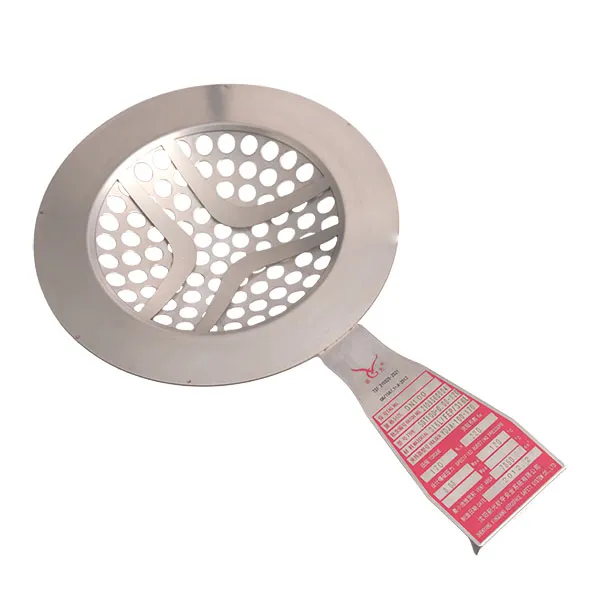
Zero Leakage: This design guarantees a leak rate better than 1×10⁻⁹ cc/sec (Helium), effectively eliminating fugitive emissions during normal operation.
Compact Design: Electrolyzer skids are becoming more compact. Welded assemblies take up less space and reduce the weight of the piping system, which is crucial for containerized hydrogen solutions.
Material Science: Combating Hydrogen Embrittlement
Another critical factor driving the market is material selection. High-pressure hydrogen can diffuse into metal lattices, causing "Hydrogen Embrittlement," which makes standard metals brittle and prone to unpredictable cracking.
Leading safety device manufacturers are now standardizing on materials that resist this phenomenon.
316L Stainless Steel (Specific Grades): Not all SS316 is created equal. Heat-treated, high-quality 316L is the baseline.
Exotic Alloys: For higher temperatures or specific electrolyte environments (like KOH in alkaline systems), Nickel-based alloys (Inconel, Monel) are being specified to ensure the rupture disc retains its precise burst pressure over years of service.
PEM vs. Alkaline: tailored Safety Strategies
PEM Electrolyzers: Often operate at higher differential pressures (30-50 bar) directly at the stack output. They require fast-acting, reverse-buckling discs that can withstand pressure cycling without fatigue.
Alkaline Electrolyzers: Operate at lower pressures but involve corrosive potassium hydroxide (KOH) solutions. Here, the focus is on chemical compatibility, often requiring PTFE linings or Nickel diaphragms.
As the hydrogen economy scales from pilot projects to gigawatt-scale plants, safety standards (such as ISO 22734) are becoming stricter.
Choosing the right pressure relief solution is no longer a commodity purchase—it is a strategic engineering decision. The move towards hermetically sealed, embrittlement-resistant rupture discs is not just a trend; it is the new standard for the green energy revolution.
We specialize in high-performance pressure relief solutions for the Hydrogen Economy. Contact our engineering team today to discuss custom welded assemblies for your electrolyzer projects.
