
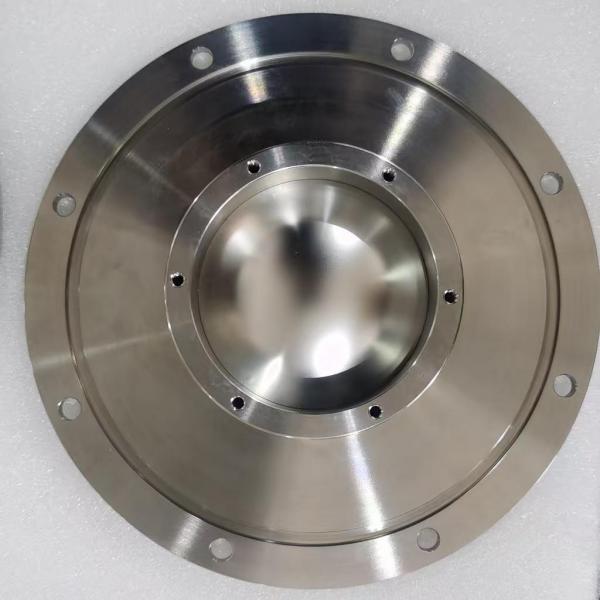
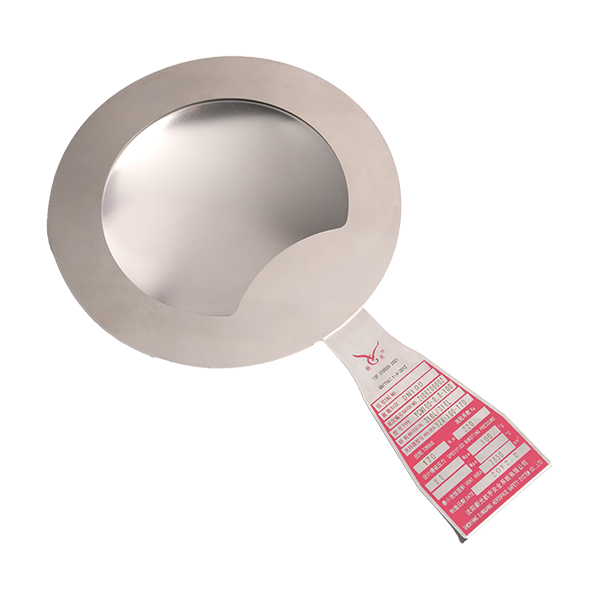
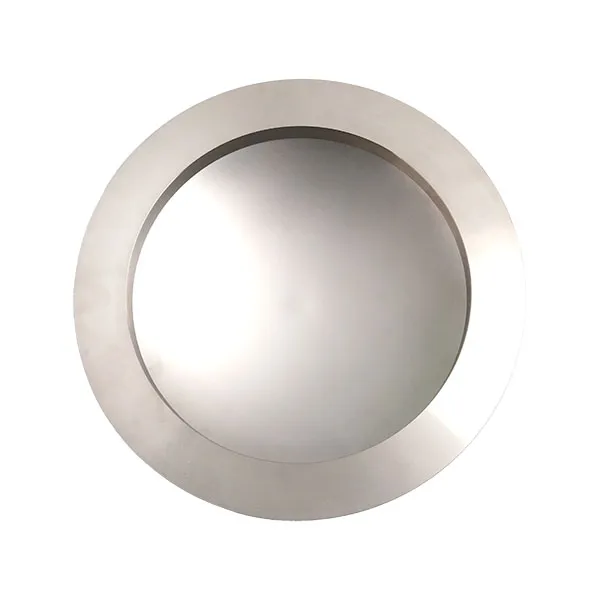
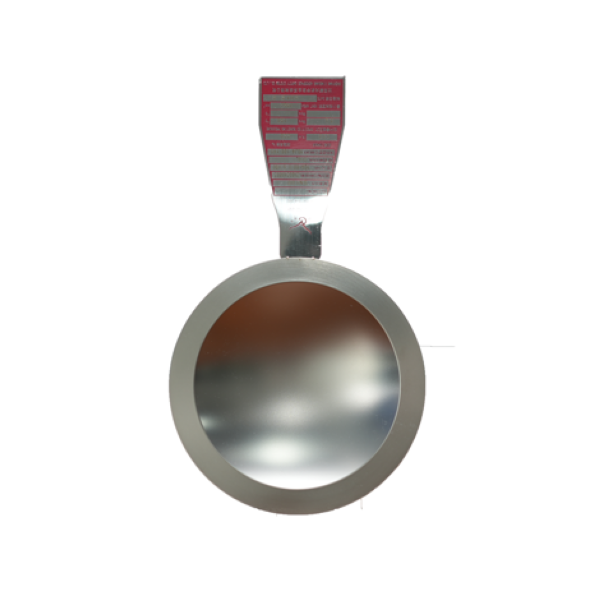
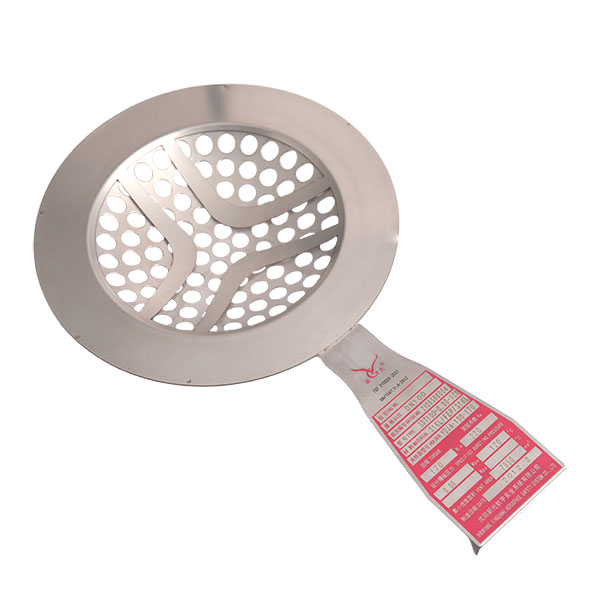
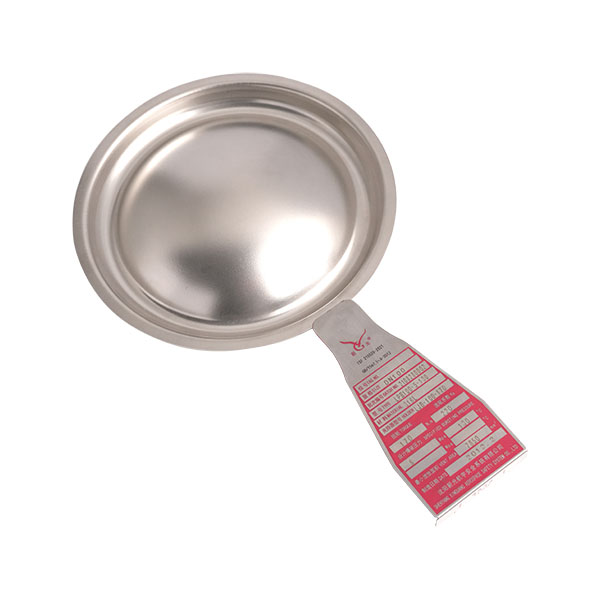
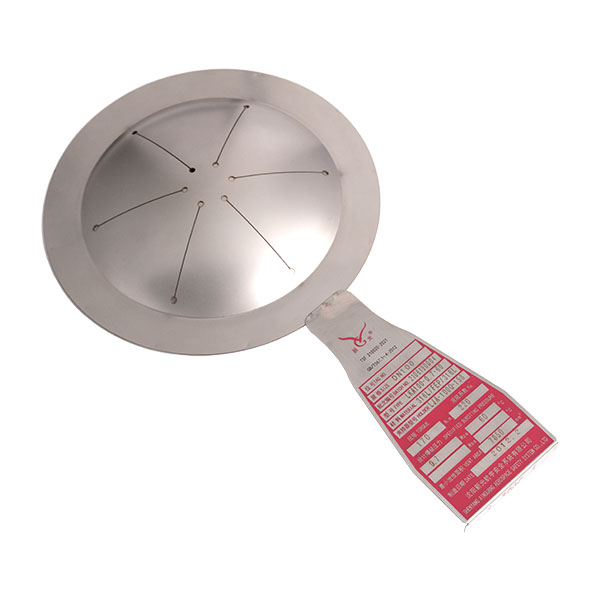
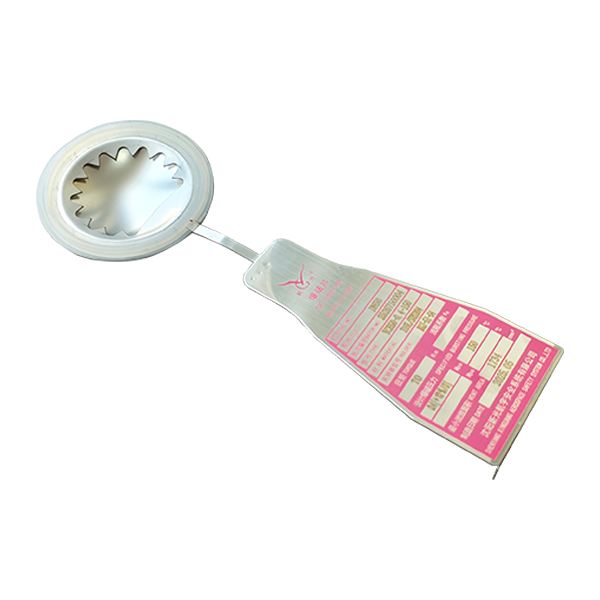
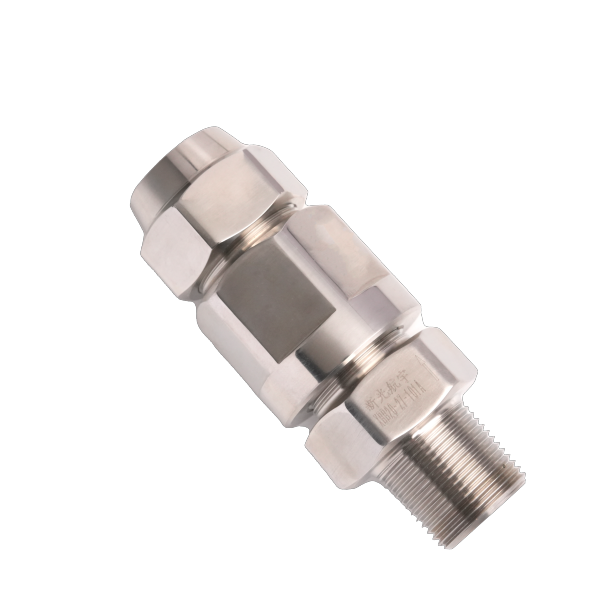
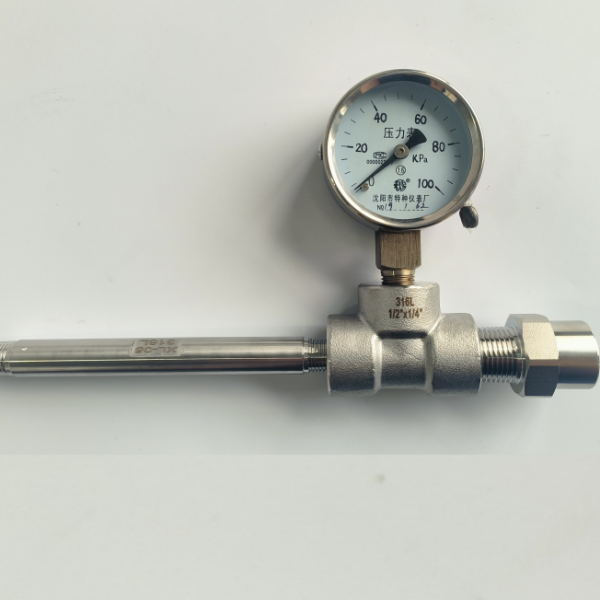
In the intricate world of pressure relief, material selection is just as critical as sizing. The two heavyweights in the industry are Metal Rupture Discs (Stainless Steel, Inconel, Hastelloy) and Graphite Rupture Discs.
For a procurement manager or process engineer, the choice often comes down to a trade-off: Durability vs. Chemical Resistance or Upfront Cost vs. Maintenance Frequency.
While metal discs (especially Reverse Buckling designs) have dominated the high-pressure market, graphite remains the unsung hero of the corrosive chemical industry. This guide provides a comprehensive, unbiased comparison to help you determine which technology belongs in your plant.
1. Graphite Rupture Discs: The Chemical Shield.
Graphite discs are not stamped from a sheet; they are machined from a solid block of graphite that has been impregnated with phenolic resins (or other binders) to make it impermeable.
The Advantages:
Universal Chemical Resistance: This is the #1 reason to buy graphite. Apart from free fluorine and strong oxidizing agents, impregnated graphite is inert to almost all acids, alkalis, and solvents. It is the gold standard for Hydrochloric Acid (HCl) and Sulfuric Acid (H2SO4) service.
Low Burst Pressure Capability: Graphite is excellent for very low-pressure applications (e.g., protecting glass-lined vessels or storage tanks) where metal discs might be too thick to burst accurately.
Cost-Effective for Exotics: If the alternative is a solid Tantalum or Titanium metal disc, a graphite disc is often 80% cheaper while offering similar corrosion resistance.
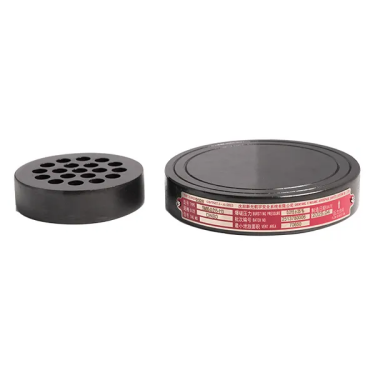
The Disadvantages:
Fragility: Graphite is brittle. If you drop it, it cracks. If you torque the flange bolts unevenly, it cracks. Installation requires a delicate touch.
Fragmentation: When a graphite disc bursts, it shatters into thousands of small pieces. This makes it unsuitable for installation upstream of a Safety Valve (unless a vacuum support/guard is used) because the debris can clog the valve.
Temperature Limits: The graphite itself is heat resistant, but the impregnating resin is not. Most graphite discs are limited to around 170°C - 200°C (338°F - 392°F).
2. Metal Rupture Discs: The Precision Performers.
Metal discs come in two main flavors: Forward Acting (Tension Loaded) and Reverse Acting (Compression Loaded). They are typically made from foils of 316L Stainless Steel, Nickel, Monel, Inconel, or Hastelloy.
The Advantages:
Non-Fragmenting Designs: Modern Reverse Buckling discs open along scored lines (like a flower petal) without releasing loose parts. This is mandatory if the disc is installed before a Safety Relief Valve.
High Operating Ratios: A high-quality reverse acting metal disc allows you to operate your system at up to 90% or even 95% of the burst pressure without fatigue. Graphite is typically limited to 75-80%.
Vacuum Resistance: Many metal discs are self-supporting under vacuum. Graphite usually requires a separate vacuum support bar or dial, which restricts flow area.
Sanitary Compliance: For food and pharma, metal discs can be polished to Ra < 0.5µm and are CIP/SIP compatible. Graphite is porous (on a micro level) and generally not suitable for ultra-high purity applications.
The Disadvantages:
Fatigue Sensitivity: Metal fatigues over time, especially in pulsating applications.
Material Cost: While 316L SS is cheap, if you need Hastelloy C276 or Monel for corrosion resistance, the price skyrockets.
