
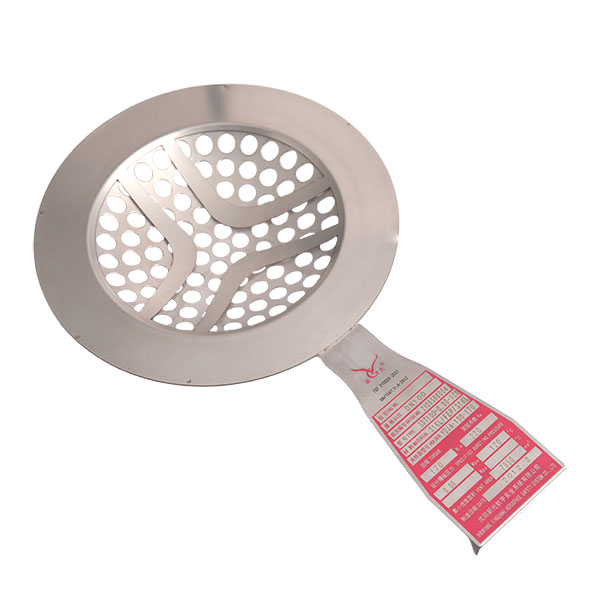
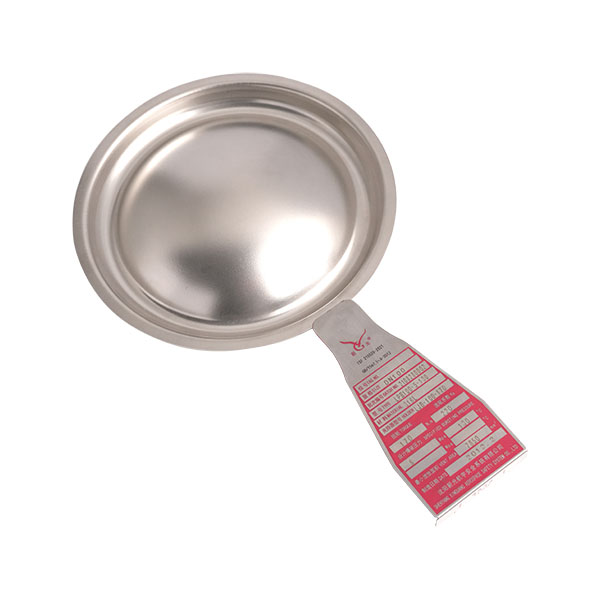
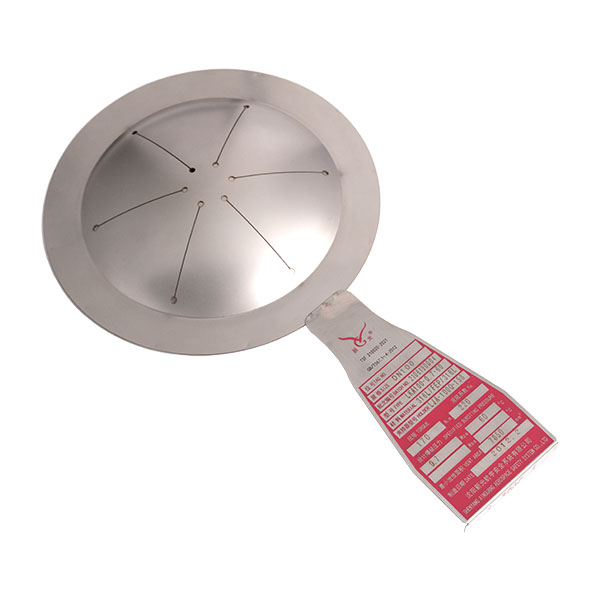
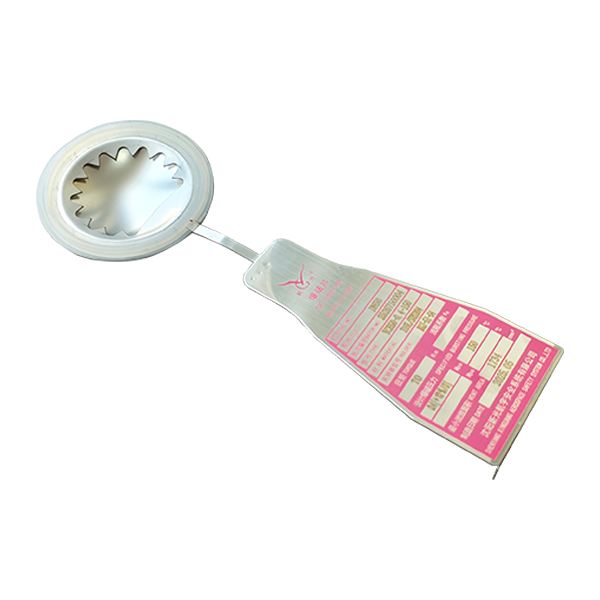
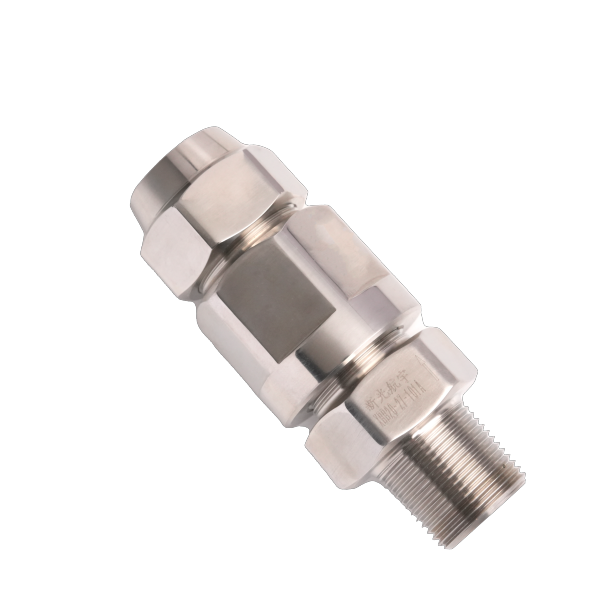
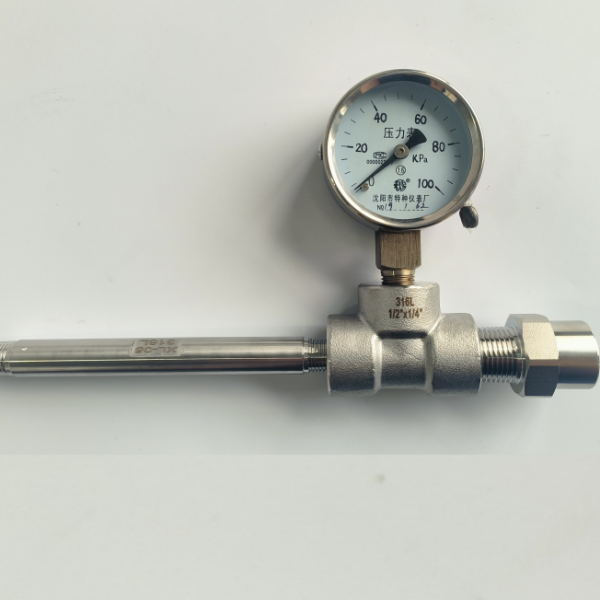
In industrial pressure safety protection systems, metal rupture discs and graphite rupture discs are the two most widely used types. In practical industrial applications, these two types of rupture discs each have their own characteristics and applicable scenarios.
Differences in Material Structure:
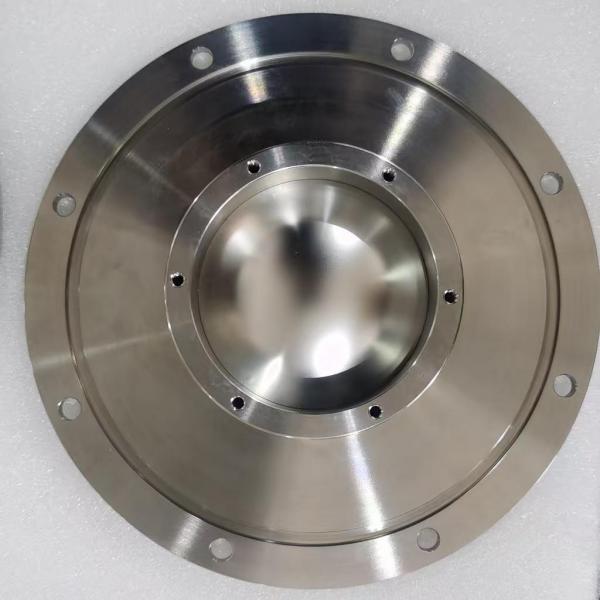
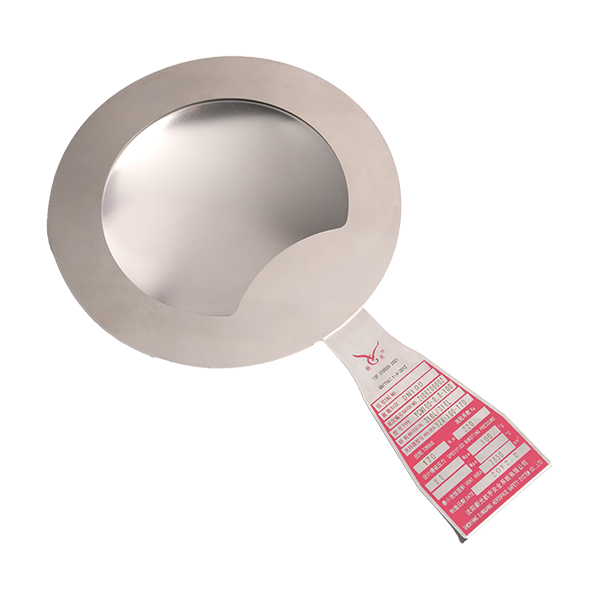
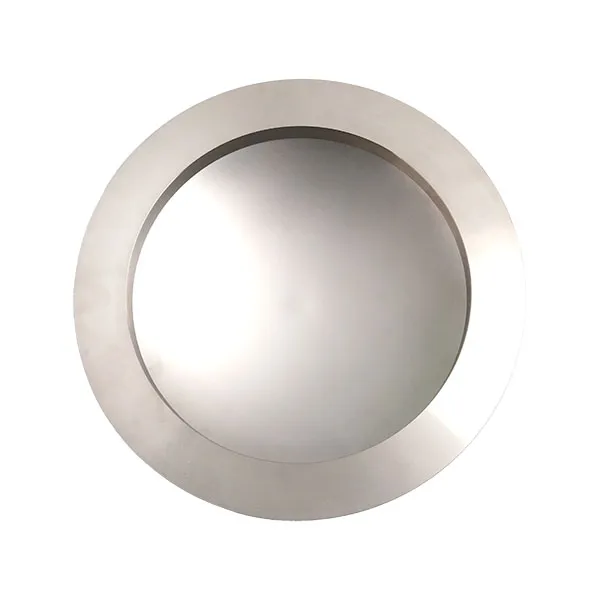
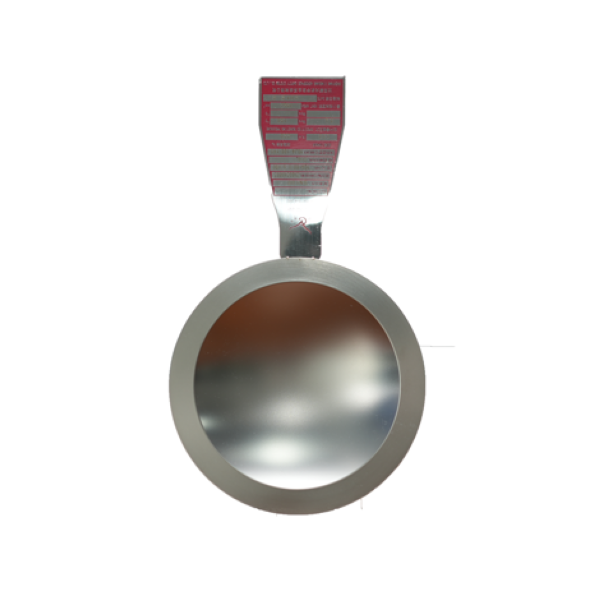
Metal rupture discs are typically made of metal, mostly stainless steel or other corrosion-resistant metals. These rupture discs rely on the strength and elasticity of the metal material to withstand system pressure and rupture when the set pressure is reached.
Graphite rupture discs, on the other hand, are made of high-purity graphite, offering significant advantages in
certain special media environments. Graphite rupture discs are usually designed with a special structure to control the burst pressure, ensuring reliable rupture at the set pressure.
Comparison of Corrosion Resistance:
In terms of corrosion resistance, the two types of rupture discs exhibit distinct characteristics. Metal rupture discs maintain stable performance in most conventional industrial environments, especially when using corrosion-resistant alloy materials, and can adapt to various chemical media. However, in some highly corrosive environments, such as strong acids or certain chemical reaction media, the metal material may be affected by corrosion. Graphite rupture discs, however, possess excellent corrosion resistance. Graphite materials have good resistance to a variety of acidic or corrosive media, so they are often the more suitable choice in highly corrosive environments.
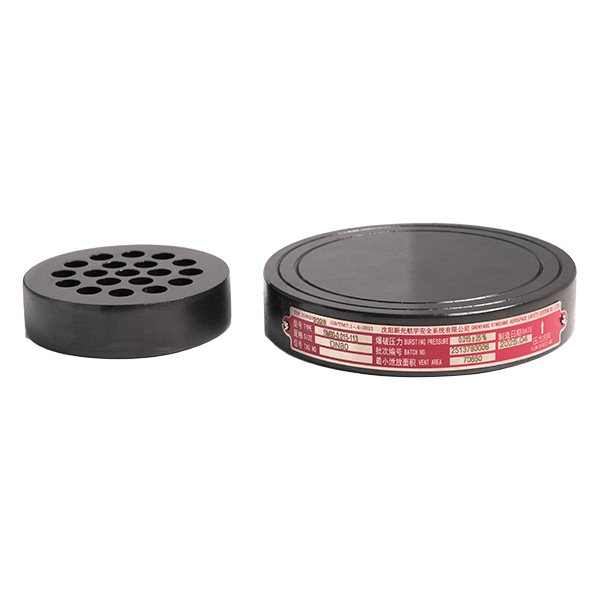
Differences in Operating Pressure Ranges
Metal bursting discs are typically suitable for higher operating pressures and wider pressure ranges. Due to the superior mechanical strength of metal materials, they are capable of maintaining stable operation within high-pressure systems. In contrast, graphite bursting discs are generally better suited for low-to-medium pressure systems. Given the inherent mechanical strength characteristics of graphite, their applicable pressure range is typically lower than that of certain high-strength metal bursting discs.
Temperature Adaptability
Metal bursting discs are generally capable of operating across a wide temperature spectrum, including both high-temperature and low-temperature environments. Bursting discs manufactured from specialized alloy materials can even be utilized under extreme temperature conditions. Graphite bursting discs also exhibit excellent high-temperature resistance and can operate stably in many high-temperature industrial process environments. Furthermore, graphite materials demonstrate superior stability in certain chemically reactive environments. In terms of temperature adaptability, both types of bursting discs can meet the requirements of diverse industrial settings; however, the specific choice typically necessitates an assessment of the actual operating conditions.
Typical Application Areas
Metal bursting discs are widely utilized in:
Chemical reaction equipment
Petroleum refining facilities
Pressure vessel systems
LNG storage equipment
Pharmaceutical manufacturing systems
Graphite bursting discs, conversely, are commonly found in:
Highly corrosive chemical equipment
Acid and alkali storage tank systems
Corrosive gas processing equipment
Chemical reaction piping systems
By selecting the appropriate type of bursting disc based on the properties of the medium, pressure conditions, and operating environment, the safety and reliability of the system can be effectively enhanced.
Both metal bursting discs and graphite bursting discs constitute vital components within industrial pressure protection systems. Each offers distinct advantages regarding material properties, corrosion resistance, operating pressure range, and applicable environments.
In practical applications, a comprehensive assessment—taking into account system pressure, temperature conditions, the corrosiveness of the process medium, and the equipment's operating environment—should be conducted to select the most suitable type of bursting disc. Through proper selection and standardized installation, it is possible to ensure that the bursting disc effectively fulfills its pressure protection function at critical moments, thereby safeguarding the safe and stable operation of industrial equipment.
