
When assembling piping systems, tightening flange bolts often feels like routine mechanical work: tighten them until they are snug, and if they leak, tighten them some more.
However, when installing a metal rupture disk safety head (Holder) between pipe flanges, applying this "tighten until it stops leaking" mentality is a critical and dangerous mistake.
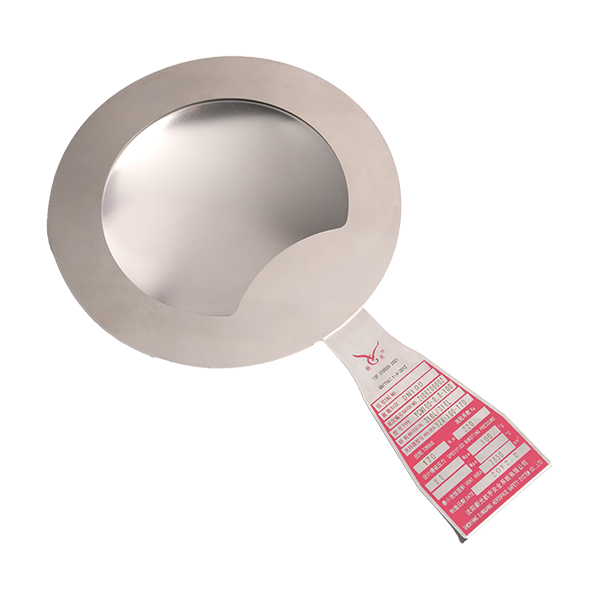
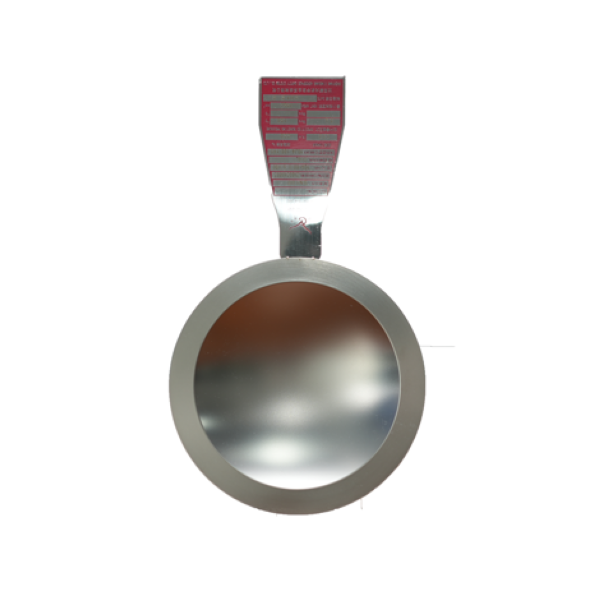
Unlike standard pipe gaskets, a rupture disk is a highly sensitive pressure-relief instrument. The torque applied to the flange studs directly dictates the clamping force transferred to the metal rupture disk. Applying incorrect torque—whether too much, too little, or applied unevenly—will fundamentally alter the disk's burst pressure, causing either premature failures or, worse, failure to burst during an emergency.
In this engineering article, we explore the mechanics of flange torque and why precision is non-negotiable for rupture disk integrity.
The Mechanics of the "Bite":
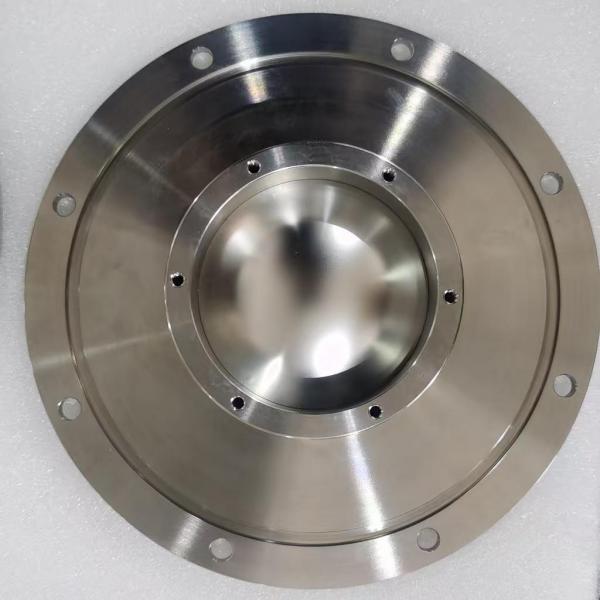
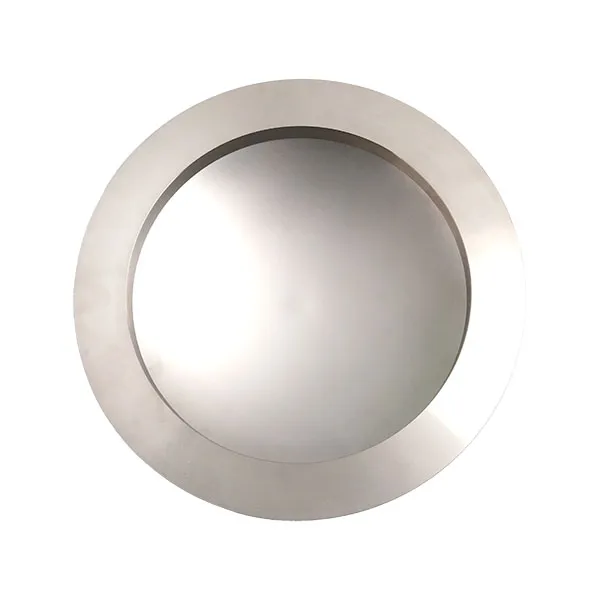
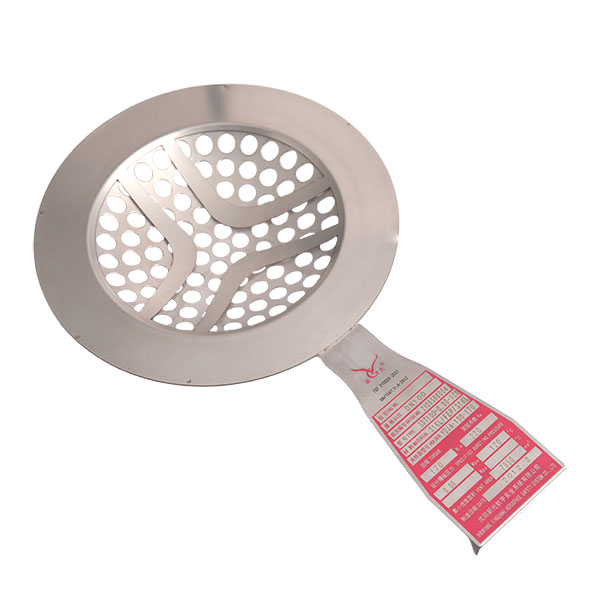
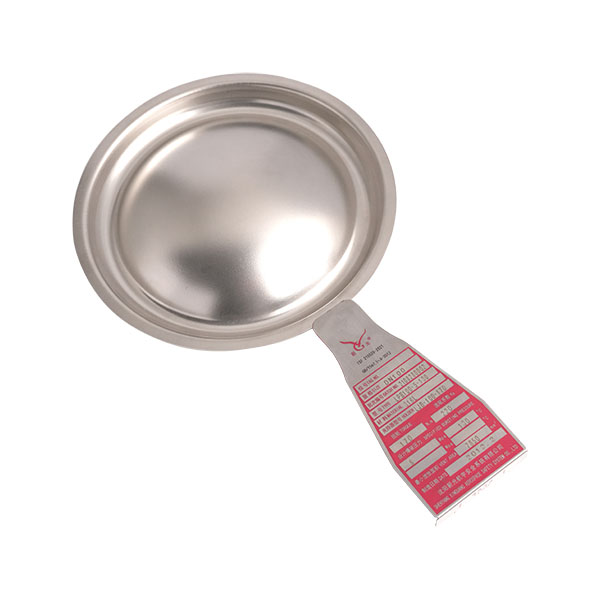
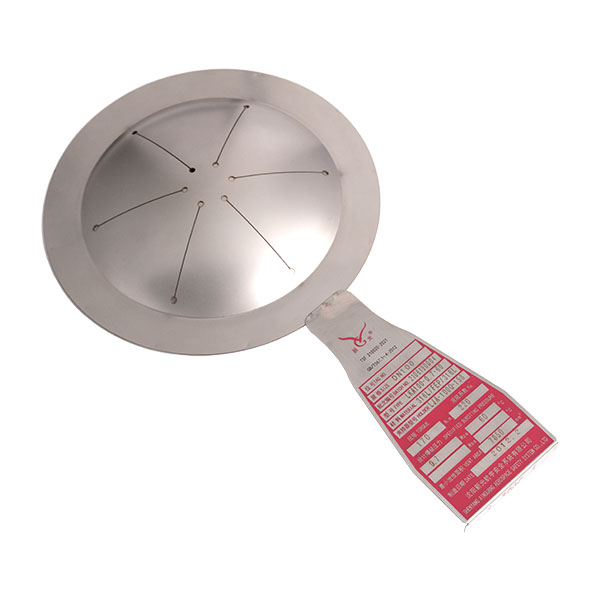
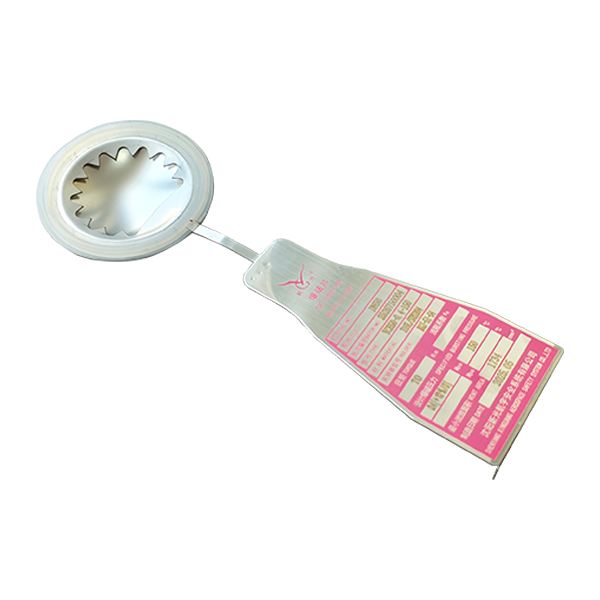
To understand why torque matters, you must understand how a metal rupture disk seals. Modern rupture disk holders typically utilize a metal-to-metal seal. The holder features a precision-machined angled seating area or a specific "bite ring."
When you tighten the flange bolts, you are forcing the holder to bite into the flat flange section of the rupture disk. This creates a bubble-tight, leak-proof seal without the need for rubber or graphite gaskets (which can blow out under high pressure).
The manufacturer calibrates the burst pressure of the metal rupture disk based on a very specific clamping force. Deviating from the required torque specs ruins this calibration.
The Dangers of Over-Torquing (Too Tight).
Many maintenance technicians mistakenly believe that tighter is always better, especially when trying to prevent fugitive emissions or toxic chemical leaks. But over-tightening flange bolts around a metal rupture disk causes severe damage:
Crushing the Seating Area: Excessive torque crushes the flat seating area of the disk beyond its yield point. This extreme compression forces the metal to flow inward toward the dome (the bursting area).
Wrinkling the Dome: As the metal is forced inward, the delicate dome begins to wrinkle or buckle. These wrinkles introduce massive internal stresses.
Lowering the Burst Pressure: Because the structural integrity of the dome is compromised, the disk will no longer hold its rated pressure. A metal rupture disk rated for 200 PSI might unexpectedly burst at 130 PSI during a standard operating cycle, causing a massive, unprovoked plant shutdown.
Damaging the Holder: Repeated over-torquing permanently deforms the precision bite ring of the expensive metal holder. Once the holder is damaged, no new disk will ever seat properly, resulting in permanent leaks until the holder is replaced.
The Dangers of Under-Torquing (Too Loose):
Failing to apply enough torque is equally problematic:
Fugitive Emissions and Leaks: The most obvious consequence is a failure to create a proper metal-to-metal seal. Process media (which could be toxic, flammable, or highly valuable) will leak into the atmosphere between the flanges.
Metal rupture disk slippage: When the system pressure rises, an under-torqued disk can literally slip or pull out from between the holder. Instead of bursting cleanly at the score lines, the disk tears at the edges or gets blown entirely down the vent pipe.
Fatigue Failure: Without sufficient clamping force, the disk can vibrate or shift slightly during normal pressure fluctuations. This micro-movement accelerates metal fatigue, again leading to premature rupture.
Best Practices for Proper Torquing:
To guarantee process safety and maximize the lifespan of your rupture disks, you must establish a strict torquing protocol:
Always use a Calibrated Torque Wrench: Never use an impact wrench or rely on "feel."
Follow Manufacturer Specifications: Every single rupture disk comes with an installation manual that states the exact torque value required (e.g., 65 ft-lbs). This value depends on the disk size, material, and holder design. Never guess.
Use the Crisscross Pattern: Tighten the studs in a star or crisscross pattern to ensure the load is applied evenly across the entire surface.
Step Tightening: Apply the torque in increments. Tighten all bolts to 25% of the final value, then 50%, then 75%, and finally 100%.
Lubricate the Studs: Ensure the flange studs and nuts are properly lubricated (with a suitable anti-seize compound) to achieve an accurate torque reading. Dry threads cause friction, meaning your torque wrench clicks early, resulting in an under-torqued disk.
Don't Let a Wrench Compromise Your Safety.
Installing a rupture disk is a precision task. Ensuring your piping teams are properly trained on torque procedures will eliminate a significant percentage of unexpected disk failures.
If you are experiencing continuous leaking issues or premature bursting, your safety heads might already be damaged from improper torque. Contact our rupture disk engineering team to request an evaluation, replacement parts, or propers, or proper installation training guides.
