
To the untrained eye, an industrial rupture disk might look like a simple piece of stamped metal. However, to a process safety engineer, it is a highly calibrated, precision-engineered, and incredibly delicate life-saving instrument.
When a new shipment of rupture disks arrives at your facility, the way your maintenance team unboxes and handles these components directly determines whether they will function correctly during a deadly overpressure event.
One of the most critical, yet frequently violated, rules in rupture disk installation is this: You must never, under any circumstances, touch the dome of the rupture disk with your fingers or any tools.
In this technical guide, we explain the engineering principles behind the disk dome and why mishandling it can lead to catastrophic safety failures.
The Anatomy of a Rupture Disk Dome.
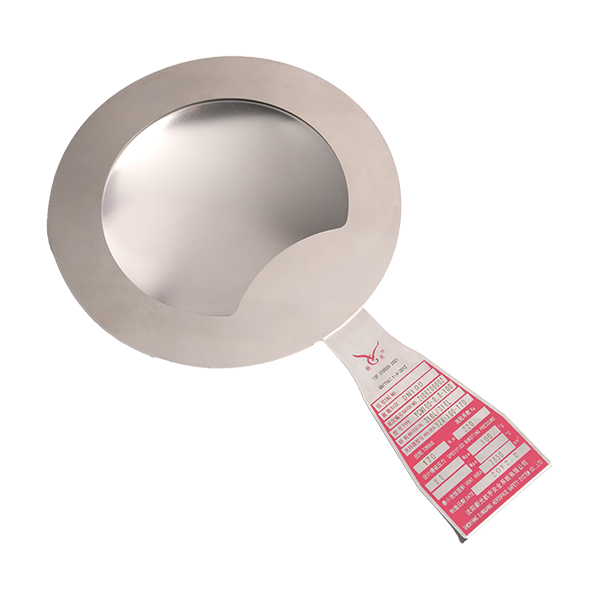
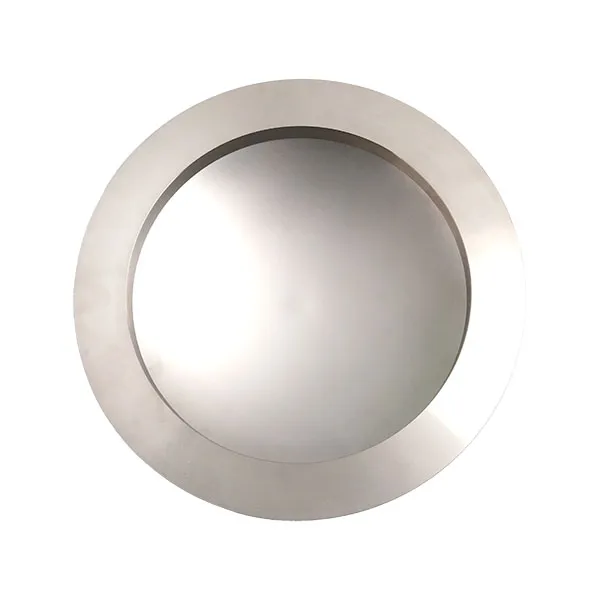
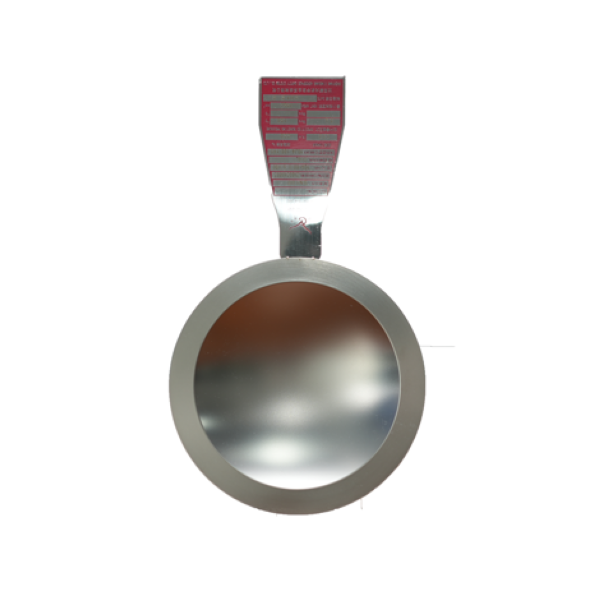
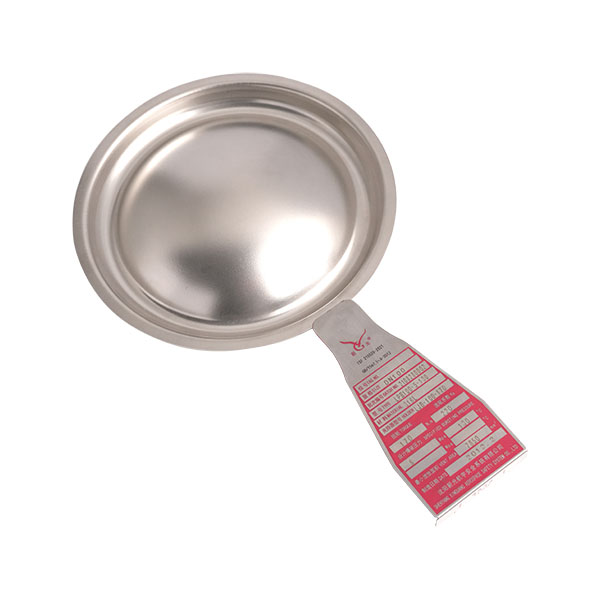
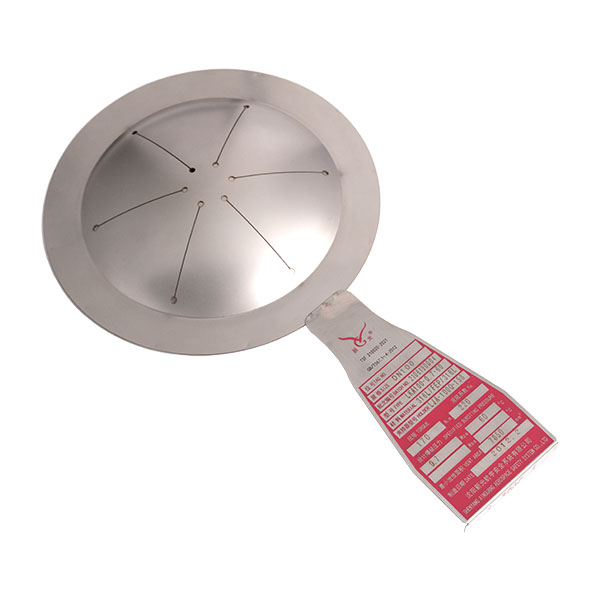
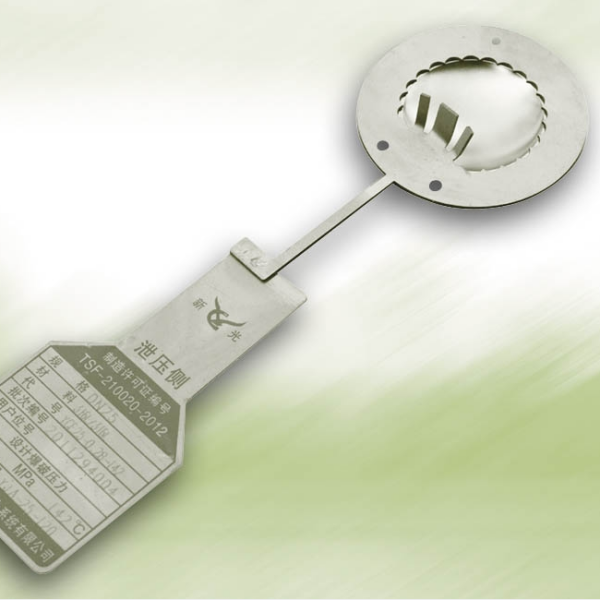
Whether you are using a forward-acting (tension-loaded) or a reverse-acting (compression-loaded) rupture disk, the "dome"—the curved, raised center section of the disk—is the active sensing element.
To achieve extremely precise burst pressures (sometimes with tolerances as tight as +/- 5%), manufacturers utilize advanced exotic alloys (such as Hastelloy, Monel, Inconel, or 316L Stainless Steel). The thickness of this metal dome is often shockingly thin. In low-pressure applications, the metal foil can be thinner than a human hair—sometimes just a few thousandths of an inch thick.
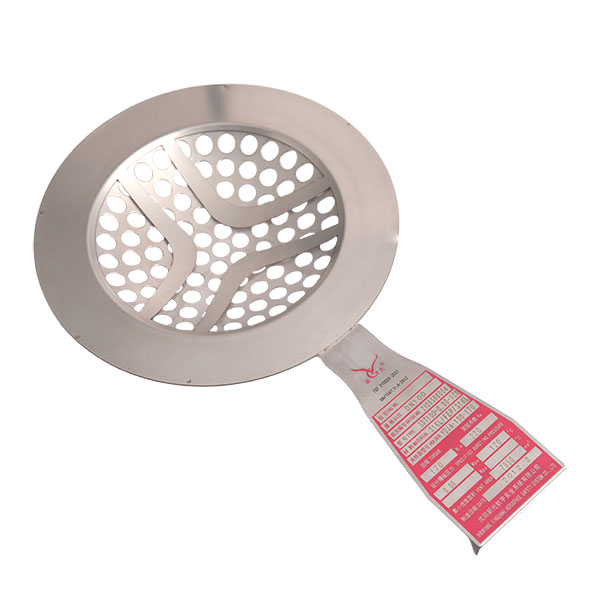
Furthermore, many disks feature laser-scored lines or mechanical indentations across the dome. These scores are designed to weaken the metal in a highly controlled manner, dictating exactly where and how the disk will tear open to provide full-bore pressure relief.
The 3 Disastrous Effects of Touching the Dome.
When a technician presses their thumb against the dome during installation, or accidentally bumps it against a pipe flange, three hidden but fatal things happen:
1. Micro-Denting and Stress Concentrators.
Because the material is extremely thin, even a light press with a finger can create an invisible micro-dent on the dome's surface. In the world of pressure engineering, a dent is a "stress concentrator." When system pressure is applied, the forces do not distribute evenly across the smooth dome. Instead, the pressure focuses on that micro-dent. This will inevitably cause the disk to fail prematurely (bursting at a lower pressure than intended), leading to unnecessary process shutdown and product loss.
2. Corrosive Fingerprint Oils.
Human skin naturally produces oils, sweat, and mild acids. When bare hands touch the dome, they leave behind fingerprint residue. If the rupture disk is installed in a high-temperature application, these organic oils can bake into the thin metal alloy. Over time, this causes localized pitting and corrosion. In highly aggressive chemical environments, this microscopic corrosion accelerates, rapidly degrading the burst precision of the disk and shortening its service life.
3. Damage to Laser Scoring.
For scored disks, running a finger across the scored lines can introduce dirt, debris, or alter the microscopic geometry of the score. If the score line is damaged, the disk may not open completely upon bursting. This is known as "fragmentation" or a "partial opening," which restricts the flow area and prevents the system pressure from escaping fast enough—a direct recipe for an explosion.
Proper Handling and Installation Best Practices.
To ensure 100% reliability of your pressure relief system, your maintenance crews must adopt strict handling protocols:
Always hold the disk by its edges or the tag:
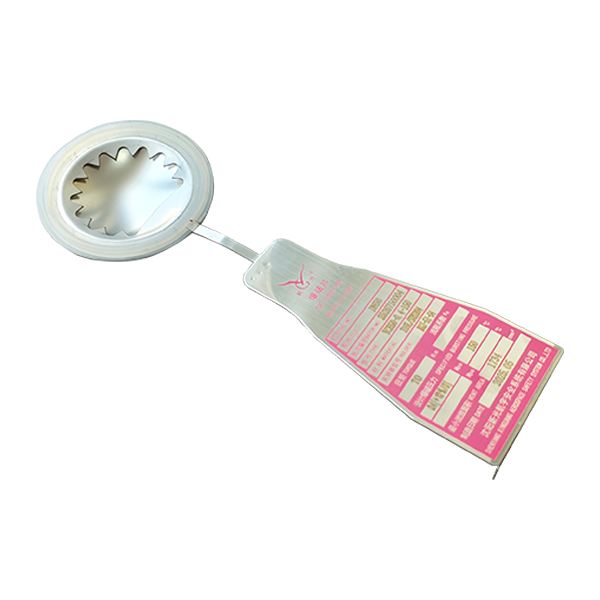
The outer flat flange area (the seating area) and the attached 3D flow-direction tag are the only places a disk should be held.
Keep it in the box until the last second:
Do not leave rupture disks lying exposed on workbenches. Keep them in their original protective packaging until the holder (safety head) is completely clean and ready to receive the disk.
Wear clean gloves:
Technicians should wear clean, lint-free cotton or nitrile gloves during installation to prevent oil transfer to the disk edges and holder seating surfaces.
Never try to "pop" a dent out:
If a disk is accidentally dropped or the dome is dented during handling, do not attempt to push the dent back out. The metallurgical structure is already permanently damaged. The disk is now scrap and must be discarded.
A rupture disk is only as reliable as the holder it sits in. By adding just 10 minutes to your maintenance procedure to properly clean and inspect the safety head, you can prevent dangerous emissions and extend the life of your replacement disks.
A rupture disk is a sacrificial device that protects millions of dollars of equipment and, more importantly, human lives. Treating it with the same care as a precision optical lens or a medical instrument is vital.
Ensure your maintenance team is fully trained on proper installation procedures. If you have any doubts about the condition of your rupture disks or need guidance on proper handling techniques, reach out to our technical support team. We provide comprehensive installation manuals and support to guarantee your process safety.
