
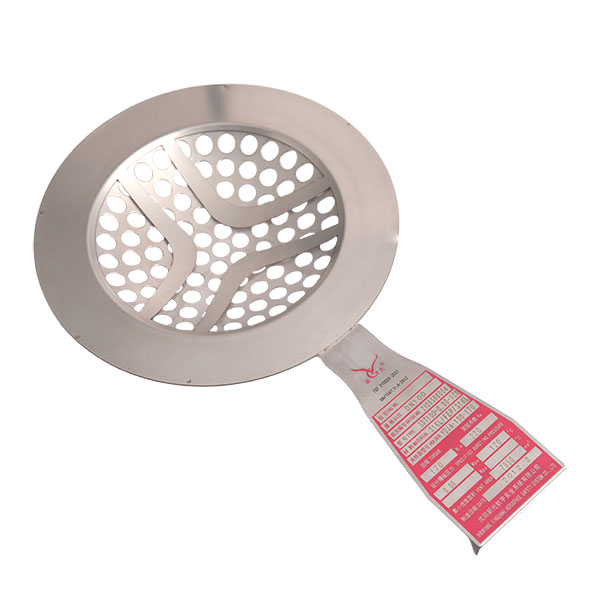
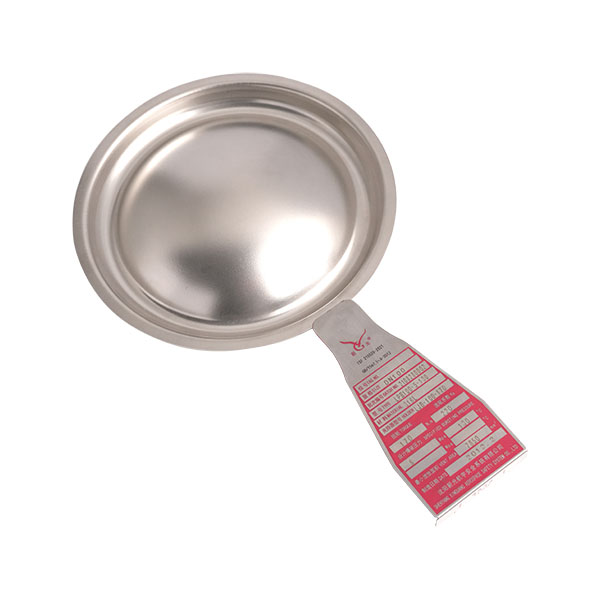
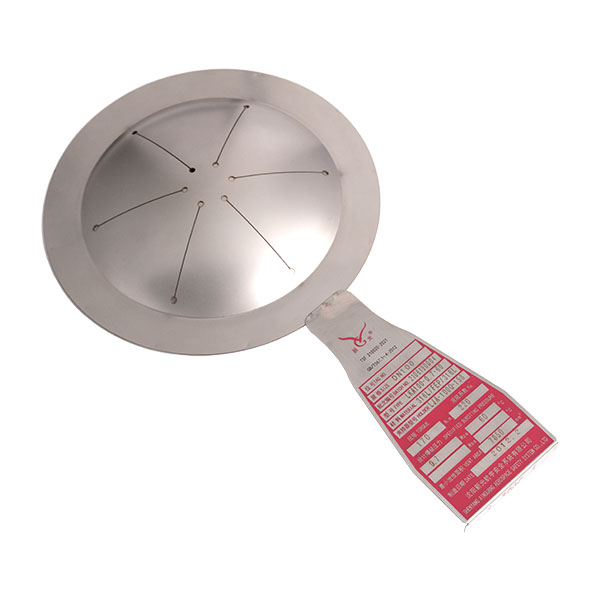
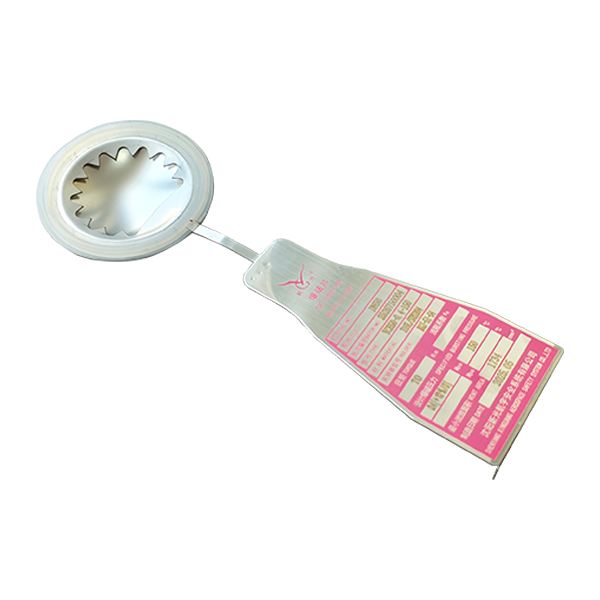
Many novice buyers mistakenly believe that a rupture disk is merely a simple metal disc designed to burst at a specific pressure. However, as a precision safety instrument, the operational performance of a rupture disk is strictly governed by physical limitations and manufacturing processes. Two of the most critical technical specifications in this regard are burst tolerance and operating ratio.
A Deep Dive into Burst Tolerance:
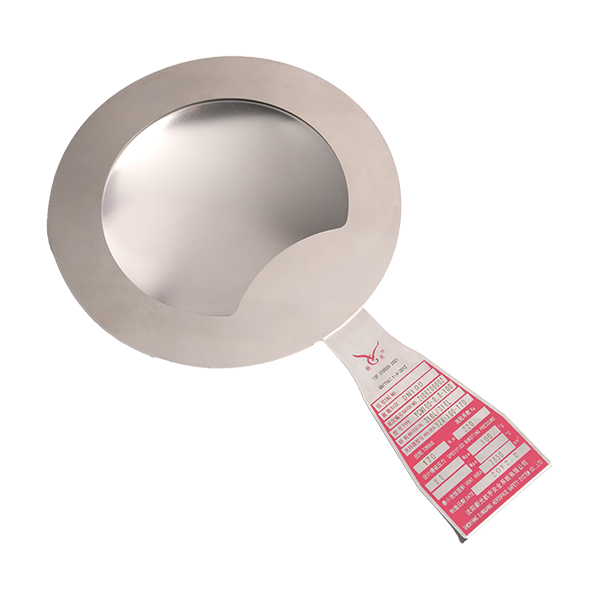
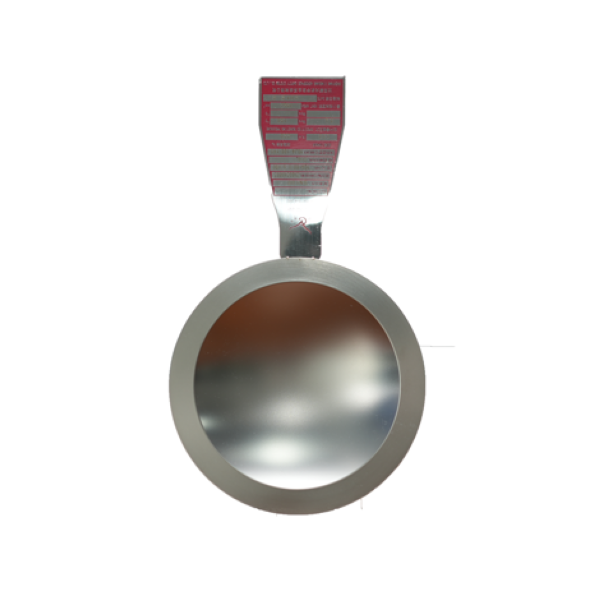
Burst tolerance refers to the permissible deviation between the actual burst pressure of a rupture disk and its specified set pressure (as indicated on the nameplate).
Physical Constraints: Even the world's most sophisticated machine tools cannot produce two metal membranes with absolutely identical physical properties.
Industry Standards: The industry-standard tolerance of ±5% implies that if the set pressure is 100 psi, a rupture disk bursting anywhere between 95 psi and 105 psi is considered a compliant product.
High-Precision Requirements: For certain ultra-low-pressure applications (such as tank breathing protection) or precision experimental environments, tolerances of ±2%—or even narrower—may be required. Achieving this level of precision relies on expensive material annealing processes and in-line laser monitoring technologies.
Operating Ratio and Its Impact on Service Life:
The operating ratio is defined as the ratio of the system's maximum operating pressure to the rupture disk's minimum burst pressure (calculated as the set pressure minus the tolerance).
Forward-Acting Rupture Disks: Typically, the operating ratio for these disks is between 70% and 80%. If the system pressure exceeds this ratio, the metal membrane may undergo "creep"—a gradual deformation under sustained stress—leading to premature fatigue failure.
Reverse-Acting Rupture Disks: This structural design permits a higher operating ratio, often reaching 90% or even 95%. Because the material is subjected to compressive forces rather than tensile forces, it exhibits superior resistance to cyclic pressure fluctuations.
The Pitfalls of the Manufacturing Design Range (MDR):
Many engineers overlook the MDR when selecting a rupture disk. The Manufacturing Design Range represents the permissible deviation in the average burst pressure that a manufacturer is allowed during production. For instance, an order specifying a "10% MDR" means that the nameplate pressure on the delivered rupture disk could be 10% higher or lower than the pressure you originally requested. To avoid this issue, high-end projects typically specify "Zero Range" rupture disks.
Engineer's Selection Recommendation:
When selecting a rupture disc, it is imperative to determine the operating ratio based on the frequency of process pressure fluctuations. If your system pressure approaches the rupture pressure, you must select a reverse-domed design; otherwise, frequent shutdowns for replacement will result in substantial maintenance costs.
