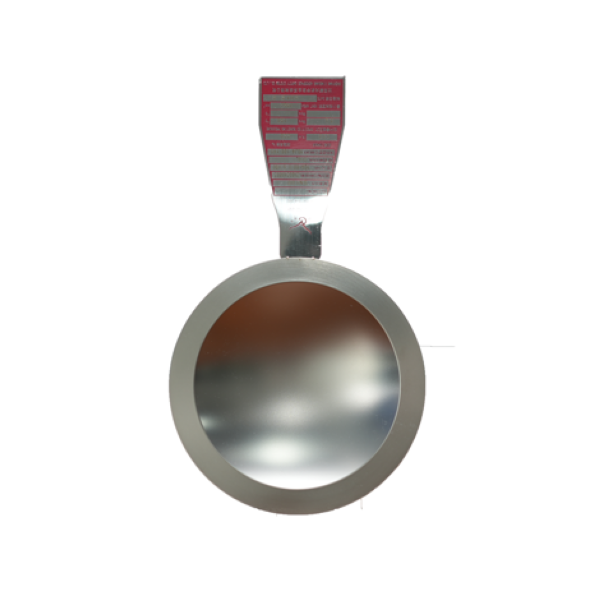
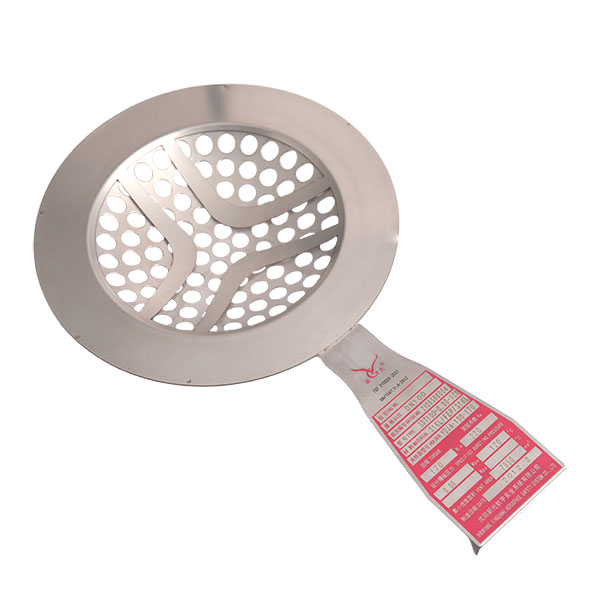
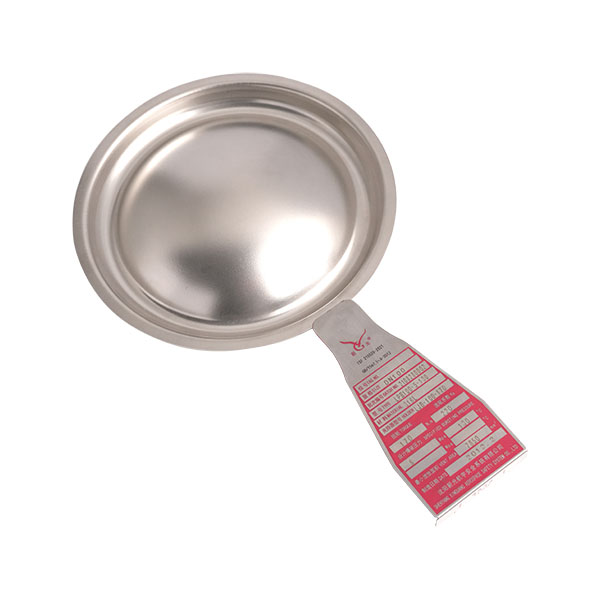
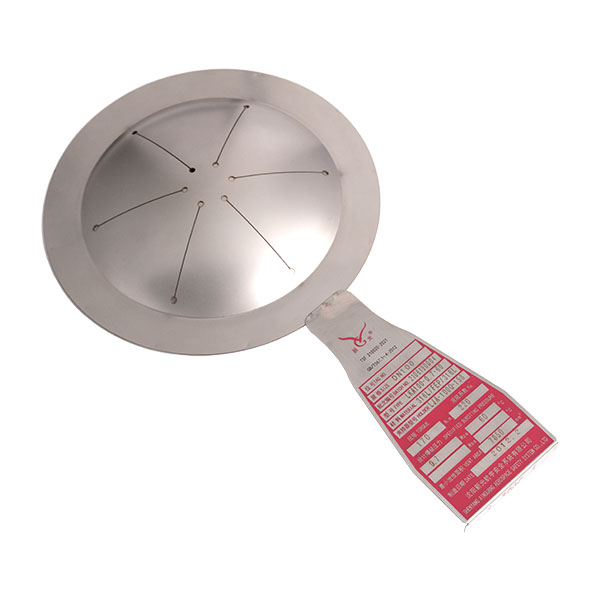
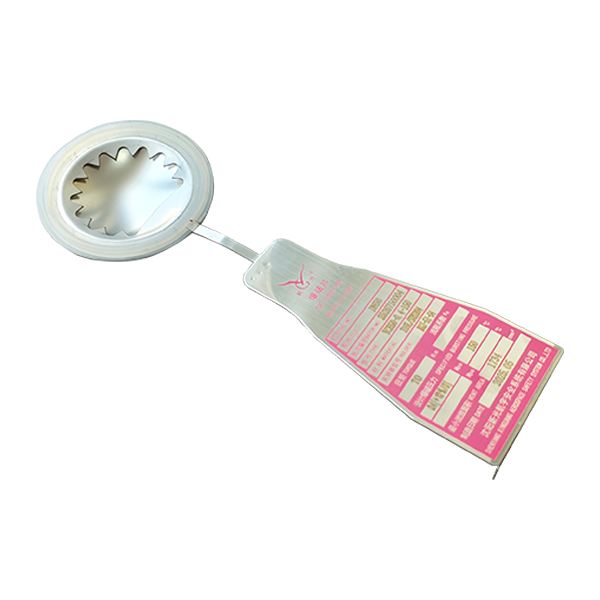
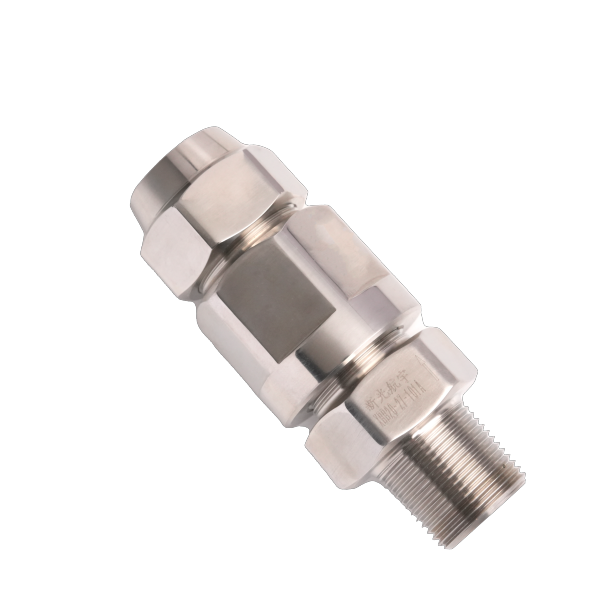
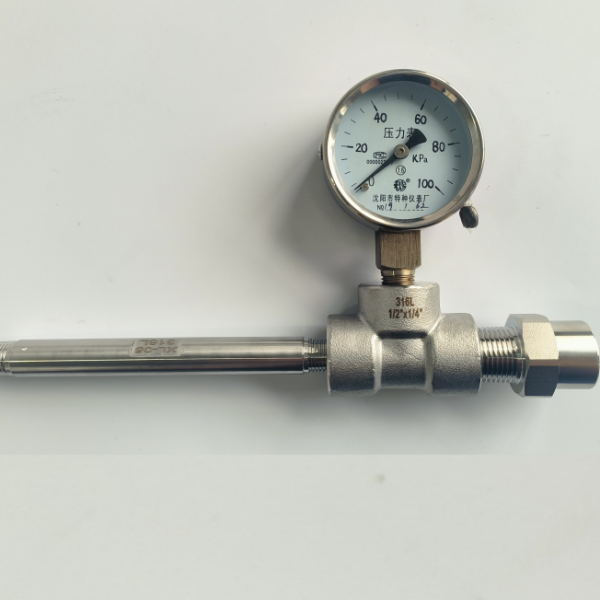
In the high-stakes world of industrial processing, safety is not just a regulatory requirement—it is the foundation of operational continuity. Among the various safety components used in pressure systems, the Pressure Relief Disk (also known as a rupture disk) stands as the most critical "last line of defense."
Whether you are managing a chemical plant, an oil refinery, or a pharmaceutical laboratory, understanding how a Pressure Relief Disk works and selecting the right one can prevent catastrophic equipment failure, protect your personnel, and minimize costly downtime.
1. What is a Pressure Relief Disk?
A Pressure Relief Disk is a non-reclosing, pressure-sensitive safety device designed to burst at a predetermined pressure and temperature. Its primary function is to provide an instantaneous opening for pressure relief, protecting pressure vessels, pipes, and other closed systems from overpressure or vacuum conditions.
Unlike a spring-loaded safety valve, a Pressure Relief Disk is a sacrificial component. Once it performs its duty by bursting, it must be replaced. However, this simplicity is its greatest strength, offering a leak-tight seal and a faster response time than almost any other relief technology.
2. How Does a Pressure Relief Disk Work?
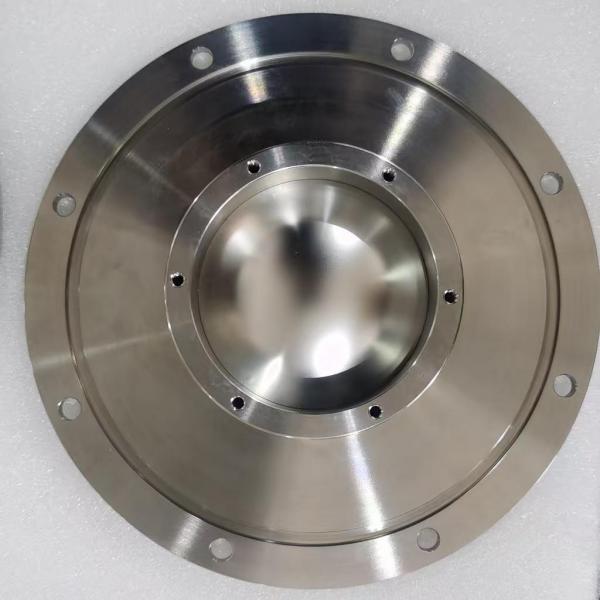
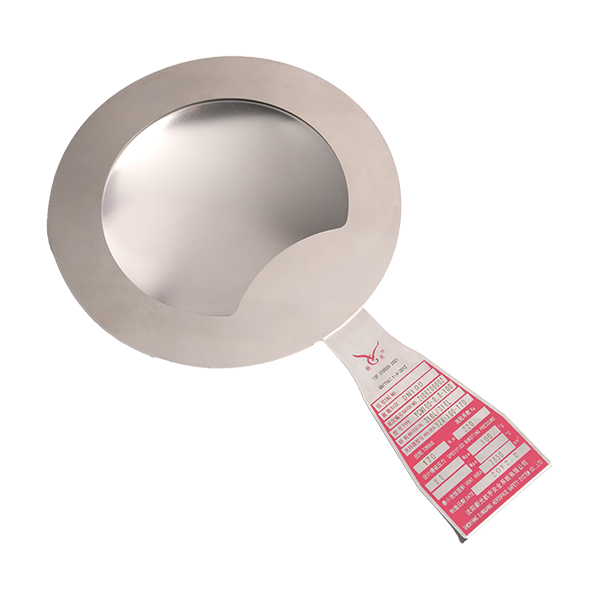
The mechanics of a Pressure Relief Disk are rooted in precision engineering. The disk is installed between two flanges in a dedicated holder. When the system pressure reaches the "burst pressure" for which the disk was designed, the material's tensile strength is exceeded, causing the disk to rupture.
This process allows the excess media (gas, liquid, or steam) to exit the system rapidly, bringing the internal pressure back down to safe levels. Because there are no moving parts, a Pressure Relief Disk can respond to pressure spikes in milliseconds, making it ideal for highly volatile applications.
3. Key Types of Pressure Relief Disks.
Not all industrial environments are the same, which is why we offer several variations of the Pressure Relief Disk to meet specific needs:
A. Forward-Acting Disks (Tension Loaded).
In this design, the pressure is applied to the concave side of the disk. As the pressure rises, the metal stretches until it reaches its breaking point. These are versatile and widely used in both high and low-pressure applications.
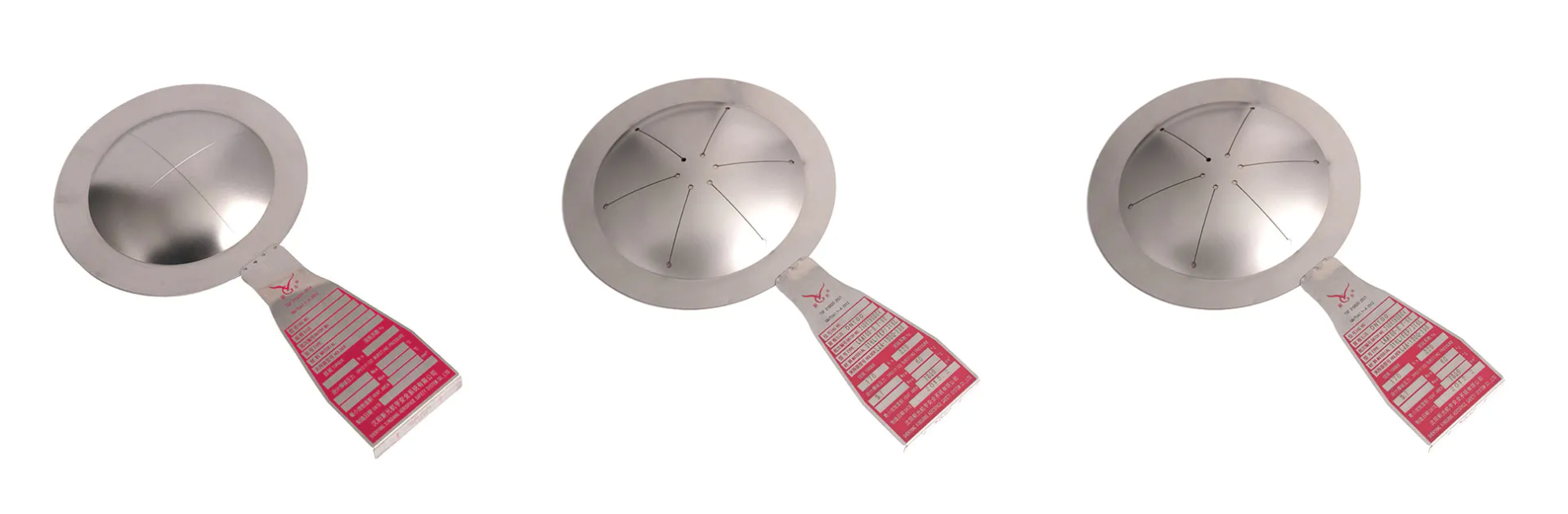
B. Reverse-Acting Disks(Compression Loaded).
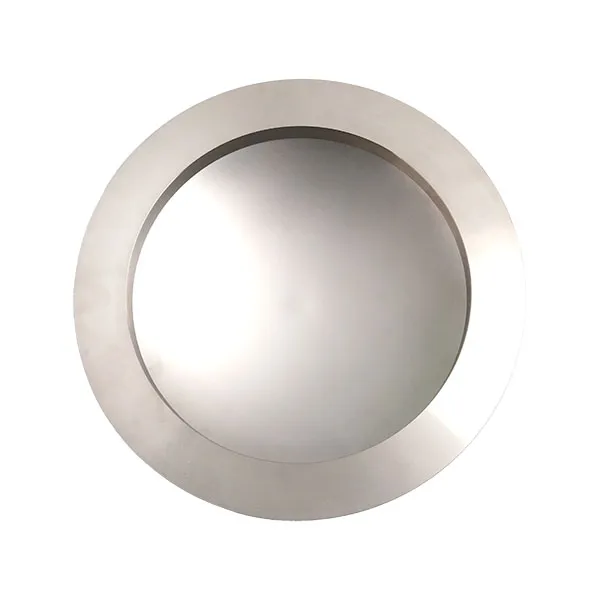
Here, the pressure is applied to the convex side. When the burst pressure is reached, the disk dome collapses and snaps through, usually being cut by a knife blade or a scoring line. These disks are known for their durability and ability to operate at pressures up to 90-95% of their rated burst pressure.
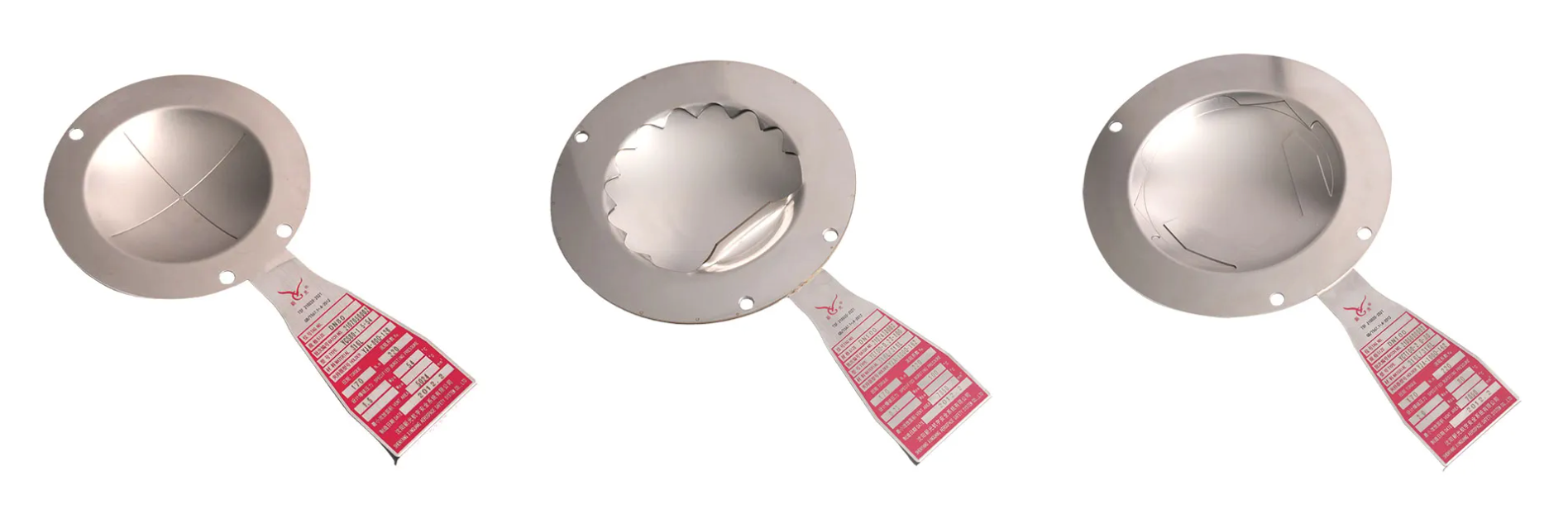
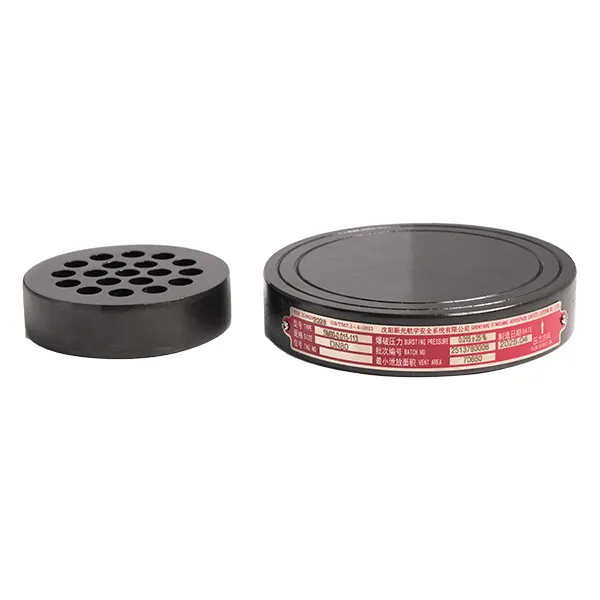
C. Graphite Pressure Relief Disks.
Ideal for highly corrosive environments where metal alloys might fail, graphite disks offer excellent chemical resistance and are frequently used in the chemical processing industry.