
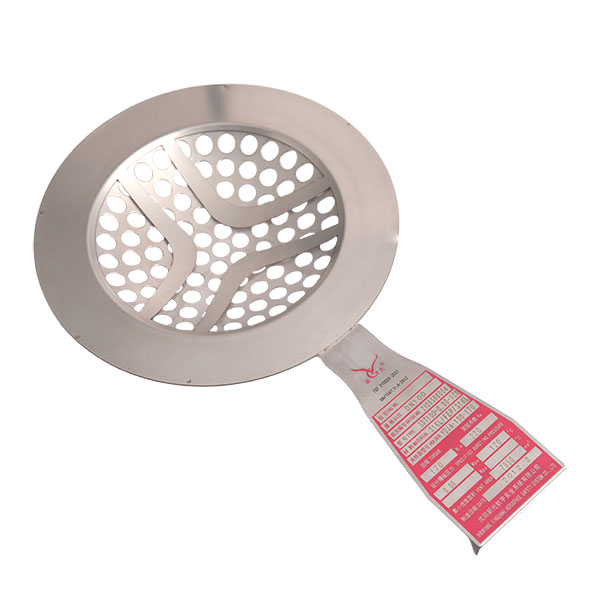
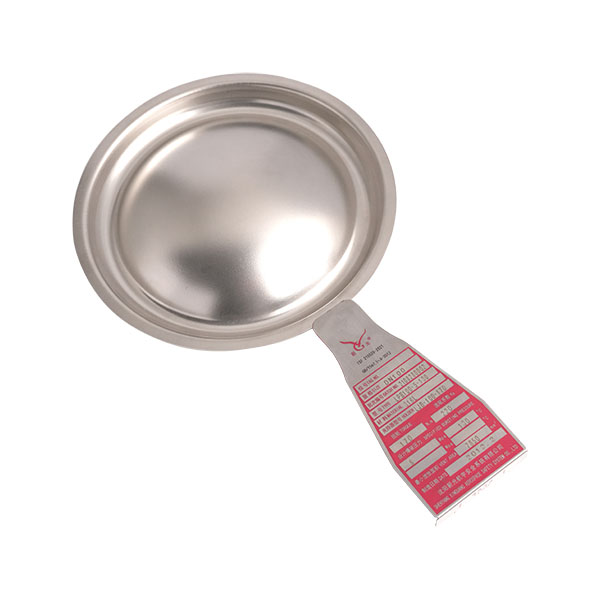
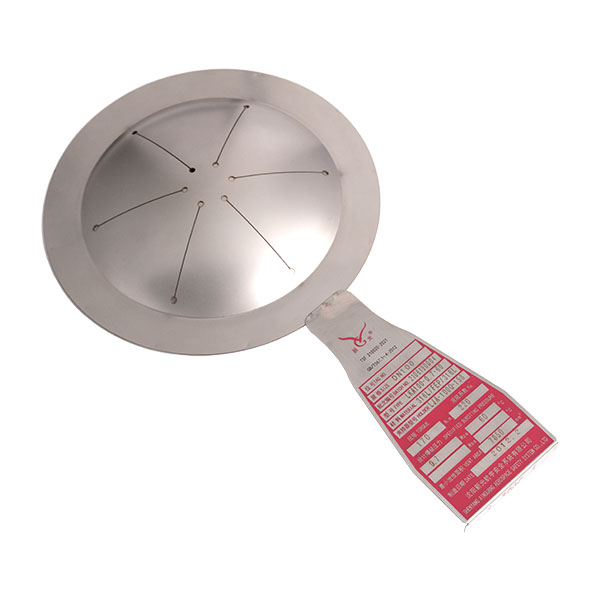
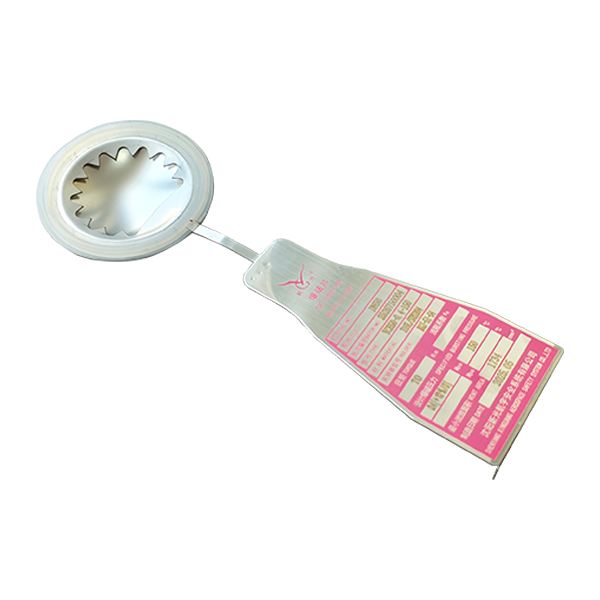
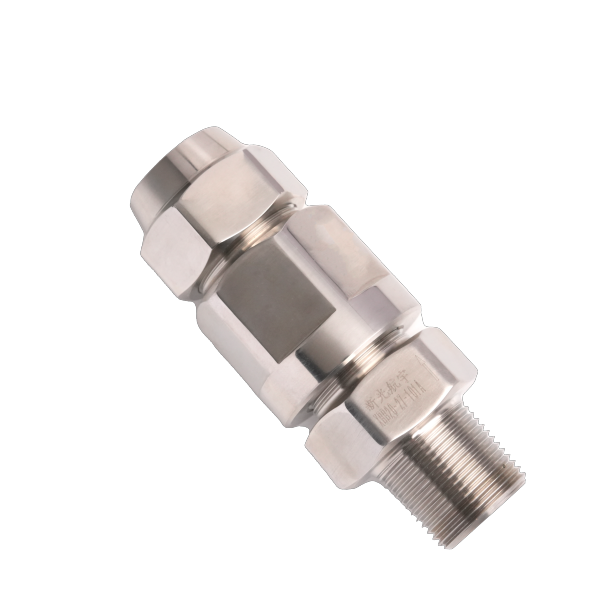
In pressure vessels and piping systems, overpressure protection is critical for safe operation. Two common types of devices are often confused: Safety Relief Valves and safety valves. To be clear, Safety Relief Valves are not standalone valves — they are a set of components used together with a bursting disc and a safety valve.
Bursting Disc Safety Relief Valves.
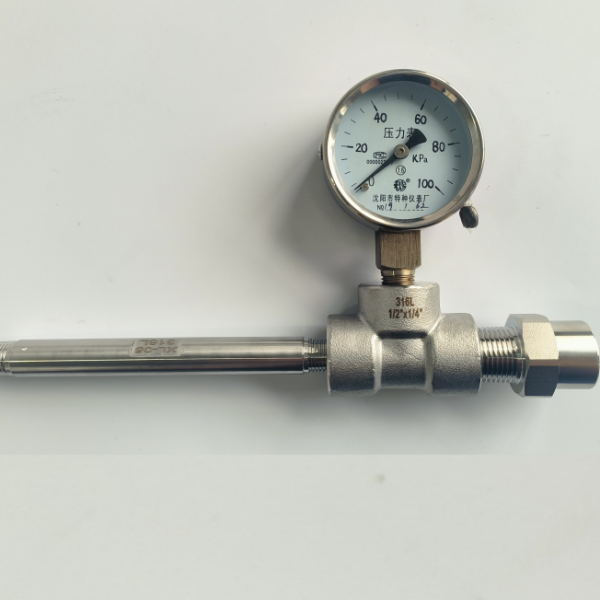
Safety Relief Valves consist of a pressure gauge, a relief valve, a tee, and connecting pipes. They must be installed in the cavity between the bursting disc and the safety valve. Their job is to vent that cavity to the atmosphere, keeping the pressure at zero and preventing backpressure from building up — which could interfere with the bursting disc’s accurate activation. The relief valve allows you to adjust flow and achieve zero leakage, while the pressure gauge monitors whether the bursting disc has ruptured or is leaking. This setup is used whenever a bursting disc and safety valve are installed in series, or in any enclosed space where backpressure needs to be eliminated.
Safety Valve.
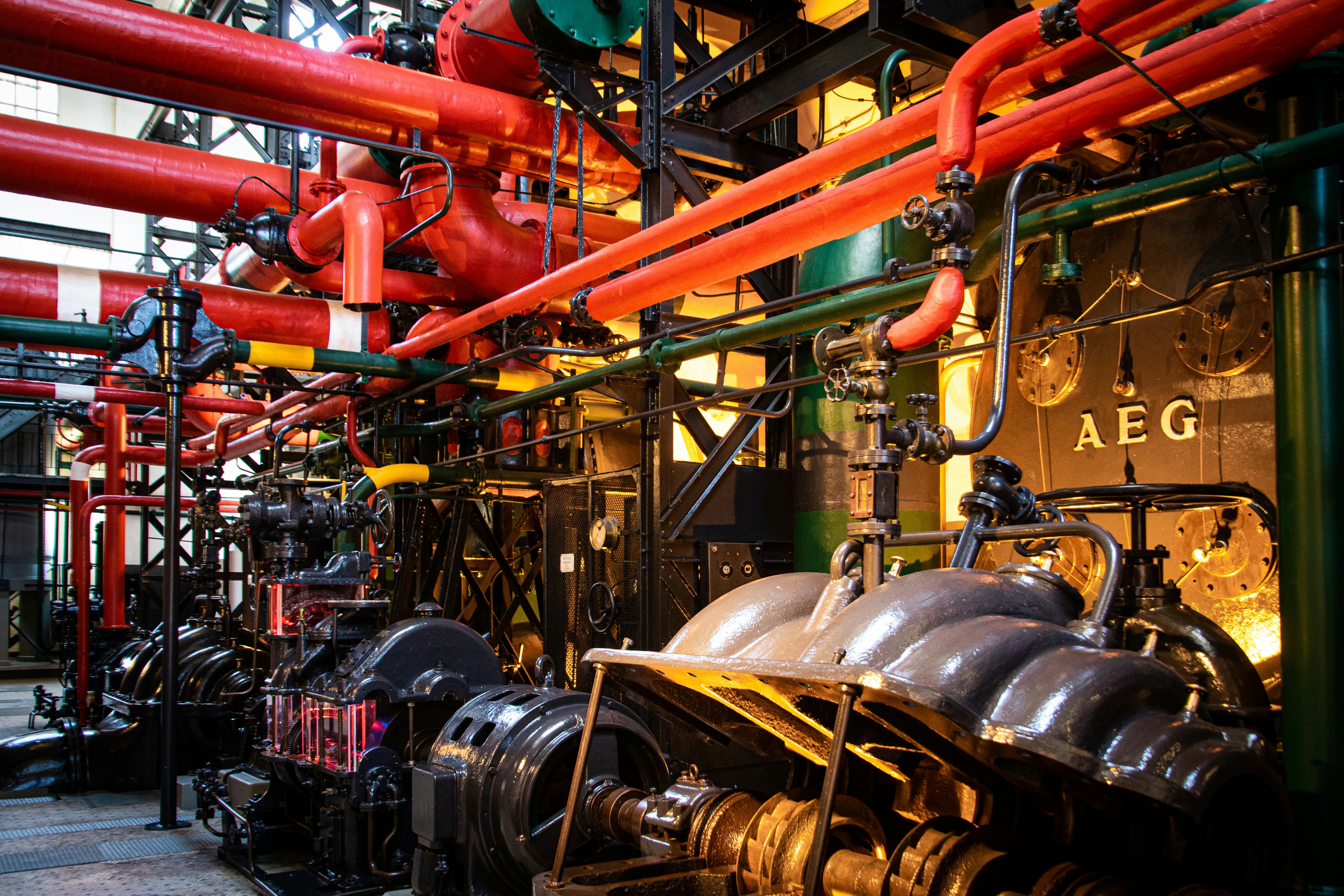
A safety valve is a reusable automatic valve that stays closed using a spring or pilot pressure. When system pressure exceeds its setpoint, the valve disc lifts to release pressure; once pressure drops back down, it closes again. The main advantage of a safety valve is that it can cycle multiple times without needing a shutdown or replacement. That makes it a good fit for applications where overpressure might happen repeatedly. However, safety valves have moving parts, respond relatively slowly, can develop minor leakage over time between the disc and seat, and are sensitive to backpressure. Typical calibration interval is once a year.
Key Differences Between Bursting Disc Safety Relief Valves and a Safety Valve.
The fundamental difference lies in their role. Bursting Disc Safety Relief Valves are an accessory — they can’t be used alone; they must work with a bursting disc and a safety valve. A safety valve, on the other hand, is a standalone device.Function-wise, Safety Relief Valves maintain zero backpressure in the intermediate cavity, monitor the bursting disc’s condition, and ensure zero leakage. The safety valve’s job is to open and relieve pressure when a setpoint is exceeded, then reset automatically. For sealing performance: when you pair a bursting disc with Bursting Disc Safety Relief Valves, you get true zero leakage — ideal for toxic or high-value media. A standalone safety valve, even brand new, allows a tiny amount of leakage by design.What happens after activation? Bursting Disc Safety Relief Valves themselves don’t actuate. If the bursting disc bursts, you’ll need to shut down and replace it — but Bursting Disc Safety Relief Valves can stay in place. A safety valve, after opening, resets on its own and doesn’t need replacement.
Which One Fits Your System?
Whether you need Bursting Disc Safety Relief Valves depends on whether your system uses a bursting disc in series with a safety valve. If you’re using just a standalone safety valve, you don’t need Bursting Disc Safety Relief Valves. But if your fluid is corrosive, viscous, prone to crystallization, toxic, expensive, or cannot leak at all, then you should install a bursting disc upstream of the safety valve — and in that case, you must put Bursting Disc Safety Relief Valves in the cavity between them. Otherwise, trapped backpressure will prevent the bursting disc from functioning correctly. This series setup is common in pharmaceuticals, chemicals, oil & gas, and food processing.
Bursting Disc Safety Relief Valves are a combination of a pressure gauge, relief valve, tee, and piping. They are used when a bursting disc and a safety valve are installed in series, to keep the cavity at zero backpressure and monitor the bursting disc’s condition. The safety valve is a reusable, independent pressure relief valve. Bursting Disc Safety Relief Valves are not valves on their own — they are auxiliary components that work alongside both a bursting disc (for power industry applications) and a safety valve. When selecting hardware: if your fluid cannot leak at all or tends to clog a safety valve, go with the series combo plus Bursting Disc Safety Relief Valves. If your fluid is clean and a tiny leakage is acceptable, a standalone safety valve will do the job.
