
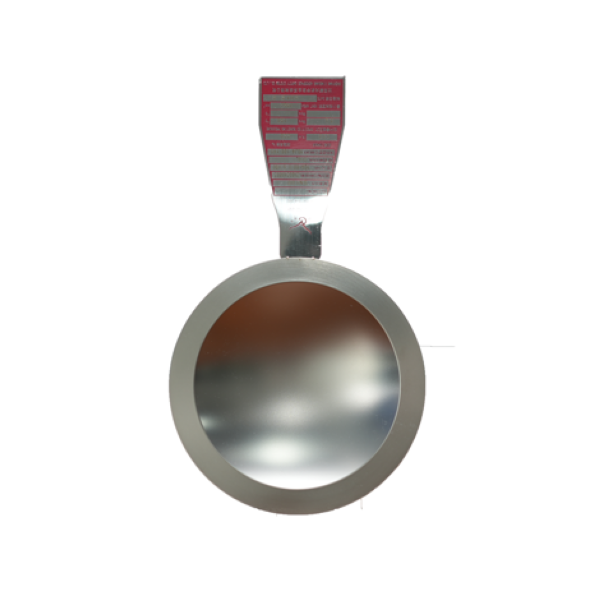
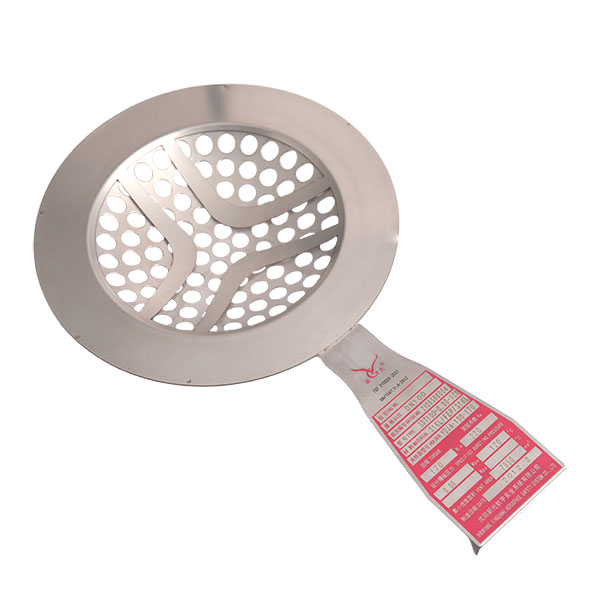
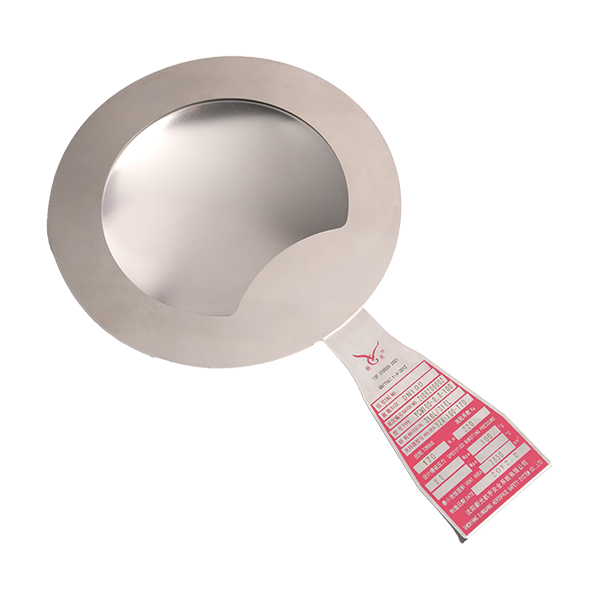
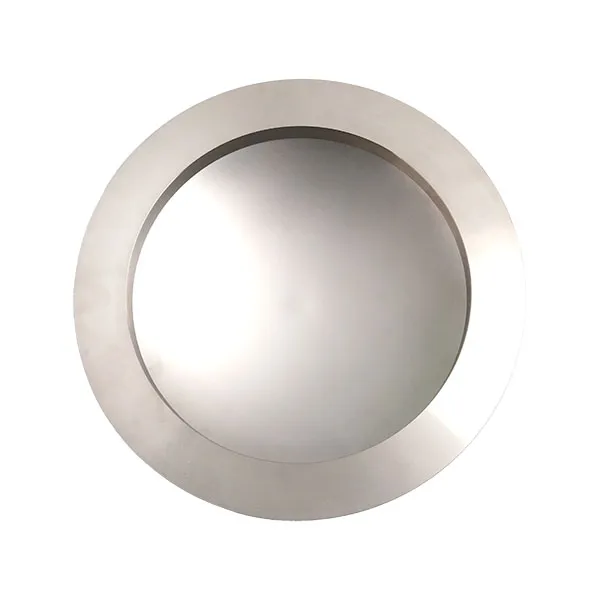
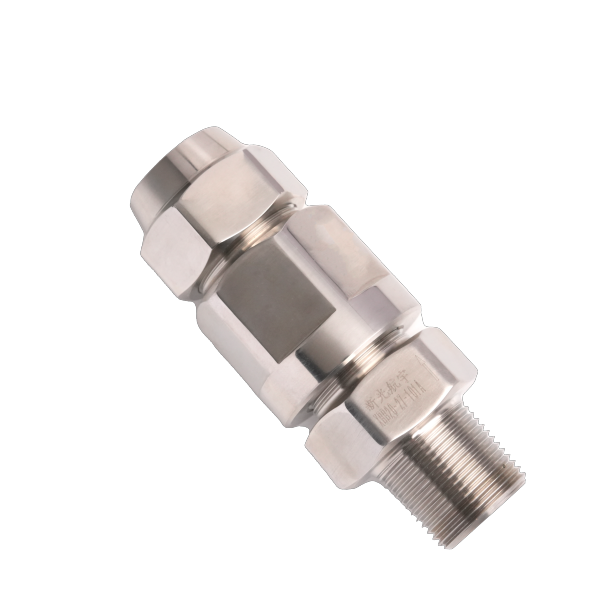
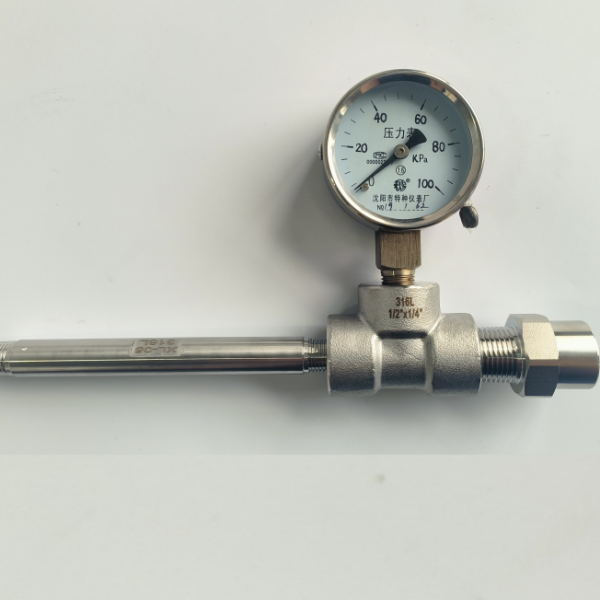
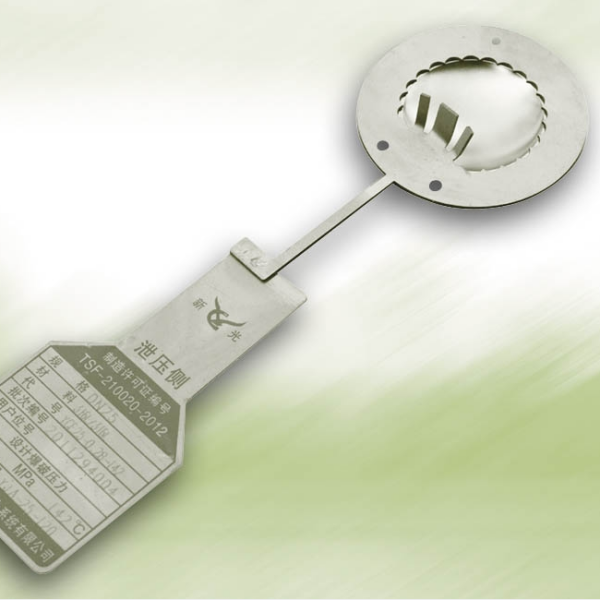
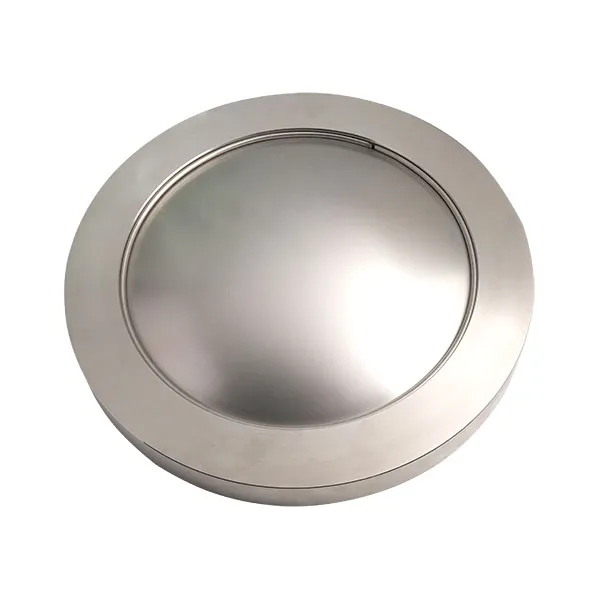
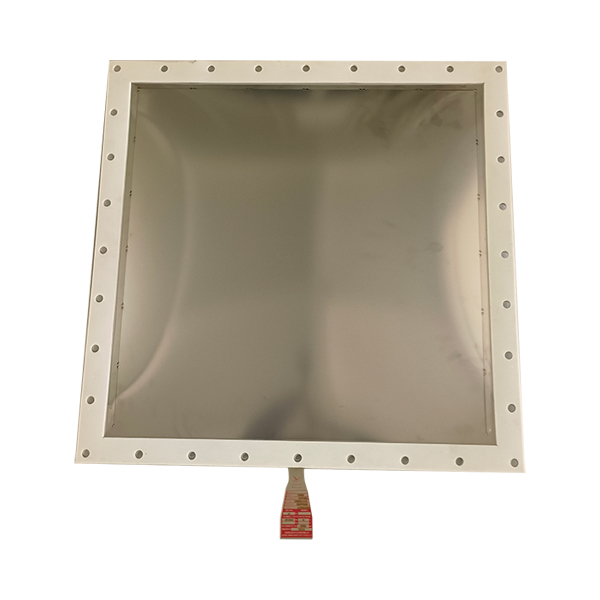
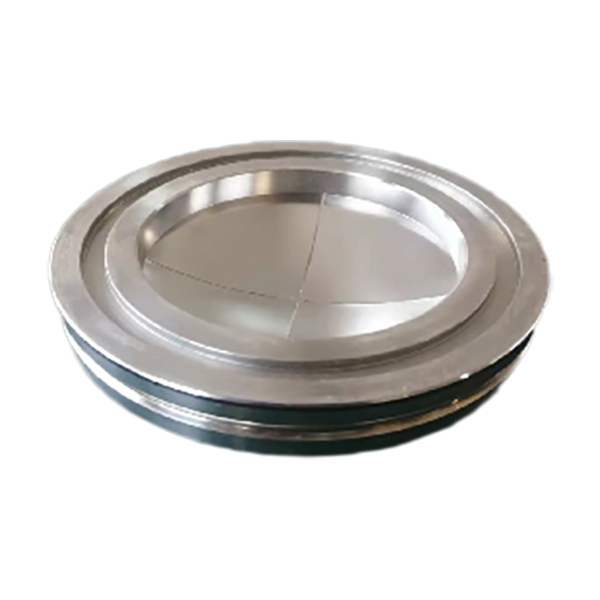
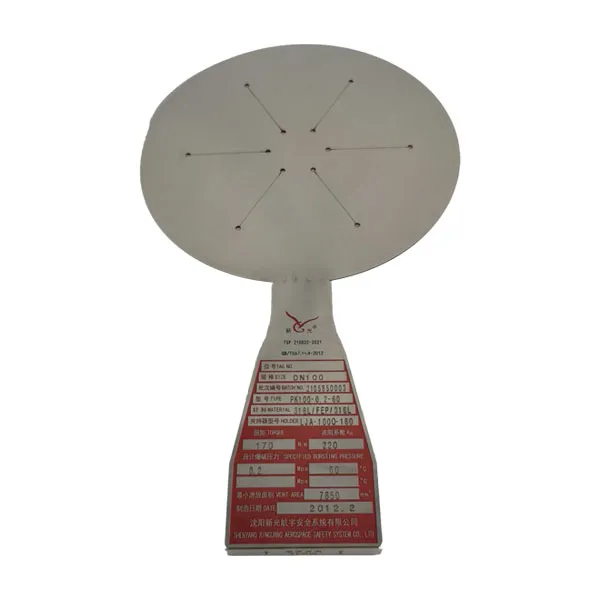
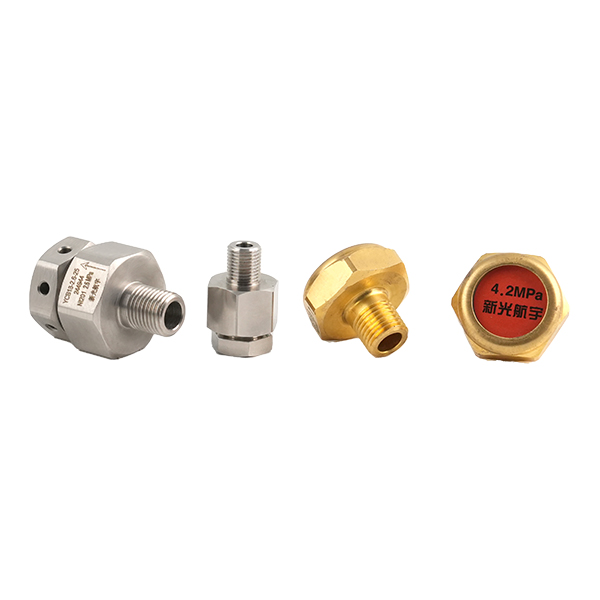
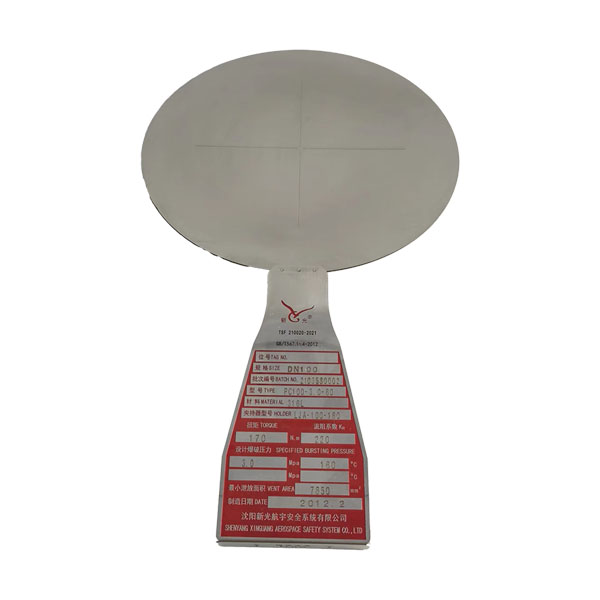
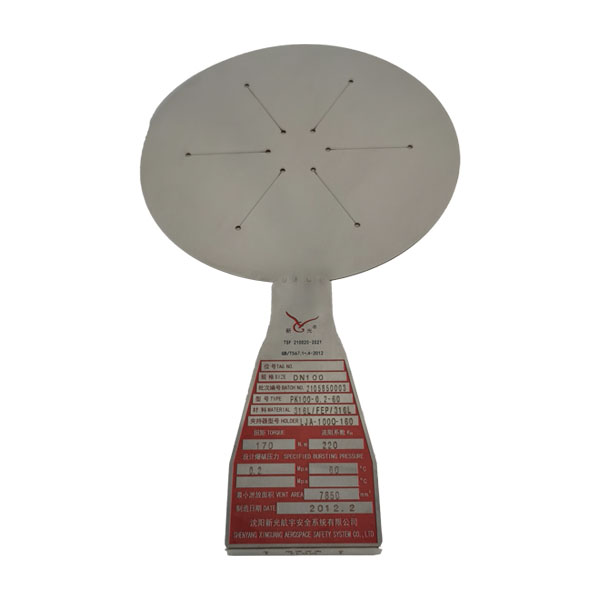
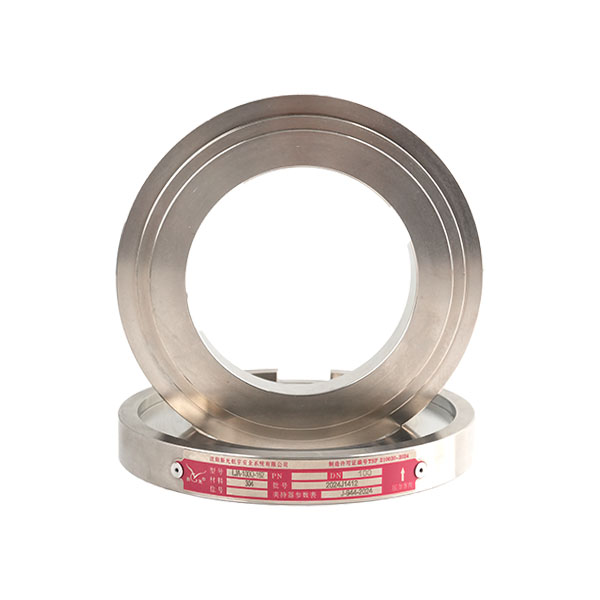
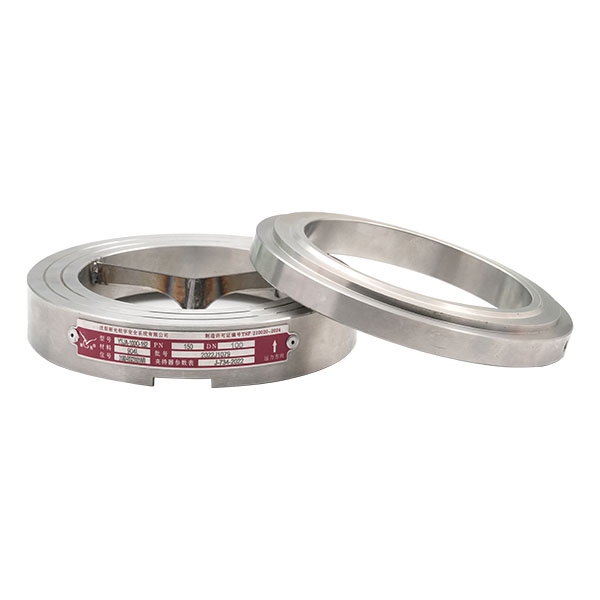
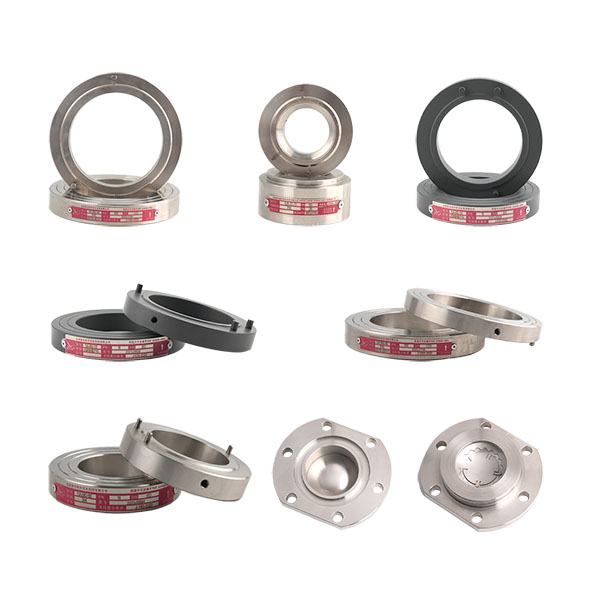
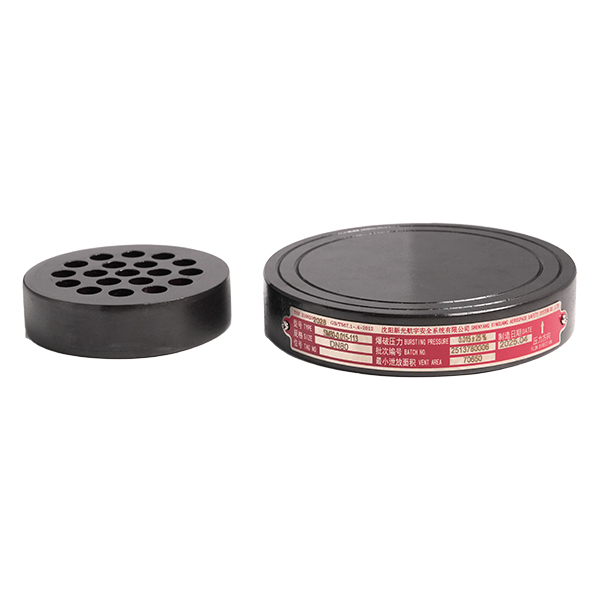
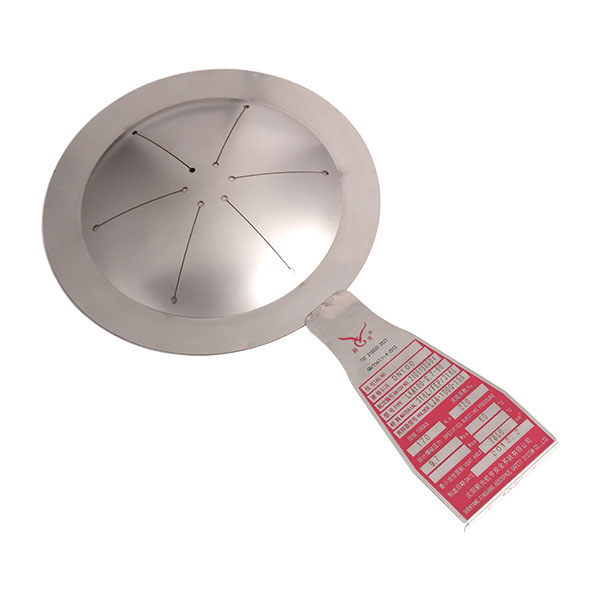
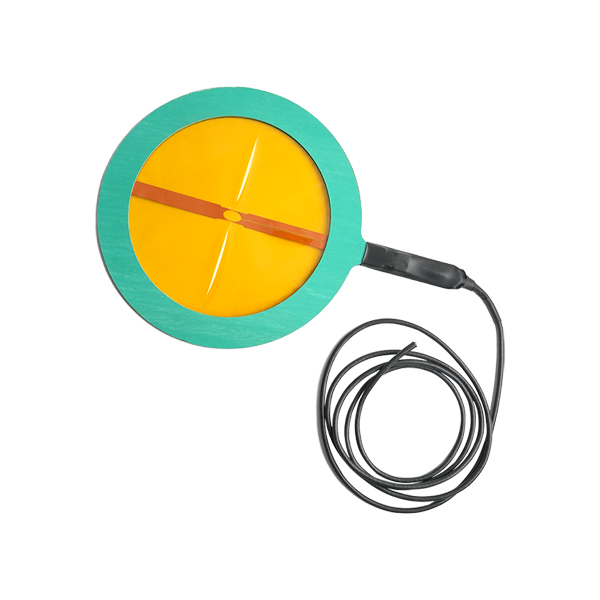
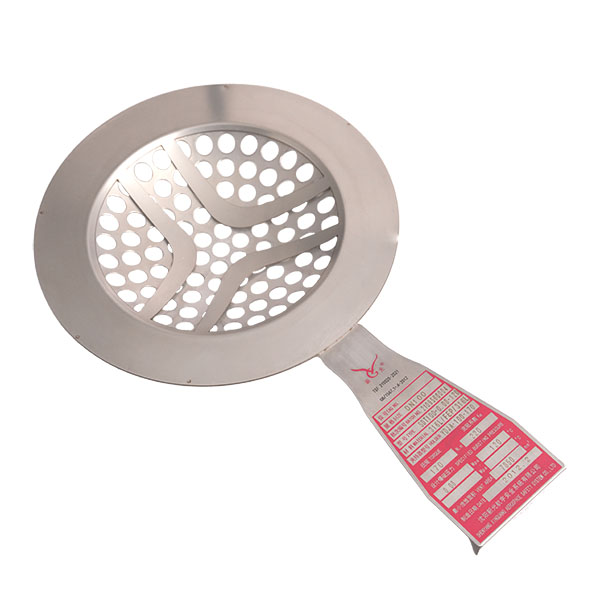
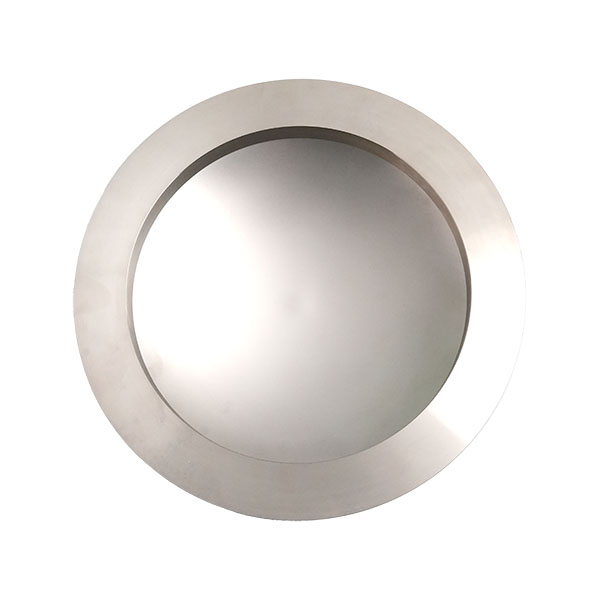
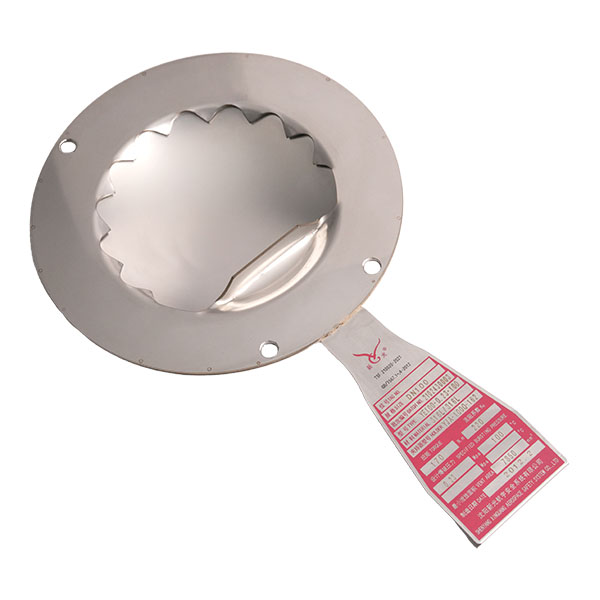
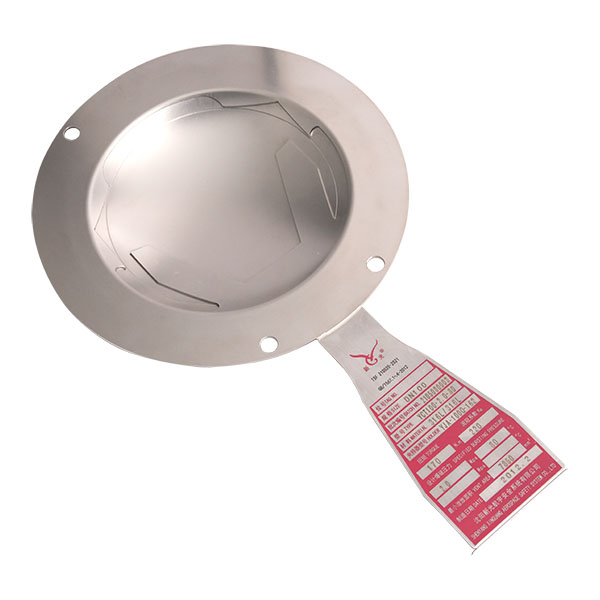
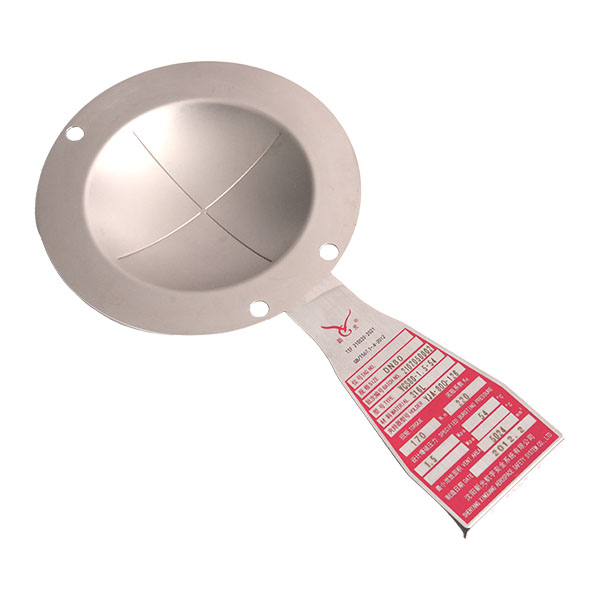
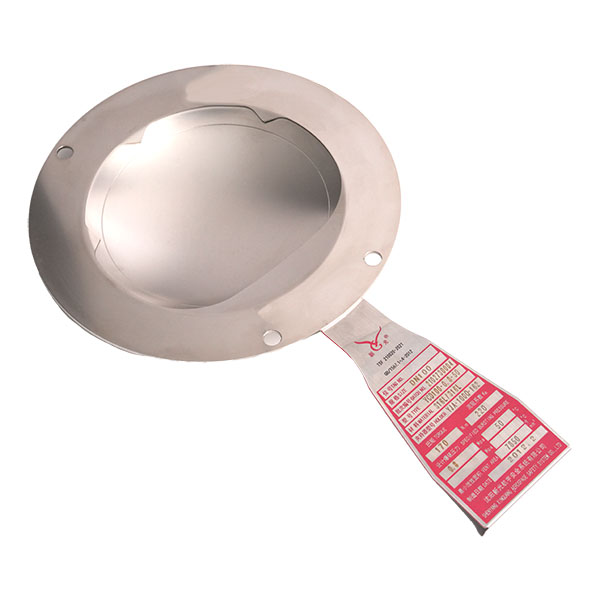
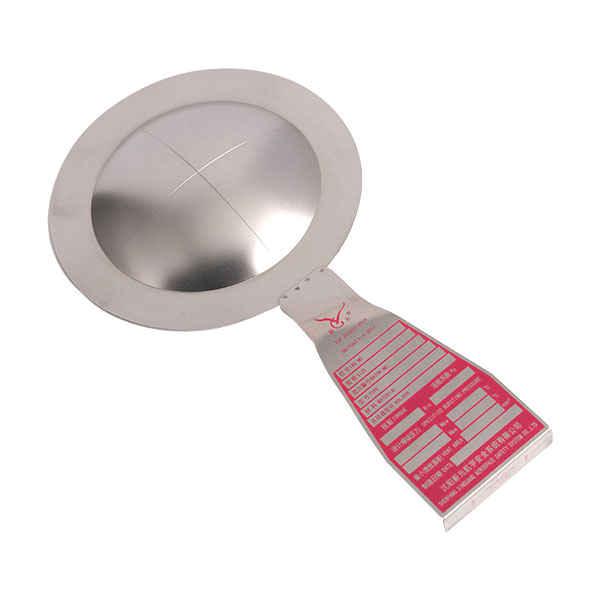
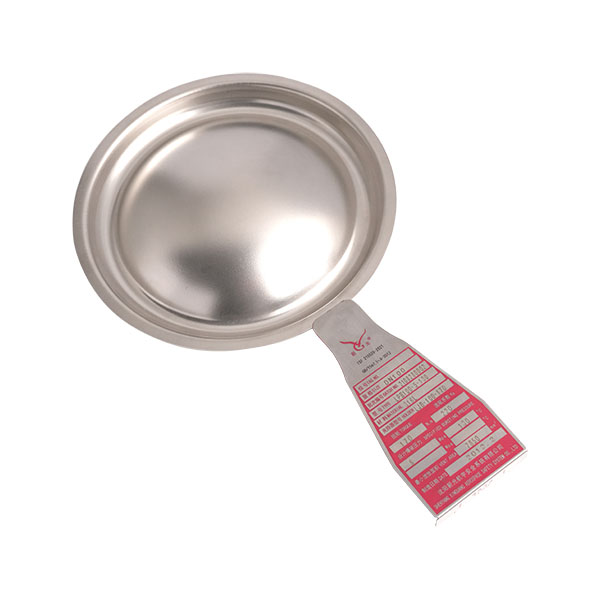
The working principle of rupture disc is based on the application and design of the mechanical properties of materials. In essence, a rupture disc is a sheet-like element made of a specific material with a predetermined strength and shape. It is installed in a gripper and connected to equipment or pipes. Under normal operating conditions, it can withstand system pressure and maintain a sealed state. When the pressure in the system continues to rise due to abnormal working conditions and reaches or exceeds the predetermined burst pressure of the rupture disc, the rupture disc will quickly rupture or fall off, so that the medium in the equipment can be quickly discharged, so as to control the system pressure within a safe range, to avoid serious accidents such as equipment damage, leakage or even explosion due to overpressure.
The realization of this process is due to the precise control of the material properties and structural design of rupture disc. In terms of material selection, according to different application scenarios and media characteristics, rupture disc can be made of stainless steel, nickel-based alloy, hastelloy, graphite, fluoroplastic and other materials. For example, in the environment of highly corrosive media, the selection of hastelloy or fluoroplastic materials with excellent corrosion resistance can prevent rupture disc from being eroded by the medium during long-term operation and maintain stable performance. Under high temperature and high pressure conditions, the choice of high-strength nickel-based alloys can withstand pressure loads under extreme conditions through their good heat resistance and mechanical properties.
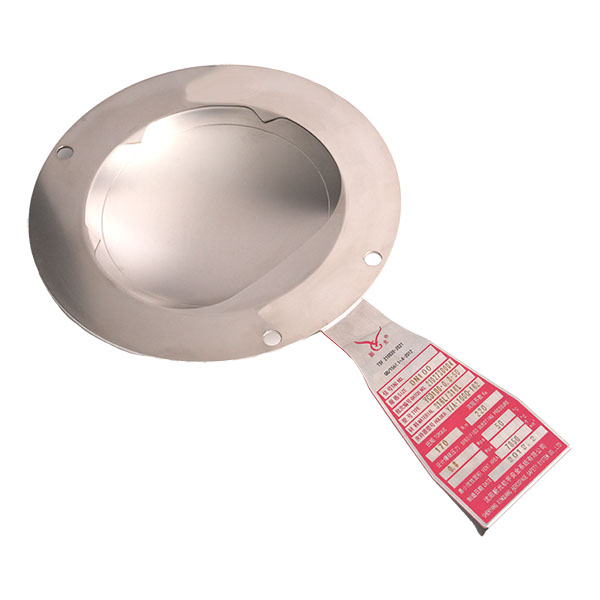
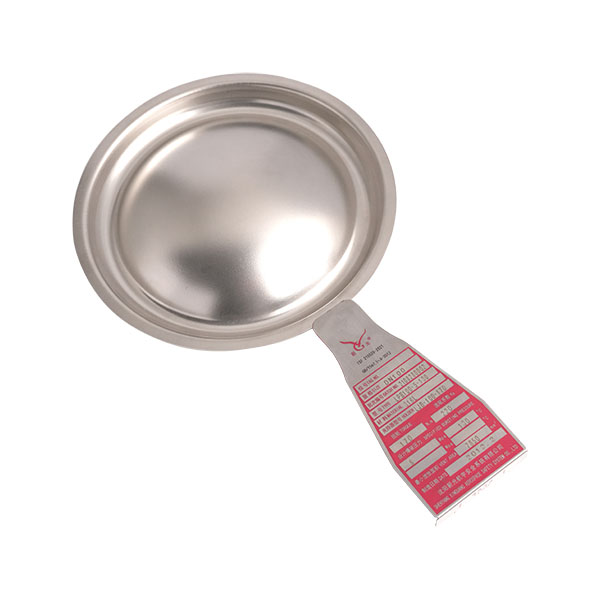
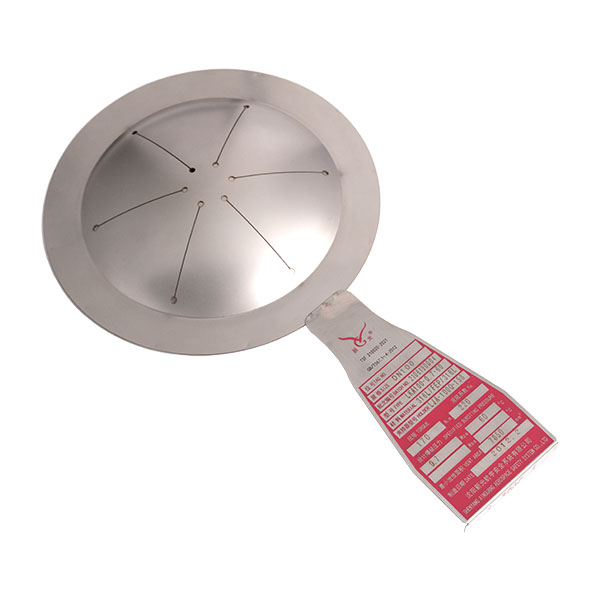
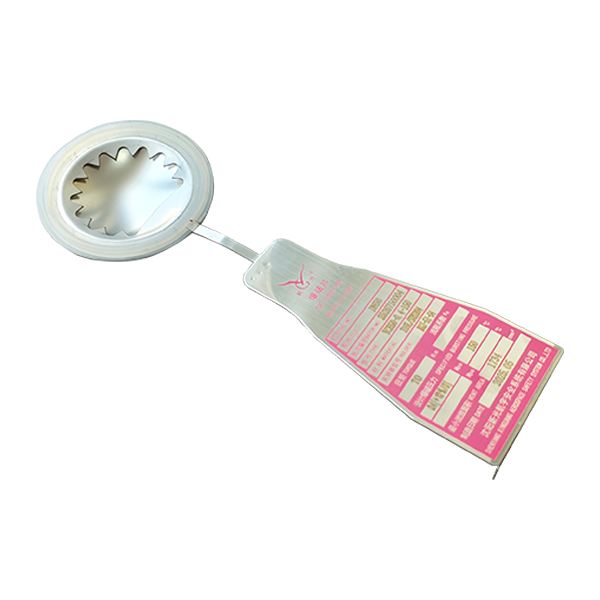
The structural design of rupture disc is also very important. Common rupture disc structures include flat plate type, positive arch type and reverse arch type, each structure has a unique working mechanism. Flat-plate rupture disc achieves pressure relief through tensile or shear damage of the material, and is suitable for low pressure, vacuum, or weakly corrosive working conditions. The positive arch type rupture disc is arched and raised upward under pressure. When the pressure reaches a certain level, the vault breaks or falls off. This structure is commonly used in medium and high pressure systems. The anti-arch rupture disc is the downward deformation of the arch under the action of pressure, and eventually breaks due to instability or cutting of the tool holder. It is characterized by accurate burst pressure and good fatigue resistance, especially suitable for occasions with frequent pressure fluctuations.
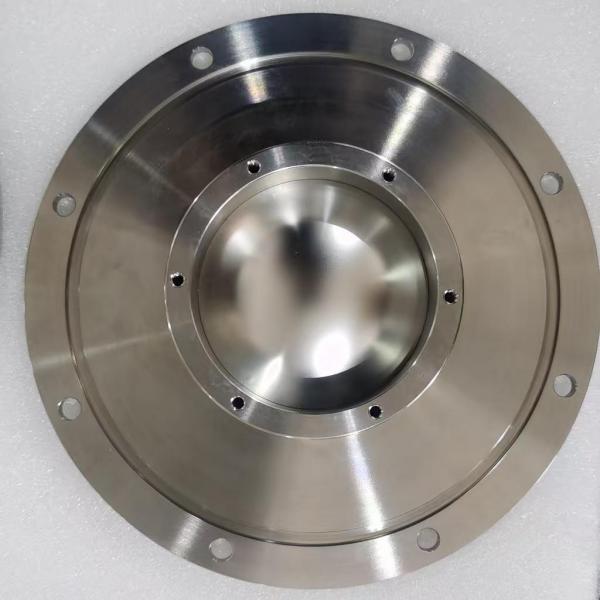
In addition to material and structural design, the manufacturing process of rupture disc also affects performance and reliability. Advanced manufacturing technology can make the thickness of the rupture disc uniform and the shape accurate, thereby ensuring the accuracy and consistency of the burst pressure. In the production process, through precision machining, laser cutting, heat treatment and other technological means, the quality of each link is strictly controlled, so that the rupture disc can break or fall off in a predetermined manner when under pressure, and achieve reliable pressure relief function.
As a professional manufacturer in the field of rupture disc, our company has accumulated a good reputation in practical applications. Whether it is petrochemical, electric power and energy, pharmaceutical and food, or aerospace industries, we can provide customized rupture disc solutions according to the specific needs of our customers. If you need to purchase rupture disc, please feel free to contact us!
