
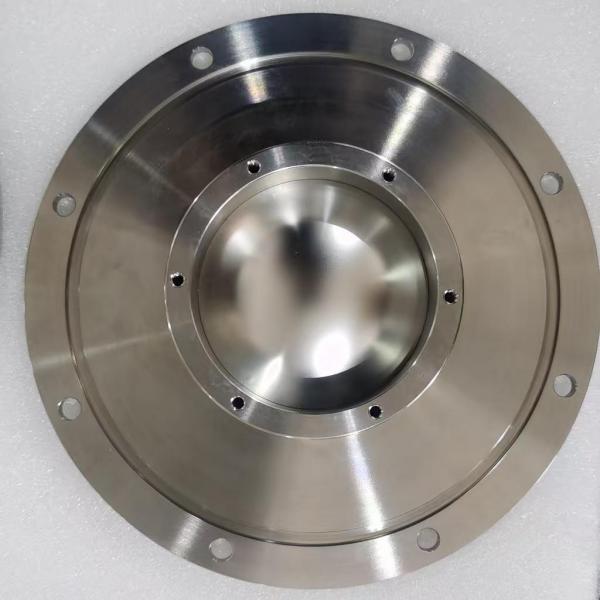
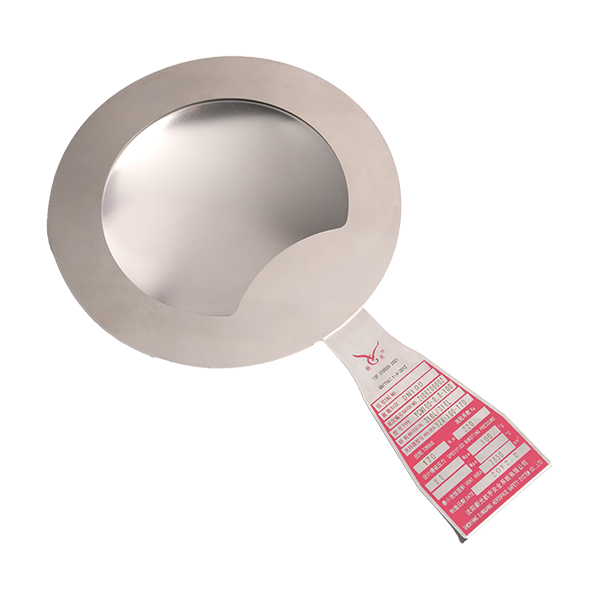
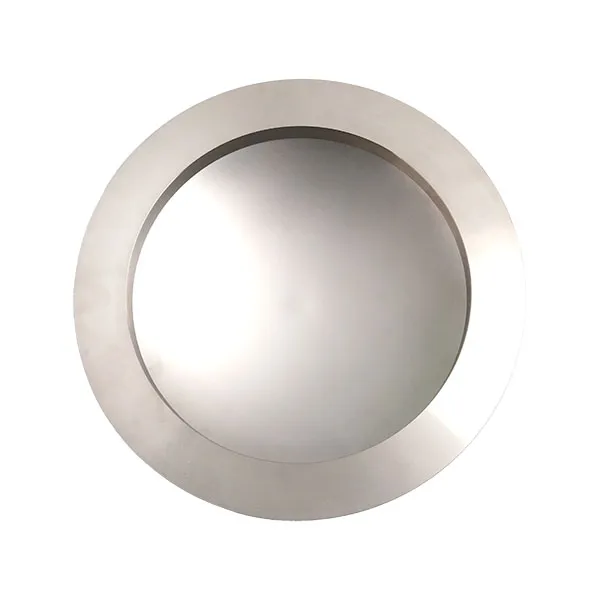
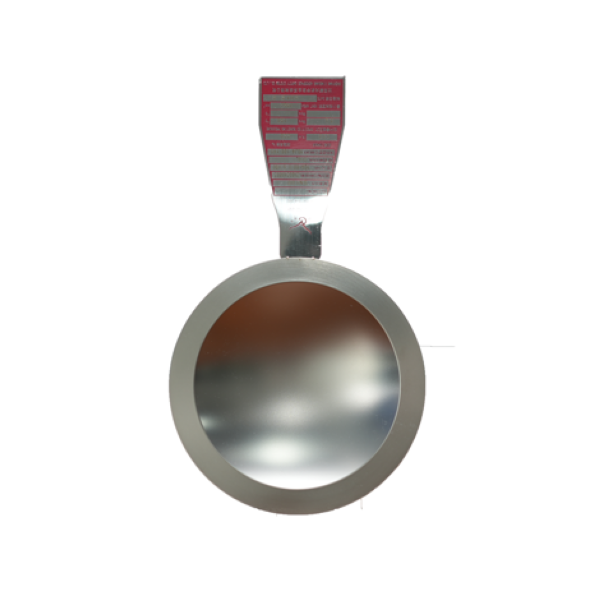
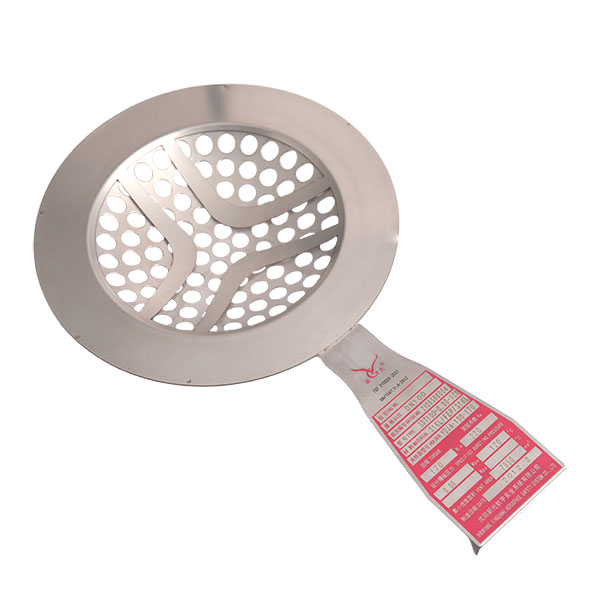
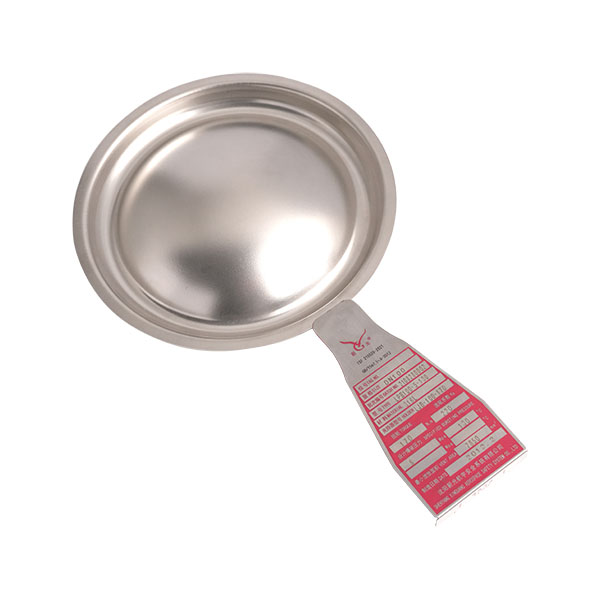
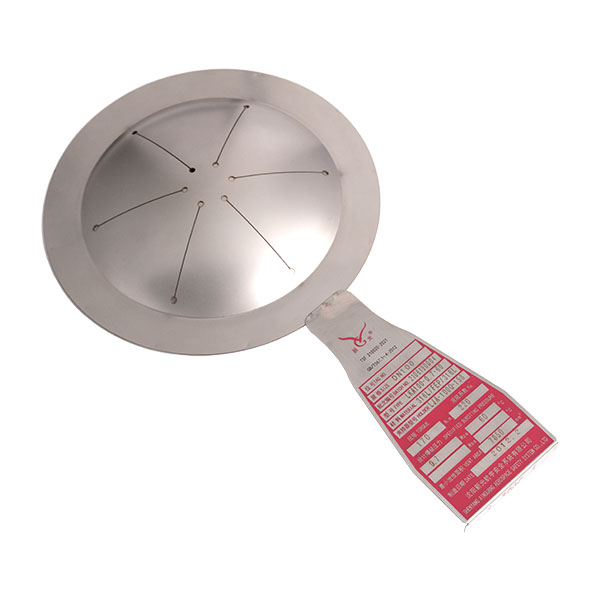
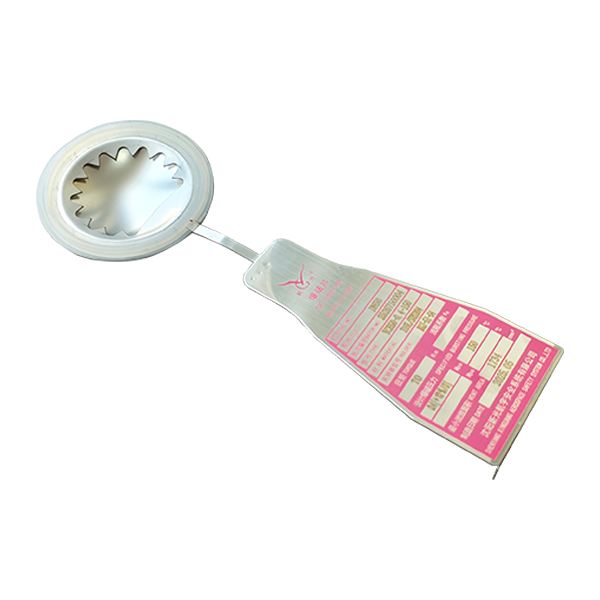
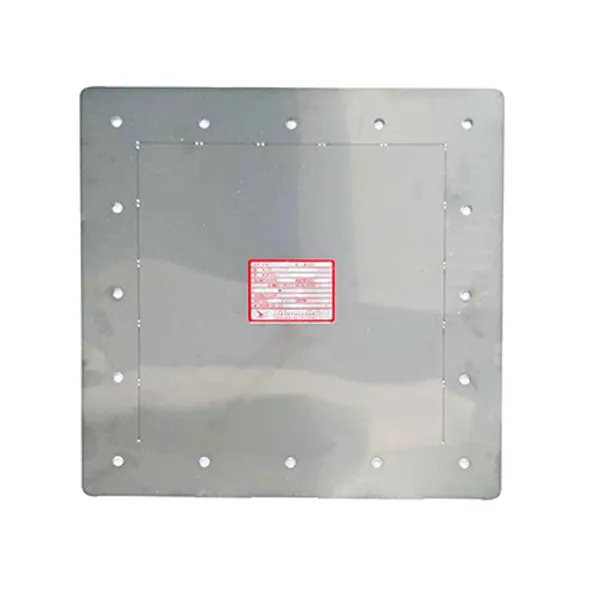
In industries like chemicals, pharmaceuticals, and food processing, combustible dust can build up in enclosed spaces to a certain concentration. Add an ignition source, and an explosion can happen. Flat dust type rupture disks are installed on hoppers, dryers, dust collectors, and similar equipment. When pressure rises abnormally, they actively vent it, reducing the risk of equipment rupture. These disks are made from PTFE and PFA composite materials, with a burst pressure range of 0.003–0.035 MPa, making them well suited for low‑pressure applications.
How a Dust Rupture Disk Works?
The core of a flat dust type rupture disk is a metal membrane with score lines. When the internal pressure reaches the set value, the membrane tears or flips open instantly along those lines — in milliseconds — creating a relief path, with no need for external power or a signal. Burst pressure tolerance is between ±0.0017 MPa and ±0.0034 MPa.
Applications Across Different Industries.
Chemical industry: Reactors and dryers can generate suspended dust during crushing and pneumatic conveying. Flat dust type rupture disks are installed on the top or side walls of the equipment to relieve pressure. For high‑temperature processes (240°C–400°C), a heat shield can be added.
Pharmaceutical industry: Drug crushing and mixing produce combustible dust, and the equipment must meet high sanitary standards. Flat dust type rupture disks can be made with food‑grade, sanitary materials that have smooth surfaces and resist dust buildup.
Food processing industry: Grain storage and transport, as well as flour milling, carry significant risks. Rupture disks are widely used on hoppers and dust collectors — their low‑pressure relief capability is especially critical.
What Industries Need from a Dust Rupture Disk?
In any production environment with combustible dust, enclosed equipment can easily form an explosive mixture. Mechanical friction, metal impact, and static discharge are all potential ignition sources. If an explosion occurs, the pressure wave travels through the equipment shell, which can cause deformation, filter bag damage, or even rupture of the hopper and damage to the building structure. If multiple pieces of equipment are connected in series, the explosion can spread through ducts, leading to cascading incidents.That’s why flat dust type rupture disks are an effective way to limit explosion damage. They can handle a constant static pressure of 0–300 mmH₂O and cyclic variable pressure of 0–2000 mmH₂O. Under normal process fluctuations, they won’t trigger accidentally — only when a true overpressure event happens.
How to Choose the Right Flat Dust Type Rupture Disk?
When selecting a disk, consider:Equipment operating pressure range: The disk’s calibrated burst pressure should be higher than normal operating pressure but lower than the equipment’s pressure limit.Medium temperature: Standard products work from ‑30°C to 240°C. Outside that range, you’ll need insulation or cooling measures.Mounting dimensions: Available in round and rectangular shapes; custom sizes can be arranged.Vacuum or cyclic pressure: If the equipment is vacuum‑rated or sees variable pressure, choose a model with compatible vacuum performance.Material requirements: Different industries have different needs — chemical applications require corrosion resistance, while food processing needs sanitary surface finishes.
Flat dust type rupture disks provide a pressure relief path in milliseconds, reducing the damage an explosion shockwave can do to equipment shells. They don’t need power, have no moving parts, and activate reliably when true overpressure occurs. For industries like chemicals, pharmaceuticals, and food processing — where dust‑related risks are high — these rupture disks serve as a critical safety barrier and are an essential part of meeting mandatory national standards.
