
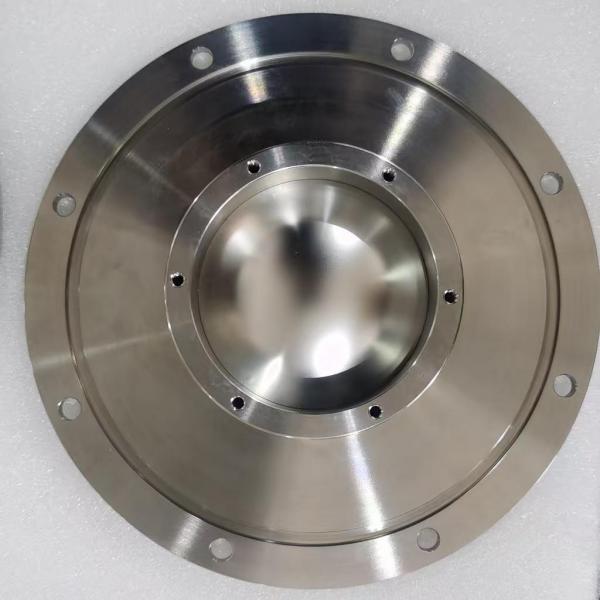
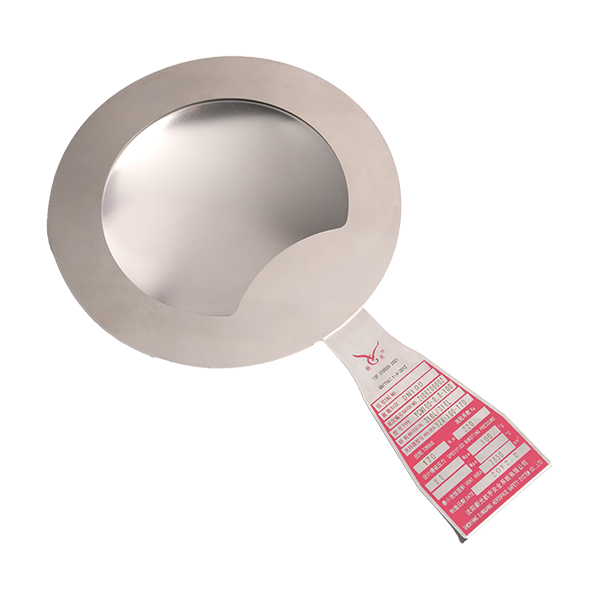
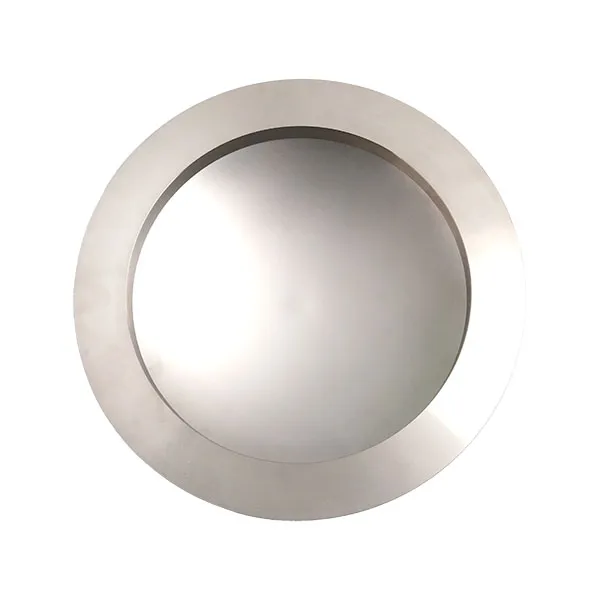
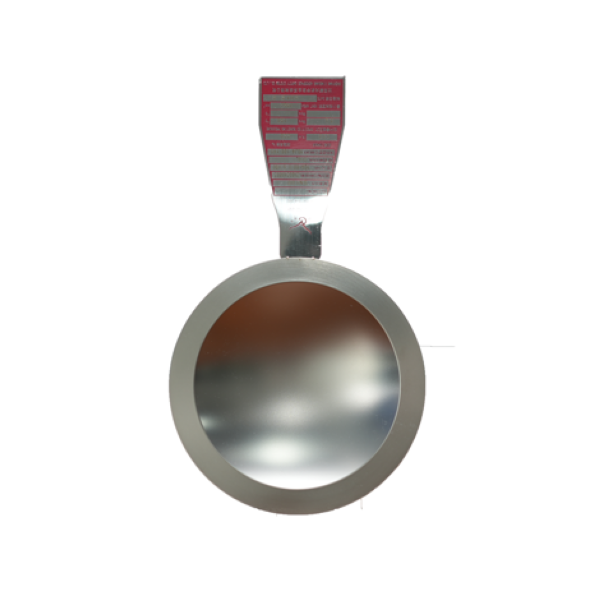
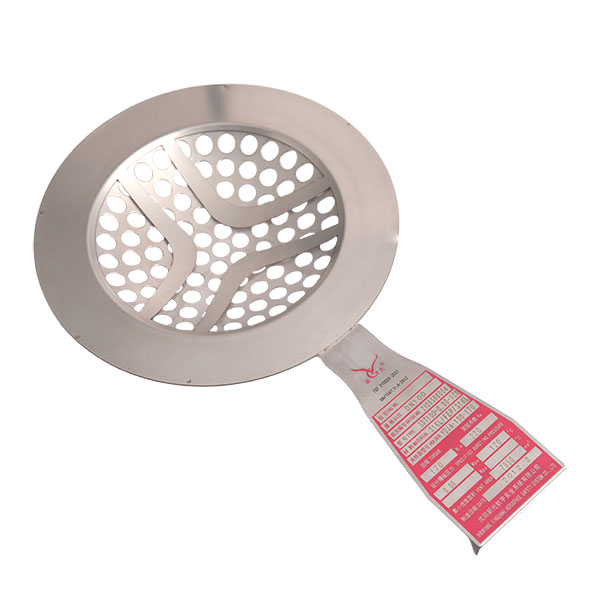
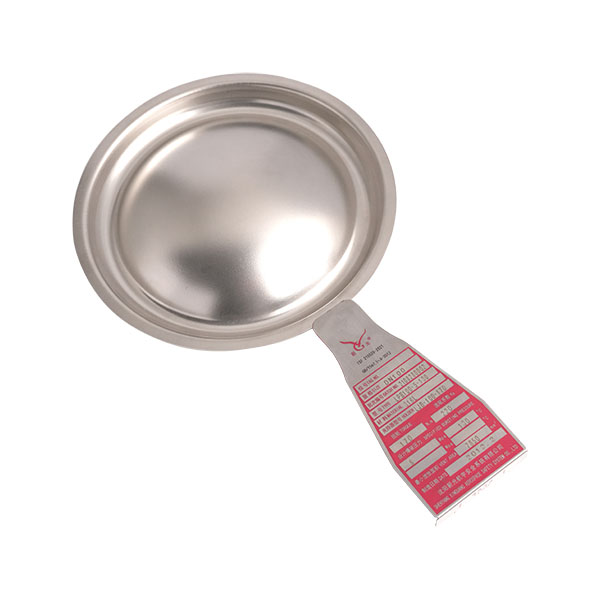
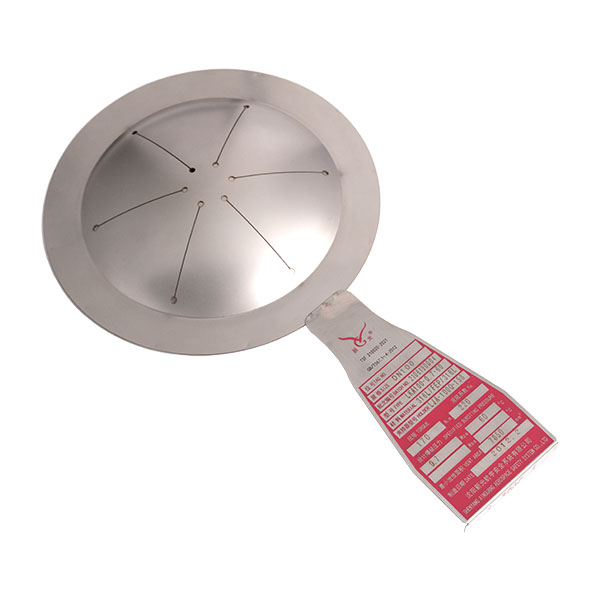
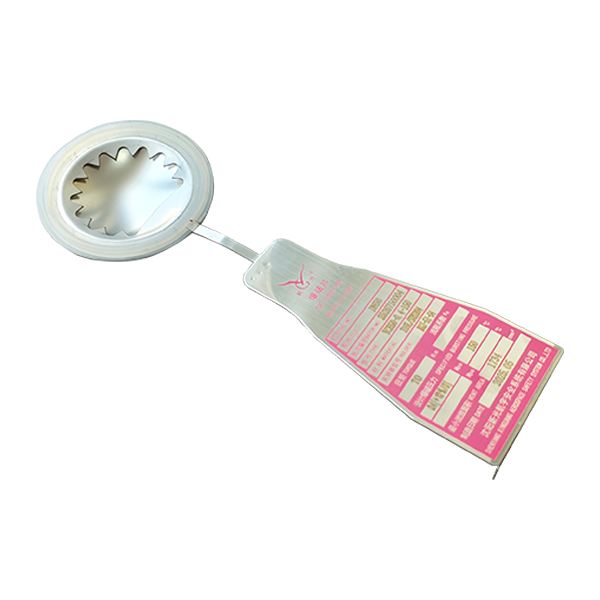
Avoid the costly consequences of "false activations."
In industrial production, the mission of a rupture disc is to sacrifice itself in critical moments to protect equipment. However, for factory managers and maintenance engineers, the biggest headache is not when the rupture disc "fails to activate," but when it "activates prematurely" under normal operating pressure.
An unexpected rupture means:
Unplanned downtime: Production lines are forced to shut down.
Material loss: Expensive process media leaks.
Environmental risks: Accidental release of toxic or flammable gases.
According to industry statistics, over 75% of rupture disc failures are not due to product manufacturing defects, but rather to mismatched selection, improper installation, or neglected maintenance. This article will deeply analyze the root causes of rupture disc failure from a troubleshooting perspective and provide best practices for extending service life.
I. The Number One Killer: Installation Torque and Clamp Issues.
In search engines, "rupture disc torque specifications" is one of the most frequently searched technical queries.
1. Uneven Torque.
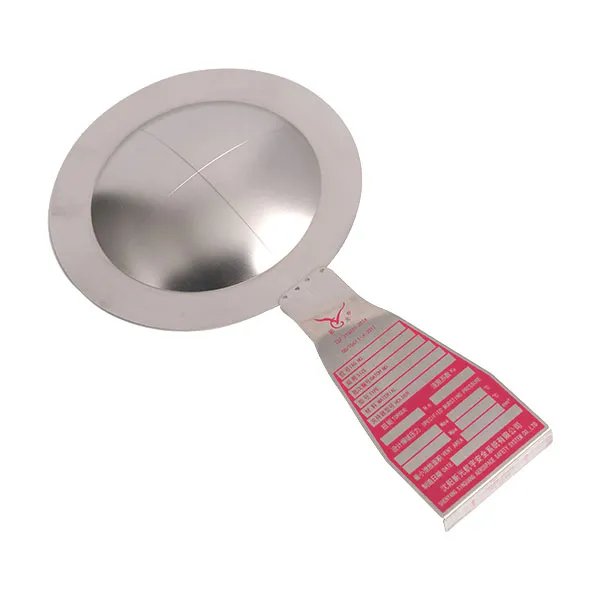
Rupture discs are extremely precise thin metal membrane devices. If the flange bolts are tightened unevenly, the clamp will exert shear force or uneven pre-stress on the rupture disc.
Consequences: The edges of the rupture disc deform, leading to a drift in burst pressure (usually a decrease).
Solution: A calibrated torque wrench must be used, and the manufacturer's provided "star" or "cross-pattern" tightening sequence must be strictly followed.
2. Using the Wrong Clamp.
Many customers try to install newly purchased rupture discs in old, different-branded clamps.
Misconception: "If the size is the same, it will fit."
The Truth: The "seat ring" design of rupture discs is patented technology (such as 30-degree bevels, flat seals, etc.). Installing a Brand A rupture disc in a Brand B clamp will 100% lead to leakage or serious deviations in burst pressure.
3. Flange Misalignment.
If the pipe flanges are not properly aligned, forcibly tightening the bolts will transfer immense mechanical stress to the holder, and subsequently to the rupture disc, leading to damage to its physical structure.
II. The Invisible Killer: Operating Ratio and Fatigue.
This is the most frequently overlooked factor during the selection process.
1. What is the operating ratio?
Operating ratio = (System normal operating pressure / Rupture disc rated burst pressure).
Forward-acting type: Usually can only withstand an operating ratio of 70%-80%.
Reverse-acting type: Can withstand an operating ratio of up to 90%-95%.
2. Fatigue failure.
If you use a forward-acting rupture disc with a burst pressure of 10 Bar in a system with an operating pressure of 9 Bar (operating ratio 90%), the metal diaphragm will be under "extreme tension" for a long time. With small pressure fluctuations, the metal lattice will slip, leading to low-cycle fatigue.
Symptoms: The rupture disc suddenly ruptures without reaching the set pressure.
Solution: If your process pressure fluctuates significantly or is close to the burst limit, be sure to upgrade to a reverse-acting rupture disc. They utilize the principle of compressive instability and are naturally fatigue-resistant.