
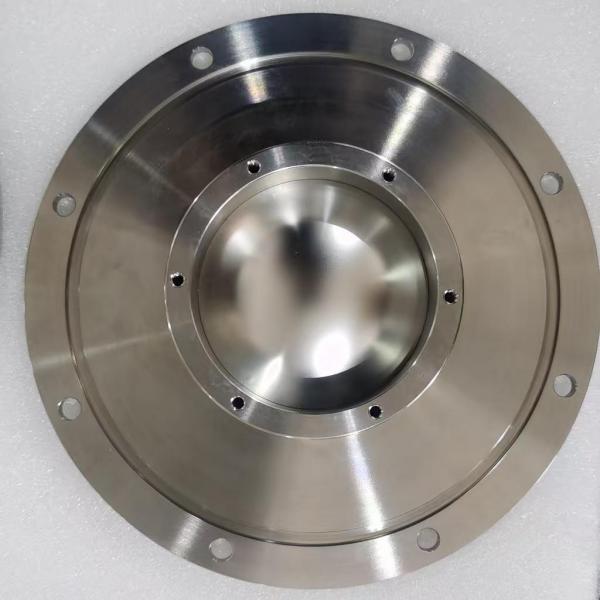
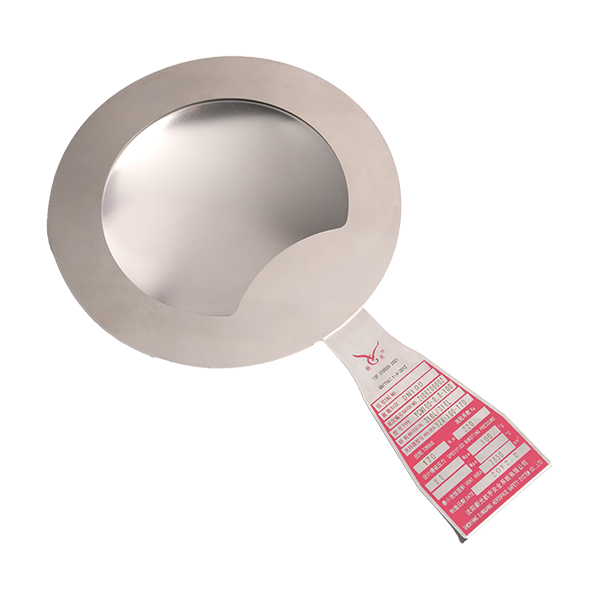
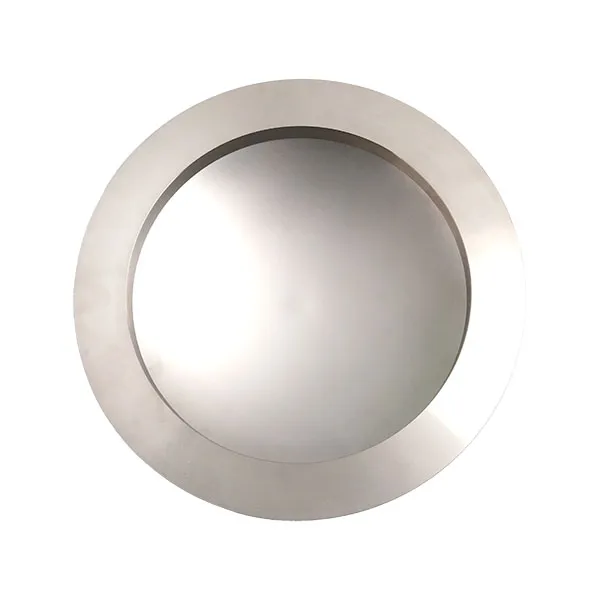
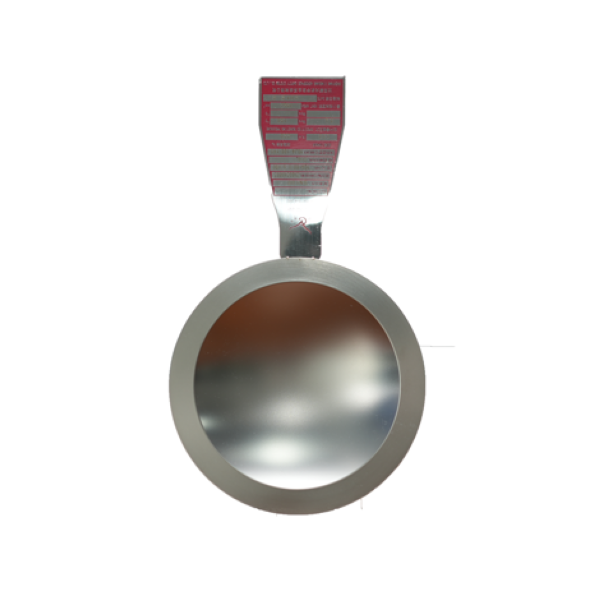
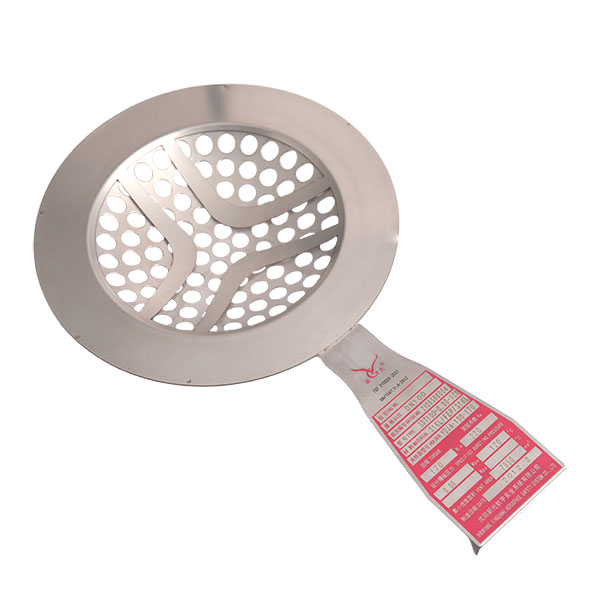
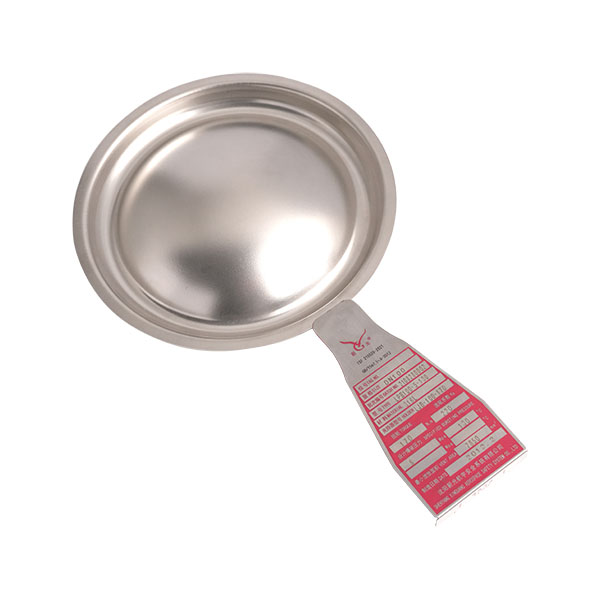
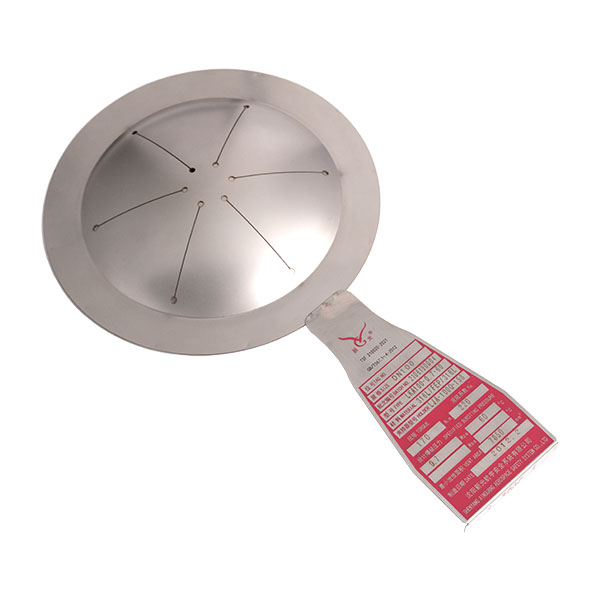
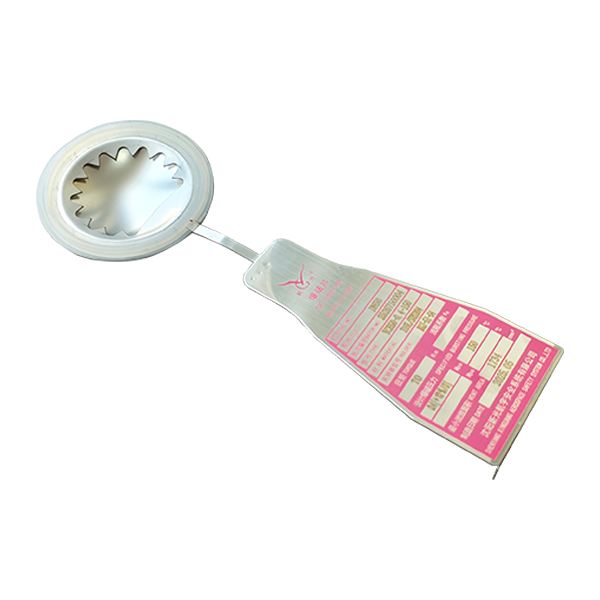
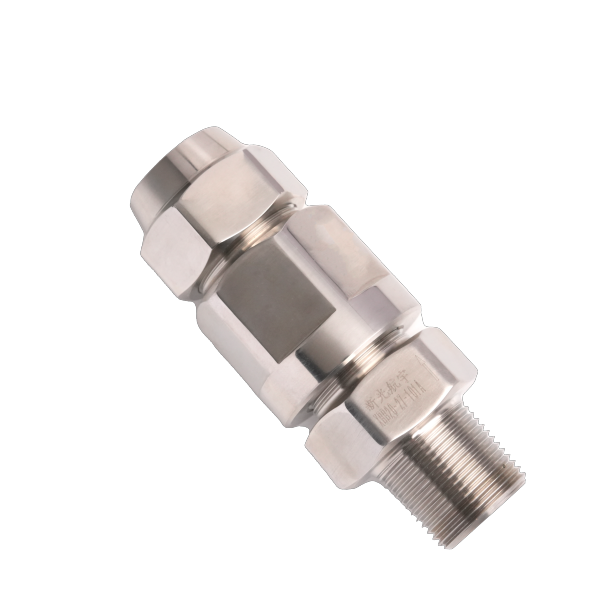
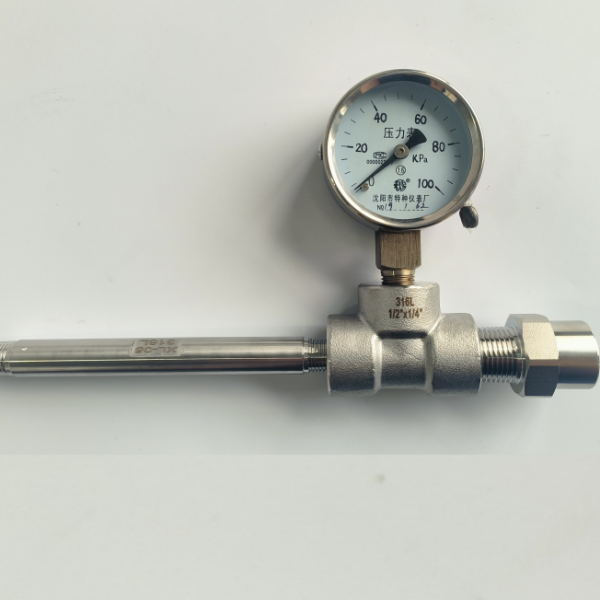
Cryogenic storage tanks are widely used to store various cryogenic liquids, such as liquid nitrogen, liquid oxygen, liquid argon, and liquefied natural gas (LNG). These cryogenic media typically require storage and transportation under extremely low temperatures and certain pressure conditions, making the safety of the tank system paramount. To prevent abnormal pressure increases inside the tank from causing equipment damage or even safety accidents, various pressure protection devices are usually installed, with the Rupture Disc being a crucial one.
Operating Characteristics of Cryogenic Storage Tanks:
The temperature of cryogenic media is typically very low; for example, liquid nitrogen has a temperature of approximately -196°C, and liquefied natural gas has a temperature of approximately -162°C. In such environments, equipment materials need to possess excellent cryogenic performance. Cryogenic liquids continuously undergo vaporization during storage. When the liquid evaporates to form gas, the internal pressure of the tank may gradually increase. If the pressure cannot be released in time, it may threaten the tank structure. Reliable pressure protection devices must be configured in cryogenic storage tank systems to ensure safe operation of the equipment.
The Fundamental Role of Rupture Discs in Cryogenic Storage Tanks
1. Prevention of Tank Overpressure.
When the internal pressure of a storage tank rises continuously—whether due to gas evaporation, temperature fluctuations, or system anomalies—a rupture disc can act rapidly at a predetermined pressure threshold to vent excess pressure, thereby preventing the tank from rupturing or exploding.
2. Auxiliary Protection for Safety Valves.
In many cryogenic storage tank systems, rupture discs are typically used in conjunction with safety valves. While safety valves open automatically as pressure rises, the rupture disc serves as an additional safety safeguard, providing rapid pressure-relief capabilities in extreme situations.
3. Protection of Critical Equipment.
By timely venting system pressure, rupture discs effectively protect the storage tank, associated piping, and related equipment from pressure surges and shocks.
Installation Locations for Rupture Discs in Cryogenic Storage Tank Systems
To ensure optimal protective performance, rupture discs are typically installed at critical locations within cryogenic storage tank systems, such as:
The vapor space at the top of the storage tank
Pressure relief piping
Upstream of safety valves
Within the tank protection system
These locations enable the rapid release of pressure in the event of abnormal system pressure, thereby safeguarding the integrity and safety of the entire storage tank system.
With the advancement of liquefied natural gas (LNG), industrial gas, and cryogenic storage technologies, the application of cryogenic storage tanks in the industrial sector has become increasingly widespread. Given the inherent risk of pressure buildup during the operation of cryogenic storage tanks, the installation of reliable pressure protection devices constitutes a critical measure for ensuring system safety. As a rapid and dependable pressure-relief device, the rupture disc plays a vital role within cryogenic tank protection systems. By judiciously selecting rupture discs specifically suited for cryogenic environments—and by adhering to established standards for their installation and maintenance—the overall safety and stability of cryogenic storage tank systems can be effectively enhanced.
