
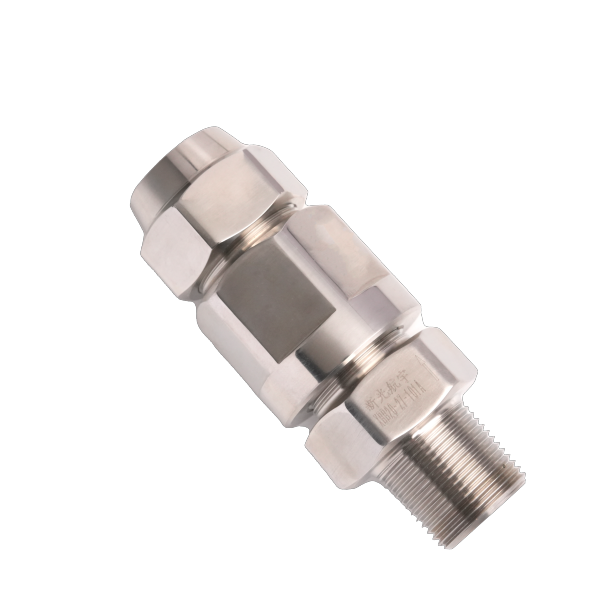
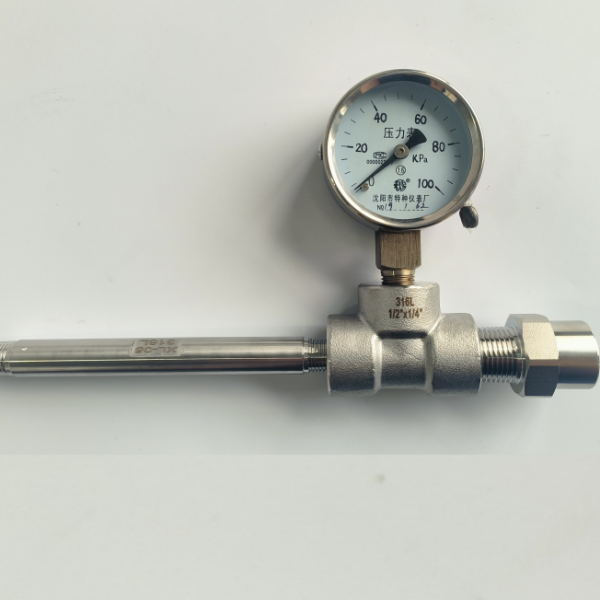
The "Liquid" Revolution in Battery Storage:
The global energy storage market is undergoing a fundamental technological shift. As battery densities increase and C-rates (charging/discharging speeds) rise, traditional air-cooling systems are reaching their thermal limits. The industry is rapidly migrating toward Liquid Cooling Systems (using water-glycol mixtures or dielectric fluids) to manage the intense heat generated by modern Lithium-ion containers.
While liquid cooling offers superior efficiency, it introduces a new, critical risk: Hydraulic Overpressure. A blocked pipe, a failed pump, or thermal expansion of the coolant can cause pressure spikes that threaten to burst piping or coolant plates inside the battery rack. If coolant leaks onto high-voltage battery modules, the result is often a catastrophic short circuit and thermal runaway.
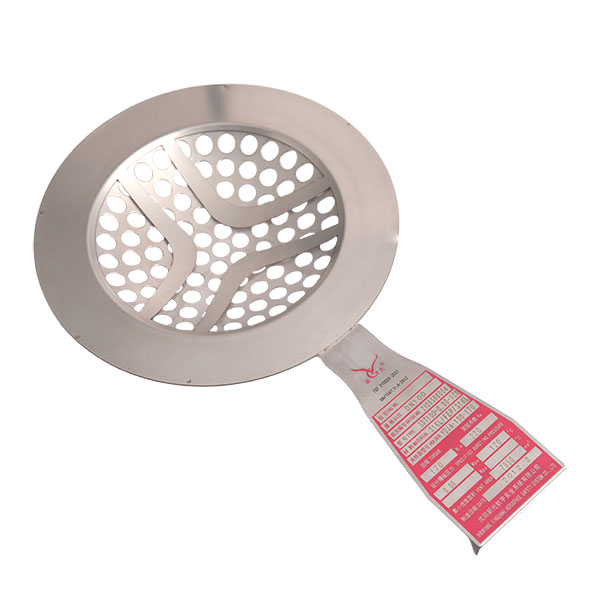
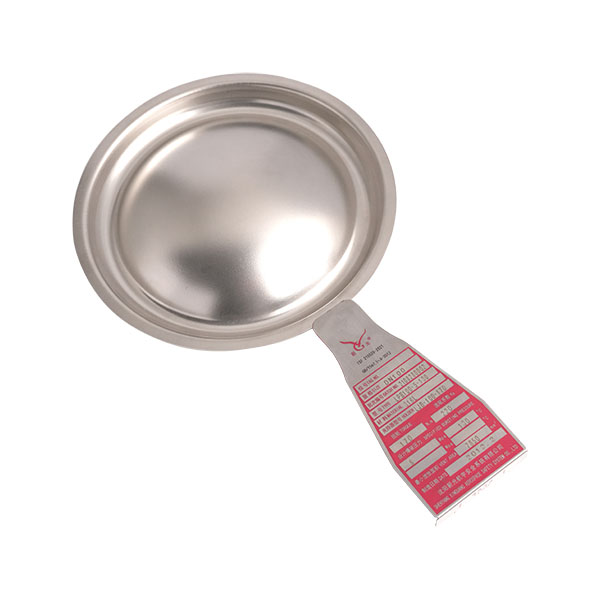
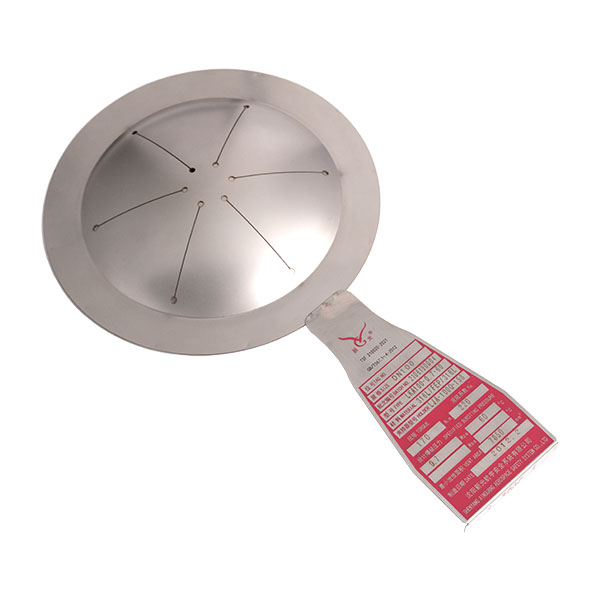
This report analyzes why BESS integrators are moving away from mechanical valves and standardizing on Precision Rupture Discs to protect these critical cooling loops and battery modules.
In a liquid-cooled BESS, the coolant loop is the circulatory system. Maintaining the integrity of this system is paramount.
The Problem with Relief Valves: Traditional pressure relief valves (PRVs) are prone to "weeping" or minor leakage, especially under vibration during transport or due to seal aging. In a battery environment, even a few drops of conductive coolant can be disastrous. Furthermore, valves can seize up if the coolant degrades or forms deposits over years of operation.
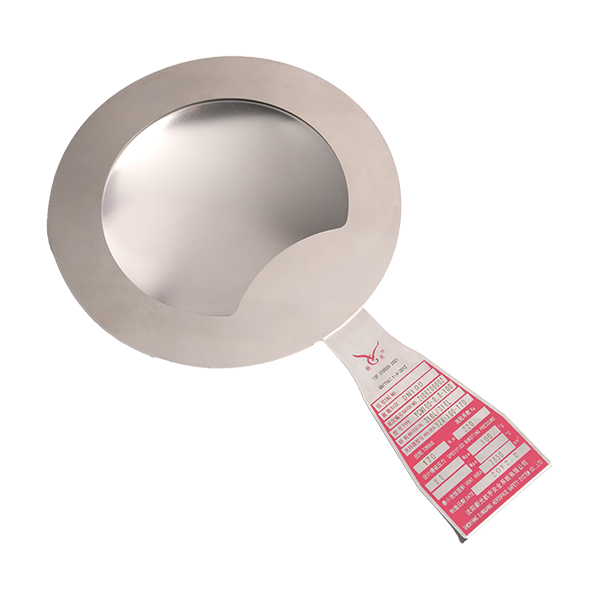
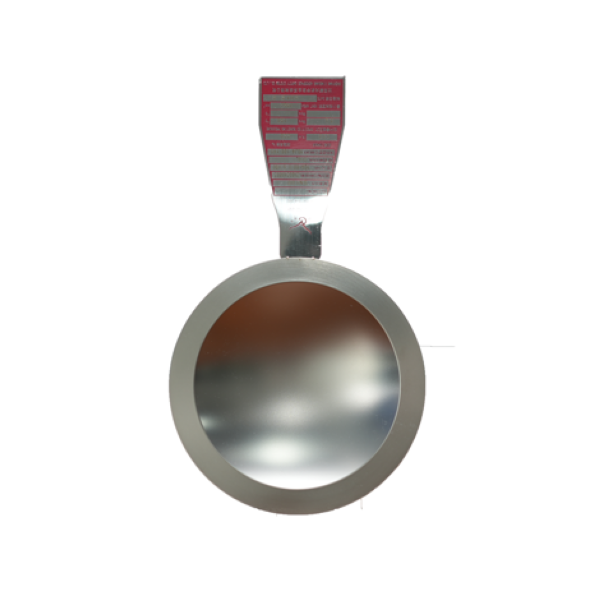
The Rupture Disc Solution: A rupture disc provides a hermetic seal. It completely isolates the coolant fluid until the exact moment an overpressure event occurs. There is no weeping, no maintenance, and no moving parts to fail.
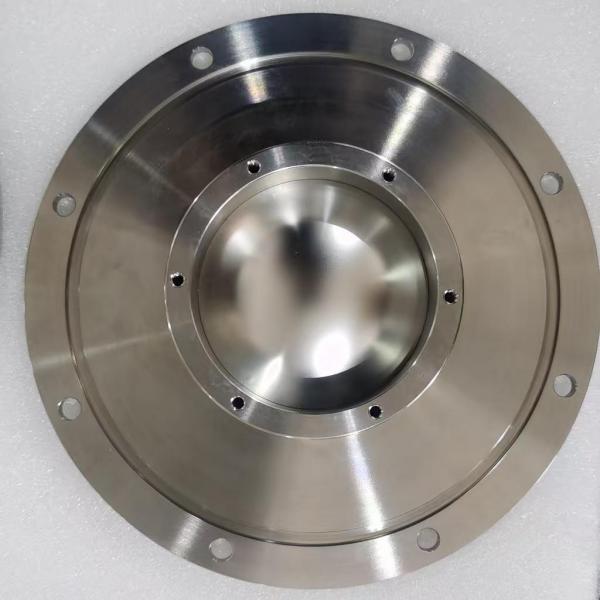
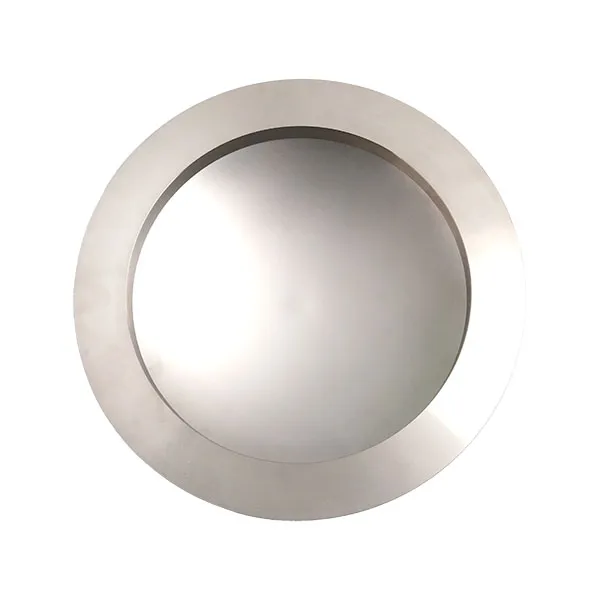
Our Technology: We have developed compact, low-pressure rupture discs specifically designed for BESS coolant lines. These discs are engineered to withstand the pressure fluctuations of pump cycling while guaranteeing a precise burst if the pressure exceeds safe limits (typically 3-10 bar, depending on the system design).
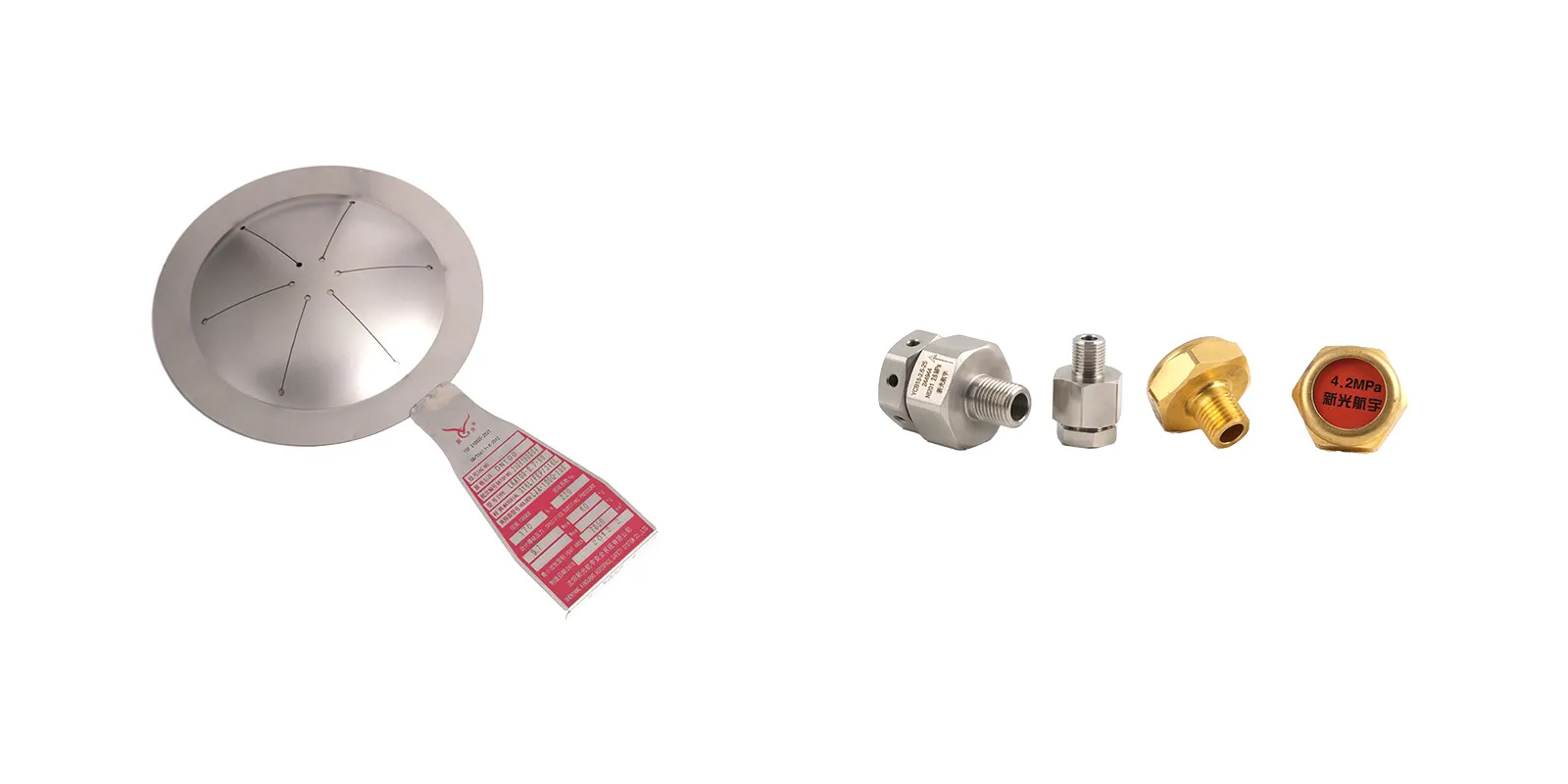
Beyond the cooling system, rupture discs play a role at the Battery Module Level.
Inside sealed battery packs, gas generation from minor cell venting can build up pressure. If not vented, this pressure can deform the casing or cause an explosion.
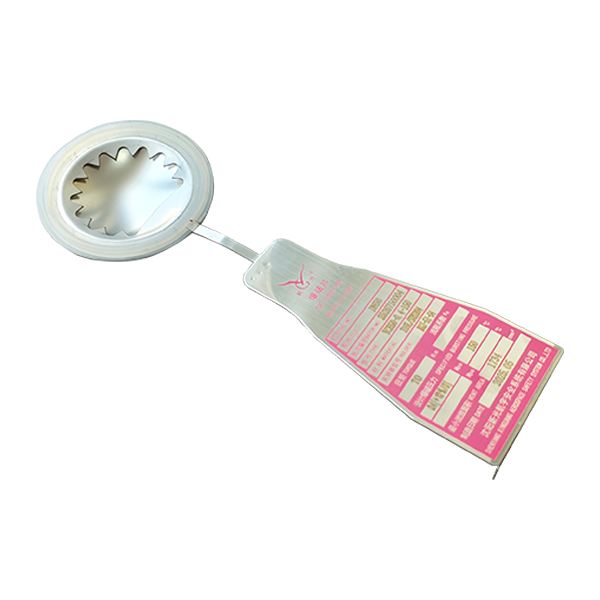
Miniature Rupture Discs: Our product line includes miniature rupture discs (often < 1 inch in diameter) that act as "passive safety fuses" for battery packs.
Instant Response: Unlike membrane vents which are slow and can clog, a metal rupture disc provides an instant, full-bore opening to evacuate explosive gases (Hydrogen, Methane) rapidly, directing them into the exhaust system before they can ignite within the module.
Every BESS container is equipped with a Fire Suppression System (FSS), typically using agents like Novec 1230, FM-200, or high-pressure CO2.
How are these agents released? In many systems, the actuation mechanism relies on a Rupture Disc Valve. The agent is stored under high pressure behind a rupture disc. When the fire alarm triggers, an electric actuator or pyrotechnic device bursts the disc, flooding the container with the extinguishing agent in milliseconds.
Reliability here is non-negotiable. Our rupture discs for fire suppression are manufactured to aerospace-level quality standards to ensure they never leak during standby (which would render the system useless) but always open when triggered.
Why Material Compatibility Matters:
The fluid inside a BESS cooling loop (usually a glycol/water mix) can be corrosive to certain metals over time. Additionally, the electrolytes inside Li-ion cells are highly aggressive.
Corrosion Resistance: Standard brass or carbon steel components are risky. We utilize 316L Stainless Steel and Nickel-based alloys as standard materials for our BESS rupture discs. This ensures compatibility with common coolants and resistance to external environmental factors (salt spray, humidity) for outdoor installations.
Zero-Maintenance Design: BESS units are often installed in remote solar farms or wind parks where maintenance crews rarely visit. A rupture disc is a "fit-and-forget" device. Unlike valves that require annual recalibration or seal replacement, a rupture disc has a service life that matches the battery system itself (15-20 years).
Cost-Effectiveness for Mass Production:
As BESS manufacturers aim to reduce the "Levelized Cost of Storage" (LCOS), component cost becomes a factor.
Rupture discs offer a significant economic advantage over complex reclosing valves.
Lower CapEx: The unit cost of a rupture disc is significantly lower than a high-quality, leak-proof relief valve.
Simplified Piping: Our compact / low-profile disc holders are easy to integrate in to tight spaces within battery racks, reducing piping complexity and assembly time.
The transition to renewable energy relies on safe, reliable storage.
Whether it is protecting the liquid cooling loop from bursting or venting hazardous gases from a battery module, Rupture Discs are the proven, leak-tight solution that the industry trusts.
