



Hydrogen has a high energy content by weight, but a very low energy content by volume. To make hydrogen viable for fuel cell vehicles (FCEVs) and industrial transport, it must be compressed to extreme pressures—typically 350 bar (5,000 psi) for heavy-duty trucks and 700 bar (10,000 psi) for passenger cars. Even higher pressures are used in stationary cascade storage banks.
Managing these "bomb-like" pressures requires a safety architecture that is flawlessly reliable. This article examines the critical role of Rupture Discs and Thermally Activated Pressure Relief Devices (TPRDs) in the hydrogen storage value chain, from Tube Trailers to Type IV composite cylinders.
The "Tube Trailer" Revolution:
Before hydrogen reaches a fueling station, it is often transported via "Tube Trailers" or MEGCs (Multiple-Element Gas Containers). These massive steel or composite tubes hold hundreds of kilograms of hydrogen.
Safety regulations (such as ADR/RID in Europe and DOT in the US) mandate redundant safety devices.
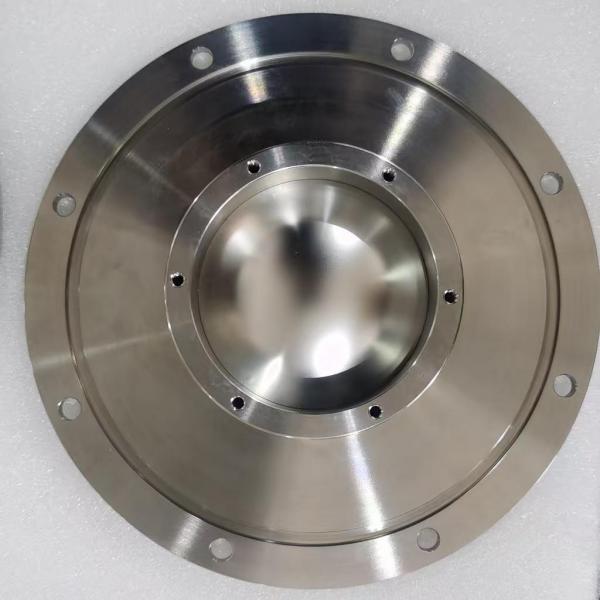
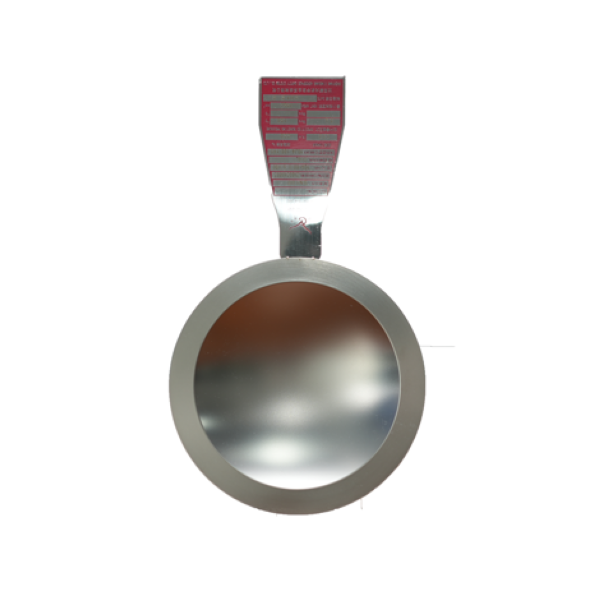
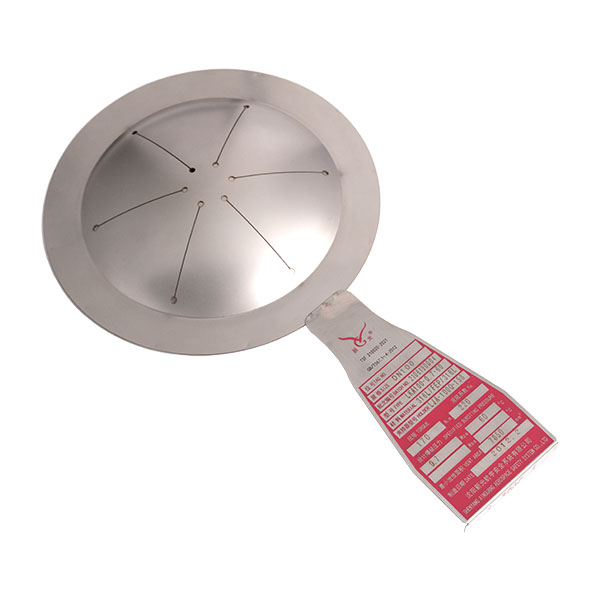
The Role of Rupture Discs: Every tube must be protected against overpressure caused by overfilling or thermal expansion. Given the massive stored energy, the rupture disc must provide a full-bore opening instantly to vent the gas before the tank integrity is compromised.
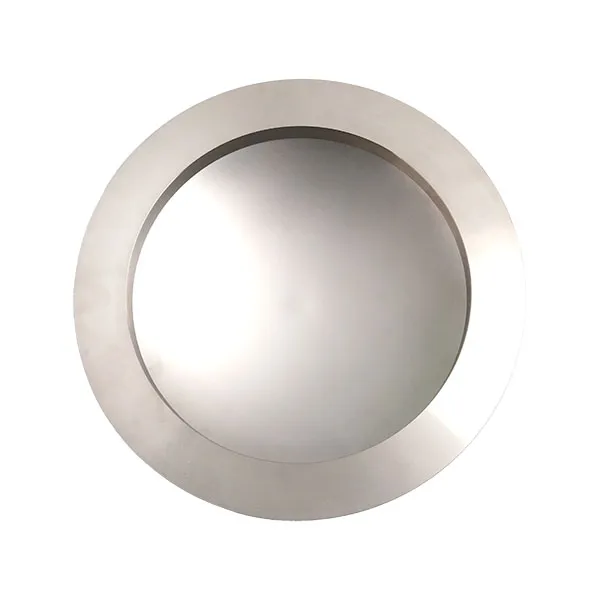
The Trend: We are seeing a shift towards Reverse Buckling Discs for these applications. Why? Because they can withstand operating pressures up to 95% of their burst pressure. This allows operators to fill tanks closer to the limit without fear of accidental venting, maximizing transport efficiency.
Type IV Tanks and the Fire Threat:
Modern hydrogen storage uses Type IV tanks (polymer liner wrapped in carbon fiber). While strong, carbon fiber resin degrades rapidly in a fire. If a hydrogen tank is engulfed in flames, the pressure rises while the tank wall weakens—a recipe for catastrophic failure.
This is where the TPRD (Thermally Activated Pressure Relief Device) comes in, often working in tandem with rupture discs.
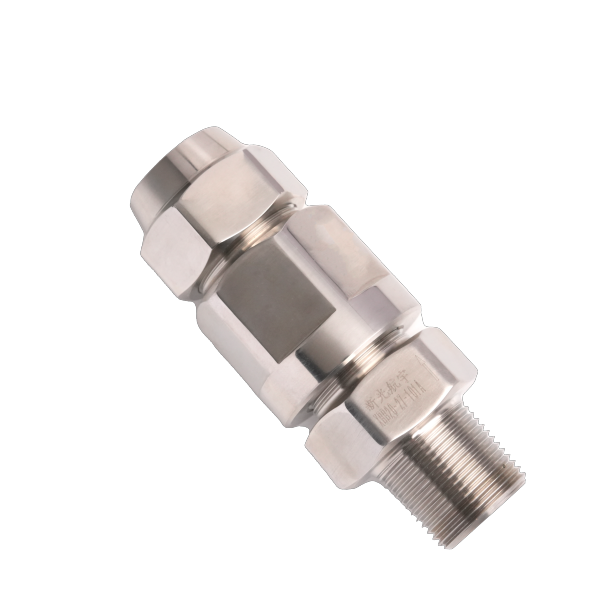
How it works: Unlike a standard rupture disc that reacts to pressure, a TPRD reacts to heat. A glass bulb or fusible metal alloy triggers the valve to open when the temperature exceeds ~110°C, venting the hydrogen safely before the pressure rises enough to burst the tank.
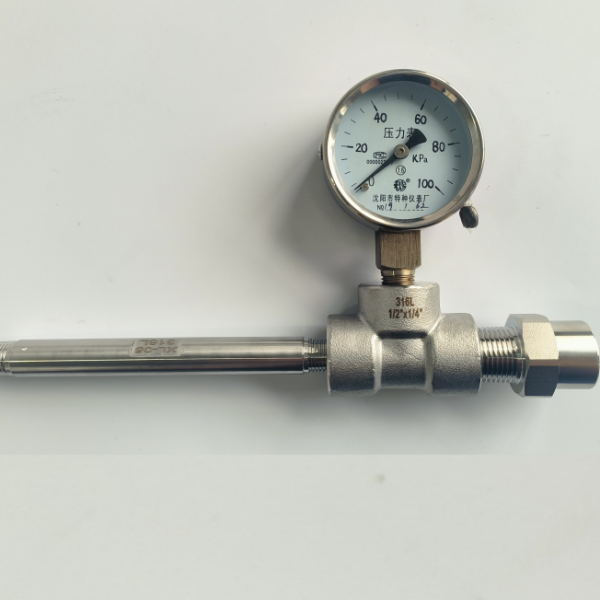
The Rupture Disc Component: In many stationary storage systems, a rupture disc is placed upstream of the TPRD or relief valve to ensure a perfect seal. Hydrogen leakage through a valve seat is common; a rupture disc acts as the "perfect cork," ensuring zero leakage until an emergency occurs.
Handling the "Joule-Thomson" Effect:
A unique characteristic of hydrogen is that it heats up when it expands (the reverse Joule-Thomson effect) at certain temperatures. However, during rapid venting (blowdown), the sheer velocity of gas can cause vibration and acoustic shock.
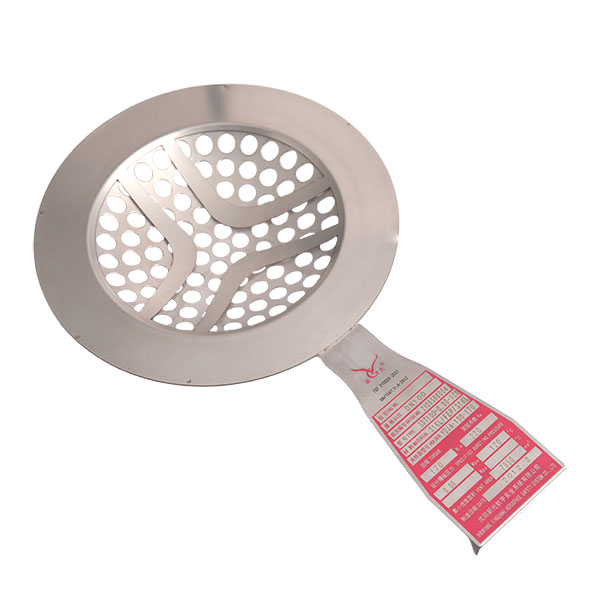
Modern rupture discs for H2 storage are designed to be non-fragmenting. If a disc were to shatter, metal fragments could spark against the piping—igniting the venting hydrogen jet. Therefore, scored, cross-scored, or buckling pin technologies are mandatory to ensure that the disc opens cleanly without releasing shrapnel.

Standards and Compliance: ISO 11119 and ISO 19881:
The global market is consolidating around strict ISO standards. Manufacturers of H2 storage systems are now required to perform rigorous cycle testing on their safety devices.
A rupture disc for a 700 bar tank isn't just tested once. It must survive thousands of pressure cycles (filling and emptying) without fatigue. This has pushed rupture disc manufacturers to develop ultra-durable alloys and precision laser-scoring techniques that ensure stability over the 15-20 year lifespan of a storage cylinder.
As hydrogen infrastructure expands from niche pilots to mainstream adoption, the safety of storage systems is paramount. The industry is moving away from generic safety valves towards integrated, high-pressure specific solutions. For B2B buyers, understanding the difference between a standard disc and a "Hydrogen-Ready" safety device is the key to ensuring compliance and public safety.
Building a hydrogen storage bank or transport trailer? Ensure your pressure relief devices meet ISO standards. Download our Hydrogen High-Pressure Safety Guide or contact us for a consultation.
