
Chemical processing plants, refineries, and polymerization facilities routinely handle some of the most unforgiving fluids on the planet. From highly concentrated sulfuric acid and caustic slurries to sticky, high-viscosity resins and polymers, these process media are extremely hostile to standard industrial equipment.
When it comes to protecting vessels from overpressure in these harsh environments, process engineers face a major dilemma. Traditional mechanical Pressure Relief Valves (PRVs) simply cannot survive. In these specific applications, the Rupture Disk emerges not just as an alternative, but as the only reliable and economically viable safety solution.
Here is exactly why rupture disks massively outperform safety valves when the fluid gets nasty.
The Failure of PRVs in Harsh Media:
To understand why a rupture disk is better, we must first look at why a PRV fails. A safety valve relies on moving parts—a guided stem, a spring, a disc, and a tightly machined nozzle seat.
1. The Plugging and Polymerization Problem:
If you are processing highly viscous fluids (like heavy crude or syrups) or fluids that polymerize and harden (like monomers forming plastics), these substances will inevitably creep into the crevices of a PRV.
Once inside, the fluid cools, solidifies, or crystallizes around the valve stem and guide. When an overpressure emergency finally happens, the valve is literally glued shut. The PRV fails to open, resulting in a catastrophic vessel explosion. Even if it manages to open, the sticky fluid will coat the seating area, preventing the valve from ever closing properly again.
2. The Nightmare of Corrosion:
Aggressive acids and chlorides will quickly eat through standard 316 Stainless Steel. If a PRV's internal nozzle or spring begins to pit and corrode, its set pressure becomes entirely unpredictable, and fugitive toxic emissions will leak past the degraded seat into the environment.
Why Rupture Disks Excel in Nasty Environments:
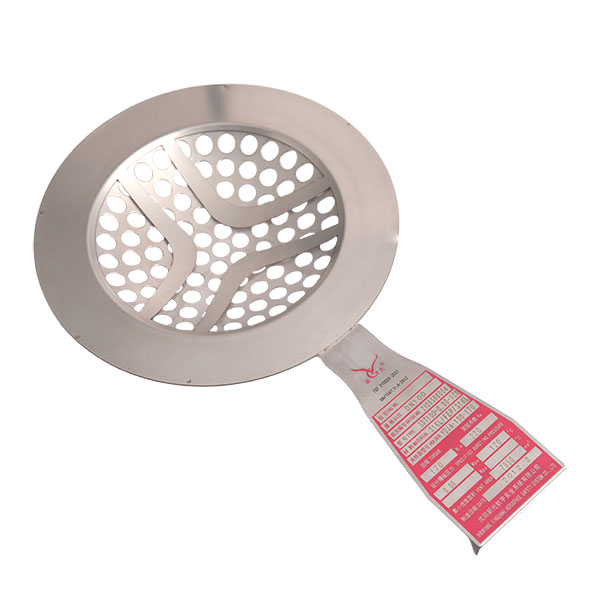
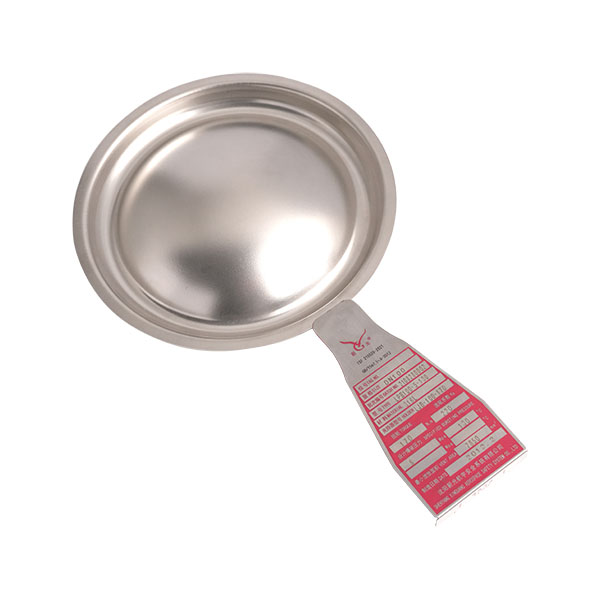
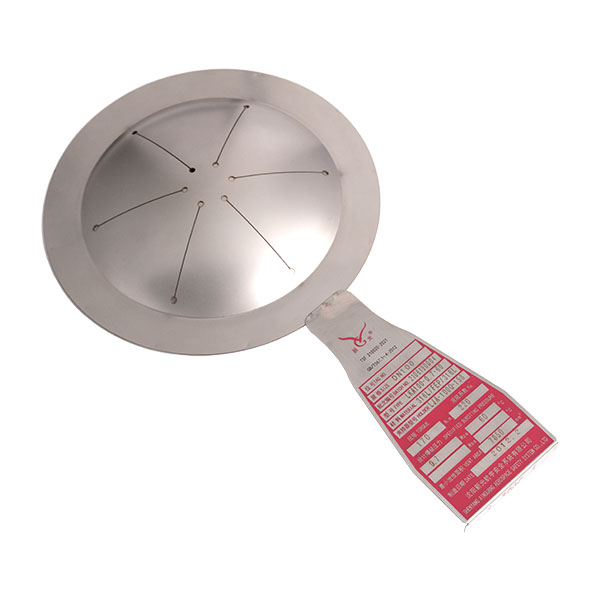
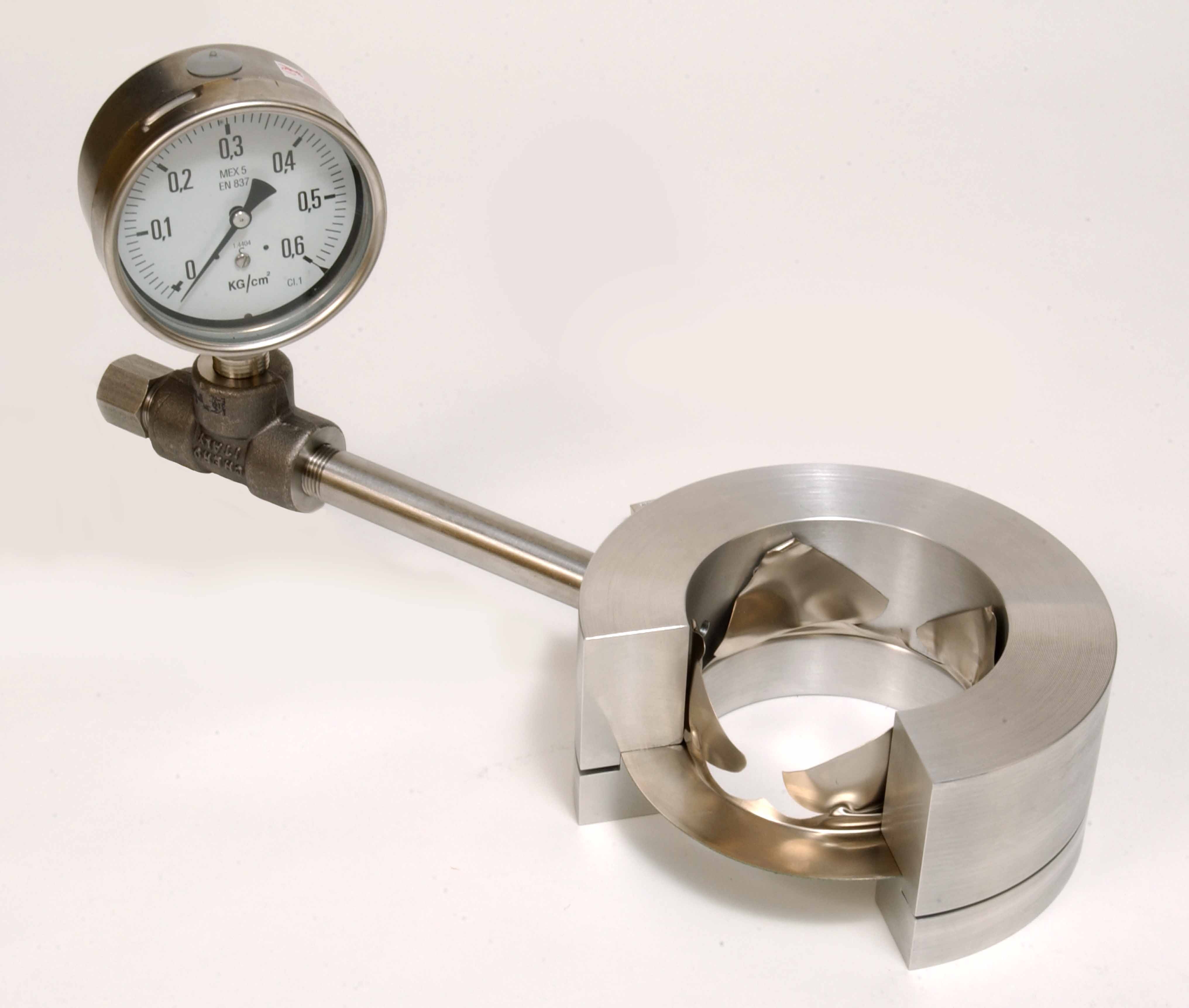
A rupture disk bypasses all the mechanical vulnerabilities of a PRV simply by having zero moving parts.
1. Solid, Crevice-Free Barrier.
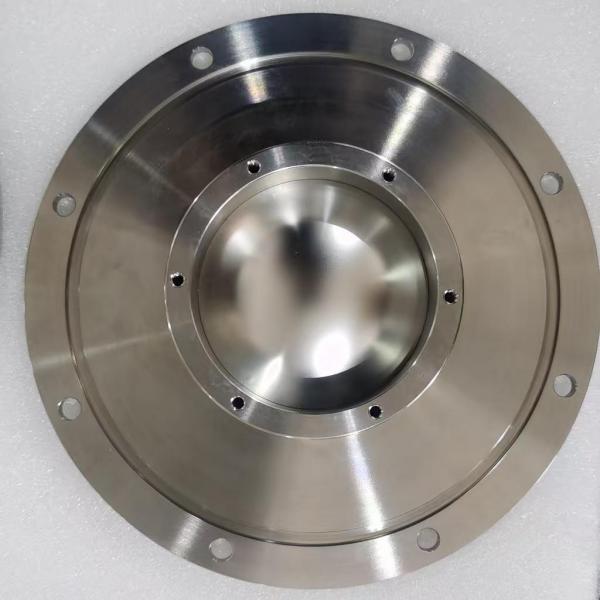
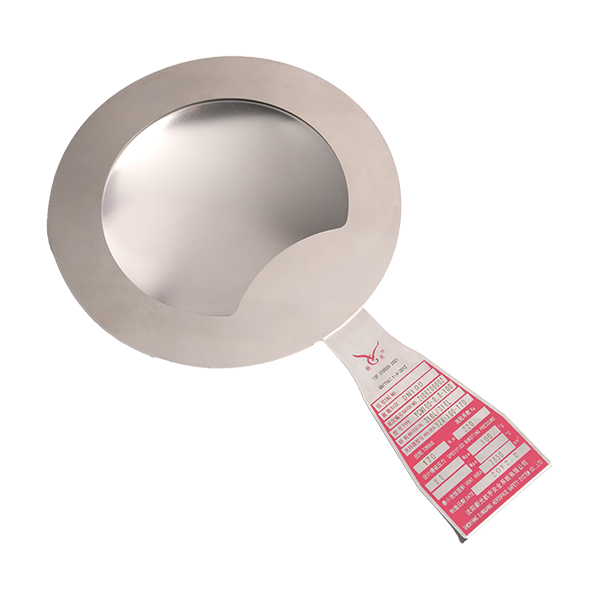
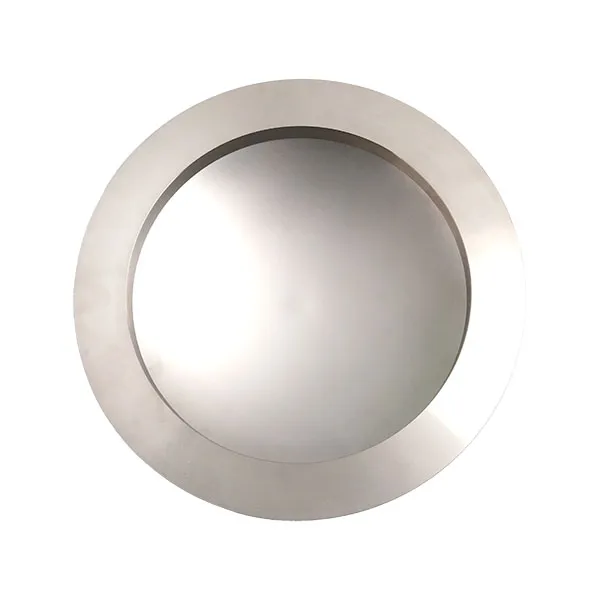
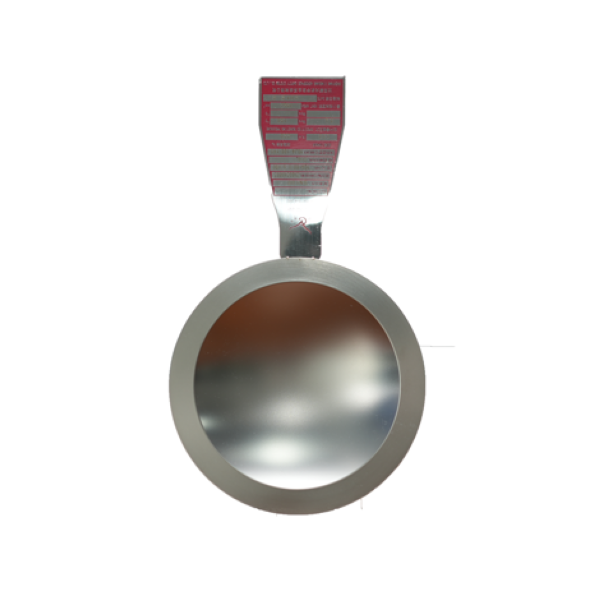
A rupture disk acts as a solid, impenetrable wall. There are no cavities, stems, or springs for viscous fluids to hide in and solidify. The process media simply flows past the smooth surface of the disk's dome. If the system overpressurizes, the solid membrane instantly tears open, providing an immediate, full-bore opening to evacuate the thick fluid.
2. Massive Cost Savings on Exotic Materials:
To make a PRV survive highly corrosive acids, the entire heavy valve body, nozzle, and trim must be cast and machined from exotic, highly expensive materials like Hastelloy® C276, Tantalum, Inconel®, or Titanium. A single exotic-metal PRV can cost tens of thousands of dollars.
Conversely, a rupture disk only requires a very thin membrane (foil) of that exotic material to provide the exact same chemical protection. A solid Tantalum rupture disk is exponentially cheaper than a Tantalum valve.
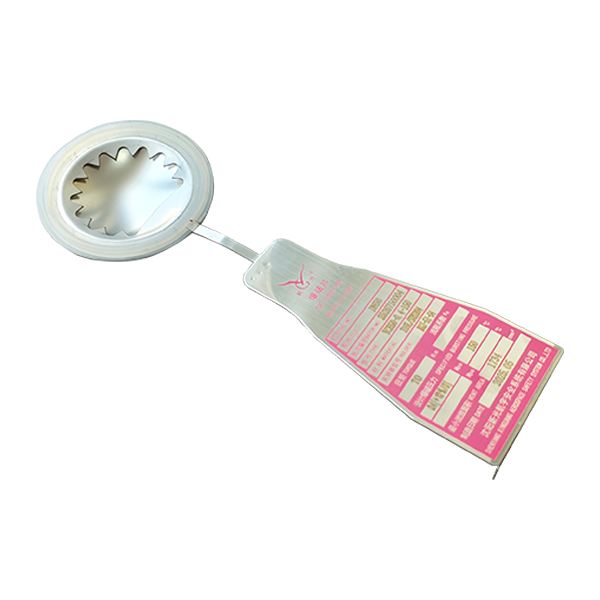
3. Fluoropolymer (PTFE/FEP) Liners:
For the ultimate combination of cost-effectiveness and chemical resistance, rupture disks can be equipped with fluoropolymer liners (such as PTFE, FEP, or PFA) on the process-facing side. This allows a highly affordable standard stainless steel disk to safely handle some of the most aggressive corrosive media in the chemical industry without degrading.
The Ultimate Strategy: Valve Isolation.
If your process absolutely requires the reclosing capability of a PRV to prevent massive product loss, but your fluid is too corrosive or viscous, you can use the Valve Isolation Strategy.
By installing an exotic-metal or PTFE-lined rupture disk directly upstream of a standard, cheaper carbon steel PRV, you completely isolate the valve's delicate internals from the nasty fluid. The valve remains perfectly clean and pristine. Only when the disk bursts during an emergency will the valve be exposed to the fluid for a brief moment to relieve the pressure and reclose.
Are viscous polymers plugging your safety valves? Are corrosive acids eating through your maintenance budget? Contact our application engineers today. We specialize in designing custom, exotic-alloy and fluoropolymer-lined rupture disks to conquer the harshest process media.
