
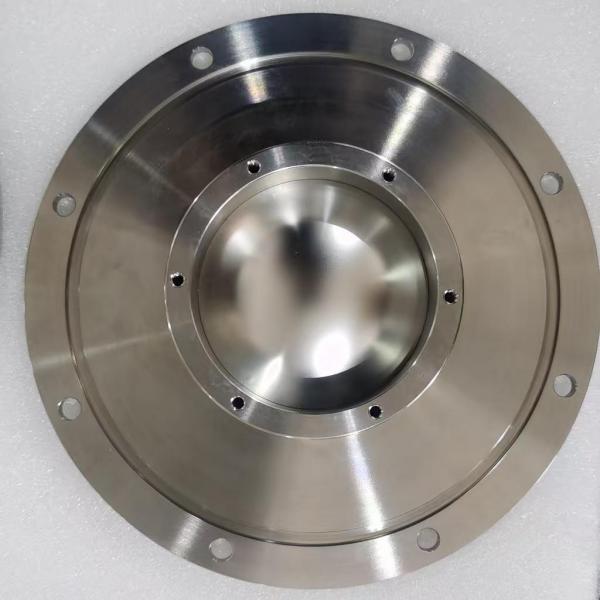
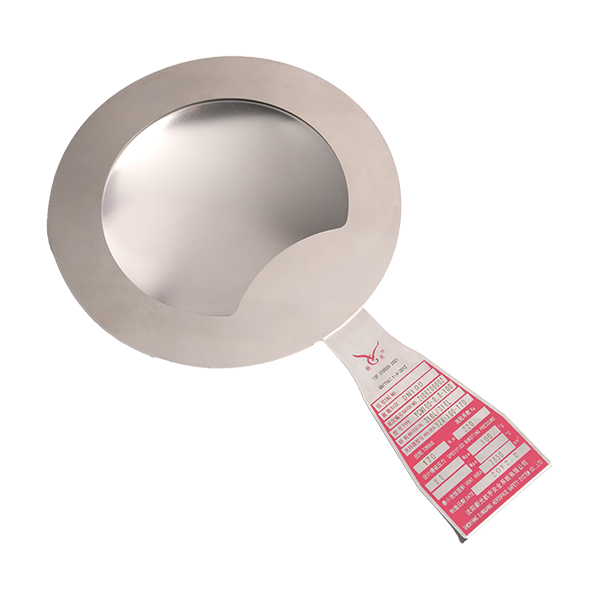
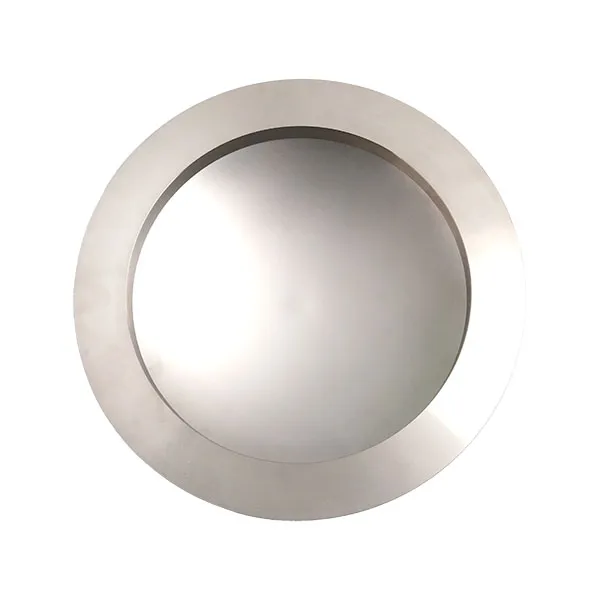
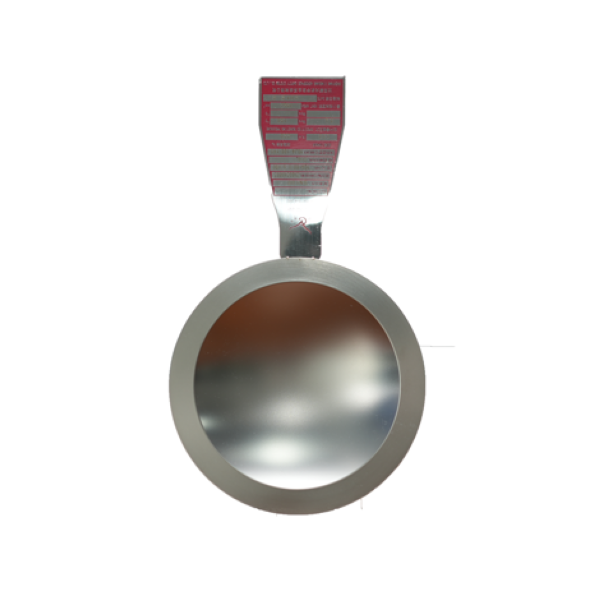
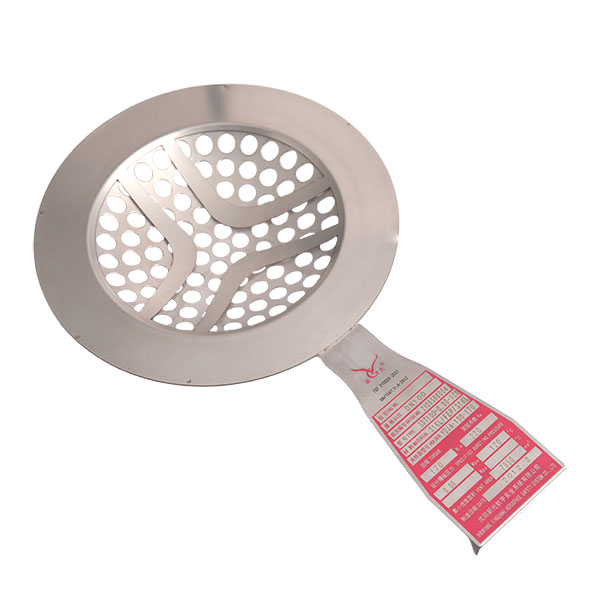
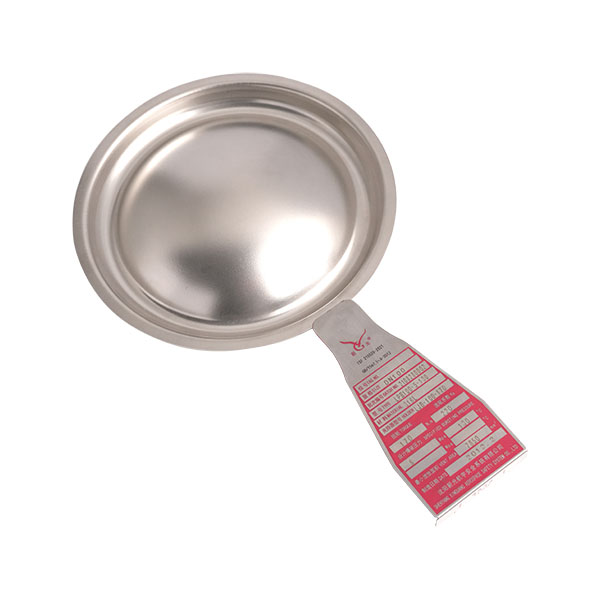
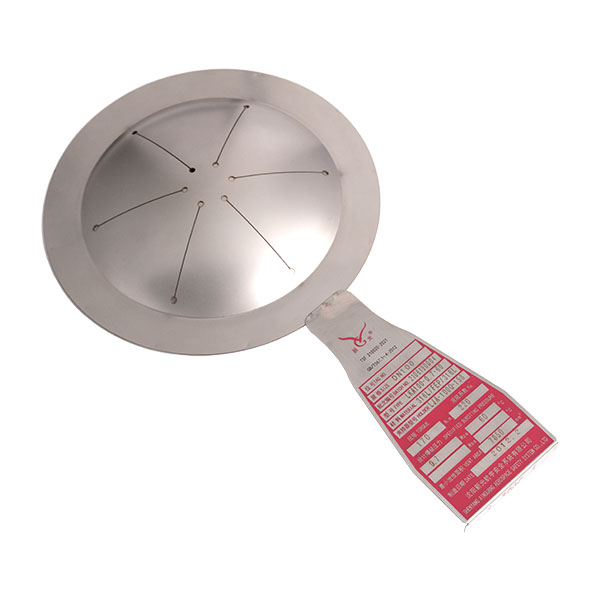
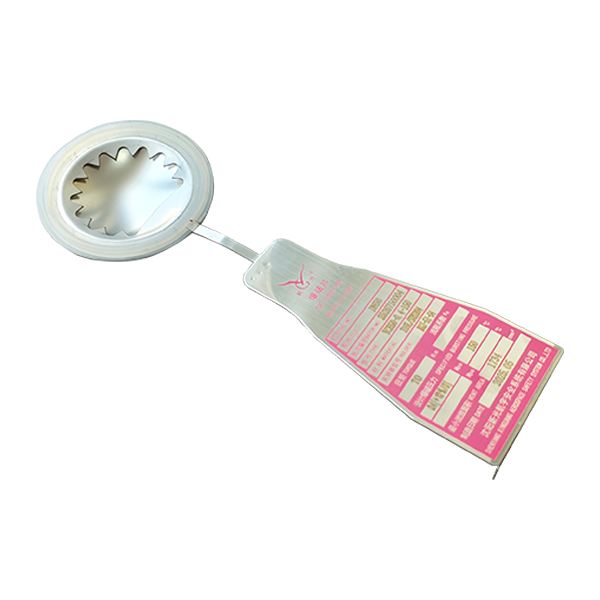
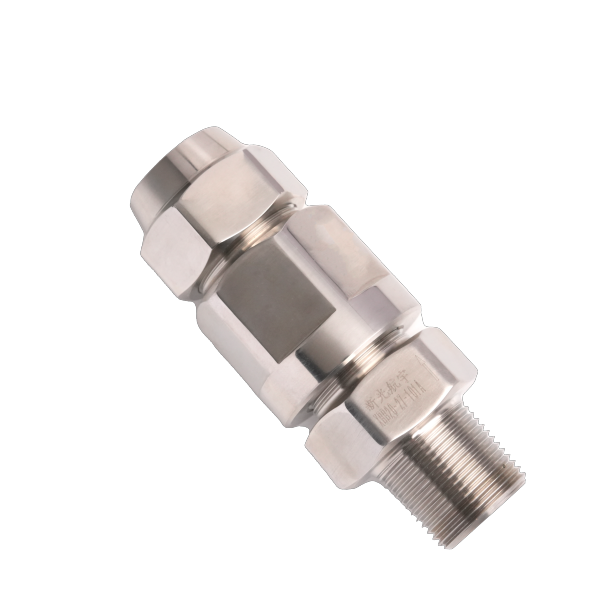
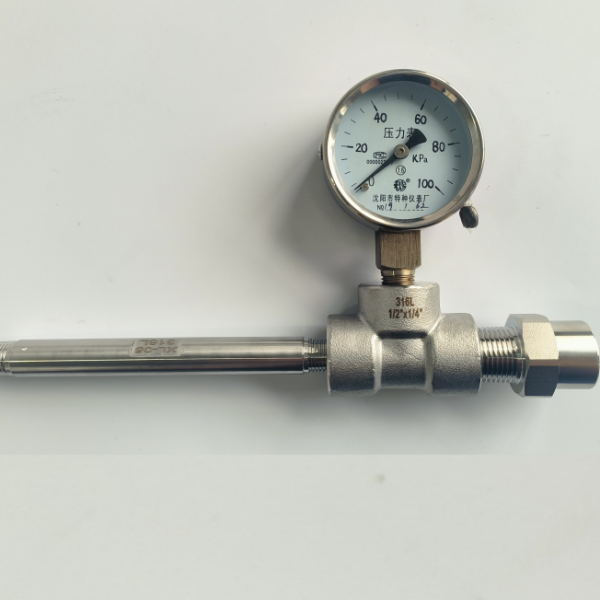
In industrial production, the pressure rupture disk is a critical protective component in pressure equipment safety systems. This is especially true in the food and pharmaceutical industries, where hygiene and sterility requirements are extremely stringent, making its role even more indispensable.
Rupture disks used in the food and pharmaceutical sectors—such as sanitary rupture disks applied in bioreactors, fermentation tanks, liquid storage tanks, and piping systems—must not only provide highly accurate burst pressure control, but also meet strict standards including non-fragmentation upon rupture, resistance to pressure pulsation, and suitability for vacuum conditions.
However, in practical applications, even well-designed rupture disks may experience failure. Such failures can lead to safety hazards, equipment damage, and even production downtime. Therefore, for procurement engineers and technical managers, understanding the causes of rupture disk failure and implementing corresponding preventive measures is a core responsibility to ensure stable and safe system operation.
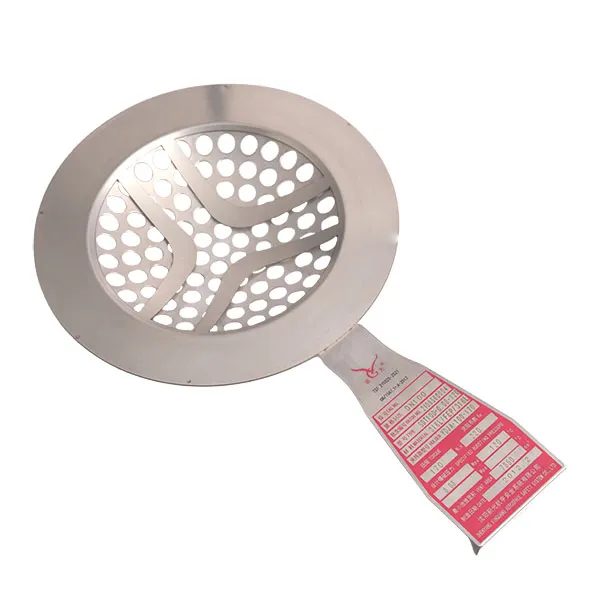
Common Causes of pressure rupture disk Failure
The failure of a pressure rupture disk is often the result of multiple contributing factors. Common causes include material corrosion, fatigue aging, operating condition fluctuations, and installation issues. According to industry risk analyses and safety engineering practices, in the chemical and pressure equipment sectors, approximately 35% of rupture disk failures are attributed to corrosion. When metal membranes are exposed to acidic or alkaline media, they are prone to localized pitting or uniform corrosion, which can cause deviations from the designed burst pressure. This may result in premature bursting or failure to activate at the intended pressure.
Fatigue aging is another significant cause of rupture disk failure. In systems with frequent pressure fluctuations, the rupture disk membrane is subjected to continuous alternating stress, which can gradually lead to the formation of microcracks. Over time, these microcracks reduce the overall strength of the material, causing the disk to rupture before reaching its specified burst pressure. Industry experience also indicates that under extreme vacuum and positive pressure cycling conditions, cumulative reverse deformation of the membrane may lead to burst pressure drift and eventual failure.
In addition, pressure rupture disk failure may be related to on-site operating condition design and installation practices. Accident investigations have shown that incorrect burst pressure settings, improper installation orientation, non-compliant bolt torque, poor local welding, or loose fasteners can all cause the rupture disk to fail prematurely under normal operating conditions or prevent it from functioning when required.
The underlying mechanisms of failure
From a microscopic perspective, the rupture disc film material undergoes chemical degradation in corrosive media; under continuous pressure cycling, fatigue cracks propagate, reducing the material's toughness. Long-term alternating vacuum loading and positive pressure can also cause stress accumulation within the film material, which may ultimately trigger material rupture. Therefore, during the selection phase, it is essential to consider not only the burst pressure setpoint but also pressure fluctuations, cycle count, and process temperature range under the operating conditions.
Effective Preventive Measures:
To effectively prevent pressure rupture disc failure, the key lies in proper selection, rigorous operating condition verification, standardized installation, and regular maintenance.
First, the system operating conditions must be fully understood during the procurement and design phase, including maximum working pressure, pressure fluctuation range, media composition, temperature changes, and the presence of vacuum conditions. To ensure stable operation of the rupture disc in a highly hygienic environment, it is recommended to use hygienic rupture discs specifically designed for the food and pharmaceutical industries. These products employ an inverted arch structure, annular cutting groove design, and high-grade stainless steel materials, enabling accurate triggering of rupture under gas and liquid conditions without generating fragment contamination.
Second, installation operations must strictly adhere to technical specifications. The installation direction, tightening torque, and cleanliness of the sealing surface all affect its long-term performance. Therefore, on-site construction personnel should operate according to the installation instructions provided by the supplier to avoid premature failure due to improper installation.
Furthermore, regular inspection and maintenance are also crucial. By regularly inspecting the surface condition of the rupture disc, the condition of related connections, and pressure record trends, potential signs of fatigue or corrosion can be detected in a timely manner, allowing for the early replacement of questionable components and thus avoiding the risk of failure.
Finally, by optimizing the pressure control system, such as by installing appropriate buffers or pressure pulsation suppressors, the number of pressure cycles that the rupture disc is subjected to can be significantly reduced, thus extending the effective life of the component from an engineering design perspective.
Summarize
As a critical protective component in pressure safety systems, the pressure rupture disk often fails due to the combined effects of multiple factors. This is especially important in complex operating conditions, such as rupture disk applications in the food and pharmaceutical industries, where heightened attention is required. Understanding its failure mechanisms, selecting models appropriately based on specific operating conditions, ensuring proper installation, and conducting strict maintenance are fundamental to safeguarding equipment safety and maintaining production continuity.
The rupture disks we manufacture specifically for the food and pharmaceutical industries strictly comply with industry standards in terms of material selection, manufacturing processes, and quality inspection. They feature non-fragmentation upon rupture, resistance to pressure pulsation, and adaptability to vacuum conditions, meeting the high hygiene and reliability requirements of food, beverage, and pharmaceutical production lines. We can also provide customized solutions based on customers’ operating conditions to effectively enhance system safety and stability.
If you would like to learn more about the application performance of pressure rupture disk products or need professional selection advice, please leave a message below or contact our technical team. We are ready to provide comprehensive support.
